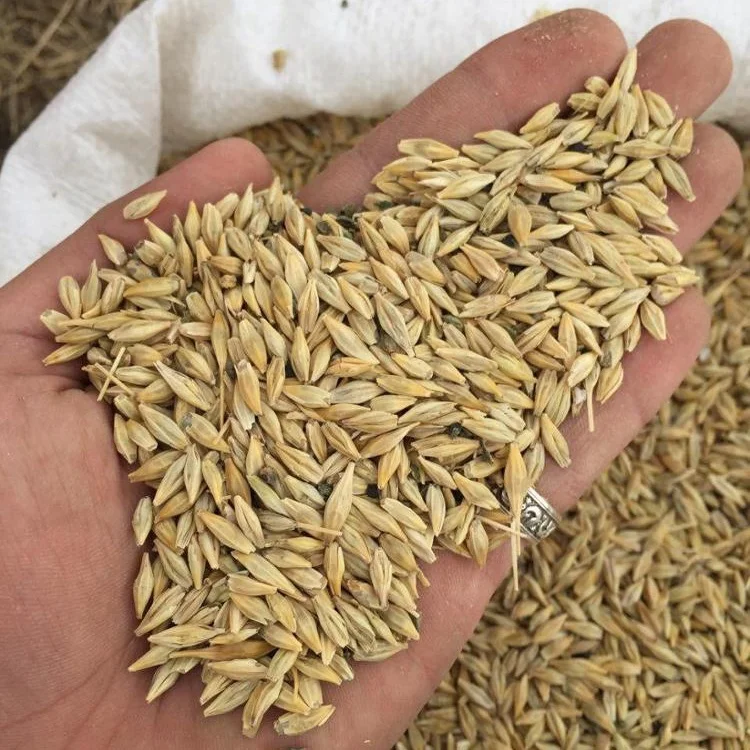
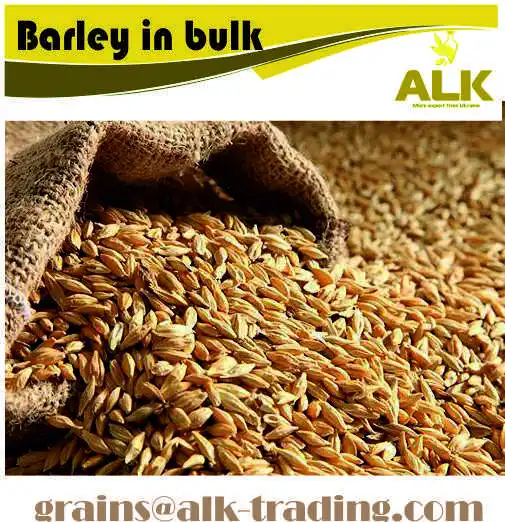
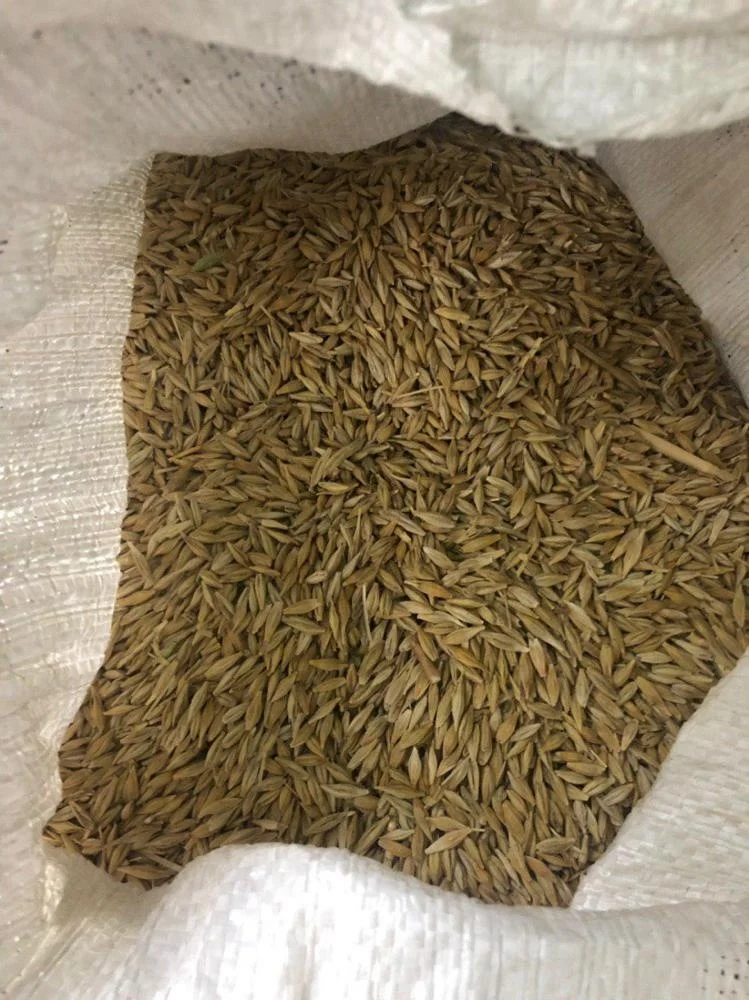
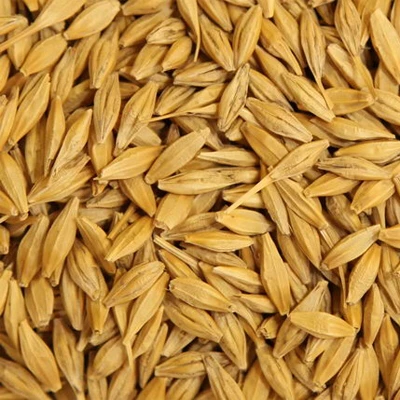

Barley for animal feeding / Ukrainian feed barley in bulk for export
- Category: >>>
- Supplier: ALK Trading LLC
Share on (62007265216):
Product Overview
Description
Product Description
DIRECTIONS FOR USE.
•\tThe inclusion of barley in diets for meat chickens can significantly depress feed consumption and growth rate.
•\tLaying hens can use barley much better than younger birds and this is reflected in the higher metabolisable energy in older birds.
•\tIncorporating barley as the major grain source into layer diets may reduce egg production, increase feed consumption, significantly worsen the feed conversion ratio and lower yolk colour scores.
•\tIncluding an enzyme along with barley in diets for poultry can reduce the negative impacts on production. The enzyme can improve the digestibility of the carbohydrates in barley.
•\tA buffer should be added to sheep and cattle diets to help reduce acidosis.
Barley can be included in the diets of most classes of animals as an energy source. Its protein content does not vary as widely as other grains. However, it has a higher fibre level and a lower energy level, which will limit its use in diets of certain animals and stages
Detailed Images
Loading directly on bulk terminal in Nikolayev port
PACKING: 900kg big bags / By vessel at the port bulk terminal.
Min Qty 25mt in container / by truck
LOADING PORT: ANY SAFEST PORT IN UKRAINE. Odessa, Chernomorsk, Mykolaiv, Izmail
LOADING TIME: within 10-15 days after confirmation
PAYMENT TERM: 100% irrevocable confirmed the letter of credit at sight from the top prime bank (or) 30% advance and 70% against scanned copies of the shipping document
Barley grain must be dried before storage. In developing countries, the harvested crop is left to dry in open and sunny areas during the day and covered during the night. When the crop is harvested by hand, bunches are made with the straw and left in the field until the moisture content is reduced to 12-14%, and then collected and threshed
Barley is a hard grain that should be crushed or ground, otherwise, it will pass undigested through the alimentary tract. Feed efficiency improves with the removal of hulls, grinding, or the breaking of the bran layer. Common processes include rolling (dry or steamrolling), flaking, grinding, and pelleting (OSU, 2006). Ground barley can be sifted into a finer fraction containing less than 3% fiber and a coarser one containing about 11% fiber.
Estimated specifications:
i. Foreign Material max, %:3.00
ii. Moisture Content max, %:14.5
iii. Grain admixture max, %:15
iv. Damaged Kernels max, %:4,5
v. Other cereals max, %5
vi. Protein min, %12
vii. Fiber max, %4
viii. Free from insects and odor
ix. Test weight, 580-590 gr/l
i. Foreign Material max, %:3.00
ii. Moisture Content max, %:14.5
iii. Grain admixture max, %:15
iv. Damaged Kernels max, %:4,5
v. Other cereals max, %5
vi. Protein min, %12
vii. Fiber max, %4
viii. Free from insects and odor
ix. Test weight, 580-590 gr/l
The feeding value of barley for pigs and poultry is inferior to other cereal grains. This is due mainly to its lower energy content and its variable content of largely indigestible carbohydrate components (indigestible B-glucans, fiber).
Barley may be used as the sole grain in diets for all classes of pigs, cattle, horses, sheep, and goats.
Besides removing the hull, various other methods of processing have been used to improve its feeding value. These include soaking in water, treatment with enzymes, steam pressure and pelleting.
Pelleting barley has been shown to improve performance and feed utilization in pigs and this has been essential due to the increased intake and reduced wastage observed with pellets. The other methods have given variable results.
Directions for use
•\tThe inclusion of barley in diets for meat chickens can significantly depress feed consumption and growth rate.
•\tLaying hens can use barley much better than younger birds and this is reflected in the higher metabolizable energy in older birds.
•\tIncorporating barley as the major grain source into layer diets may reduce egg production, increase feed consumption, significantly worsen the feed conversion ratio and lower yolk color scores.
•\tIncluding an enzyme along with barley in diets for poultry can reduce the negative impacts on production. The enzyme can improve the digestibility of the carbohydrates in barley.
•\tA buffer should be added to sheep and cattle diets to help reduce acidosis.
Barley can be included in the diets of most classes of animals as an energy source. Its protein content does not vary as widely as other grains. However, it has a higher fibre level and a lower energy level, which will limit its use in diets of certain animals and stages.
Description:
Barley is of utmost importance for livestock feeding, which accounts for about 85% of barley production. Six-row barley, which has higher protein content, is a valuable feed ingredient. Two-row barleys contain more starch and less protein and are thus preferred for brewing (barley with more than 11.5% protein causes beer cloudiness)
Barley grain is used for the production of alcohol (beer, whiskey, and ethanol), non-alcoholic beverages (barley tea, breakfast beverages)
We Recommend







New Arrivals
New products from manufacturers at wholesale prices