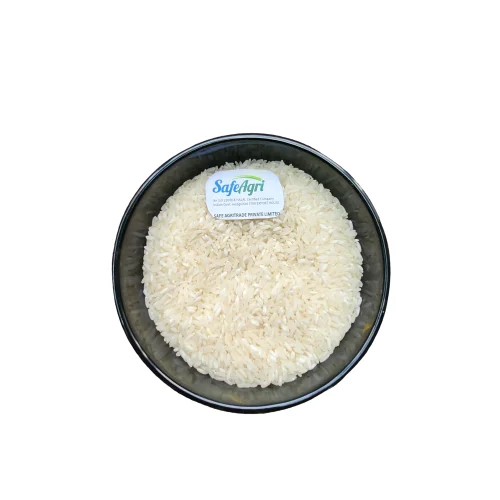
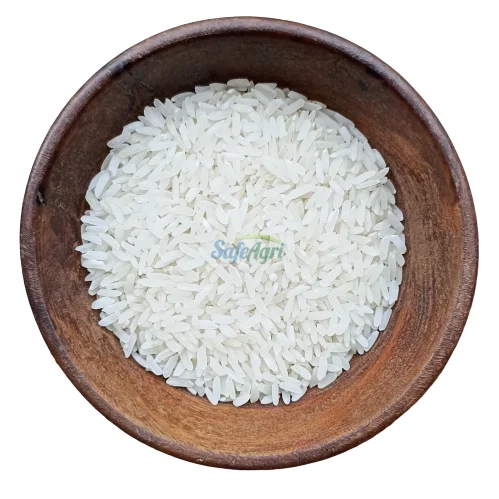
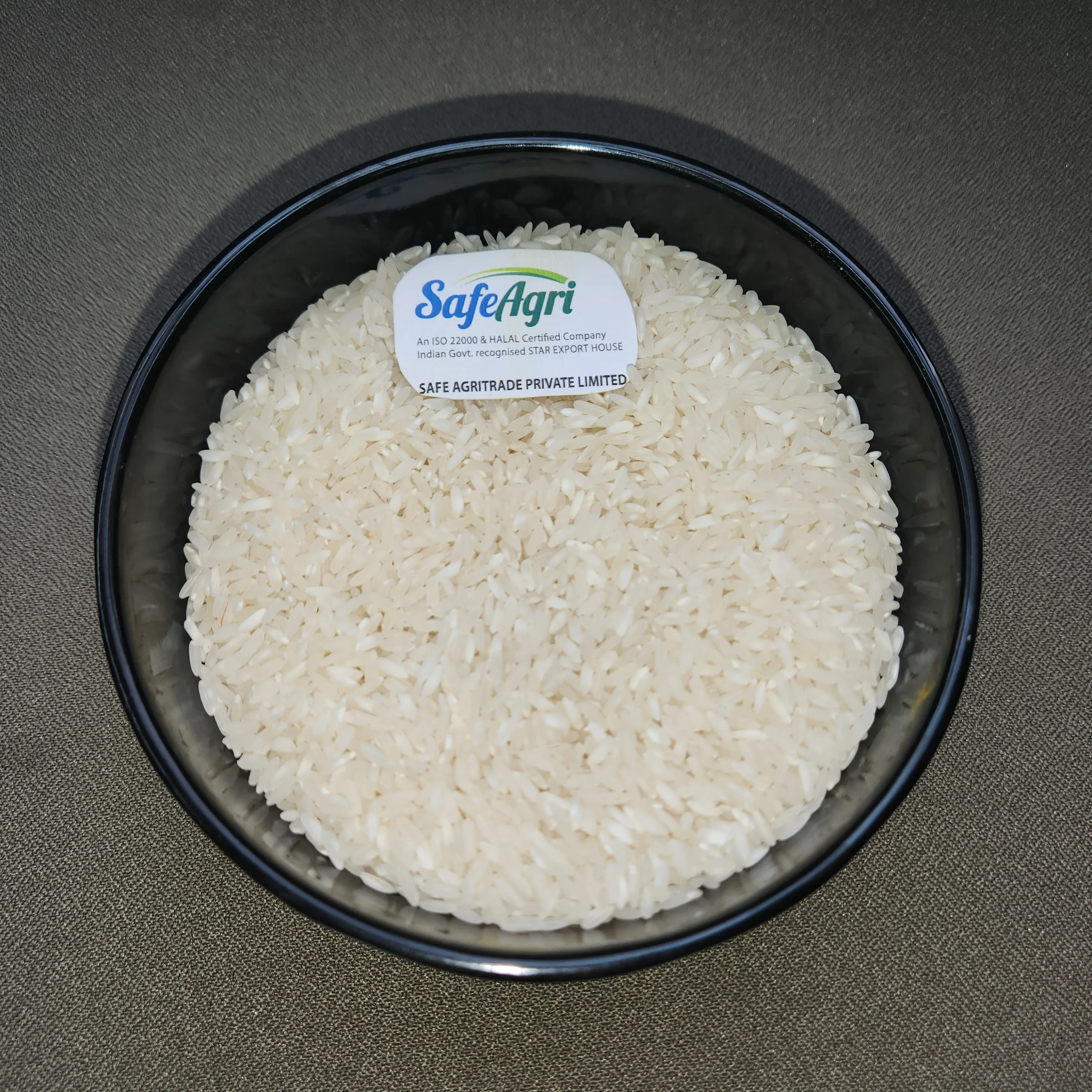
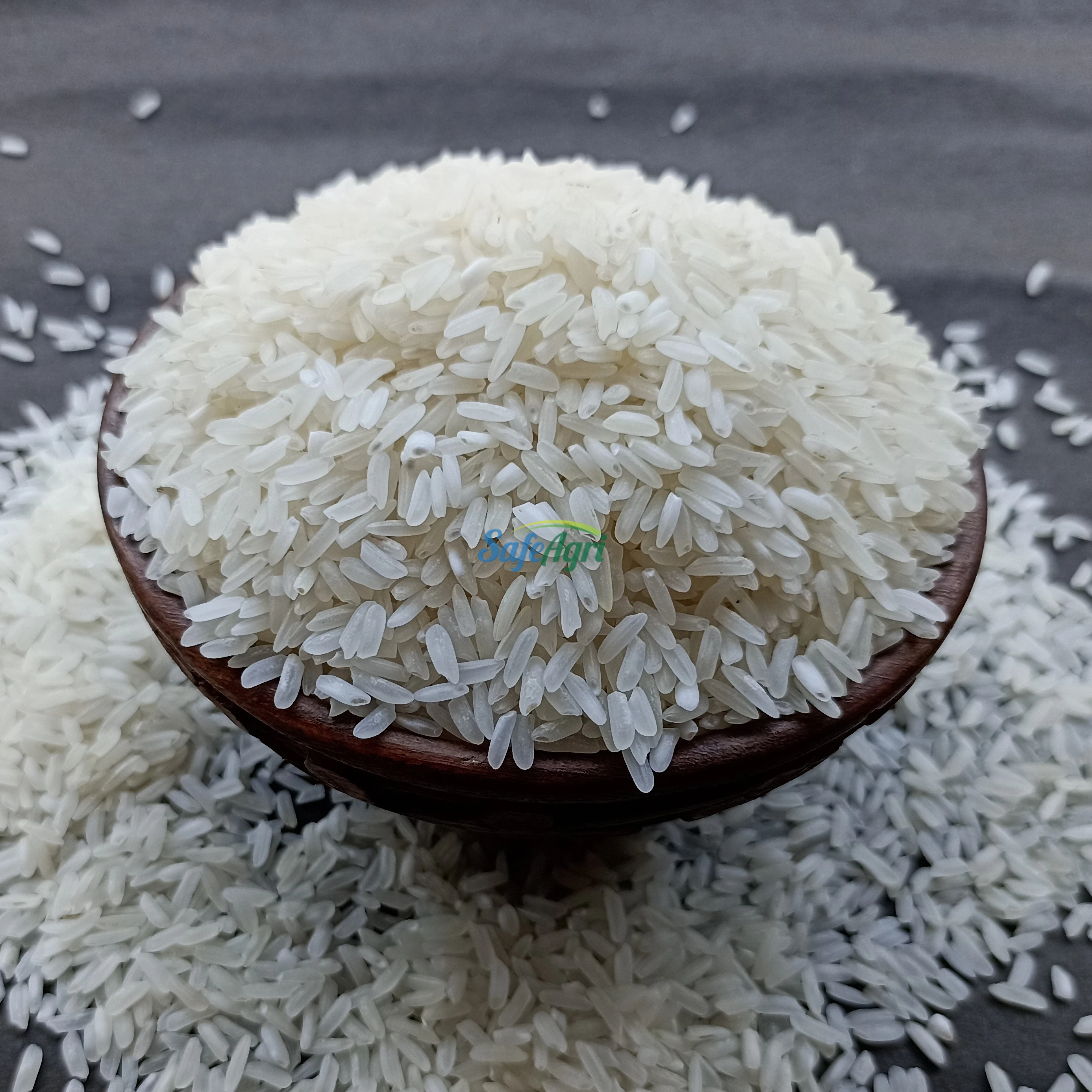
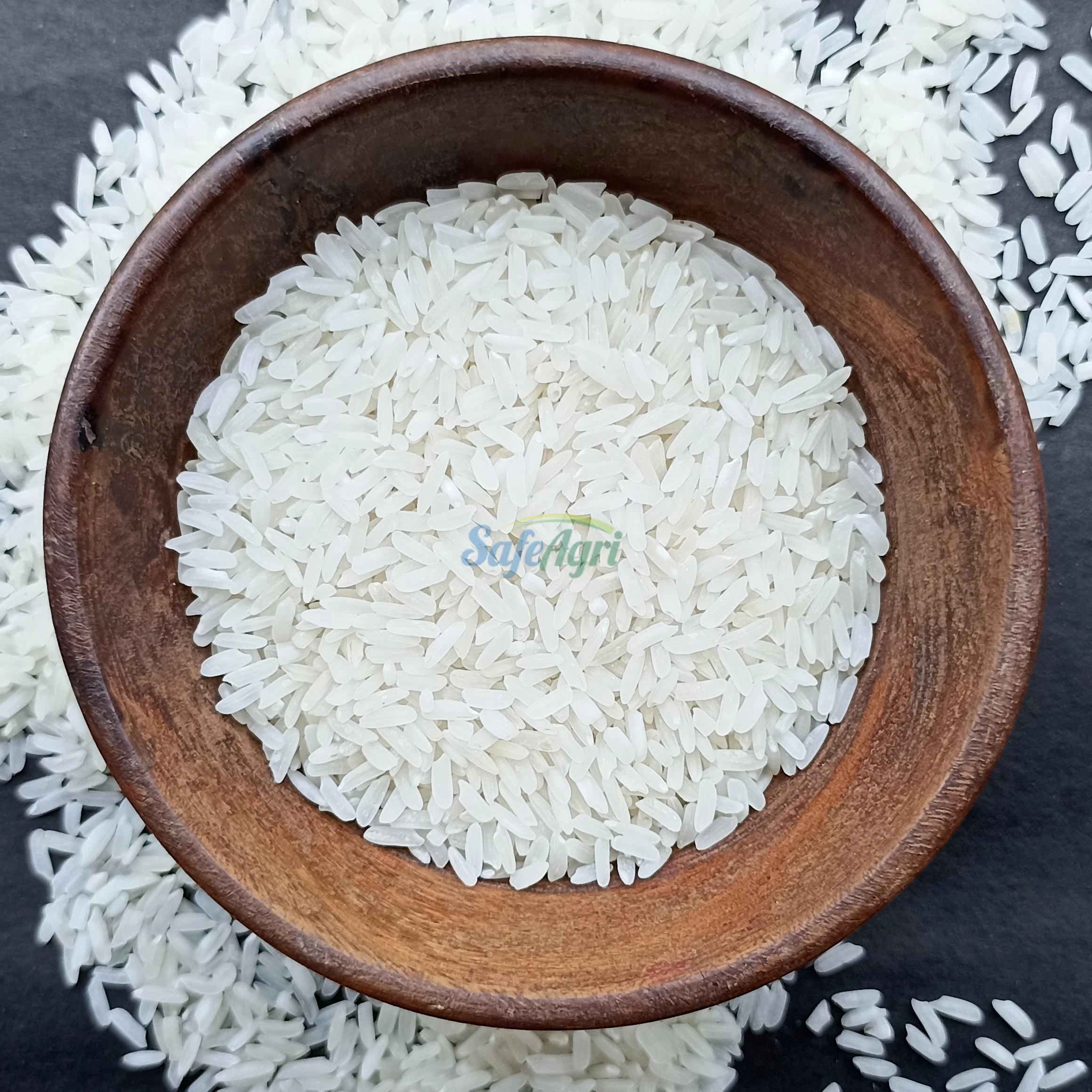
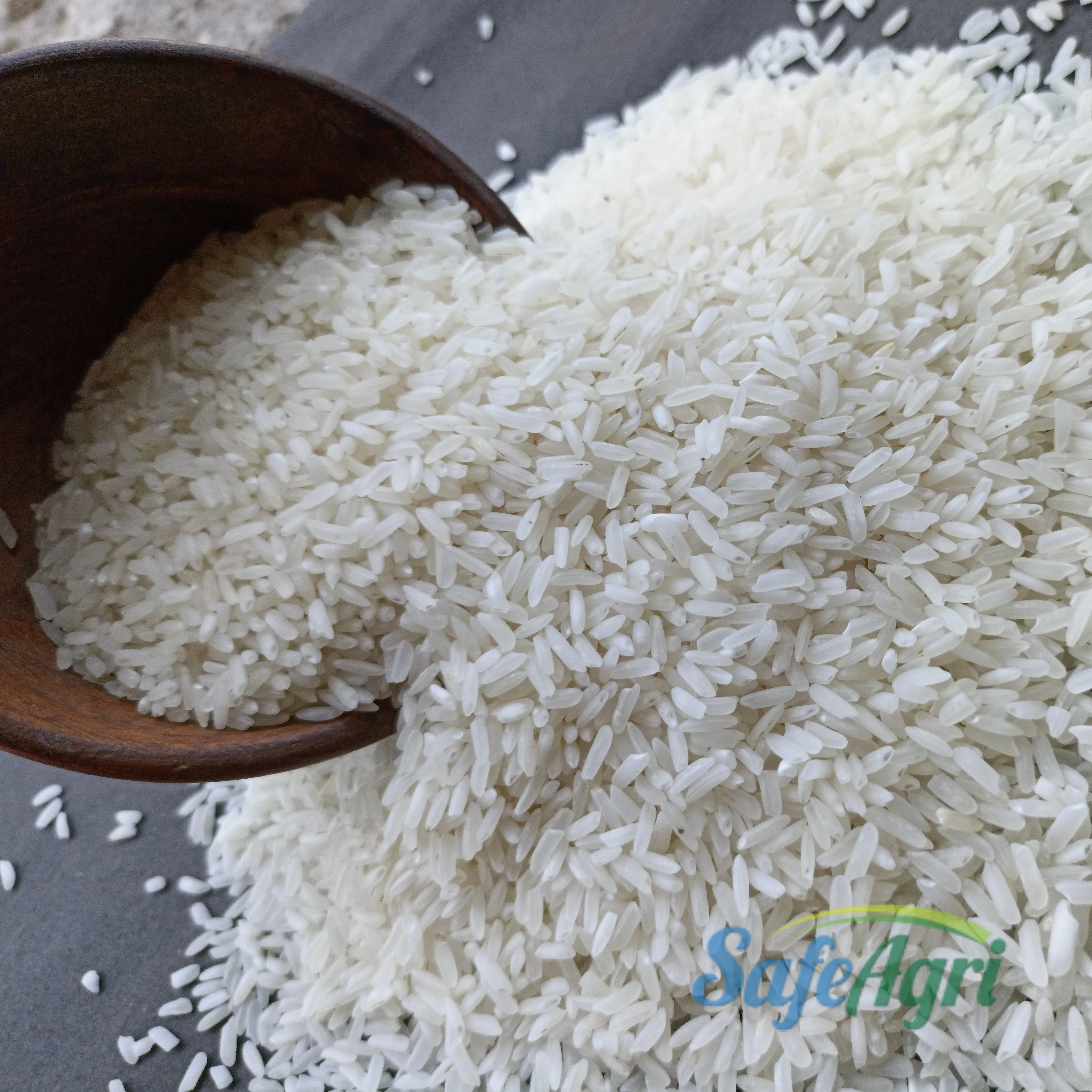
Indian Origin Premium Quality Long Grain White Rice with 14% Max Moisture / Long Grain White Rice with Chalky 4% Max /
- Category: >>>
- Supplier: SAFE AGRITRADE PRIVATE LIMITED
Share on (62015777848):
Product Overview
Description
Indian Long Grain White Rice from Safe Agritrade
Long-grain white rice is a popular variety of rice that is widely consumed across the world. It is characterized by its slender, elongated grains that are fluffy and separate when cooked. Long-grain white rice is known for its versatility and can be used in a variety of dishes, from pilafs to stir-fries. In this article, we will explore the key features and benefits of long-grain white rice. Long-grain white rice is a type of rice that is characterized by its slender, elongated grains. It belongs to the Indica variety of rice, which is known for its long grains and high amylose content. The amylose content of long-grain white rice is around 20-25%, which makes it less sticky than other types of rice. Long-grain white rice is a high-yielding variety of rice. It has the potential to produce a large amount of rice per hectare, which makes it an attractive crop for farmers. The high yield of long-grain white rice is due to its strong stems and high tillering capacity. Long-grain white rice is a drought-tolerant variety of rice. It can withstand periods of water stress, which makes it suitable for cultivation in areas with low rainfall or erratic rainfall patterns. Drought tolerance is an important trait for rice varieties, as water scarcity is a major constraint to rice production in many parts of the world. Long-grain white rice is also resistant to salinity. It can grow in soils with high levels of salt, which makes it suitable for cultivation in coastal areas or areas with saline soils. Salinity resistance is an important trait for rice varieties, as soil salinity is a major constraint to rice production in many parts of the world. Long-grain white rice is a submergence-tolerant variety of rice. It can survive under-water for a certain period of time, which makes it suitable for cultivation in areas prone to flooding. Submergence tolerance is an important trait for rice varieties, as flooding is a major constraint to rice production in many parts of the world.Long grain white rice is a semi-dwarf variety of rice. It has shorter stems than traditional rice varieties, which makes it less prone to lodging (falling over) and more resistant to wind damage. Semi-dwarf varieties of rice were developed in the 1960s as part of the Green Revolution, which aimed to increase global food production.Long grain white rice is characterized by its long, slender grains. The length of the grains can vary from 6-7mm to over 8mm. Long grain rice has a low amylopectin content, which makes it less sticky than other types of rice.Long grain white rice belongs to the Indica variety of rice. Indica rice is known for its long grains and high amylose content. It is typically grown in tropical and subtropical regions, such as India, Southeast Asia, and Latin America.Long grain white rice is a widely cultivated variety of rice. It is grown in many parts of the world, including Asia, Africa, and Latin America. In India, long grain white rice is the flagship rice variety and is grown in many states, including Punjab, Haryana, Uttar Pradesh, and Andhra Pradesh.Long grain white rice is India's flagship rice variety. It is one of the most important crops in the country and is consumed by millions of people every day. In India, long grain white rice is used to make a variety of dishes, including biryani, pulao, and khichdi.Long grain white rice is a popular variety of rice that is characterized by its slender, elongated grains. It is a high-yielding, drought-tolerant, salinity-resistant, submergence-tolerant, semi-dwarf, long-grain, Indica type of rice that is widely cultivated across the world. In India, long grain white rice is the flagship rice variety and is an important crop for millions of people.

Length | 6mm |
Broken | 5% ,10% , 15% , 25% and 100% |
Chalky | 4% max |
Moisture | 14% max |
Color | White |
Shape | long shaped |
Paddy | Nill |


We Recommend
New Arrivals
New products from manufacturers at wholesale prices