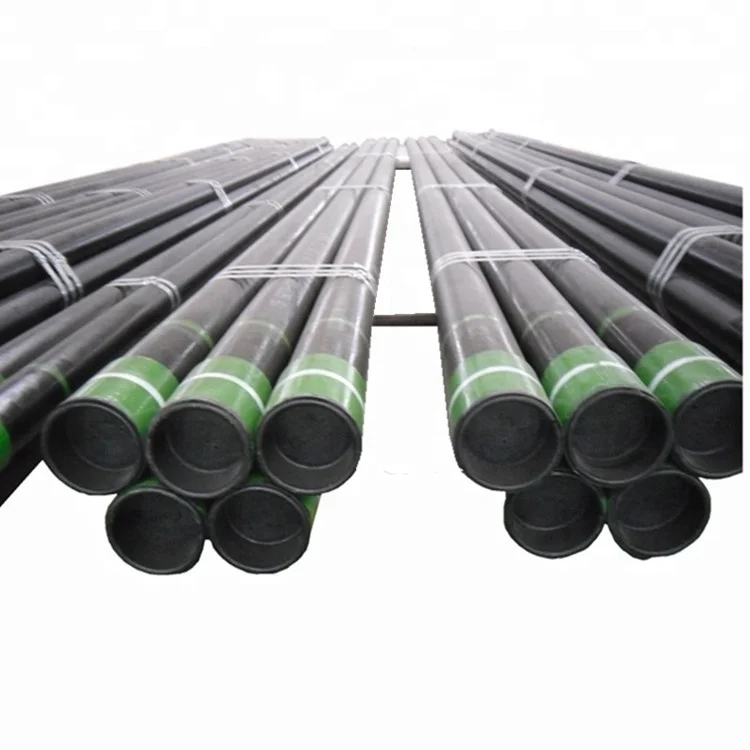
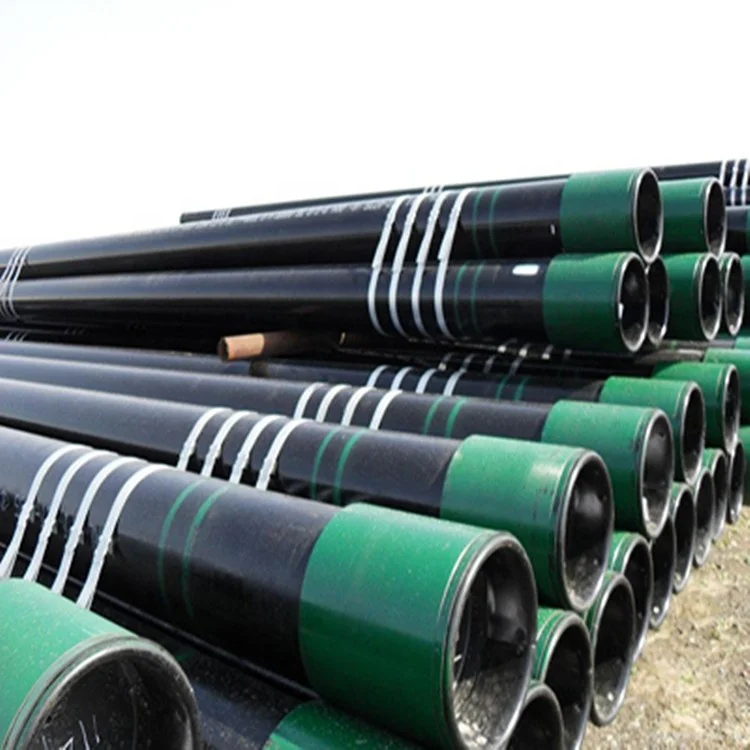
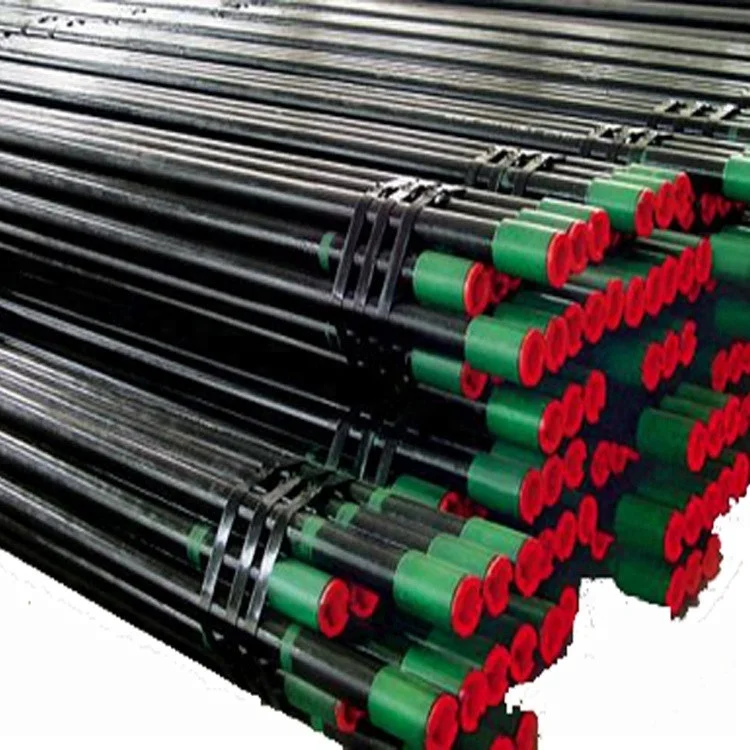
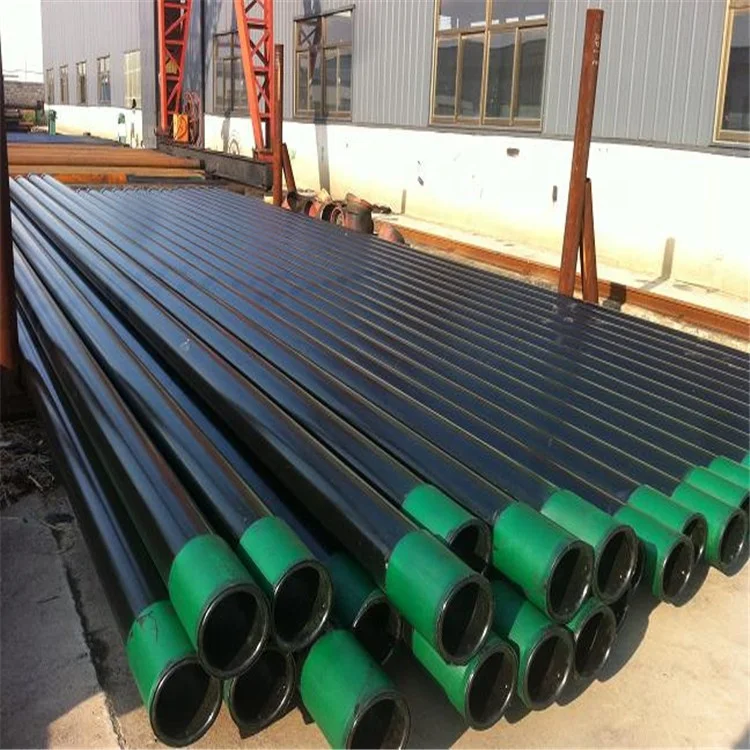
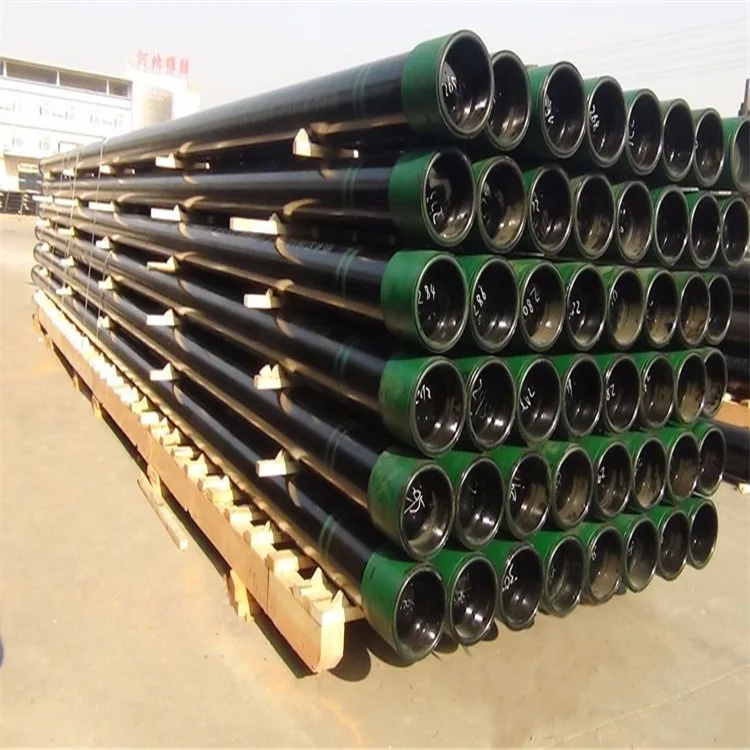
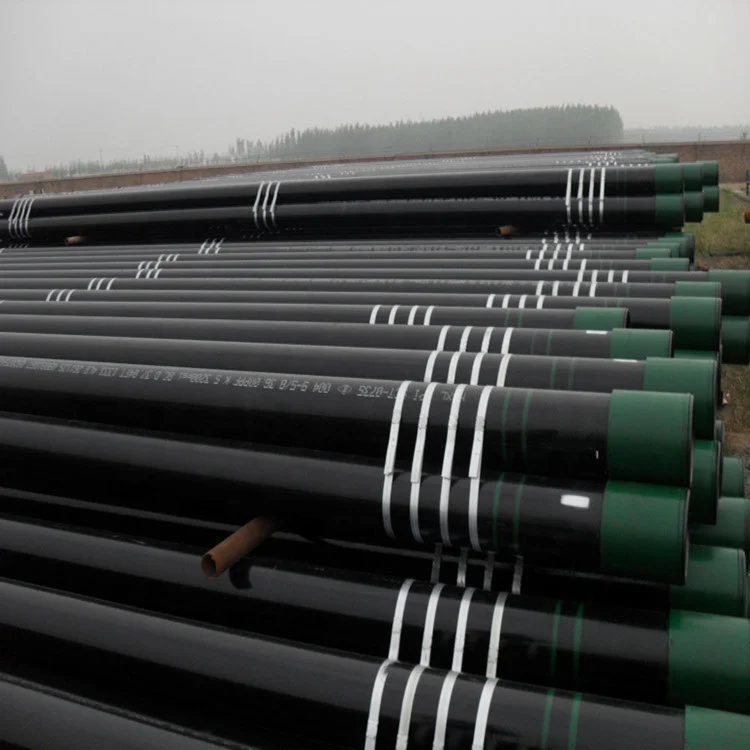
high quality API 5CT K55 J55 L80 N80 P110 Casing pipe
- Category: >>>
- Supplier: Dongying Kangya Petroleum Equipment Co. Ltd.
Share on (62055523779):
Product Overview
Description
Product Description
Product Application
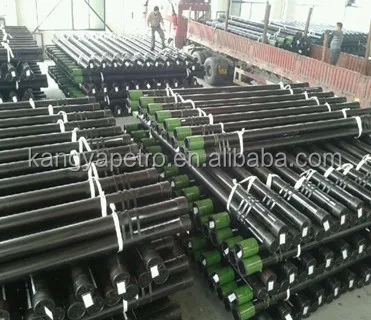
The casing is fabricated in sections, or joints, that are usually about 40 feet long and screwed together to form longer lengths of casing, called casing strings. Each end of the casing joint has male threads that are protected by cap called a thread protector until the casings are ready to be jointed. Then, a collar or coupling, composed of a short cylindrical steel pipe that is slightly larger in diameter than the joints and also has female threads, is used to connect the two male joint ends. A thread compound is used on the two ends to ensure a tight seal.
Casing is run from the rig floor, connected one joint at a time by casing elevators on the traveling block and stabbed into the previous casing string that has been inserted into the well. Hanging above the drill floor, casing tongs screw each casing joint to the casing string.
Casing is run into the well and officially landed when the weight of the casing string is transferred to the casing hangers, which are located at the top of the well and use slips or threads to suspend the casing in the well.
A rounded section of pipe with an open hole on the end, a guide shoe is connected to the first casing string to guide the casing crew in running the casing into the well. Additionally, the outside of the casing has spring-like centralizers attached to them to help position in casing string in the center of the well.
After running the casing and before the cementing the well, a used drill bit is inserted into the well via a drillstring, and drilling fluid is then circulated for a certain amount of time to remove any remaining cuttings from the well. Also wall scratchers are dispatched into the well to remove any filter cake that may have formed on the sides of the well.
A cement slurry is then pumped into the well and allowed to harden to permanently fix the casing in place. After the cement has hardened, the bottom of the well is drilled out, and the completion process continues.
Product Name | Casing Pipe |
Standard | API 5CT |
Grade | K55 J55 N80 L80 P110 |
Thread | BTC STC LTC & Premium Connection |
Length | R1 R2 R3 |
Size (in) | 4-1/2 ~ 20 |
Certifications
Packing & Delivery
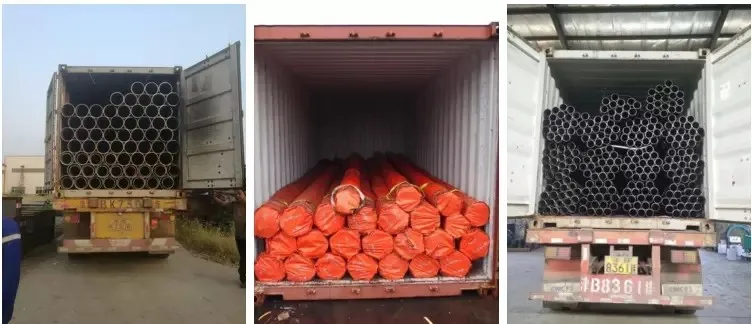
Company Profile
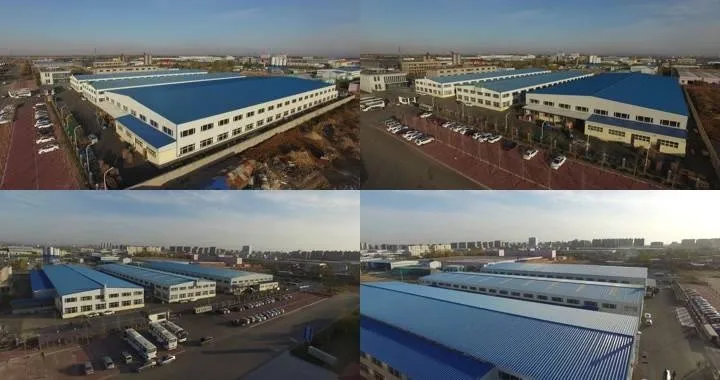
Dongying Kangya Petroleum Equipment Co.,Ltd.is a professional manufacturer and supplier of all types of petroleum equipment.The company is located in Dongying, the beautiful petroleum city at Yellow River Delta, covers an area of more than 330 million square meters.
And we have many years of history in the petroleum equipment industry.Our main products include drilling equipment,oil production equipment,wellhead equipment,well control equipment,downhole tools,OCTG pipe,\tvavle & pipe fitting and oilfield tools.
Currently,our products is already exported to America, Middle East, Australia,Africa and 20 other countries and regions.
Our company has always focused on research, development and innovation.Kangyapetro will initiate the second phase of our development strategy.Our company regards "reasonable prices, efficient production time and good after-sales service" as our tenet. We hope to cooperate with more customers for mutual development and benefits. We welcome potential buyers to contact us.
FAQ
1) How can I place order?
A: You can contact us by email about your order details, or place order on line.
2) How can I pay you?
A: After you confirm our PI, we will request you to pay. T/T and Western Union are the most usual ways we are using.
3) What's the order procedure?
A: First we discuss order details, production details by email or TM. Then we issue you an PI for your confirmation. You will be requested to do pr -epaid full payment or deposit before we go into production. After we get the deposit, we start to process the order. We usually need 15-25days if we don't have the items in stock. Before production has been finished, we will contact you for shipment details, and the balance payment. After payment has been settled, we start to prepare the shipment for you.
4)How do you take care when your clients received defective products?
A: replacement. If there are some defective items, we usually credit to our customer or replace in next shipment.
5)How do you check all the goods in the production line?
A: We have spot inspection and finished product inspection. We check the goods when they go into next step production procedure.
Related Products
API 5CT Tubing Pipe
91.8% Response Rate
API 5CT Casing Couplings
91.8% Response Rate
API 5CT Tubing Couplings
91.8% Response Rate
We Recommend
New Arrivals
New products from manufacturers at wholesale prices