FREE SAMPLE TEST Our company can share 40% shipping cost with every order you processed with us(100grams product free sample offered, partial products with high cost limited to 20grams)! The estimated date is from now on until the end of this year 2019. Contact us for more information~
Carmine 60 Introduction
Coloring agents, also known as pigments, are a class of substances that enhance the sensory properties of foods after they are colored. According to their nature and source, food coloring can be divided into two categories: edible natural pigments and edible synthetic pigments.
1. Edible synthetic pigments are artificial synthetic pigments. The characteristics of edible synthetic pigments: bright colors, stable nature, strong tinting strength, high firmness, and can obtain any color, plus low cost and convenient use. However, most synthetic pigments are harmful to humans. The toxicity of synthetic pigments is directly toxic to the human body due to its own chemical properties; some may produce harmful substances in the metabolic process; it may also be contaminated by arsenic, lead or other harmful compounds in the production process. The synthetic pigments currently permitted in China are amaranth, carmine, reddish red (cherry red), new red, tempting red, lemon yellow, sunset yellow, bright blue, indigo and their respective aluminum lakes. And synthetic beta-carotene, copper chlorophyllin and titanium dioxide.
2. The use of natural pigments, the use of natural pigments is mainly derived from the pigments extracted from animal and plant tissues, the natural pigment components of humans are more complex, and the purified natural pigments may have different effects. Moreover, in the process of refining, the chemical structure may also change; in addition, in the process of processing, there is the possibility of being contaminated, so it cannot be considered that the natural pigment must be pure and harmless. Synthetic food coloring, like other food additives, requires rigorous toxicological evaluation for safe use.
include
a. chemical structure, physical and chemical properties, purity, presence in food, degradation processes and degradation products;
b. Distribution, metabolic transformation and excretion of tissue in the tissues and organs as they are absorbed by the body;
c. The biological changes caused by itself and its metabolites in the body, as well as the possible toxicity and mechanism to the body. Including acute toxicity, chronic toxicity, effects on reproductive reproduction, embryo toxicity, teratogenicity, mutagenicity, carcinogenicity, allergenicity, etc.
Appearance
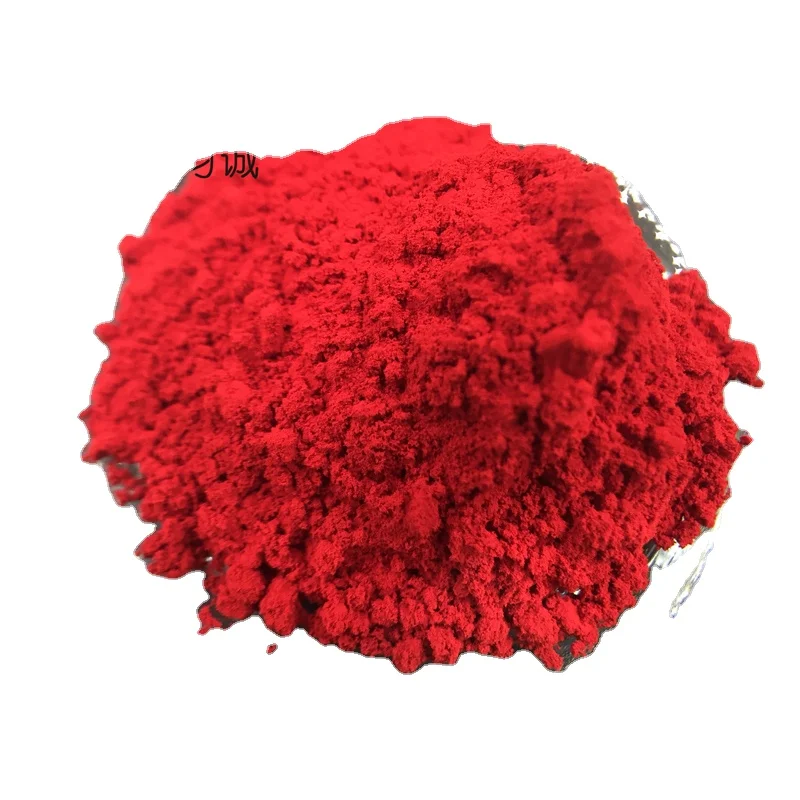
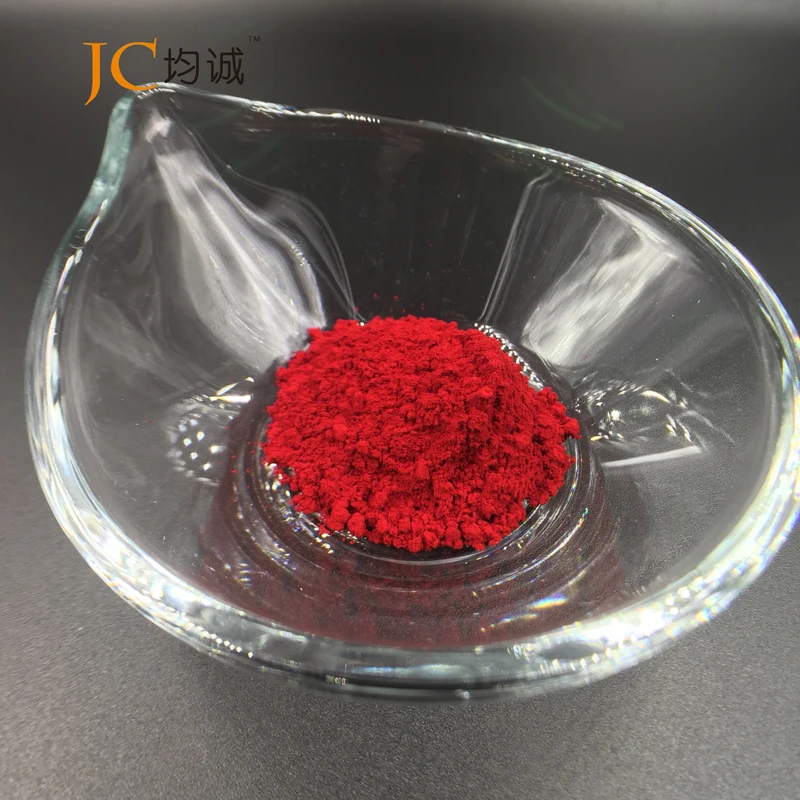
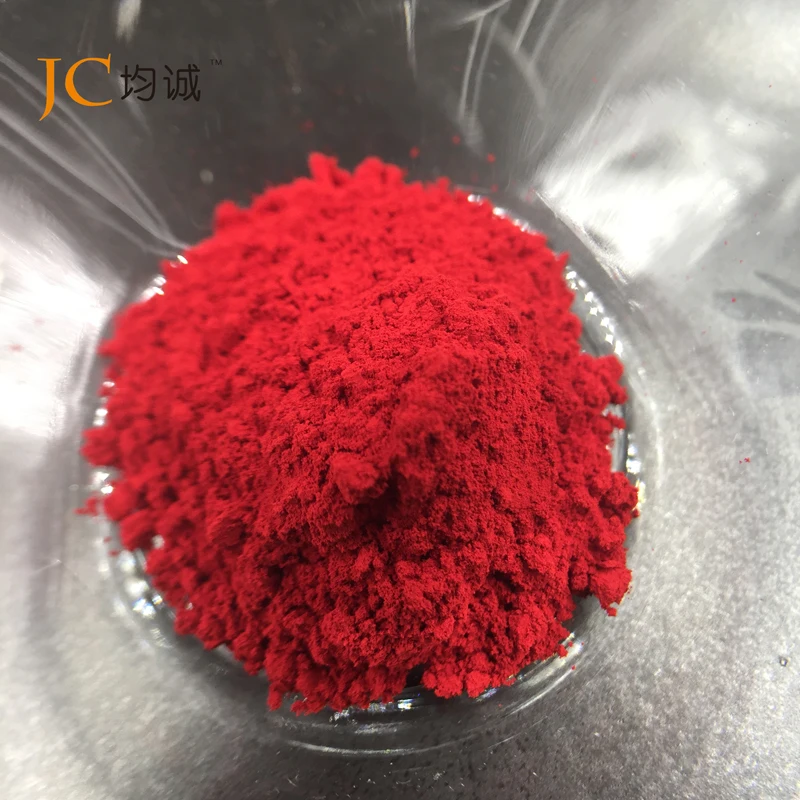
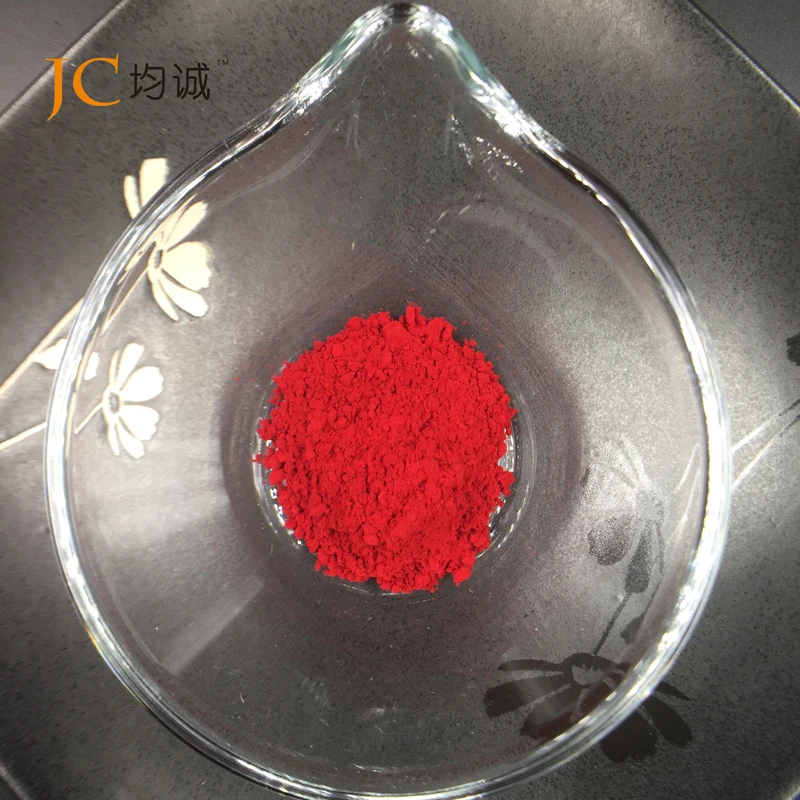
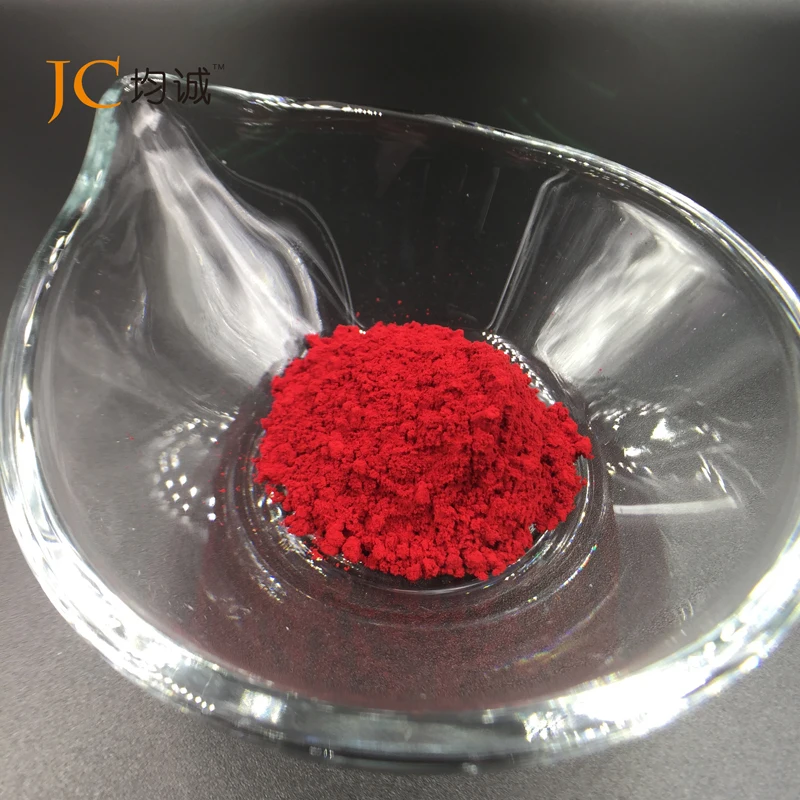
Dark red powder
assay
99%
Melting point
138–140℃
FEMA
2242
Storage
Store at +5°C to +30°C
soluble
ammonium hydroxide: soluble1mg/mL
λmax
531nm, 563nm
PH
5-5.3
Aniline
+95.9°
Arsenic (As)
<1
Selenium
<30ppm
Lead
<2ppm
Impurity A(Sulfamic Acid)
Meets the requirements
Absorbance
Meets the requirements
Cyclohexylamine
<10ppm
Dicyclohexylamine
<1ppm
Solubility in water
Freely soluble
Solubility in Ethanol
Slightly soluble
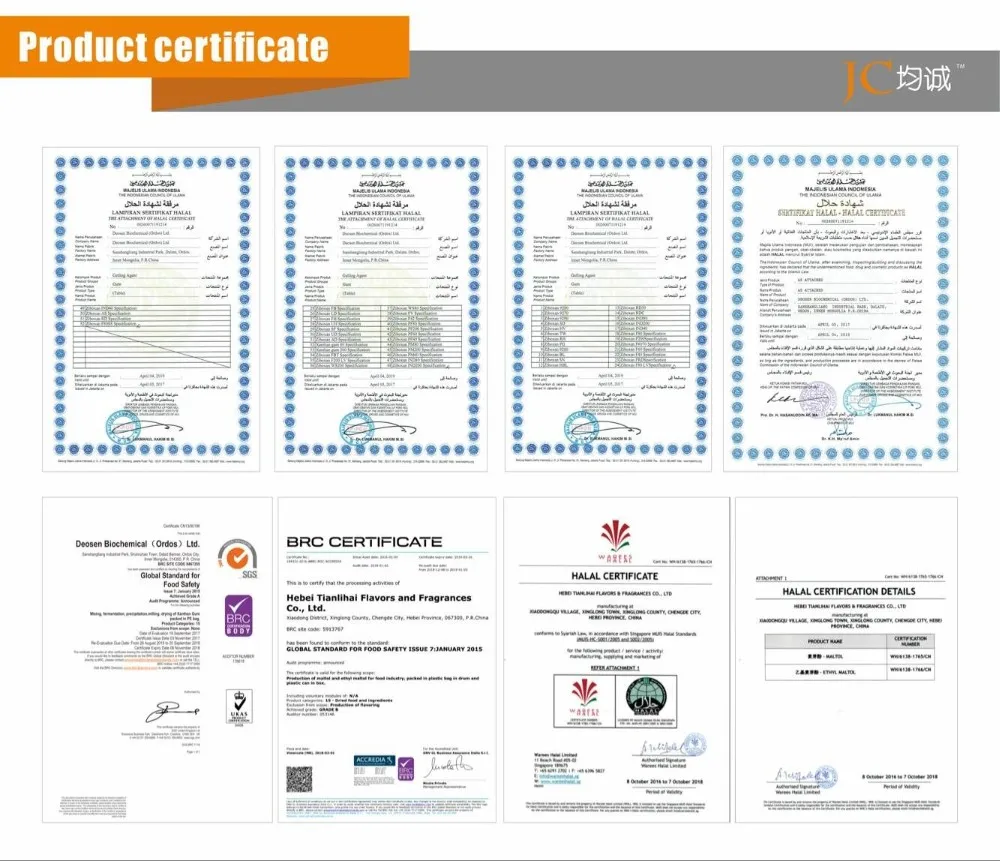
Product Certificate
Company Profile
FAQ:
Q1: Can you provide samples?
A1: We can provide free samples, and the freight will be paid by our customers.
Q2: How to start an order or payment?
A2: Pay C/P,D/P,T/T, usd credit card account or custody (alibaba).
Q3: When can order or delivery be started?
A3: It is usually delivered within 7 working days(Chinese holiday not included) after receipt of payment.
Q4: Is there any discount?
A4: The bigger the demand, the bigger the discount.
Company Advantage
Whatsapp & Wechat: +19907128780
Skype: alexandre.rola2 Email: rola200617@foxmail dot com