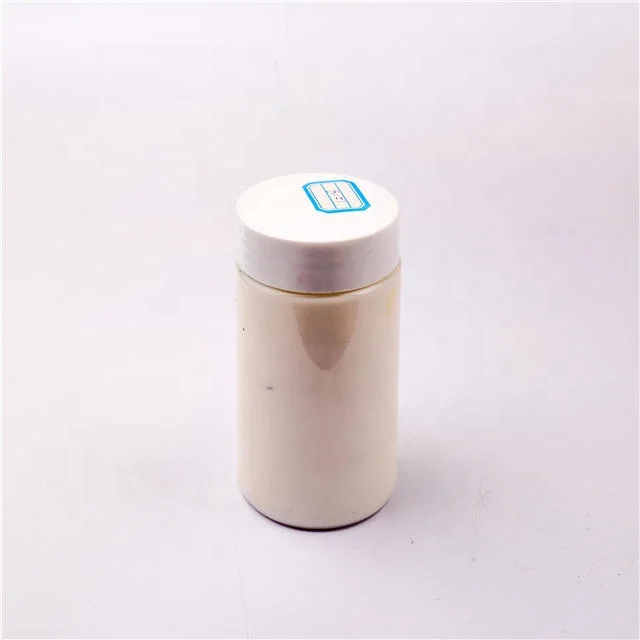
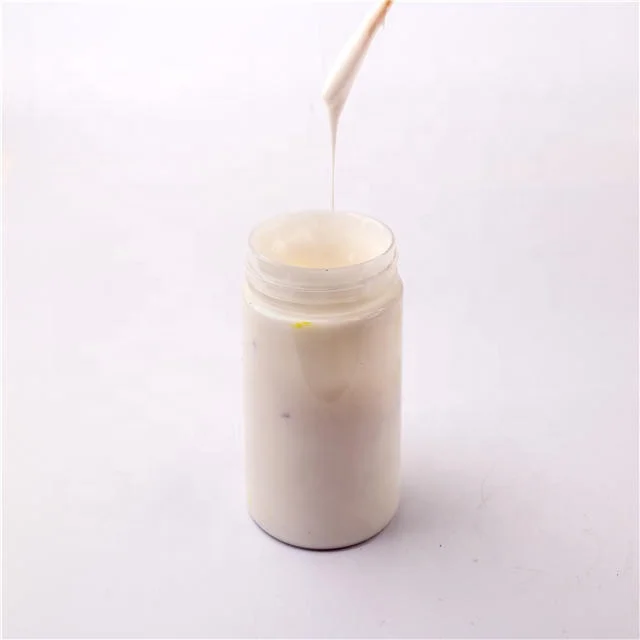
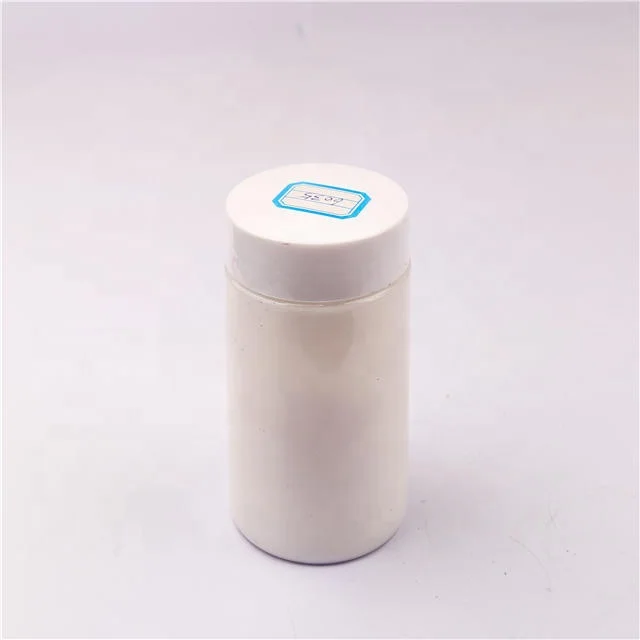
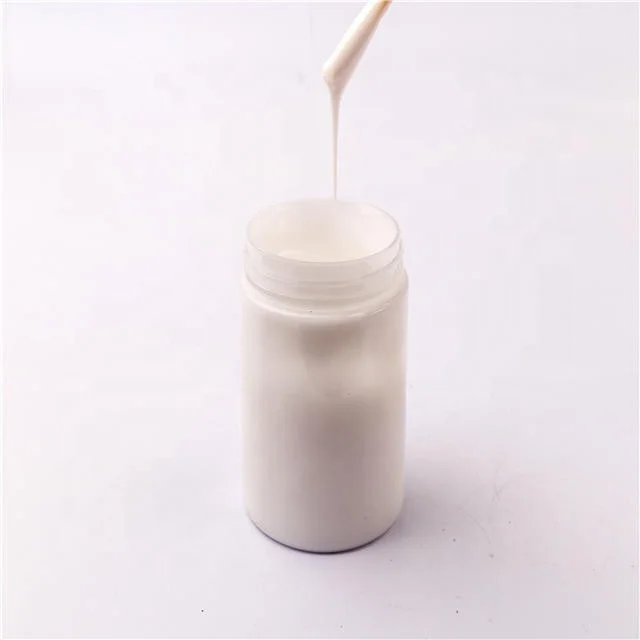

PU Foam Chemical Polyether Polyol (PPG)/pop for Foam Mattress
- Category: >>>
- Supplier: Ningbo Weihongxin Polyurethane Co. Ltd.
Share on (62140425992):
Product Overview
Description
Solution
PU soft foam 15 common problems and solutions
There are various accidents and problems in the production of polyurethane soft foam, and each production accident is caused by many factors.In the analysis of accidents caused by complex factors, it is difficult to list all the influencing factors and the main factors that really play a role.Here are 15 common problems and their causes. Let's have a look.
Common problems and solutions of polyurethane soft foam
1. High obturation rate
A. polyether polyols: polyether polyols with different activities are mostly replaced with epoxy ethane with high proportion and high activity.
B, process formula: octanoic acid stannoid dosage, isocyanate activity is high, the crosslinking degree is large, the crosslinking speed is fast, too much amine and physical foaming agents cause pressure inside the foam, foam elasticity is large, can not open the hole, TDI index is too large will also lead to the high closure rate.
2. Shrinkage (gel speed is higher than foaming speed)
A. high obturation rate, shrinkage when cooling.
B. technological conditions: low temperature, low material temperature.
C. Process formula: excessive silicon oil, excessive physical foaming agent and too low TDI.
3, Internal crack
A. process conditions: low temperature, high reaction center temperature.
B. Process formula: low TDI index, high tin content and high early-stage foaming strength.
C. High activity and low dosage of silicone oil.
4. Top crack (uneven aerogel velocity)
A. process conditions: low temperature, low material temperature.
B. process formula: insufficient amount of catalyst, less amount of amine and poor quality of silicon oil.
5. Bottom corner crack (too much amine, too fast foaming speed)
A. Large surface pores: excessive physical foaming dose, poor quality of silicon oil and catalyst.
6. Poor performance of foam at low temperature
A. the intrinsic quality of polyether polyols is poor, and the TDI index is low when the same hydroxyl group value, function degree and unsaturation are large, and the same amount of tin is used.
7. Poor ventilation
A. climate: low temperature.
B. raw materials: polyether polyol is high, silicone oil has high activity.
C. Process formula: more tin or the same amount of tin, less water and amine, high TDI.
8. Poor rebound elasticity
A. raw materials: polyether polyols have high activity, relatively small molecular weight, silicone oil has high activity.
B. process formula: large amount of silicon oil, large amount of tin, large amount of water and high TDI index at the same amount of tin.
9. Poor tensile strength
A. raw materials: too many low-molecular polyether polyols and low functionality of the same hydroxyl group.
B. process formula: tin less gel reaction is not good, at the same amount of tin, TDI index is high, water less crosslinking degree is low.
10. Smoke while foaming
A. excessive amine causes the reaction between water and TDI to release a large amount of heat, and the low-boiling substances evaporate and smoke.
B. If it is not the focal point, the flue gas is mostly composed of TDI, low-boiling materials and monomer cycloalkanes in polyether polyols.
11, Foam with white tendon
The reaction speed of foaming and gel is fast, and the transfer speed is slow in the continuous foaming. The dense layer is formed by local extrusion, resulting in white gluten phenomenon.The transfer speed should be increased in time, or the material temperature should be reduced, the amount of catalyst should be reduced.
12. The foam is crisp
There is much water in the formula, the formation of biuret is mostly undissolved in silicon oil, tin catalyst is used poorly, the crosslinking reaction is not sufficient, the small relative molecular weight polyether polyol content is much, the reaction temperature is too high, ether bond fracture reduces the foam strength.
13. Foam density is lower than the set value
Foam index is too large due to incorrect measurement, high temperature, low pressure.
14. Foam has cavitation of bottom skin, side skin and bottom step
Tin more amine less, the foaming speed is slow, gel speed is fast, in the continuous foaming with too low temperature.
15. High elongation
A. raw materials: polyether polyols have high activity and small function degree.
B. process formula: low TDI index, insufficient cross-linking, more tin, more silicone oil.


Free Sample would be provide for you.Hope we have a chance to discuss business and build a long cooperation.


We Recommend
New Arrivals
New products from manufacturers at wholesale prices