

Acid cellulase enzyme powder cellulase enzyme industrial for textiles jeans fabrics bio polish
- Category: >>>
- Supplier: Jiangsu Boli Bioproducts Co. Ltd.
Share on (62173272397):
Product Overview
Description
DESCRIPTION
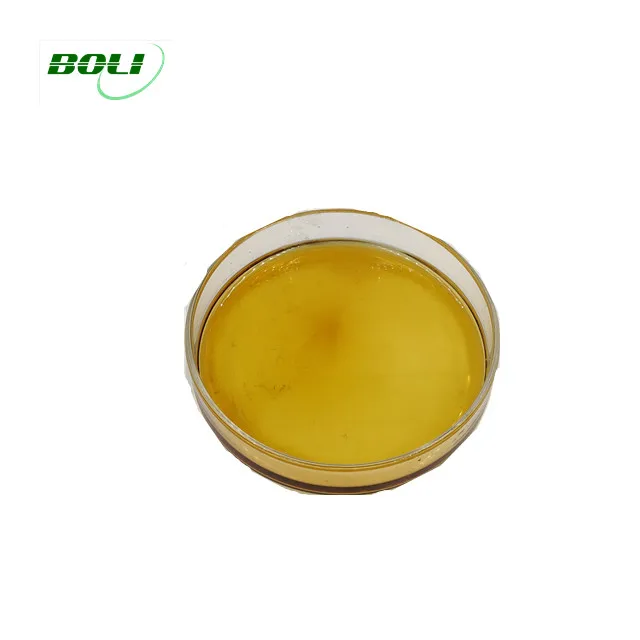
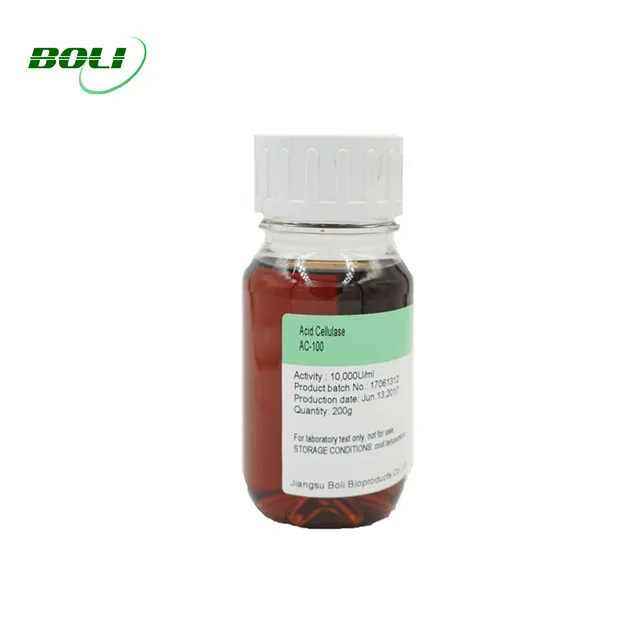
Acid Cellulase AC-100 is produced from Trichoderma reesei through submerged fermentation, extraction and refining process. AC-100 is specially designed for bio-polishing in the finishing processes of cellulosic fabrics. It can permanently reduce the tendency of pilling and improve the hand feeling and appearance of fabrics.
EFFECT OF PH
Effective pH range of AC-100 is 4.0 to 6.5; the optimum pH is 4.8.
EFFECT OF TEMP
Effective temperature range of AC-100 is 30 to 70°C; the optimal temperature is 55°C. Inactivation of AC-100 may be achieved completely at temperature above 80°C in 10 minutes.
APPLICATION
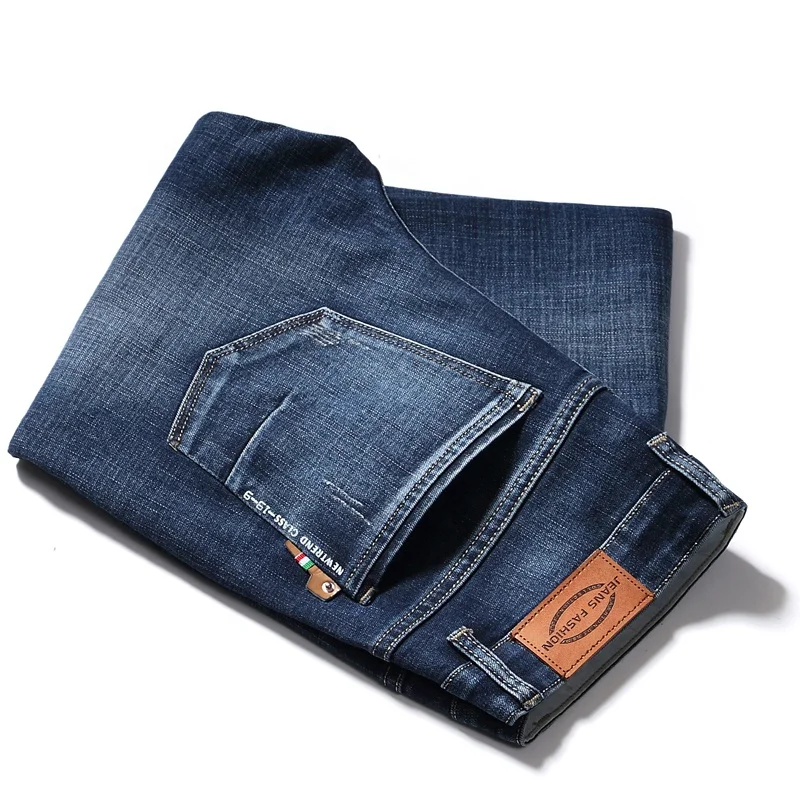
AC-100 can be used for bio-polishing of cellulosic fabrics. It is suitable for woven or knitted fabrics, especially for the following fabrics:
Cotton fabric
Cotton / polyester blended fabrics
Linen and ramie fabrics
Other cellulosic fibers
BENEFITS
Bio-polishing enzyme can improve fabric qualities in many ways. Use of AC-100 in bio-polishing offers the following benefits for the improvements of fabric quality:
Decreased pilling property, more uniformed surface of fabrics
Unique hand feeling of softness and smoothness due to the increased mobility between the processed yarns which reduces the bending stress of the fabrics
Lustrous colors of fabrics
USAGE GUIDELINES
Typical bio-polishing conditions are as follows:
| \t | \t |
| \t | \t |
| \t | \t |
| \t | \t |
| \t | \t |
| \t | \t |
| \t | \t |
Note:
In general, adjust pH value of water prior to add enzyme: 0.5mL of 98% acetic acid and 0.5g of sodium acetate per liter of water, subject to testing.
Inactivation of enzyme: Increase pH to 10 with sodium carbonate, or heat to 80°C and keep for 10 minutes.
STORAGE
This enzyme has been formulated for optimal stability. Typical shelf-life is six months provided being stored below 25°C in its original packaging, sealed and unopened, protected from the sunlight. Its shelf-life will be eighteen months if this product is stored properly at 0~10°C. Prolonged storage and/or adverse conditions such as higher temperatures may lead to a higher dosage requirement.
DETAILED IMAGES
We Recommend
New Arrivals
New products from manufacturers at wholesale prices