Azadirachtin 0.3% EC biological insecticides insecticide and fungicide pesticides agrochemicals agriculture chemicals MSDS
- Category: >>>
- Supplier: Shenzhen Eighty-Eight Industry Company Limited
Share on (62194166567):
Product Overview
Description
Product Description
The mechanism of action of azadirachtin on insects is as follows: directly or indirectly through the destruction of insects
The chemically-induced organ of the mouthparts produces an antifeedant effect; by the action of the digestive enzymes in the midgut, the nutrient conversion of the food is insufficient, affecting the vitality of the insect. High doses of azadirachtin can kill insects, fleas and other insects directly, while low doses cause permanent larvae, or deformed mites and adults. By inhibiting the synthesis and release of pro-thymocyte hormone (PTrH) by brain neurosecretory cells, it affects the synthesis and release of ecdysteroids by the thymus gland and the synthesis and release of juvenile hormone by the pharyngeal body. The destruction of the normal concentration of juvenile hormone in the hemolymph of the insect also causes insufficient synthesis of the vitellogenin required for the maturation of the insect egg, resulting in infertility.
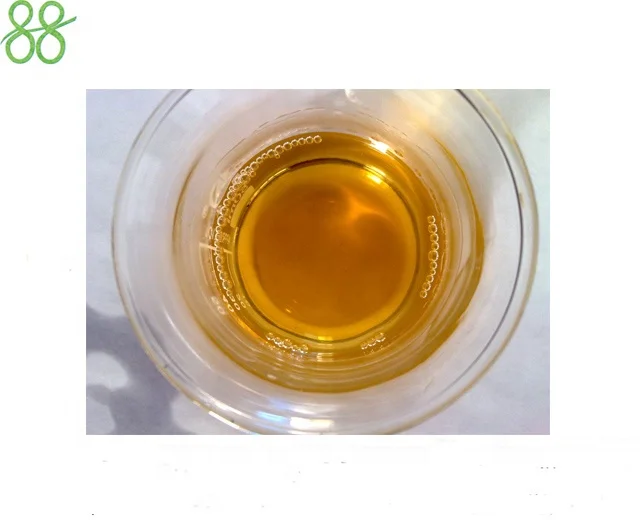
Product Name | Azadirachtin |
Function | Insecticide |
Specification | 0.1%-0.3% EC, 1000-3000 ppm |
Chemical Name | [2aR-[2aa,3b,4b(1aR*,2S*,3aS*,6aS*,7S*,7aS*),4ab,5a,7aS*,8b(E),10b,10aa,10bb]]-10-(acetyloxy)octahydro-3,5-dihydroxy-4-methyl-8-[(2-methyl-1-oxo-2-butenyl)oxy]-4-(3a,6a,7,7a-tetrahydro-6a-hydroxy-7a-methyl-2,7-methanofuro[2,3-b]oxireno[e]oxepin-1a(2H)-yl)-1H,7H-naphtho[1,8-bc:4,4a-c']difuran-5,10a(8H)-dicarboxylate |
CAS No. | 11141-17-6 |
Empirical Formula | C35H44O16 |
|
|
Toxicology | Oral Acute oral LD50 for rats >5000 mg/kg. Skin and eye Acute percutaneous LD50 for rabbits >2000 mg/kg. No skin irritation; slight eye irritation (rabbits). Slight skin sensitisation (guinea pigs). Inhalation LC50 for rats 0.72 mg/l. Toxicity class EPA (formulation) IV |
Applications | Mode of action Disrupts insect moulting. Fungicidal and miticidal properties of the hydrophobic extract derive from physical smothering and desiccation. Uses Neem tree extracts, and formulations are used for control of whitefly, leaf miners and other pests including pear psylla. Neem extracts also show anti-feedant and repellent properties, which have been shown to be due to other chemicals such as salannin. A hydrophobic extract shows nematicidal and fungicidal activity. Dihydroazadirachtin is under development as an insecticide. Formulation types EC. |
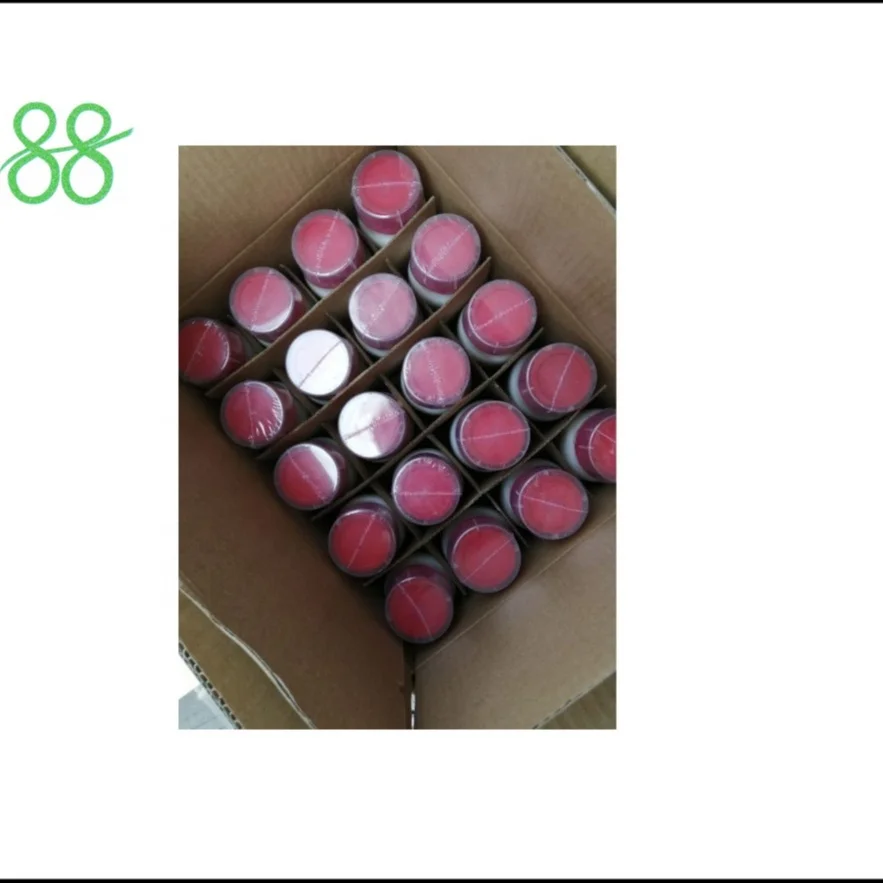
Package | 25KG/Drum, 20L/Drum, 12L/Carton, etc |
Packaging & Shipping


We Recommend
New Arrivals
New products from manufacturers at wholesale prices