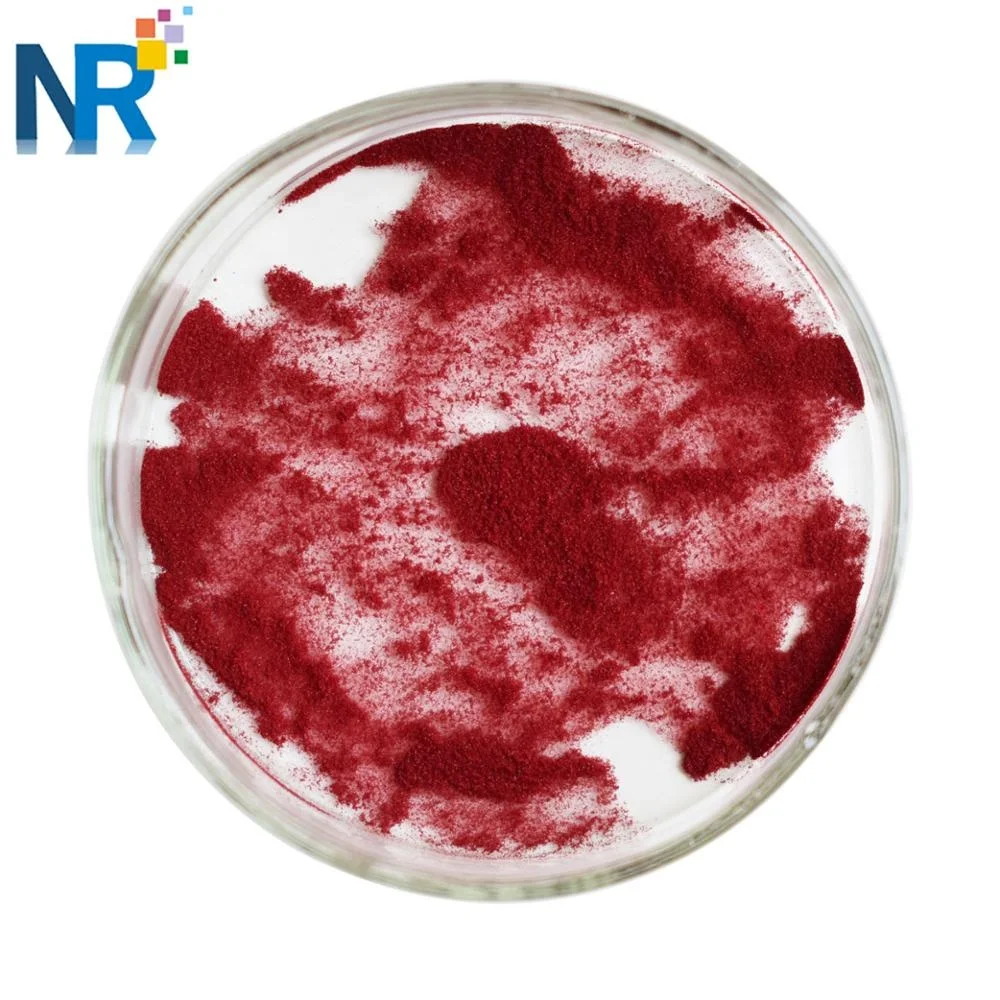
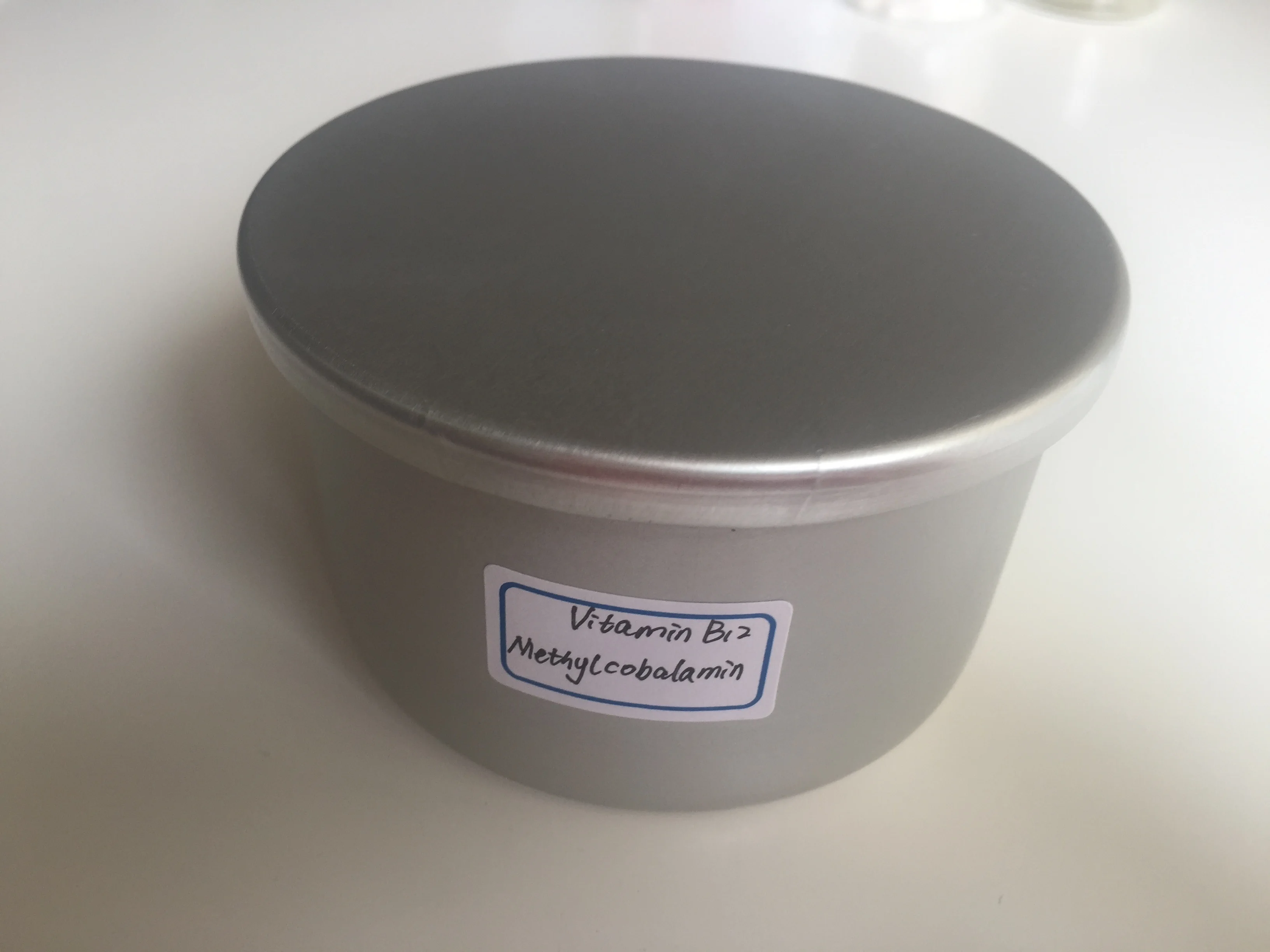
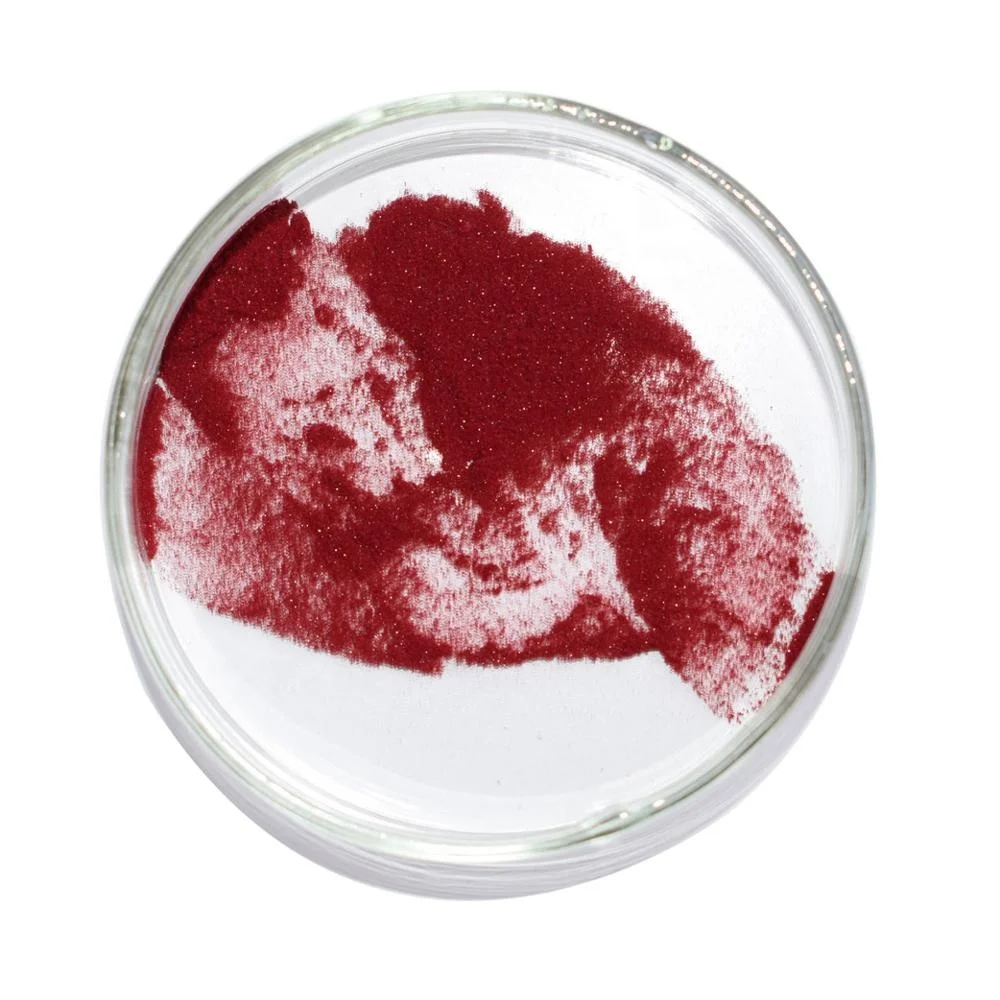
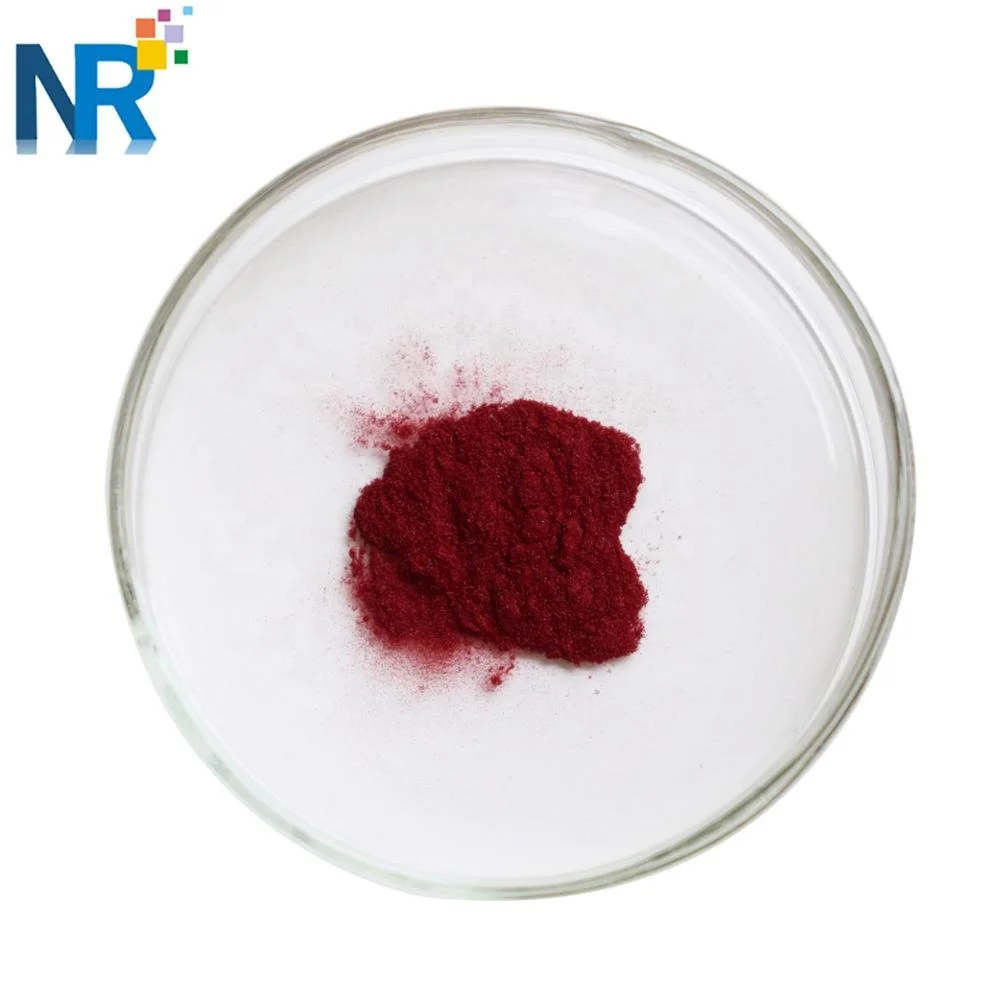
Vitamin B12, vitamin B-12, also called cobalamin, is a water-soluble vitamin with a key role in the normal functioning of the brain and nervous system, and for the formation of blood. It is one of the eight B vitamins. It is normally involved in the metabolism of every cell of the human body, especially affecting DNA synthesis and regulation, but also fatty acid synthesis and energy production. Neither fungi, plants, nor animals are capable of producing vitamin B12. Only bacteria and archaea have the enzymes required for its synthesis, although many foods are a natural source of B12 because of bacterial symbiosis
Methylcobalamin
Synonyms: Mecobalamin; vitamin b12; Mecobalamin
Molecular Structure:
CAS No. : 13422-55-4
Purity: 99%
Solubility: water-soluble freely
The Spec Sheet of Methylcobalamin
Items
Specification
Results
Appearance
Dark red crystalline powder or crystals
Complies
Identification
(1)UV:Compare the spectrum with the reference spectrum,Both spectraexhibit similar intensities of absorption at the same wavelengths
Complies
(2)Chemical:meets JP requirements
Complies
Purity
(1)Clarity and color of solution
Solution is clear and red color
Complies
(2)Related substances
Each area of the peaks other than mecobalamin is not larger than 0.5% of the peak area of mecobalamin
Complies
The total area of the peaks other than mecobalamin is not larger than 2.0%
0.88%
Water
≤11.5%
5.58%
Assay
≥98.5%
100.31%
Residual solvents
Acetone≤0.5%
<0.00025%
Total Plate count
≤800cfu/g
<10cfu/g
Yeast and Molds
≤80cfu/g
<10cfu/g
E.coli
Negative
Complies
Function-Application
1. Promoting methyl transfer
2. Promote the development and maturation of red blood cells, keep the hematopoietic function in normal state, prevent malignant anemia, and maintain the health of nervous system.
3. Existing in the form of coenzyme can increase the utilization rate of folic acid and promote the metabolism of carbohydrates, fats and proteins.
4. It has the function of activating amino acids and promoting the biosynthesis of nucleic acids. It can promote the synthesis of proteins. It plays an important role in the growth and development of infants and young children.
5. Metabolize fatty acids so that fat, carbohydrates and proteins can be properly used by the body.
6. Eliminate irritability, concentrate attention, enhance memory and sense of balance
7. It is a vitamin indispensable to the functional integrity of the nervous system and participates in the formation of a lipoprotein in nerve tissue