factory supply high purity medicine grade prilocaine base powder raw powder
US $100.00-$191.00

Share on (62250766167):
Stock supply 5 Aminolevulinic Acid Hydrochloride 5 ALA HCL
5 ALA
5 ALA HCL
5 Aminolevulinic Acid HCL
5 Aminolevulinic Acid Hydrochloride

[English name]: 5-Aminolevulinic acid hydrochloride
[CAS number]: 5451-09-2
[Molecular formula]: C5H9NO3·HCl
[Molecular weight]: 167.59
[chemical name]: 5-aminolevulinic acid hydrochloride
[product nickname]: 5-aminolevose hydrochloride; Β-aminolevulinic acid hydrochloride; 5-amino-fructose hydrochloride; 5-aminolevulinic acid hydrochloride; 5-aminolevose; 5-aminolevulinic acid; DELTA-aminolevulinic acid hydrochloride; aminolevulinic acid; 5-aminoacetic acid propionic acid hydrochloride
[Main components]: 5-ALA
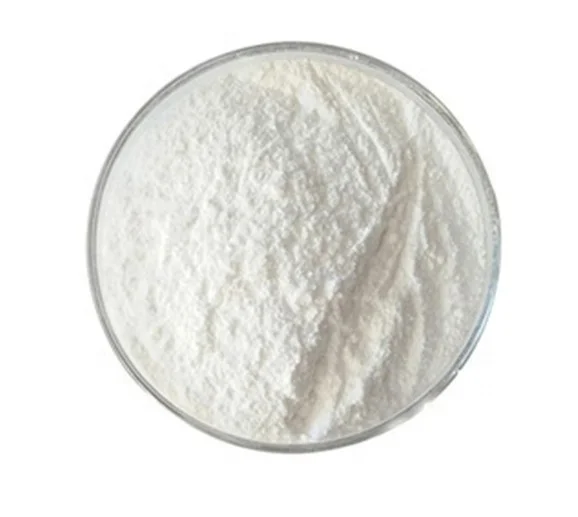
[Appearance]: White crystal powder
[Physical properties]: It is hygroscopic. Sensitive to light. Soluble in water and ethanol, very slightly soluble in ethyl acetate. The temperature of 144 ~ 147 ° C (decomposition). The maximum absorption wavelength (in water) is 266.5 nm (ε 23.0). Irritating.
[source of raw materials]: synthesis
[Application direction]: raw materials
[Supply specifications]: 5-ALA 99%; 5-ALA methyl ester 98%;
[Test method]: HPLC
[Storage method]: Store in a cool dry place, avoiding light and avoiding high temperature.


|
ANALYSIS |
SPECIFICATION |
RESULTS |
|
Appearance |
Almost white powder |
Almost white powder |
|
Identification |
FT-IR, HPLC, NMR, Mass |
|
|
Assay |
98.0%-102.0% |
99.86% |
|
Loss on drying |
≤1.0% |
0.71% |
|
Residue on ignition |
≤0.5% |
0.15% |
|
Melting point |
149°C --160°C |
156.3°C --158.5°C |
|
Heavy metals |
≤20ppm |
Complies |
|
Iron |
≤20ppm |
Complies |
|
Bacteria endotoxins |
≤0.4 USP EU/mg |
0.2 EU/mg |
|
|
|
|
|
Impurities |
|
|
|
Any other single impurity |
≤0.3% |
Complies |
|
Total impurities |
≤1.0% |
0.08% |
|
|
|
|
|
Microbial Limits |
|
|
|
Total aerobic microbial count |
≤100 cfu/g |
Confirm |
|
Staphylococcus aureus |
Absence |
Absence |
|
Pseudomonas aeruginosa |
Absence |
Absence |
|
Salmonella species |
Absence |
Absence |
|
Escherichia Coli |
Absence |
Absence |


ALA is a second-generation photosensitizer that has just been developed in recent years and is a Photodynamic Therapy (PDT) drug. Photodynamic therapy refers to an emerging treatment that produces a therapeutic effect after exposure to a certain wavelength of light. It is the fourth mature treatment method in addition to surgery, radiotherapy and drug therapy.
Photofrin is a photodynamic therapy that was officially launched in the early days and was approved by the Canadian government in 1993. At present, there are three main types of photodynamic therapy drugs used in China: 1. HPD (Hematoporphyrin Derivative): an early application of photosensitizer, a derivative of hematoporphyrin; 2. YHPD: a similar substance of photofrin II (Photofrin II) 3. PsD-007: Also known as cancer photoporphyrin. These three drugs are not pure, excreted slowly in the body, prone to phototoxic reactions, need to be skin test before administration, need to avoid light for one month after treatment, these side effects greatly limit the clinical application of drugs. ALA is the second-generation photodynamic therapeutic drug (photosensitizer) that has been found in recent years. It is an endogenous substance of organisms and a precursor of animal heme and plant chlorophyll biosynthesis. The metabolic pathways in the body are as follows: The protoporphyrin IX is a photosensitizer, which undergoes a chemical reaction under a certain wavelength of light to generate new ecological oxygen, causing damage to cell membranes, mitochondria and nucleic acids, and causing tumor cells or other proliferation. Active cell necrosis and apoptosis. Thereby playing a role in the treatment of disease. Under normal circumstances, the body feedbacks ALA synthase through the intracellular heme content, and controls the amount of ALA produced, so there is no excessive ALA accumulation in the body, but when the exogenous ALA enters the body, it can be tumor cells and other malignant. The selective absorption of cells causes an accumulation of excess protoporphyrin IX in the cells to produce a therapeutic effect under a certain wavelength of illumination.
As a photosensitizer, ALA can be used in a wide range of applications, such as acne, actinic keratosis, various skin diseases, bladder cancer, condyloma acuminatum, upper gastrointestinal cancer, rectal cancer, breast cancer, port wine stain, age-related macular degeneration. , the treatment of diseases such as rheumatoid arthritis. For example, the cure rate for basal cell carcinoma is 91%, and the cure rate for acne is over 95%. The treatment of bladder cancer and psoriasis, which is considered to be ill, has achieved satisfactory results. At present, ALA has been officially approved for listing abroad: In September 2000, the United States officially approved DUSA's Levulan (20% 5-ALA hydrochloride solution), and Norway Photocure Pharmaceutical Company's trade name is Metivex, which was first in 2001. It was listed on the European Community market in the first quarter and applied for listing in Australia, New Zealand and other countries.
The main advantages of ALA:
1. Side effects are small. Since ALA is an endogenous substance of the human body, its metabolic pathway is the synthesis of heme, so the intermediate metabolites are absent. After exogenous ALA enters the human body, in addition to participating in this normal metabolic pathway, it can be excreted from the urine and no obvious. Therefore, the phototoxicity of ALA is small, and it is only necessary to avoid strong light for 24 hours after administration. The first generation of photosensitizer products have a large phototoxic effect, and it is necessary to avoid strong light for one month after administration.
2. Good permeability and exact curative effect. When treated with the first generation of photosensitizer, the wavelength of the illumination light is blue, the wavelength is short, and the permeability to the tissue is not enough. When the ALA is used, the wavelength of the illumination wave is red, the permeability is good, and the lesion is deep in the tissue. The effect is exact. 3. ALA has a wide range of adaptations and can be used for the treatment of many diseases.
4. Obvious price advantage: ALA's production raw material cost is much lower than any of the three existing drugs in China, which provides a broad prospect for promotion and application.

 |
 |
 |


Stock supply 5 Aminolevulinic Acid Hydrochloride 5 ALA HCL
5 ALA
5 ALA HCL
5 Aminolevulinic Acid HCL
5 Aminolevulinic Acid Hydrochloride


Stock supply 5 Aminolevulinic Acid Hydrochloride 5 ALA HCL
5 ALA
5 ALA HCL
5 Aminolevulinic Acid HCL
5 Aminolevulinic Acid Hydrochloride


New products from manufacturers at wholesale prices