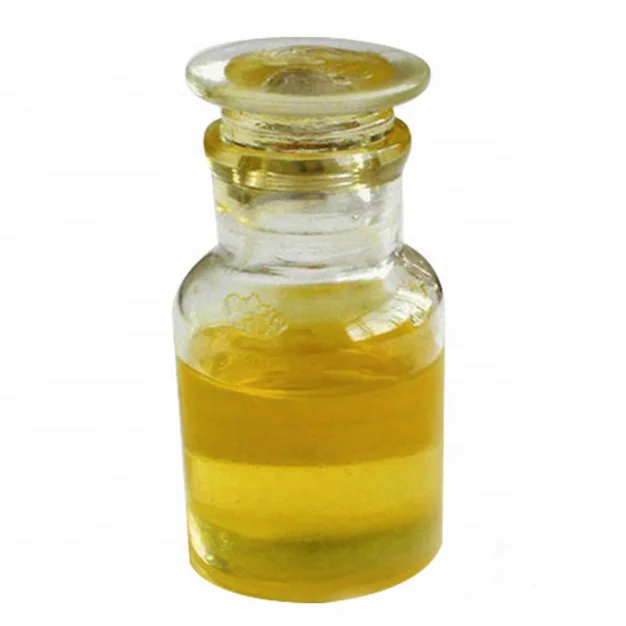
Food grade phytic acid
- Category: Preservatives >>>
- Supplier: Jinan Grace Industry Co. Ltd.
Share on (62291599733):
Product Overview
Description
Chinese name: Phytic acid
Nickname: inositol hexaphosphate; cyclohexanol phosphate
Chemical formula: C6H18O2 4P6
Molecular weight: 660.04CAS
Login number: 83-86-3
[Boiling Point] 105 degrees C at 760 mmHg
[Flash point] 673.9 degrees C.
Pale yellow to pale brown slurry liquid
[Solubility] soluble in water, ethanol and acetone, almost insoluble in ether, benzene and chloroform.
Application:
Phytic acid, as chelating agent, antioxidant, fresh-keeping agent, water softener, fermentation promoter, metal anticorrosive agent, is widely used in food, paint and coatings, daily chemical industry, metal processing, textile industry, plastic industry and polymer industry.
Food industry is used for preservation and color protection of fruits, vegetables and aquatic products, as well as metal rust and corrosion inhibitors.
Phytic acid is an important organic phosphorus additive with unique physiological function and chemical properties. It has been widely used in food, metal anticorrosion, daily chemical industry and plastic processing industries. In food: antioxidants, color stabilizers, liquor stabilizers, stabilizers
1. According to the "Hygienic Standard for Food Additives GB2760-86 Supplementary Varieties" issued by the Ministry of Health, the reference dosage of phytic acid for shrimp fresh-keeping of aquatic products is 0.05%-0.1% water solution as refrigerant. In Japan, 0.1-0.5% phytic acid is used in shellfish canned to prevent blackening. Fish is treated with 0.3% phytic acid at 100 (?) for two minutes. Fish body discoloration, with 0.01-0.05% phytic acid mixed with trace citric acid solution, can be used as fruit and vegetable, flower preservative, the effect is very good.
2. Application of Canned Food
Adding phytic acid to canned food can achieve stable color protection effect.
Adding trace phytic acid to canned fish, shrimp, squid and other aquatic products can prevent the formation of bird droppings (glass magnesium ammonium phosphate crystallization). Phytic acid is called "struvite" preventive agent abroad, which has been widely used in canned food. The dosage was 0.5-0.5%.
3. Application in Beverage Production
Add 0.01-0.05% phytic acid to beverage
4. Antioxidants
A 50% phytic acid and three parts sorbitolic acid (hydrophilic/lipophilic value 4.3) were mixed and 0.2% of them were added into vegetable oil. The antioxidant activity was excellent. Phytic acid can prevent the decomposition of hydrogen peroxide (hydrogen peroxide), so it can be used as storage stabilizer of hydrogen peroxide.

We Recommend

Food Grade Preservative Polylysine 99% natural polylysine Hcl
US $200.00-$300.00


Food Grade Preservative Nisin Powder Pure Nisin
US $50.00-$80.00
Casein industrial grade casein acid casein
US $670.00-$740.00

beef gelatin powder 160 bloom
US $2.00-$6.00
New Arrivals
New products from manufacturers at wholesale prices