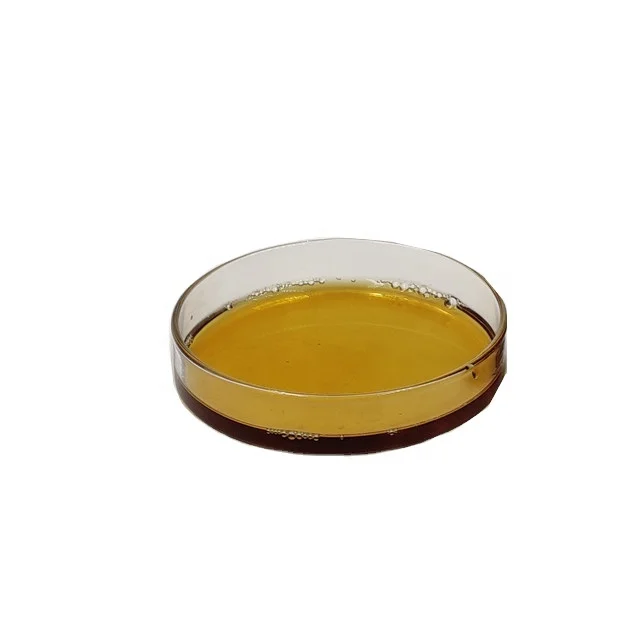
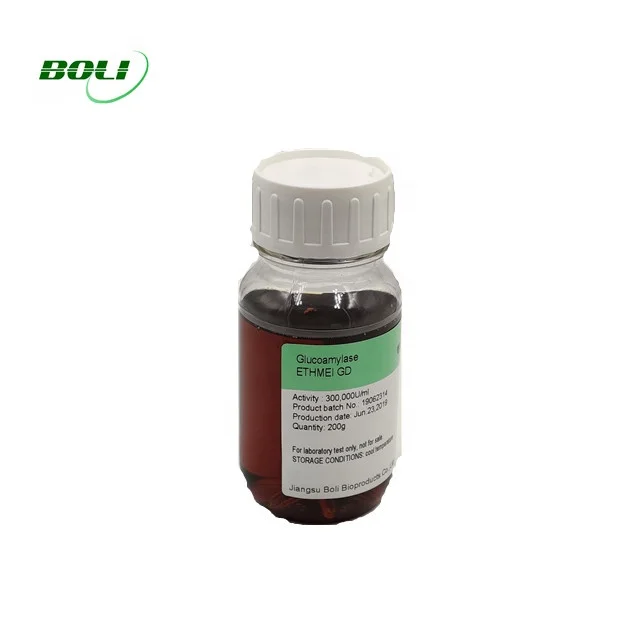
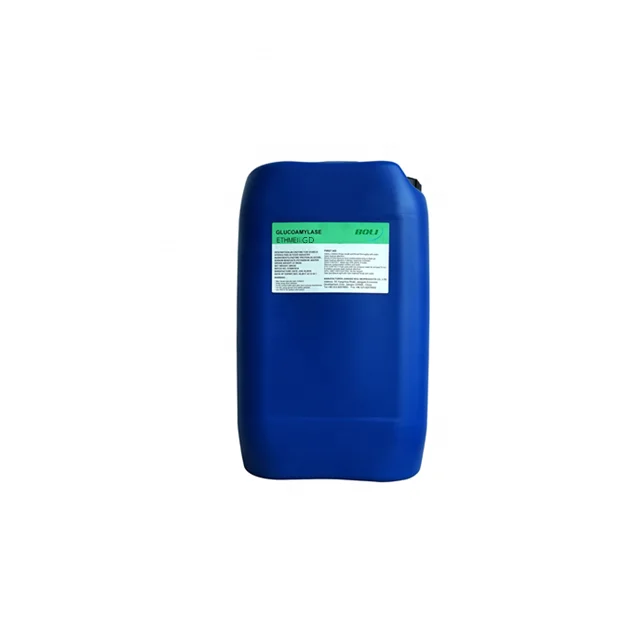
Liquid Glucoamylase Enzyme for Ethanol Industry
- Category: >>>
- Supplier: Jiangsu Boli Bioproducts Co. Ltd.
Share on (62297462853):
Product Overview
Description
PRODUCT DESCRIPTION
Glucoamylase ETHMEI GD is produced from strains of Aspergillus niger through submerged
fermentation, extraction and refining processes. ETHMEI GD has a high conversion rate from
starch substrates into fermentable sugars. It can hydrolyze alpha-D-1, 4 glucosidic bonds from the
non-reducing end of starch one after another. It can also hydrolyze the alpha-D-1, 6 glucoside
branch bonds of starch and cleaves the alpha-1, 3 bonds to release glucose.
With its robust glucoamylase activity, ETHMEI GD has found its wide application in the
saccharification for the production of ethanol.
EFFECT OF PH
ETHMEI GD can work at pH from 3.0 to 5.5. For maximum activity, its optimal pH range is 3.5 to
4.5. See Figure 1.
EFFECT OF TEMPERATURE
Generally, ETHMEI GD can work at temperatures from 30 to 65°C. Its optimal temperature
ranges from 55 to 60°C. See Figure 2.

APPLICATIONS AND BENEFITS
ETHMEI GD is used to saccharify the liquefied starches from various sources including corn, milo,
barley, wheat, rice, potatoes and tapioca. The resultant glucose is then fermented by yeasts to
yield ethanol.
For ground-grain processing plants using simultaneous saccharification fermentation (SSF),
ETHMEI GD may be added directly to the fermenter. For ground-grain dry mill plants and for
wet mill plants using a separate pre-saccharification step prior to fermentation, ETHMEI GD may
be added to the cooling mash or liquefied starch when the temperature reaches 55 to 60°C.
Temperatures above 65°C can result in loss of activity.
ETHMEI GD is designed to ensure the following benefits for ethanol production:
1.Improved performance in pre-saccharification process
2.Efficient starch/dextrin degradation
3.Increased fermentation rate
4.Less residual starch in distiller’s grains
5.Increased ethanol yields
DOSAGE GUIDELINES
ETHMEI GD is generally added at a level of 0.35 to 0.45kg/TDS. The actual dosage rate depends
on the raw materials, processing temperature, pH, reaction time, saccharification and
fermentation process at individual ethanol plants.
STORAGE
This enzyme has been formulated for optimal stability. Typical shelf-life is six months provided it
is stored below 25°C in its original packaging, sealed and unopened, protected from the sunlight.
Its shelf-life will be eighteen months if it is stored properly at 0~10°C. Prolonged storage
and/or adverse conditions such as higher temperatures may lead to a higher dosage
requirement.
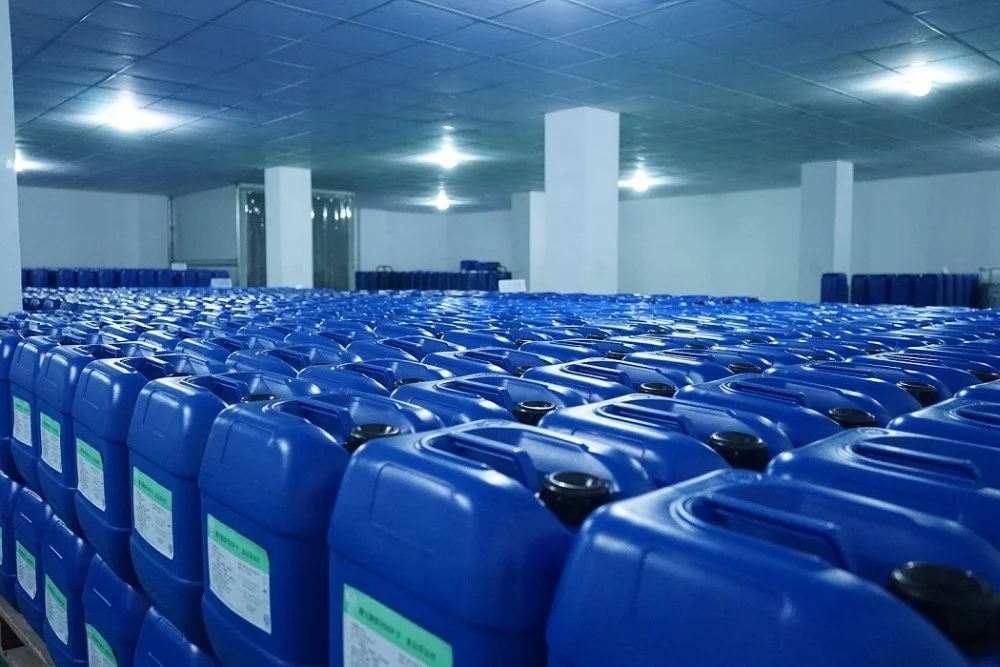
DETAILED IMAGES


We Recommend

New Arrivals
New products from manufacturers at wholesale prices