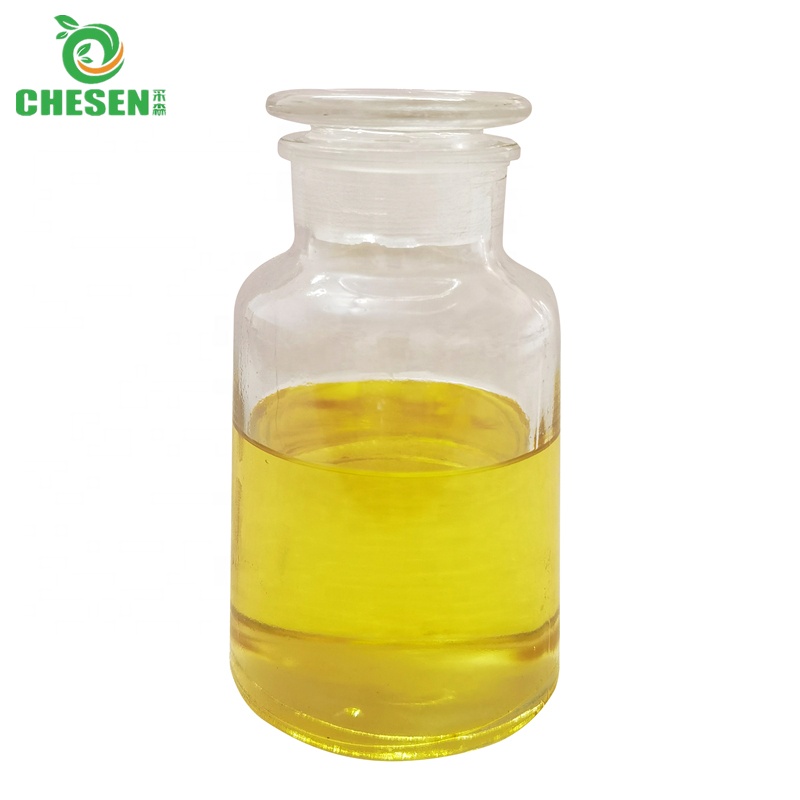
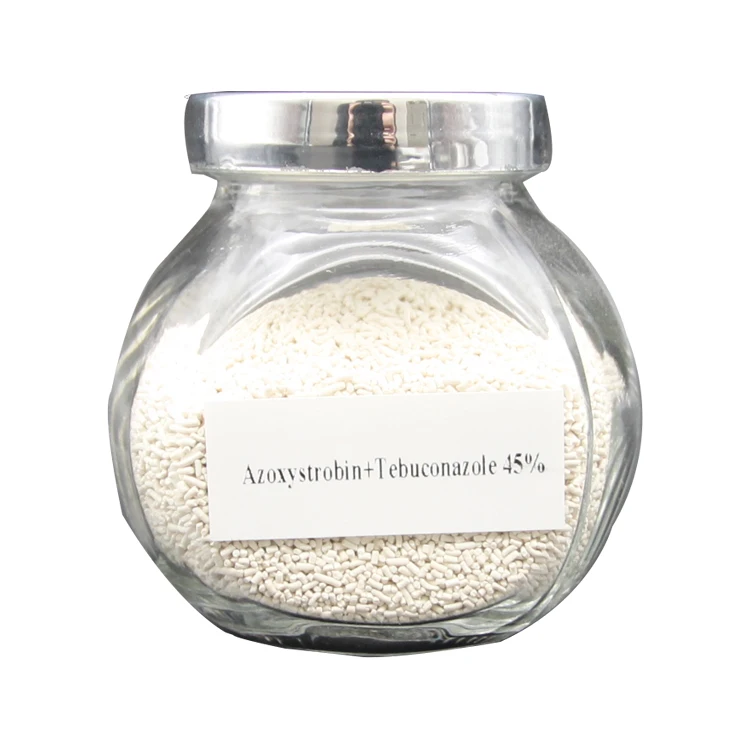
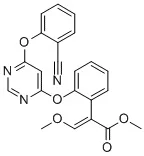
Azoxystrobin is a second broad-spectrum strobilurin fungicide (28,29). It forms white solids with a mp = 116 ?C; vp = 1.1 × 10?7 mPa at 25 ?C; logP = 2.5 at 20?C; water solubility = 6 mg/L; and a half-life of 11 to 17 days for aqueous photolysis.
Chemical Properties
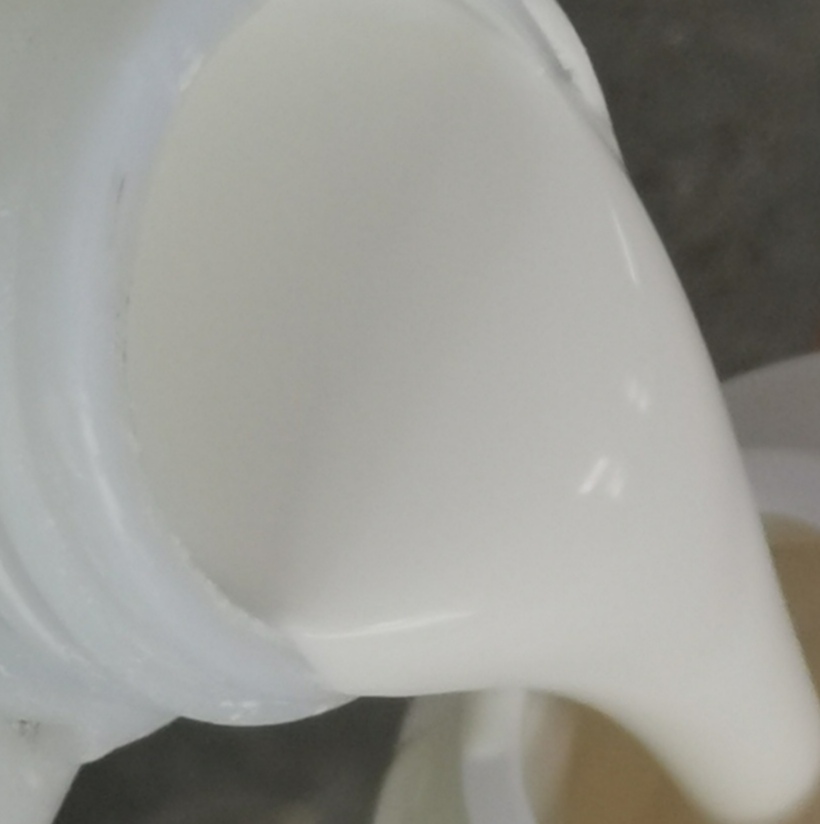
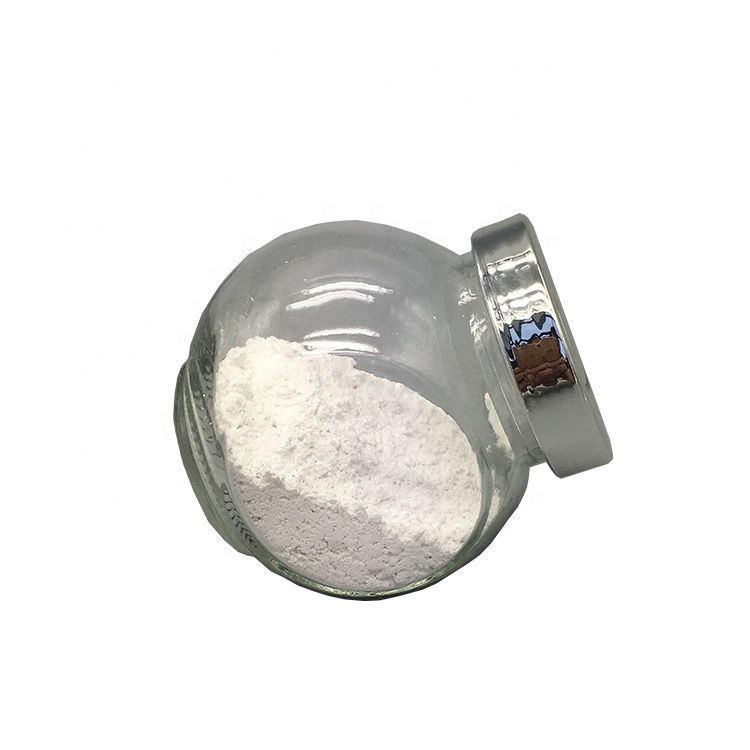
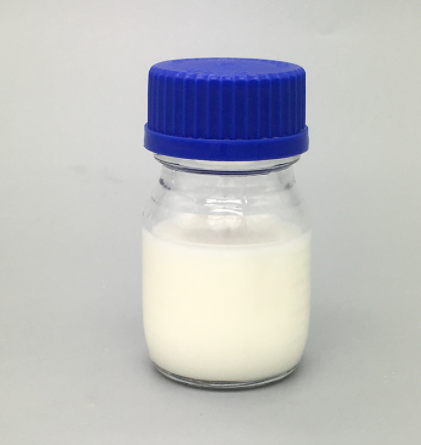
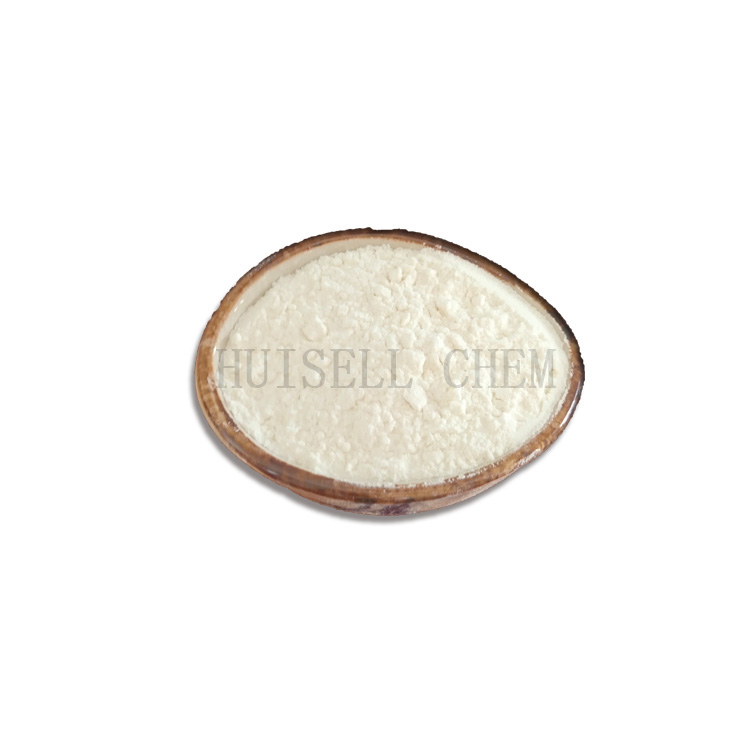
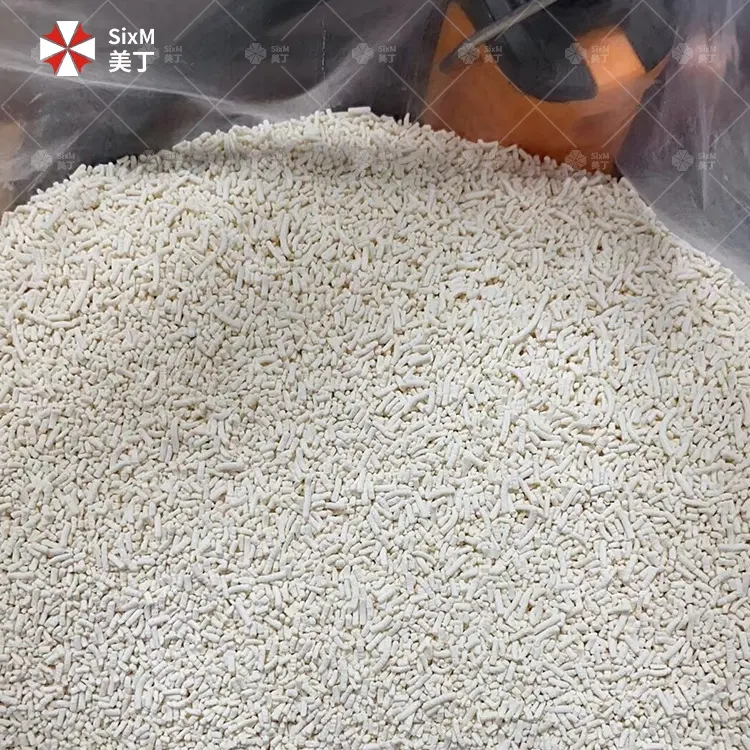
White to beige crystalline solid or powder.
Uses
Strobilurin fungicide; inhibits mitochondrial respiration by blocking electron transfer between cytochromes b and c1. Agricultural fungicide.
Azoxystrobin has a very broad spectrum of activity and is active against fungal pathogens from all four taxonomic groups, the Oomycetes, Ascomycetes, Deuteromycetes and Basidiomycetes. It controls diseases on cereals, rice, vines, apples, peaches, bananas, citrus, curcurbits, potatoes, tomatoes, peanuts, coffee and turf.
Agricultural Uses
Fungicide: Azoxystrobin has been processed as a Reduced Risk pesticide for Turf uses. Azoxystrobin is a systemic, broad-spectrum fungicide that was first introduced in 1998. It inhibits spore germination and is used on grape vines, cereals, potatoes, apples, bananas, citrus, tomatoes and other crops. Largest crop uses in California are on almonds, rice, pistachios, wine grapes, raisins and garlic. Among the diseases it controls are rusts, downey and powdery mildew, rice blast and apple scab. A U.S. EPA restricted Use Pesticide (RUP)
Safety Profile
Moderately toxic by inhalation.When heated to decomposition it emits toxic vapors ofNOx.
Toxicity evaluation
Azoxystrobin has an acute oral LD50 > 5,000 and an acute dermal LD50 > 2,000 mg/kg in rats. Azoxystrobin gives only slight skin and eye irritation and is nonmutagenic and nonteratogenic. Its NOEL is 18 mg/kg bw/day. It has no toxicity to birds in acute studies (LD50 > 2,000 mg/kg). It is harmless to other nontarget organisms (honey bees, earthworms, beneficial arthropods) due to low toxicity and rapid degradation in the environment, which minimizes exposure.
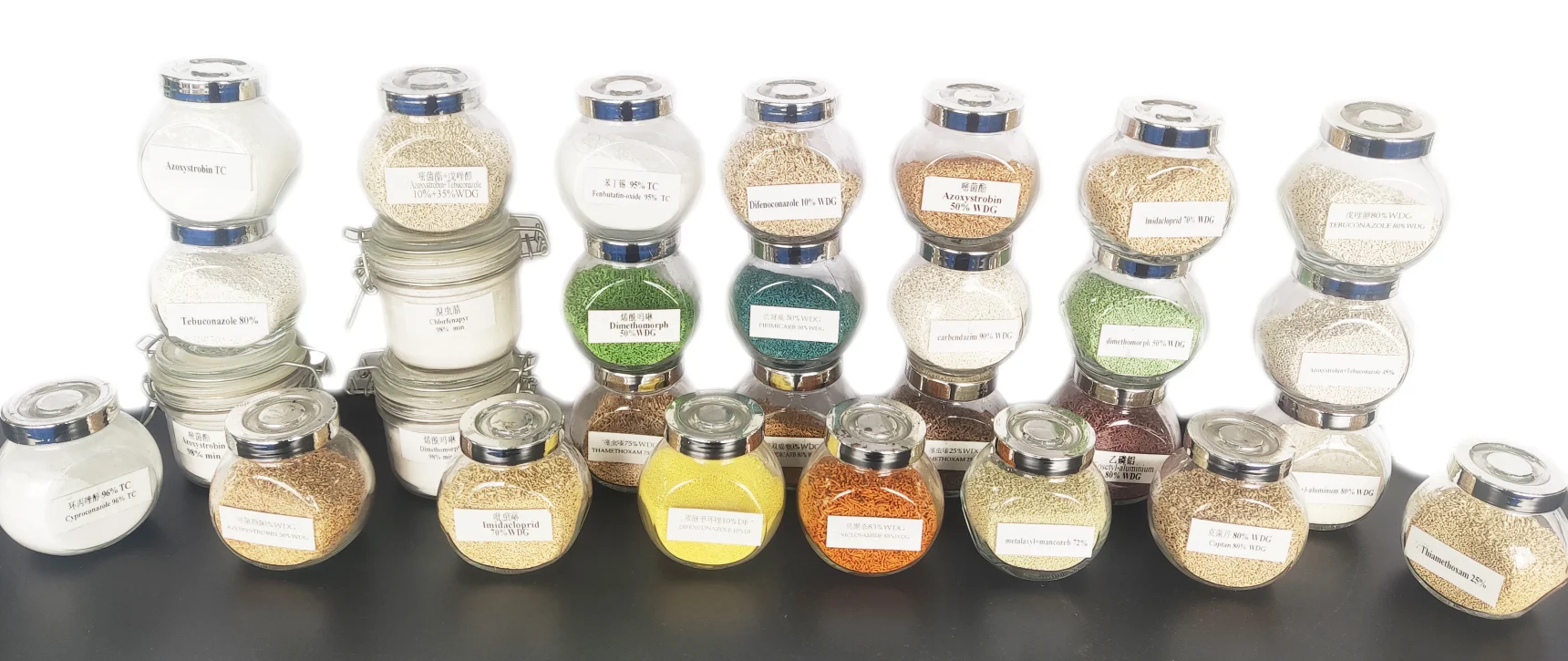
Recommend Products
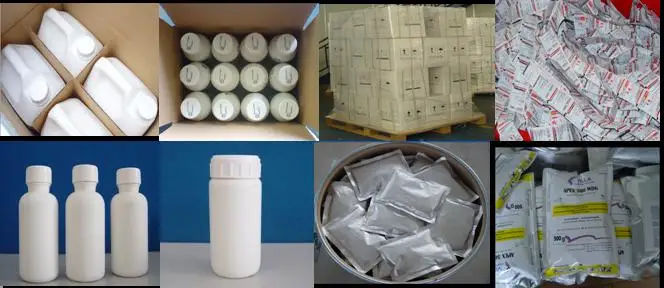
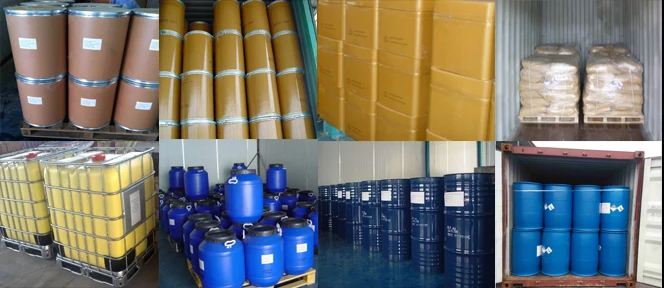
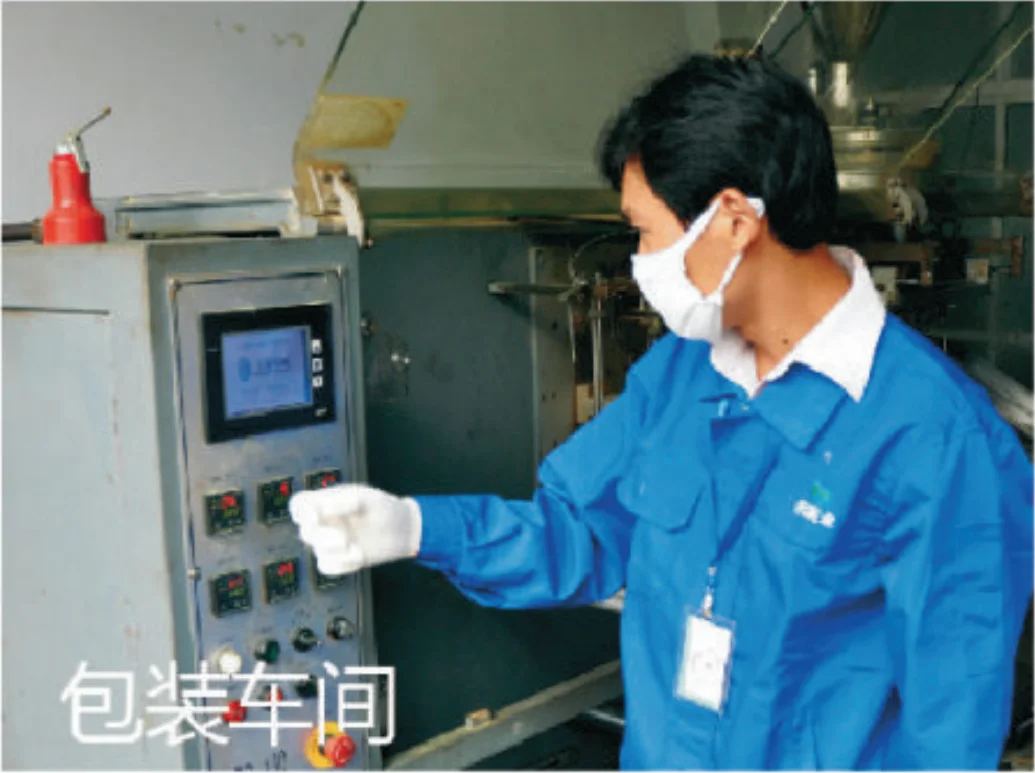
Packing & Delivery
Company Profile
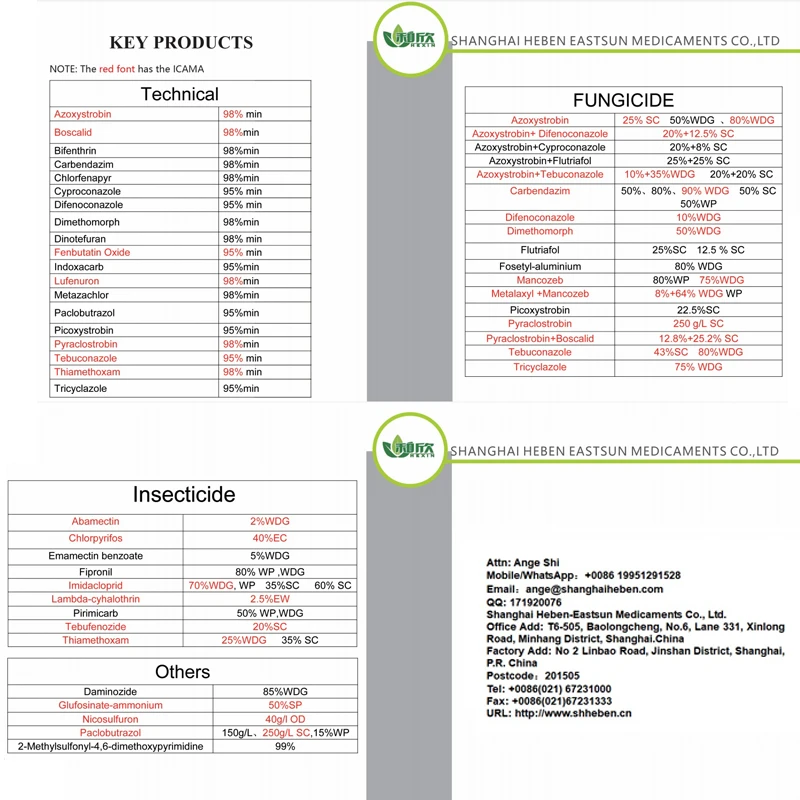
Shanghai Heben-Eastsun Medicaments Co., Ltd. is the designated manufacturer of Technical Material and Formulation authorized.
We are a high-tech innovative company specializing in the research and development of synthesis technology of pesticides as well as the optimization and development of the manufacturing technology of the related patented products.
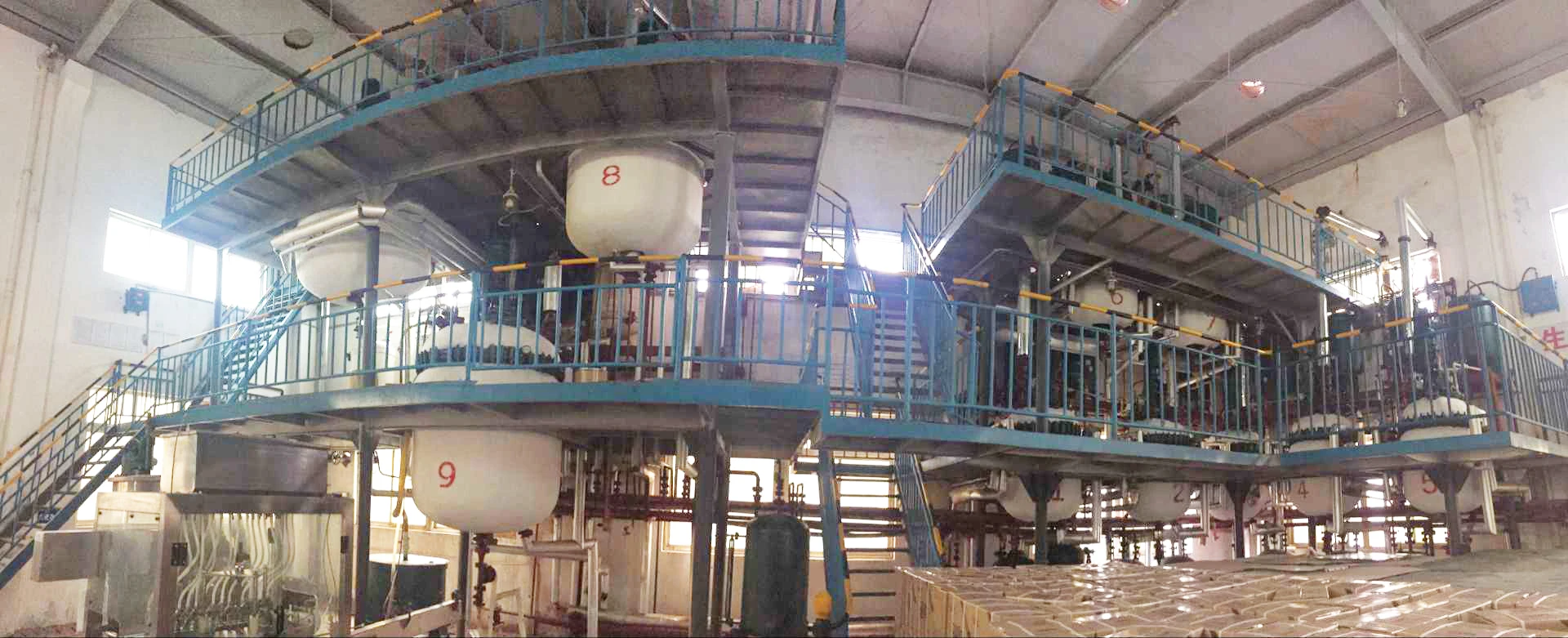
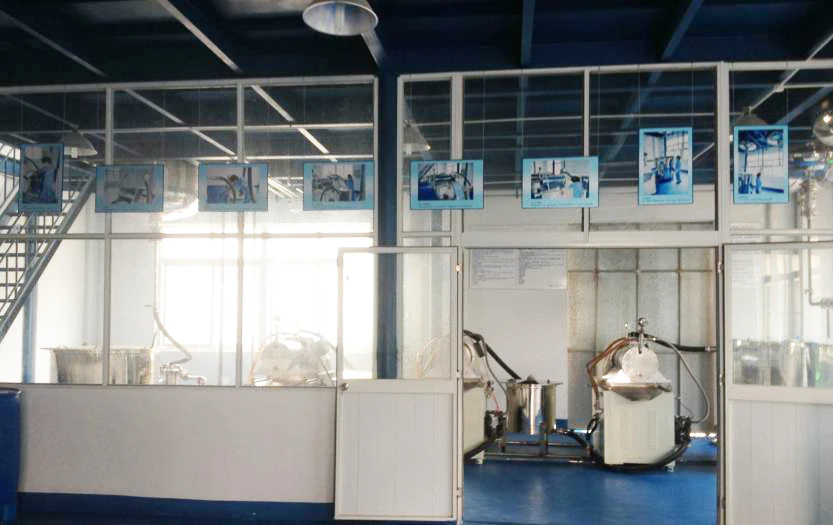
Now the corporation has three series of products: Insecticides, Fungicides and Growth Regulators; owns many complete production lines manufacturing WDG, SC and WP, with an annual production capacity of processing 3,000 tons of WDG and 10,000 tons of SC.
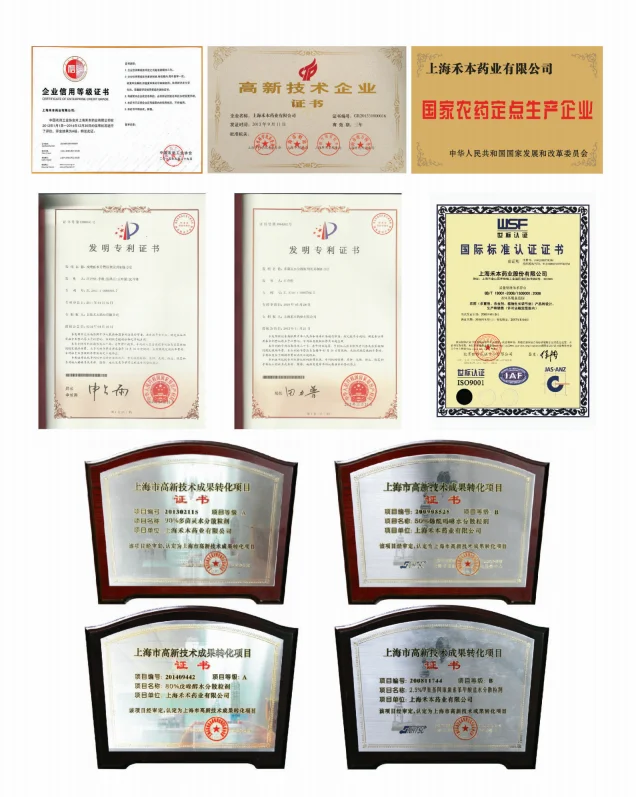
The corporation was certified to ISO 9001 Quality Management System in 2005. Our products have been widely sold to 58 countries, such as Italy, Spain, Costa Rica, Argentina, New Zealand.
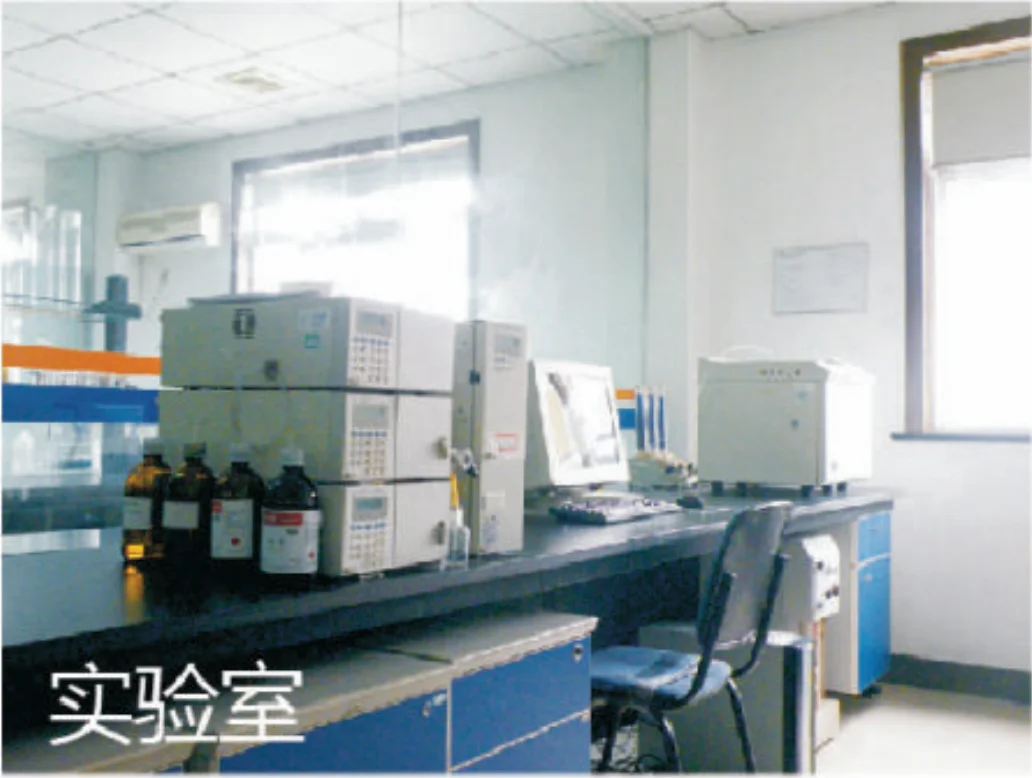
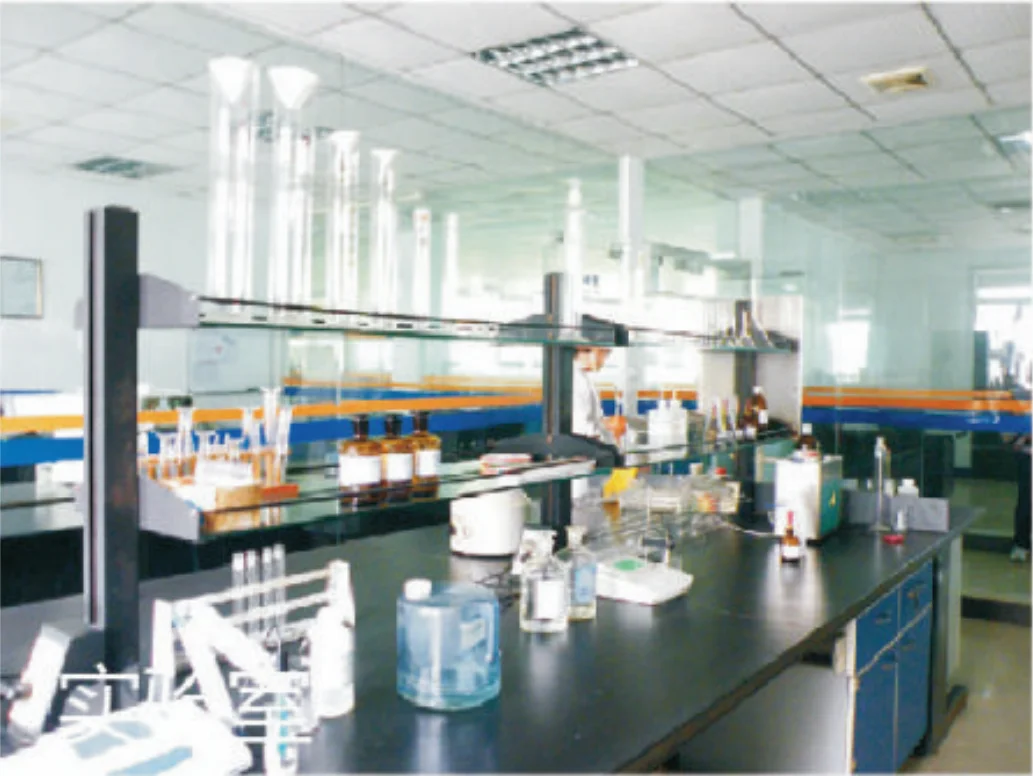
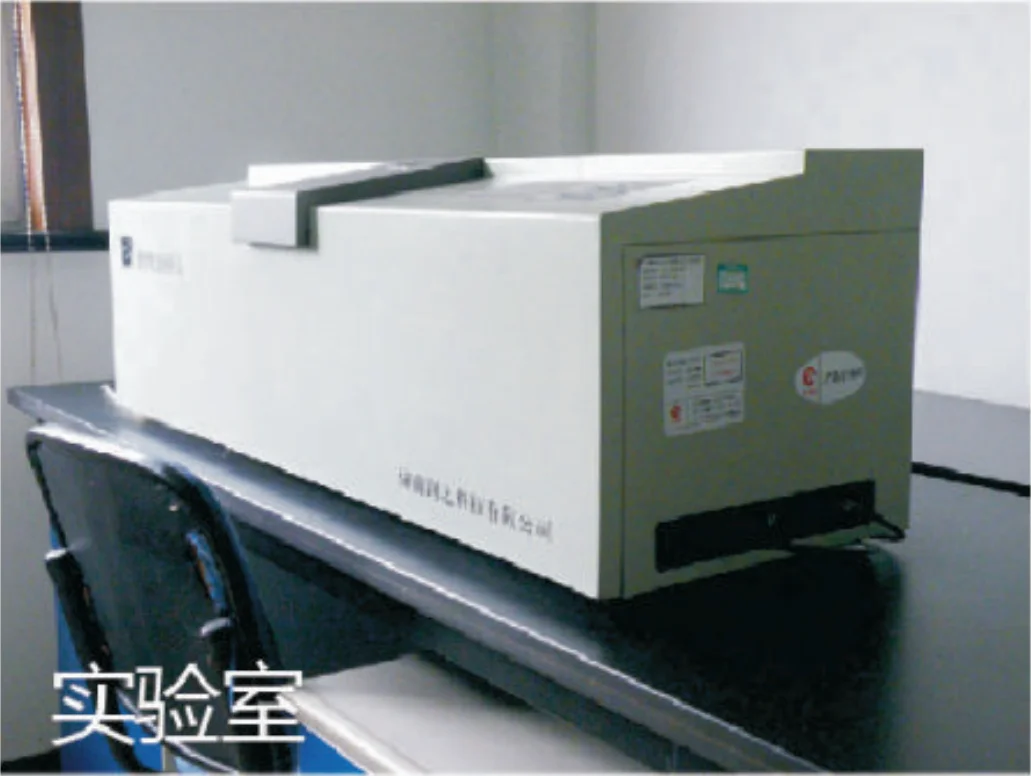
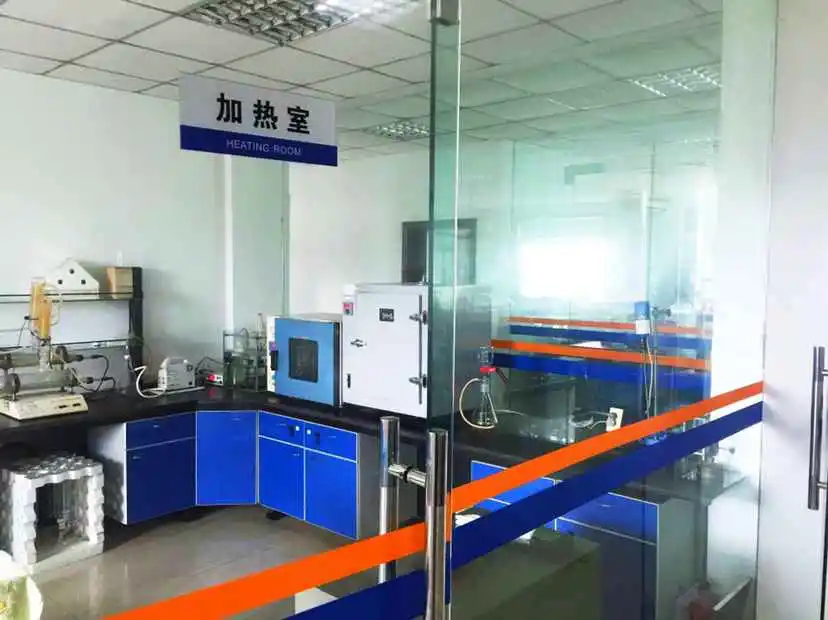
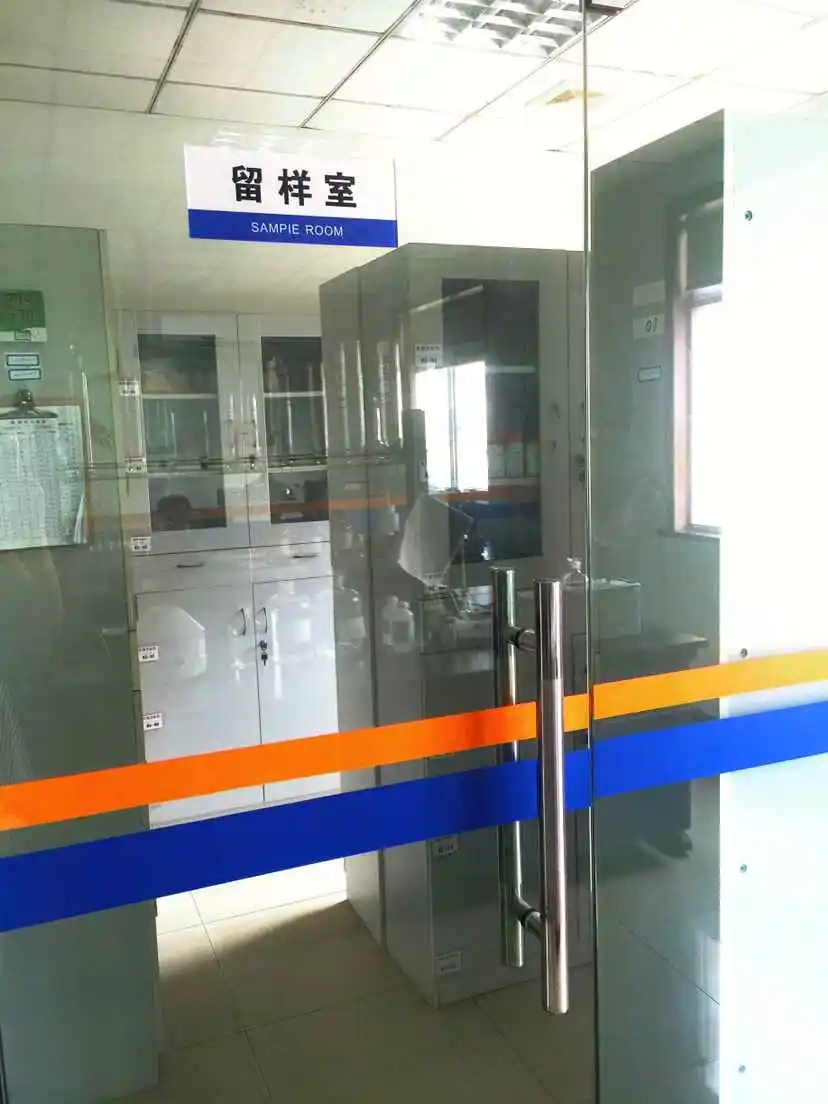
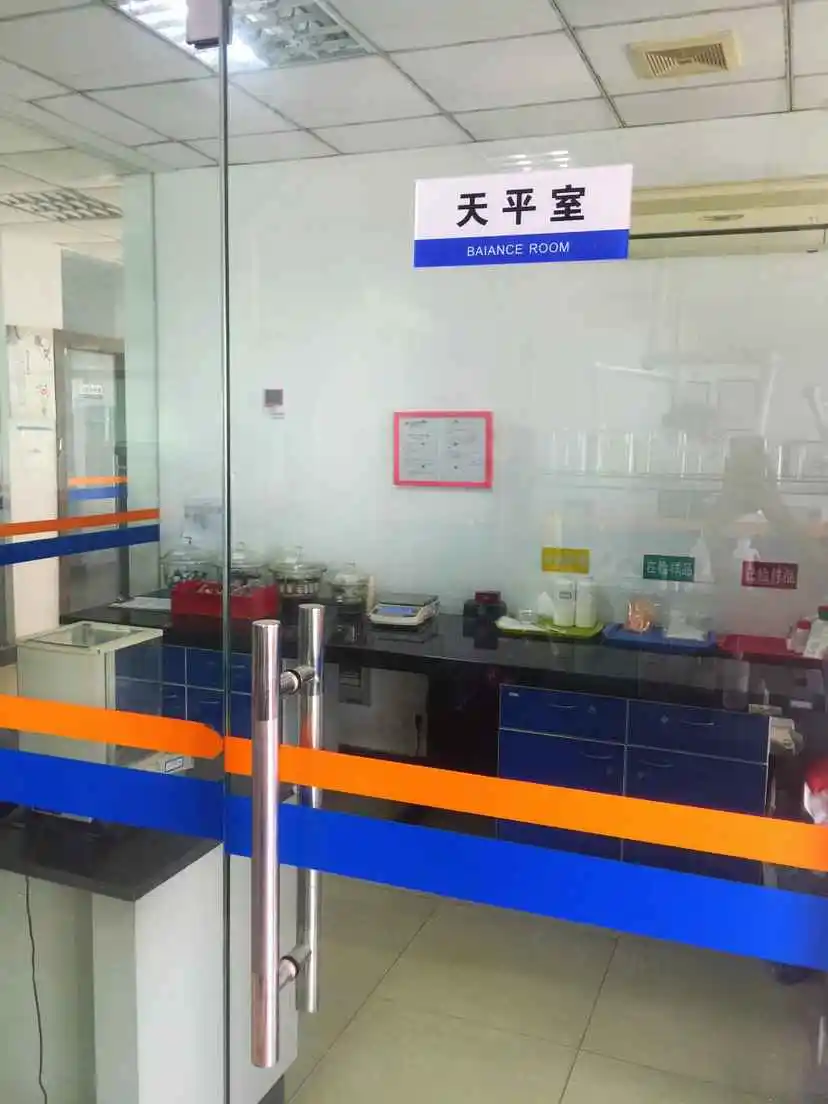
Laboratory
Quality Control
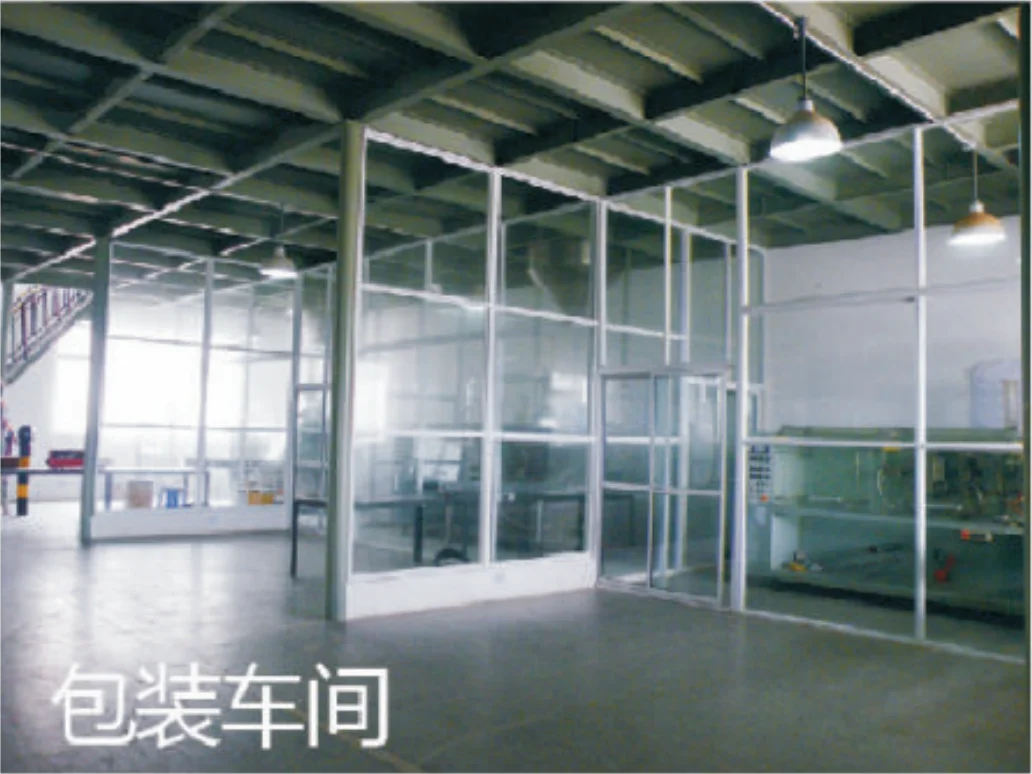
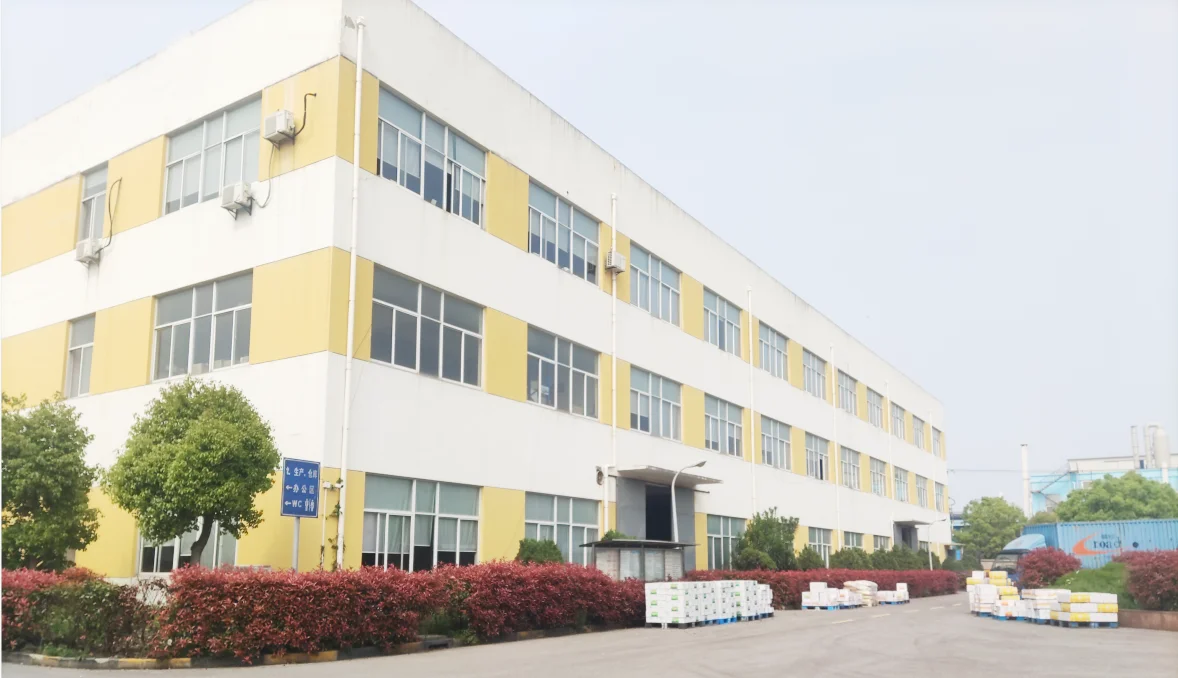
Plant
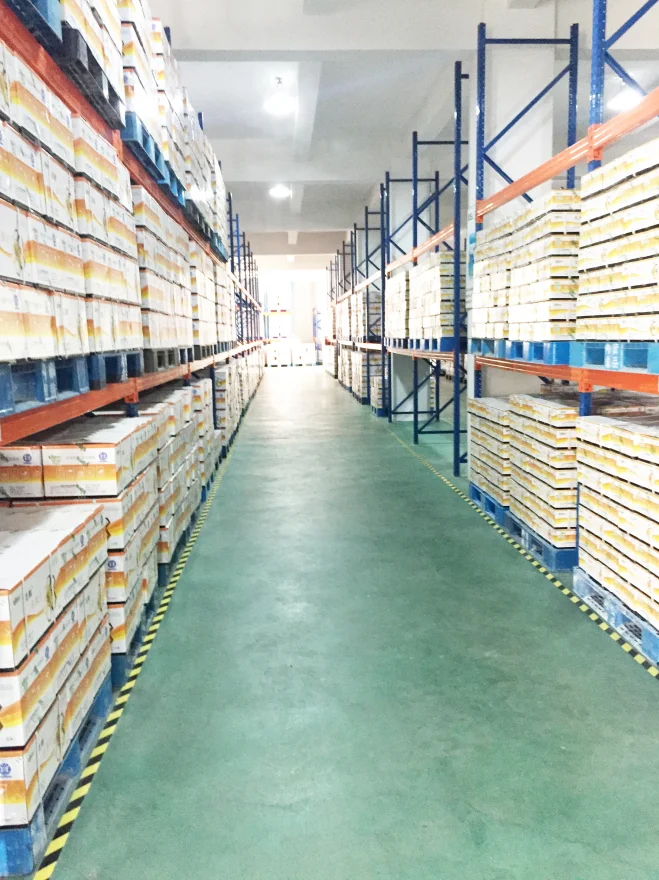
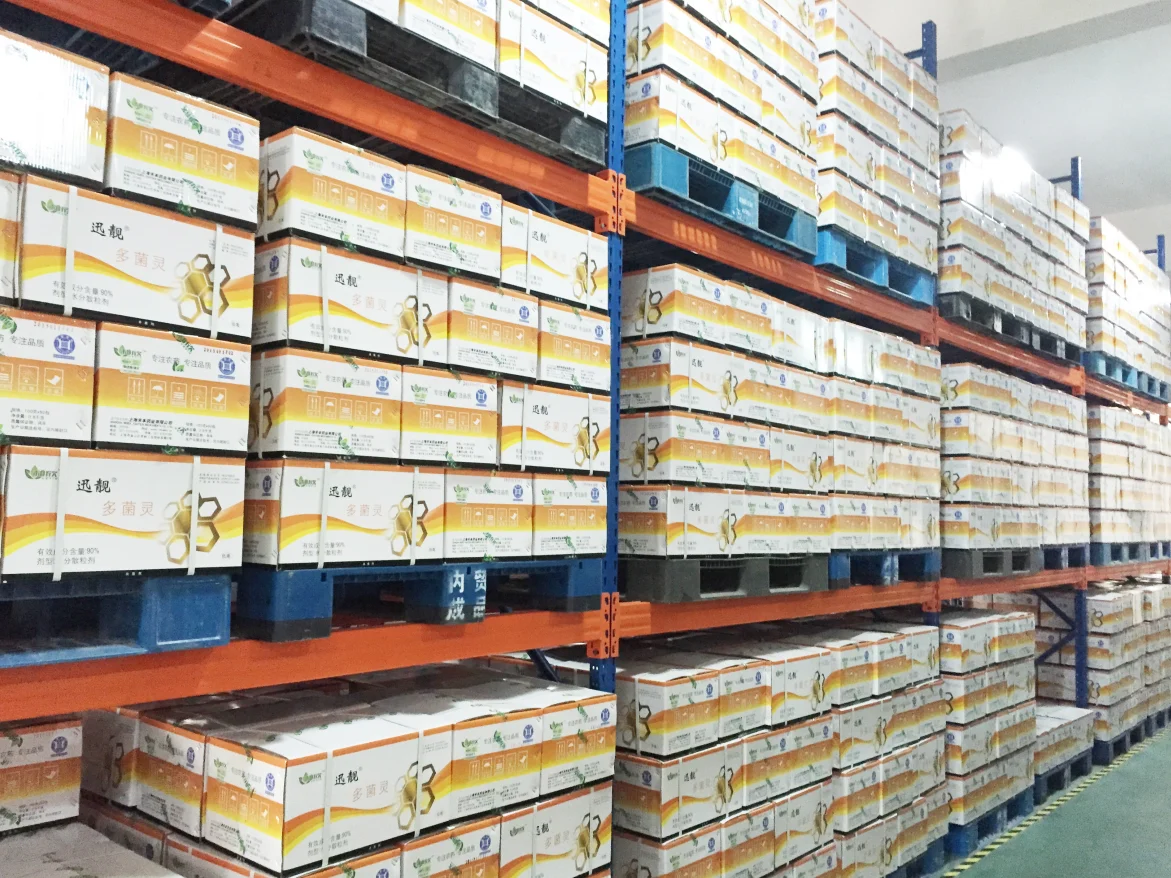
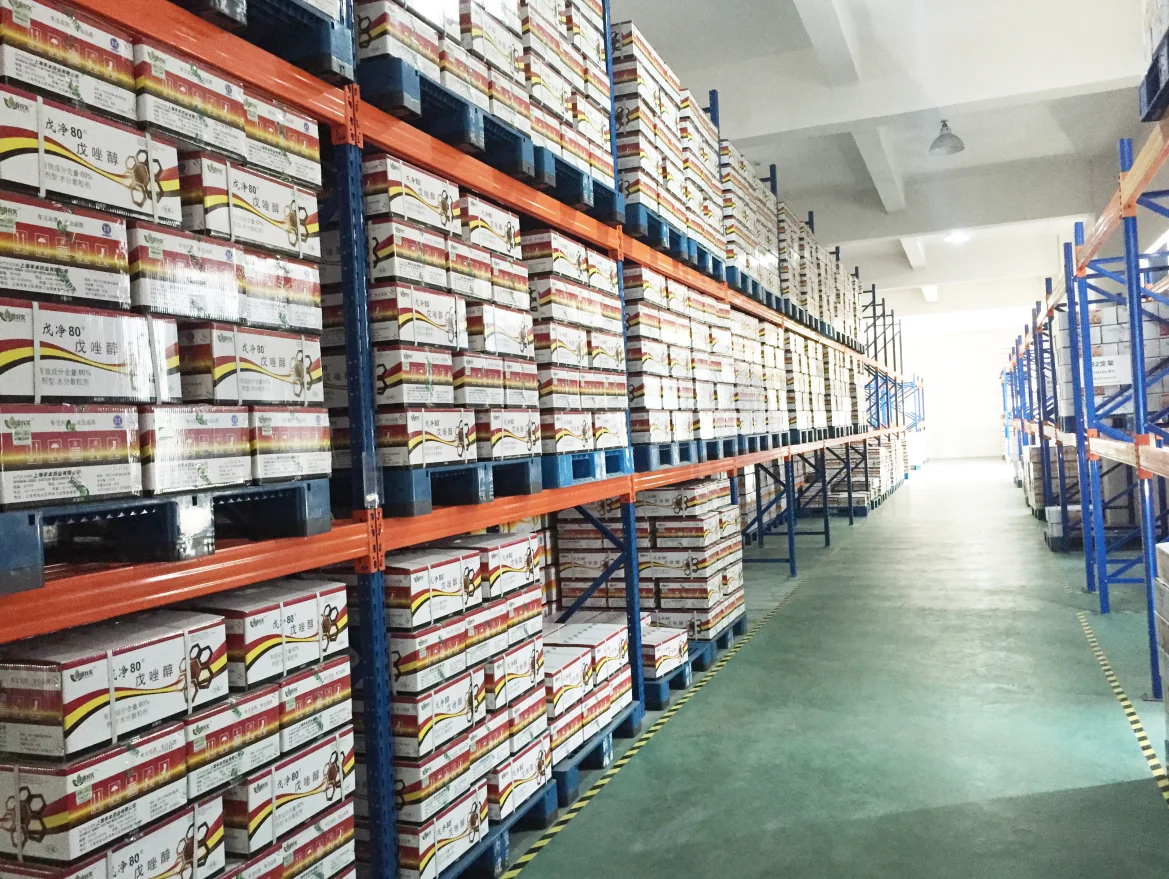
Warehouse
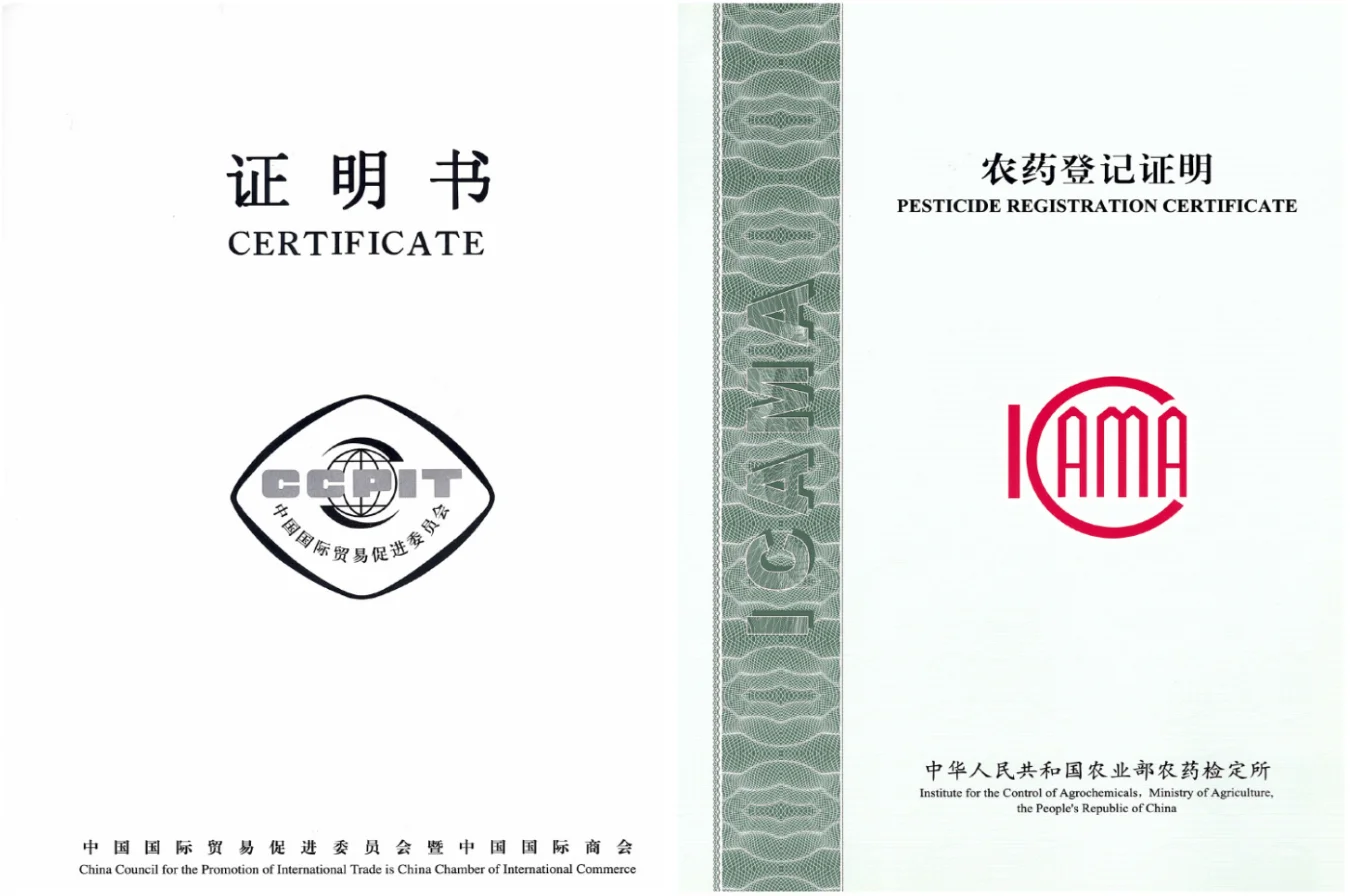
Certificate
FAQ
1.How to contact us?
Attn: Ange Shi
Mobile/WhatsApp:+0086 19951291528
Email:ange@shanghaiheben.com
QQ: 171920076
Shanghai Heben-Eastsun Medicaments Co., Ltd.
Office Add: T6-505, Baolongcheng, No.6, Lane 331, Xinlong Road, Minhang District, Shanghai.
Factory Add: No 2 Linbao Road, Jinshan District, Shanghai, P.R. China
Postcode:201505
Tel: +0086(021) 67231000
Fax: +0086(021)67231333
URL: //www.shheben.cn
2. Can you send a sample for reference?
Sample is available, but the cost of freight is not included.
3. How to confirm the quality before production?
Sample test, or you send us your product, we produce according to your specifications.In addition, support SGS and other third-party testing agencies testing.
4. How long will it take for the delivery?
It depends on your quantity. Samples can be delivered within 14 days.
We suggest that the quantity less than 500Kg will be shipped by air. Large quantities in excess of 1000Kg will be shipped by sea.
We promise 20-25 work day to delivered after confirm your label.
5. What is your payment method?
A5: We accept payment by TT and L/C.