Cow Bezoar Powder From Animal Skin/OX Gall
- Category: >>>
- Supplier: Shaanxi Fonde Biotech Co. Ltd. [Shaanxi China]Shaanxi
Share on (62348571080):
Product Overview
Description
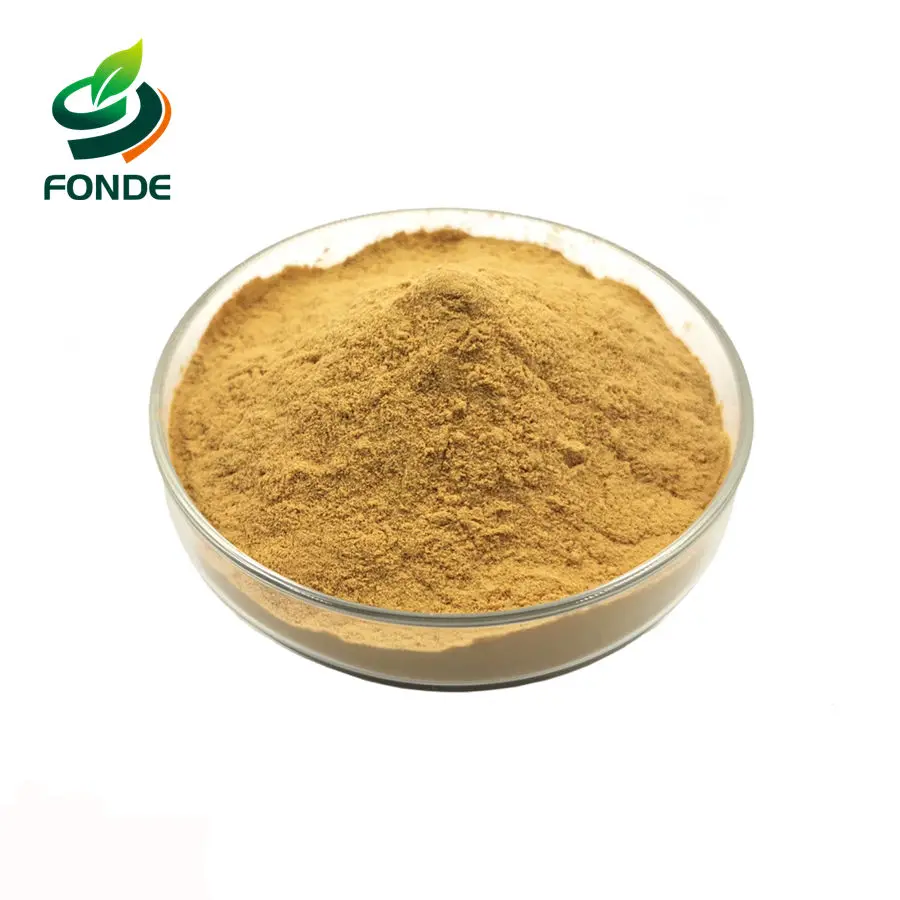
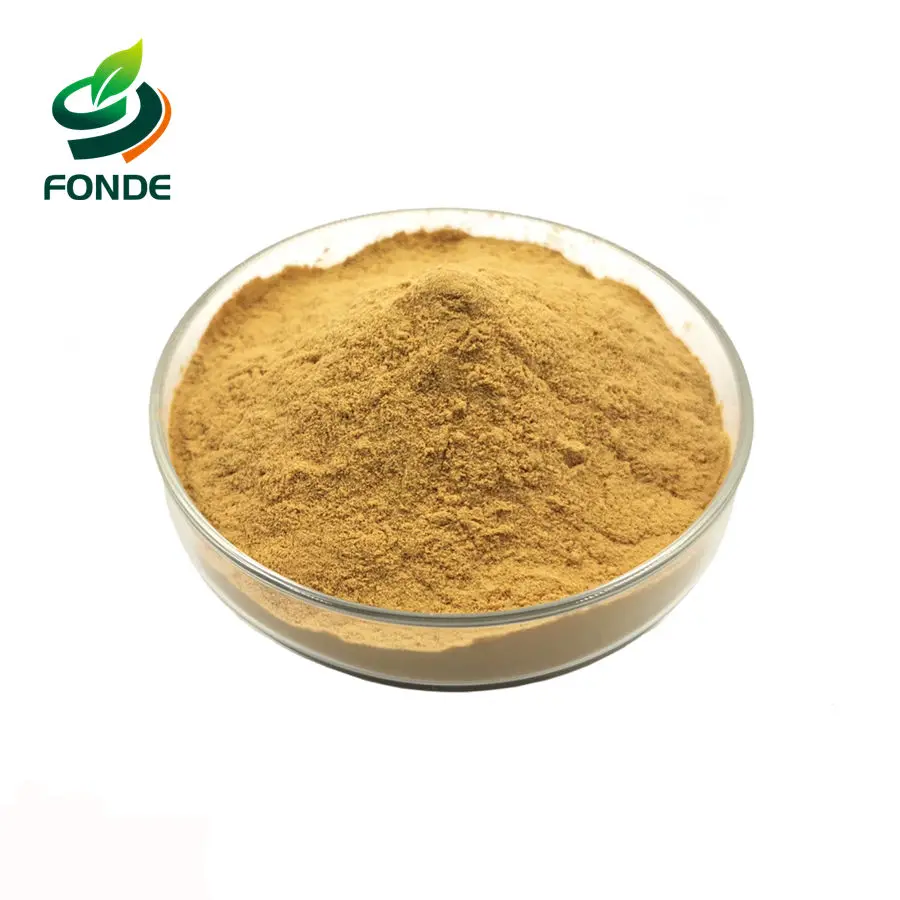
Cow Bezoar Powder From Animal Skin/OX Gall
Product description :

Bile is a substance excreted by the livers of mammals to assist in the chemical breakdown of fats and the absorption of certain vitamins in the digestive process. When it comes to basic chemistry, ox bile is remarkably similar to human bile, and this is one of the reasons why it often works as a medicinal aid in people. One of the primary ways it can be used is to assist the body in the breaking down of fats and the assimilation of vitamins A, D, E, and K. Healthy people are usually able to do this on their own, but those who don’t produce enough bile or who have other imbalances in their blood chemistry often need a bit of extra help.
Ox bile primarily consists of water, salts, cholesterol, and lecithin, a fatty substance. One of its main roles in a living ox is to help the animal absorb vitamins from food that has been ingested, and these properties hold true when the substance is processed and prepared for human consumption, too. When people take a bit of the extract with food they are often able to better digest some of the more complex nutrients and minerals, which in turn contributes to better health and overall feelings of fullness and satiety. In the absence of bile food can still be digested, but a lot of the nutritive value is lost or flushed out before it can be useful.
Certification of Analysis :
| Items | Standard |
| Characteristic | Yellowish-brown to tawny powder, bitter, hygroscopicity. |
| Identification | On the corresponding position of reference chromatogram, should appear the same color spots |
| Water | ≤5.0% |
| Pulvis fellis suis | On the corresponding position of pulvis fellis suis chromatogram, shall not appear the same color spots |
| Bile acid content | ≥45% |
| Total bacterial count | ≤1000cfu/g |
| Yeast and molds | ≤100 cfu/g |
| Escherichia coli | Not detectable |
| Salmonella | Not detectable |
| Staphylococcus aureus | Not detectable |
| Conclusion | It conforms to the enterprise standard |
Company information :


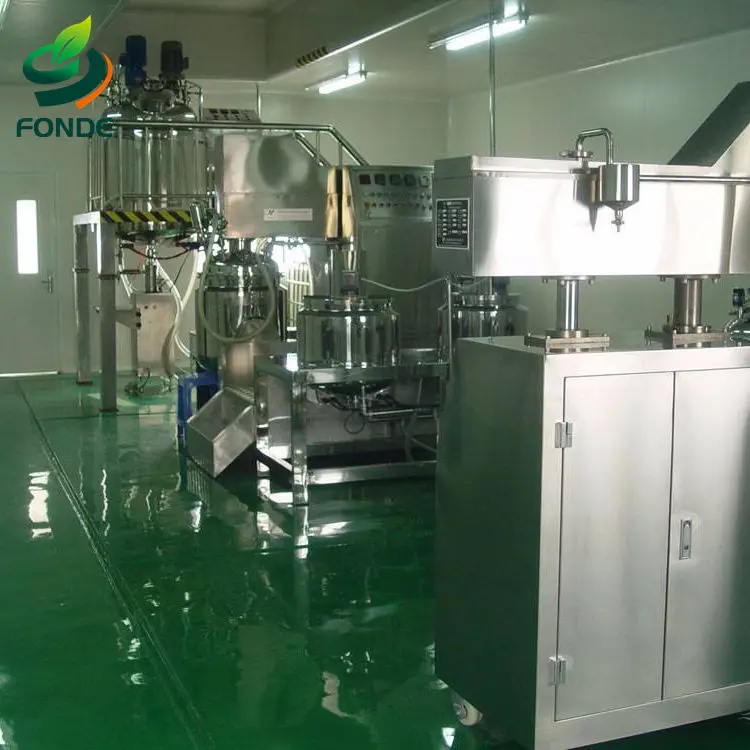
Factory&Lab :

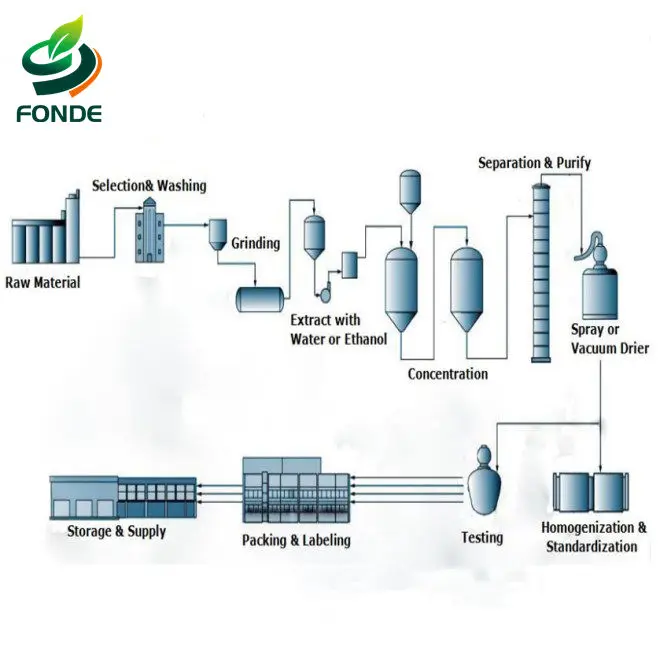
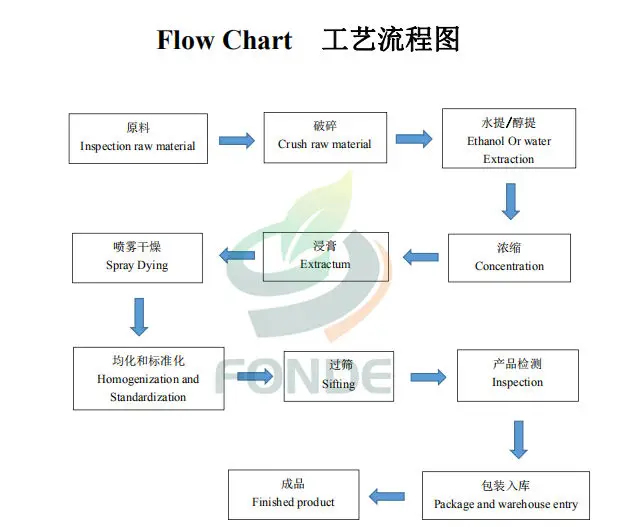
Flow Chart :
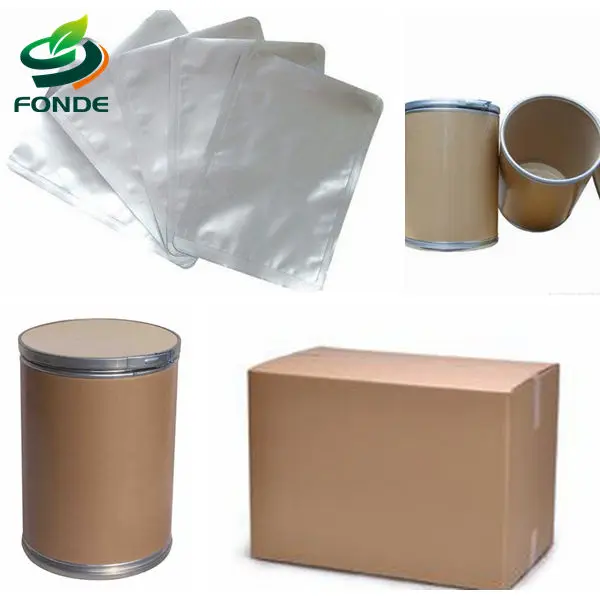
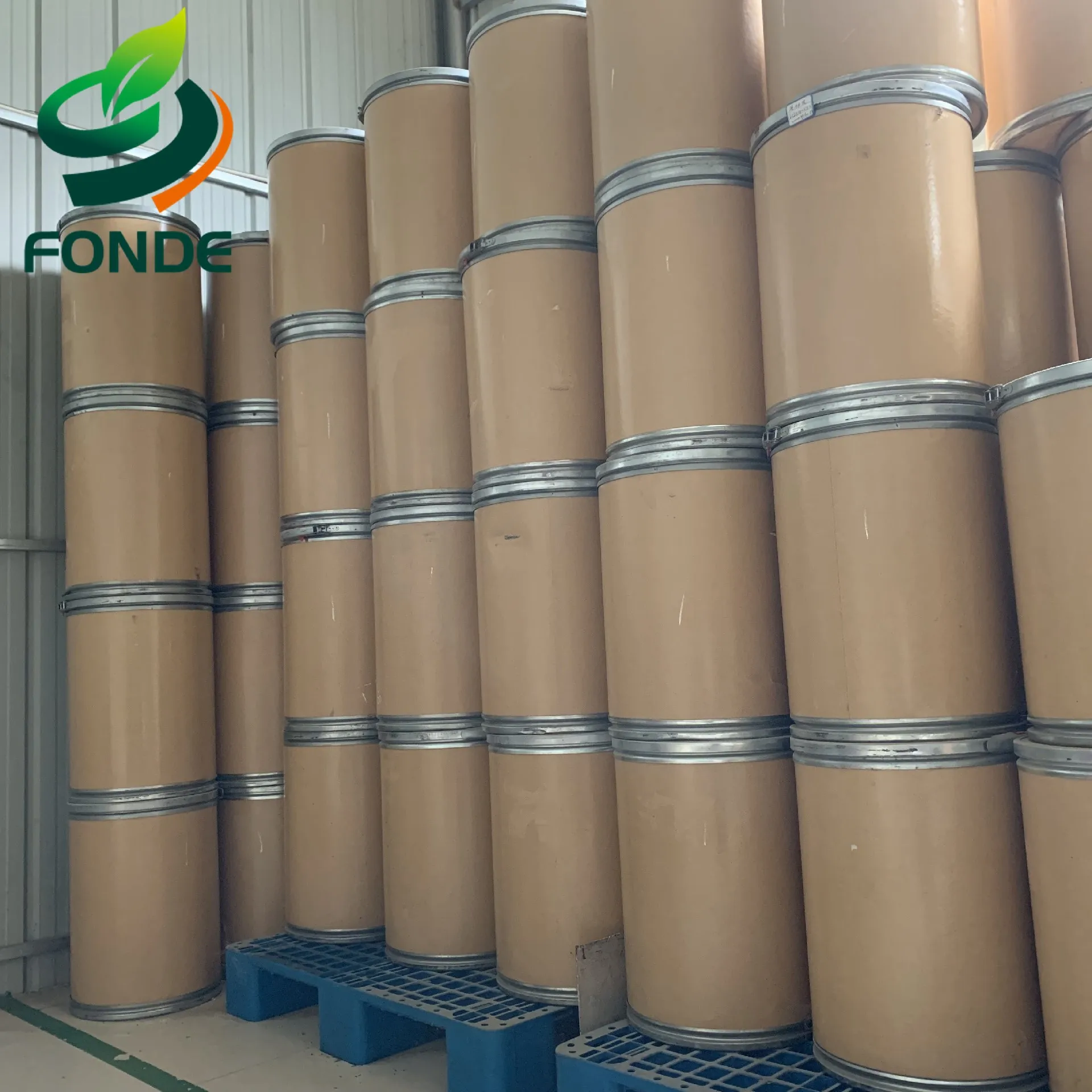
Packing&Shipping:


We Recommend
New Arrivals
New products from manufacturers at wholesale prices