Azelaic acid is a topical antiacne agent which exerts its therapeutic action through a myriad of antimicrobial, antiproliferative and cytostatic effects. In vitro, azelaic acid hasbeen shown to inhibit DNA polymerases in several tumor cell lines.
Chemical Properties
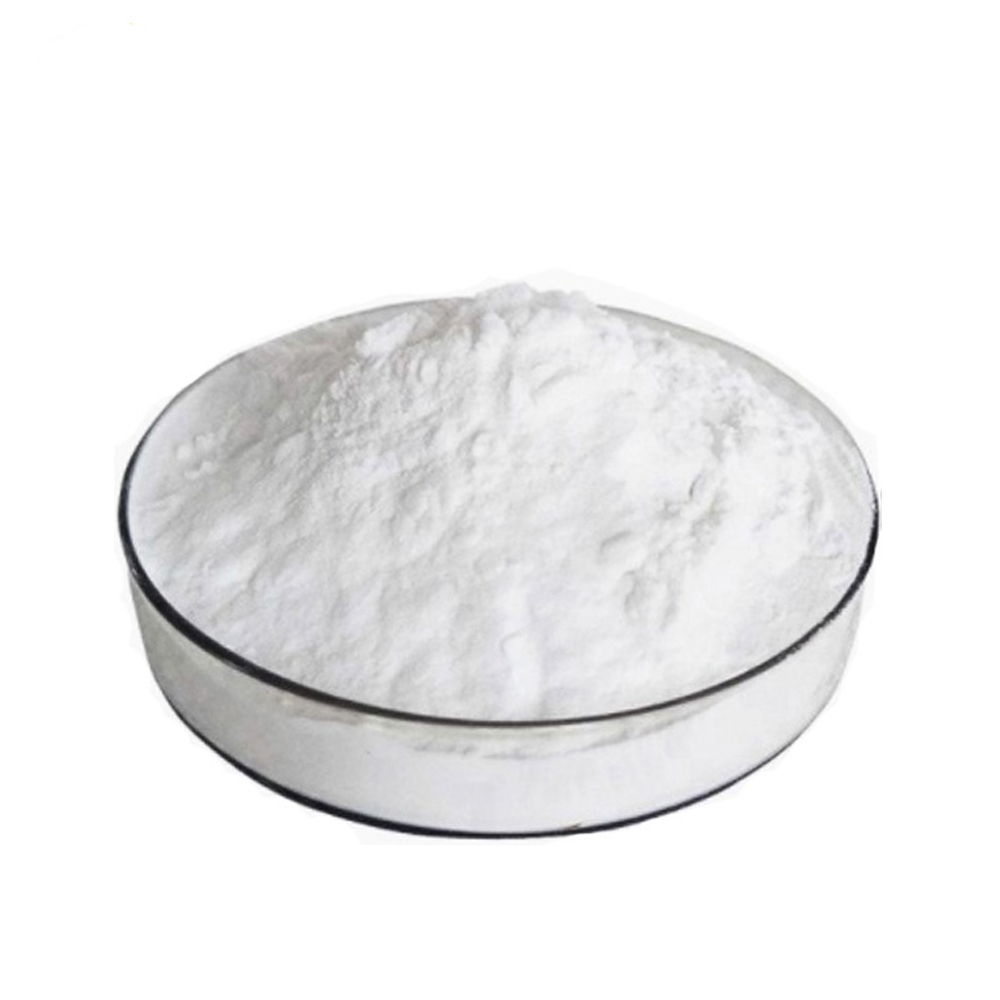
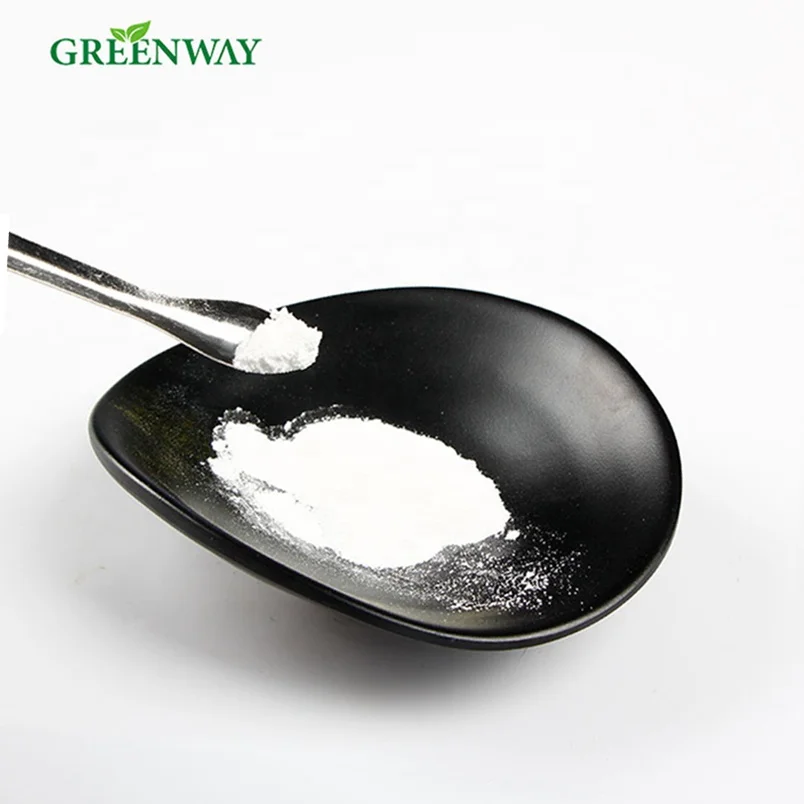
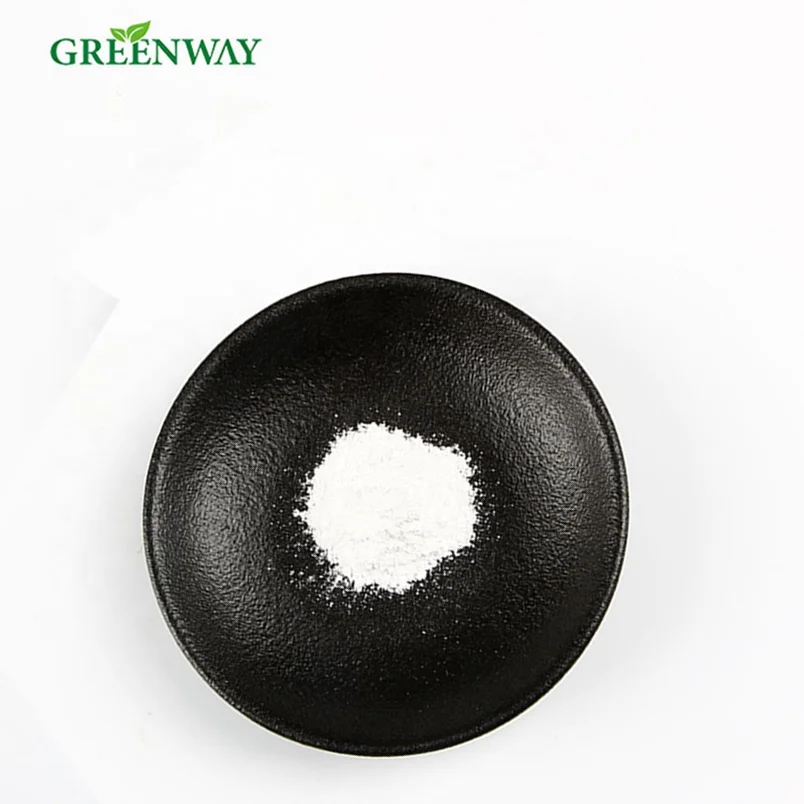
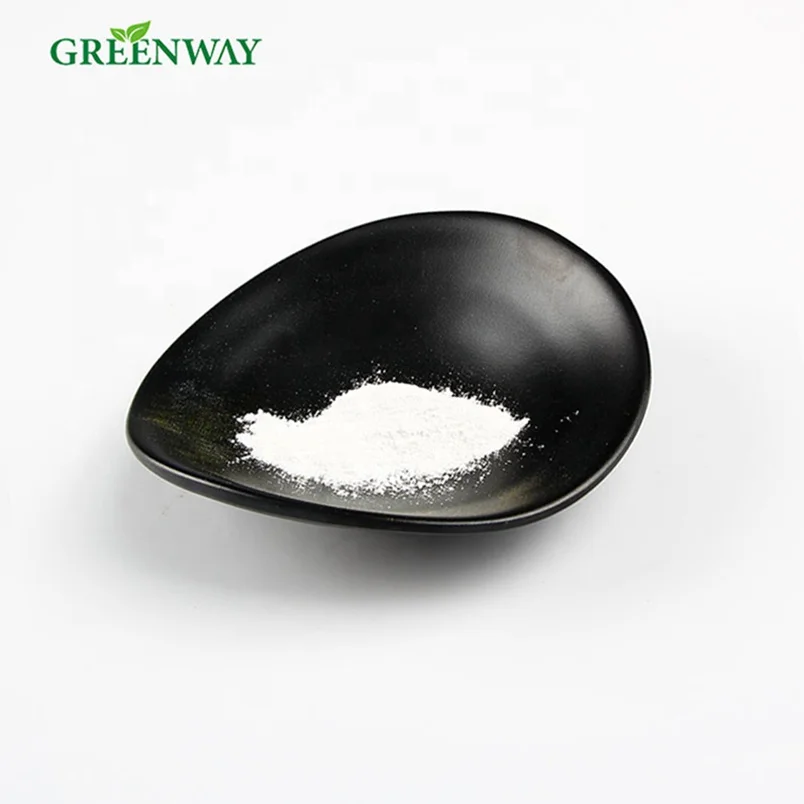
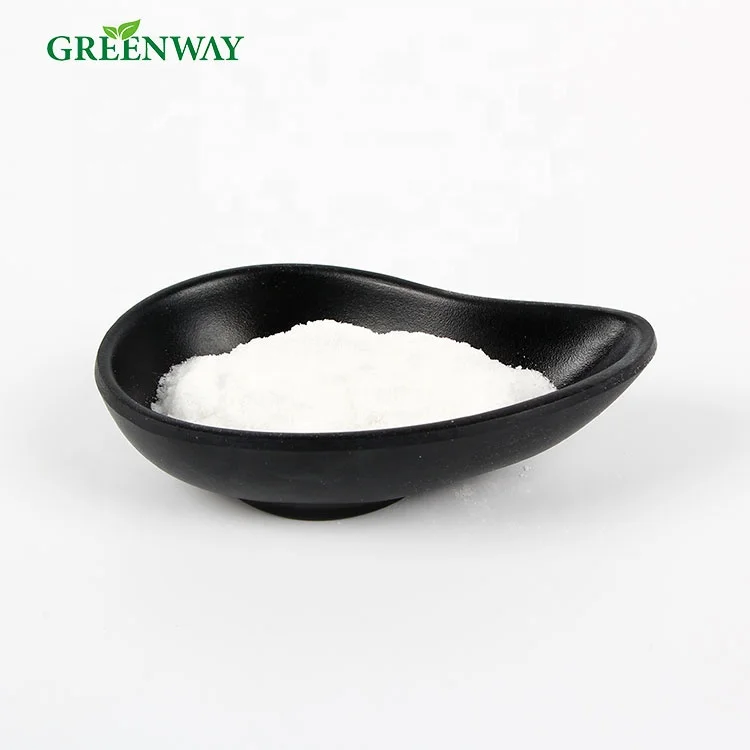
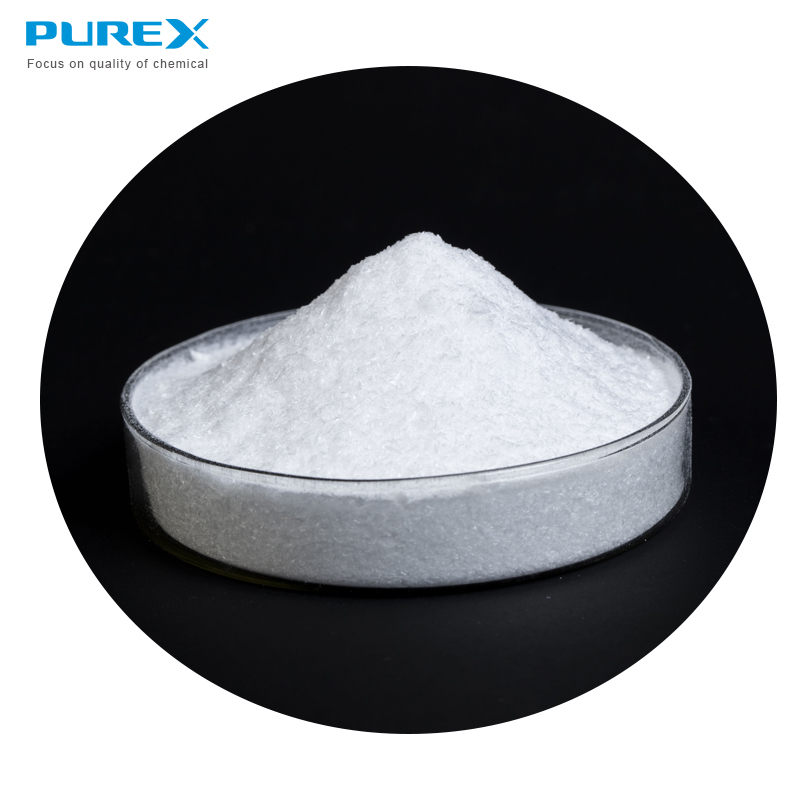
Azelaic acid is an organic compound with the formula (CH2)7(CO2H)2. This saturated dicarboxylic acid exists as a white powder. It is found in wheat, rye, and barley. It is a component of a number of hair and skin conditioners.
Chemical Properties
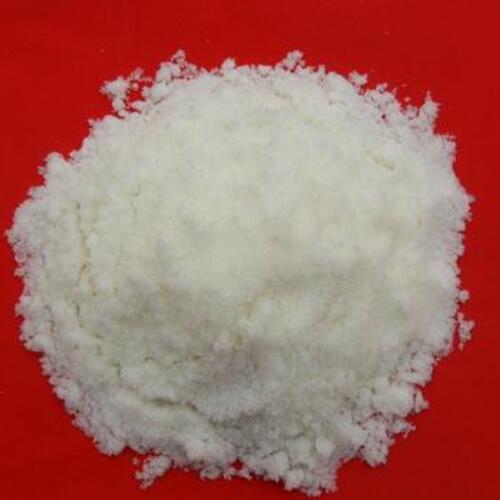
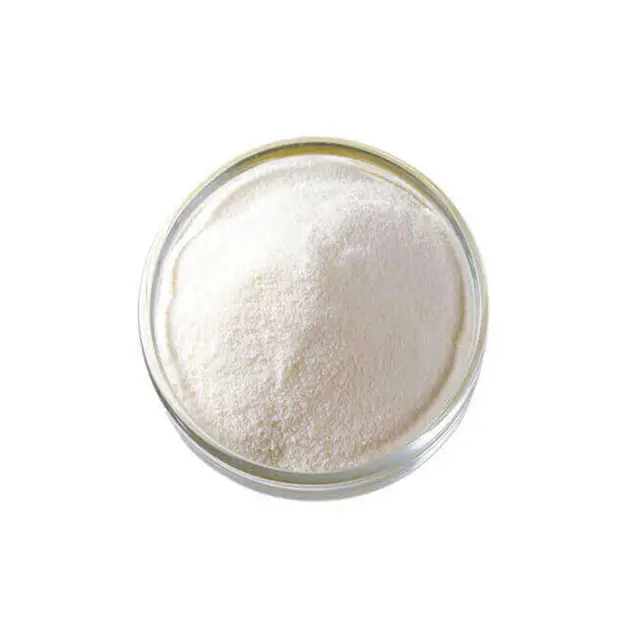
white to cream solid
Chemical Properties
Nonanedioic acid is the best known dicarboxylic acid. Its name stems from the action of nitric acid (azote, nitrogen, or azotic, nitric) oxidation of oleic or elaidic acid. It was detected among products of rancid fats. Its origin explains for its presence in poorly preserved samples of linseed oil and in specimens of ointment removed from Egyptian tombs 5000 years old. Azelaic acid was prepared by oxidation of oleic acid with potassium permanganate, but now by oxidative cleavage of oleic acid with chromic acid or by ozonolysis. Azelaic acid is used, as simple esters or branched-chain esters) in the manufacture of plasticizers (for vinyl chloride resins, rubber), lubricants and greases. Azelaic acid is now used in cosmetics (treatment of acne). It displays bacteriostatic and bactericidal properties against a variety of aerobic and anaerobic micro-organisms present on acne-bearing skin. Azelaic acid was identified as a molecule that accumulated at elevated levels in some parts of plants and was shown to be able to enhance the resistance of plants to infections.
Originator
Schering AG (W. Germany)
Uses
antiacne, antiproliferative agent
Uses
antifungal, binds to membrane sterols
Production Methods
Azelaic acid is industrially produced by the ozonolysis of oleic acid. The side product is nonanoic acid. It is produced naturally by Malassezia furfur (also known as Pityrosporum ovale), a yeast that lives on normal skin. The bacterial degradation of nonanoic acid gives azelaic acid.
Application
Polymers and related materials Esters of this dicarboxylic acid find applications in lubrication and plasticizers. With hexamethylenediamine azelaic acid forms Nylon - 6,9, which finds specialized uses as a plastic. Medical Azelaic acid is used to treat mild to moderate acne, both comedonal acne and inflammatory acne . It belongs to a class of medication called dicarboxylic acids. It works by killing acne bacteria that infect skin pores. It also decreases the production of keratin, which is a natural substance that promotes the growth of acne bacteria Azelaic acid is also used as a topical gel treatment for rosacea, due to its ability to reduce inflammation . It clears the bumps and swelling caused by Rosacea. Azelaic acid has been used for treatment of skin pigmentation including melasma and post inflammatory hyper pigmentation , particularly in those with darker skin types. It has been recommended as an alternative to hydroquinone (HQ). As a tyrosinase inhibitor, azelaic acid reduces synthesis of melanin. Brand names AzClear Action ( 20 % lotion, Ego Pharmaceuticals), Azelex (20% cream, Allergan), White Action cream (20 % cream ,2 % glycolic acid), SynCare), Finacea (15 % gel, Intendis/Berlex Laboratories, subsidiaries of Bayer AG), Finevin (20 % cream, Intendis / Berlex Laboratories), Skinoren (20 % cream or 15% gel, Intendis), Melazepam, Strata Dermatologics, 2oz, Mixed Dicarboxylic Acids 20 % Azelaic Acid Cream.,and Azaclear (azelaic acid and niacinamide, Epikinetics LLC). .
Indications
Azelaic acid (Azelex) is a naturally occurring dicarboxylic acid produced by the yeast Malassezia furfur. Azelaic acid inhibits tyrosinase, a rate-limiting enzyme in the synthesis of the pigment melanin. This may explain why diminution of melanin pigmentation occurs in the skin of some patients with pityriasis versicolor, a disease caused by M. furfur. Azelaic acid is bacteriostatic against a number of species thought to participate in the pathogenesis of acne, including Propionibacterium acnes. The drug may also reduce microcomedo formation by promoting normalization of epidermal keratinocytes.
Brand name
Azelex (Allergan); Finacea (Intendis);Skinoren.
Biotechnological Applications
In plants, azelaic acid serves as a "distress flare" involved in defense responses after infection. It serves as a signal that induces the accumulation of salicylic acid, an important component of a plant's defensive response.
Clinical Use
Azelaic acid is used for the treatment of mild to moderate acne, particularly in cases characterized by marked inflammation-associated hyperpigmentation.
Purification Methods
Recrystallise it from H2O(charcoal) or thiophene-free *benzene. The acid can be dried by azeotropic distillation with toluene, the residual toluene solution is then cooled and filtered, and the precipitate is dried in a vacuum oven. It has been purified by zone refining or by sublimation onto a cold finger at 10-3torr. It distils above 360o with partial formation of the anhydride. The dimethyl ester has m –3.9o and b 140o/8mm. [Hill & McEwen Org Synth Coll Vol II 53 1943, Beilstein 2 IV 2055.]
Why Choose US
Our Services
1. Any inquiries will be replied within 12 hours. 2. Dedication to quality, supply & service. 3. Strictly on selecting raw materials. 4. OEM/ODM Available. 5. Reasonable & competitive price, fast lead time. 6. Sample is available for your evaluation & Formulation development. 7. Faster delivery:Sample order in stock and 3-7 days for bulk production. 8. We have strong cooperation with DHL, TNT, UPS, FEDEX, EMS. Or you also can choose your own shipping forwarder. 9. After-Sale Service: (1) International Authorized Third-Party Test For The Products You Demand. (2) 60 Days Warranty of quality of goods.