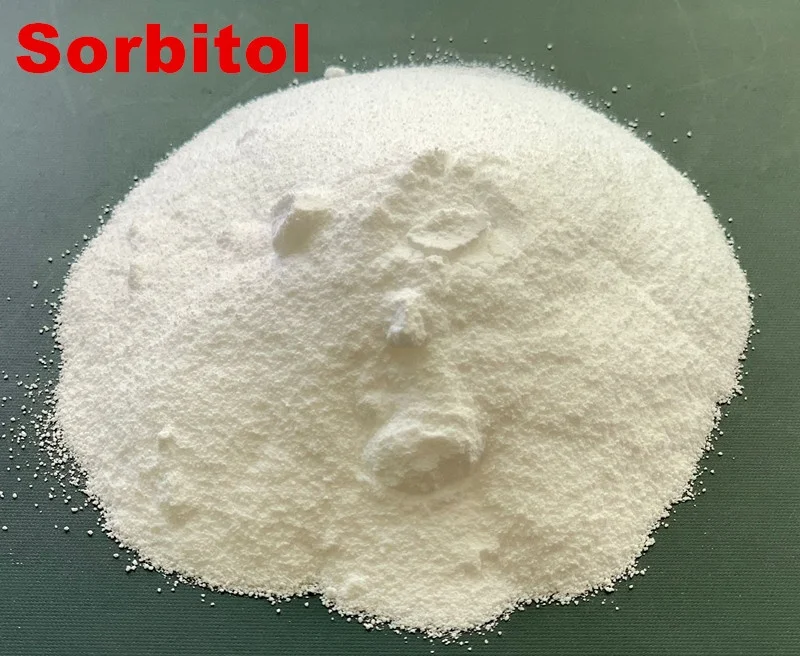
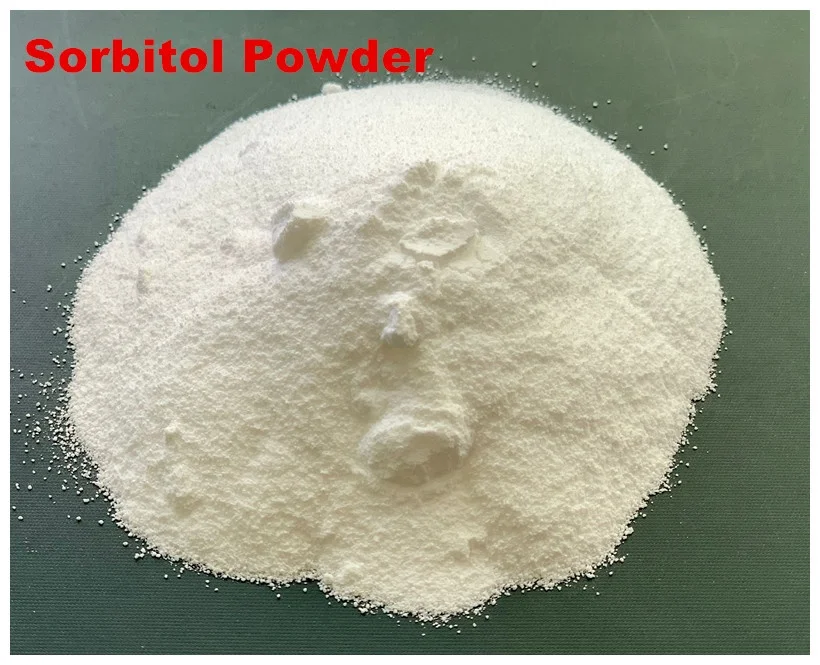
Low Calorie Nature Sweetener Sorbitol Powder/Sorbitol 70% Solution be used as Sugar Ssubstitute E420
- Category: >>>
- Supplier: Qingdao Qualtime International Trading Co. Ltd.
Share on (62373605327):
Product Overview
Description
Product Description

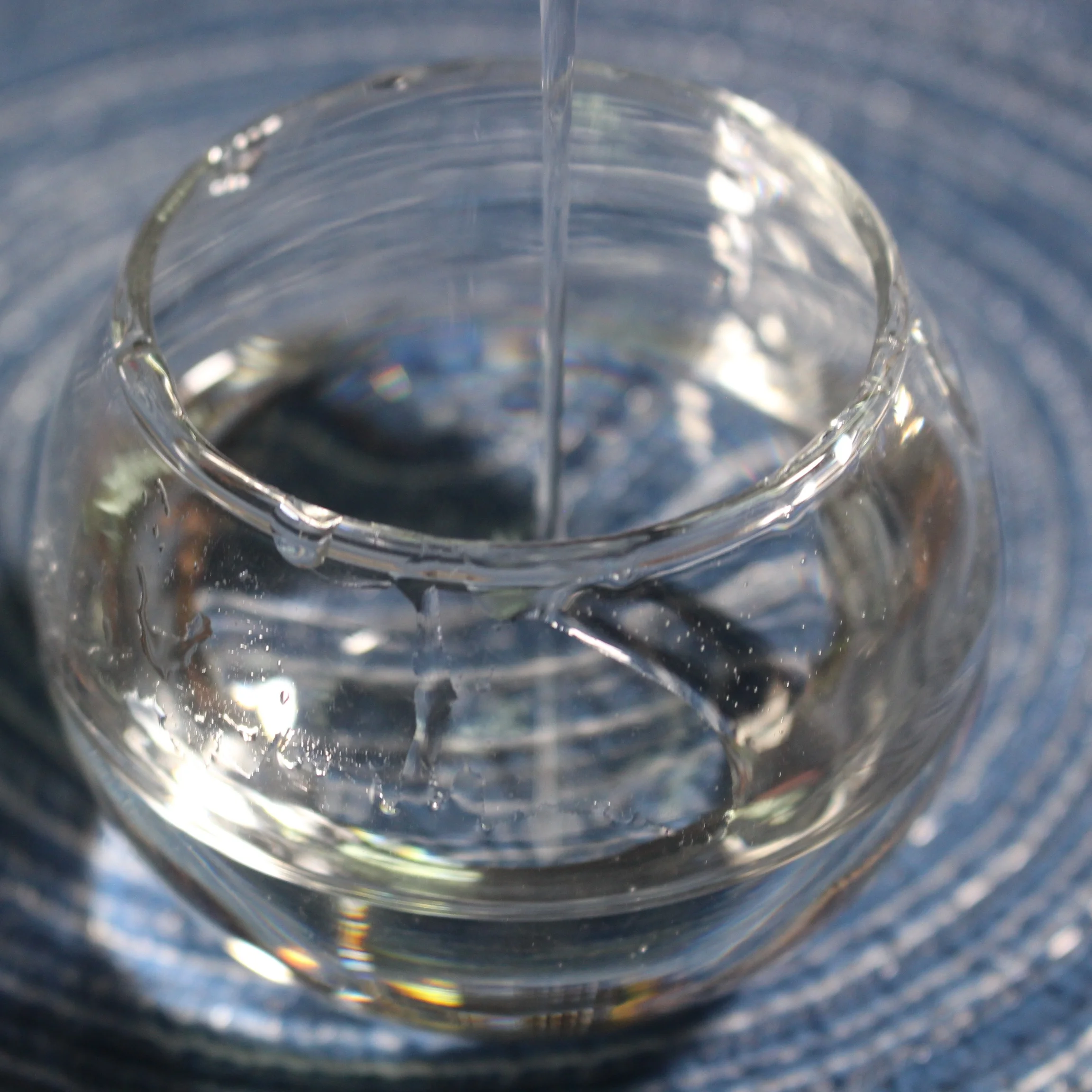
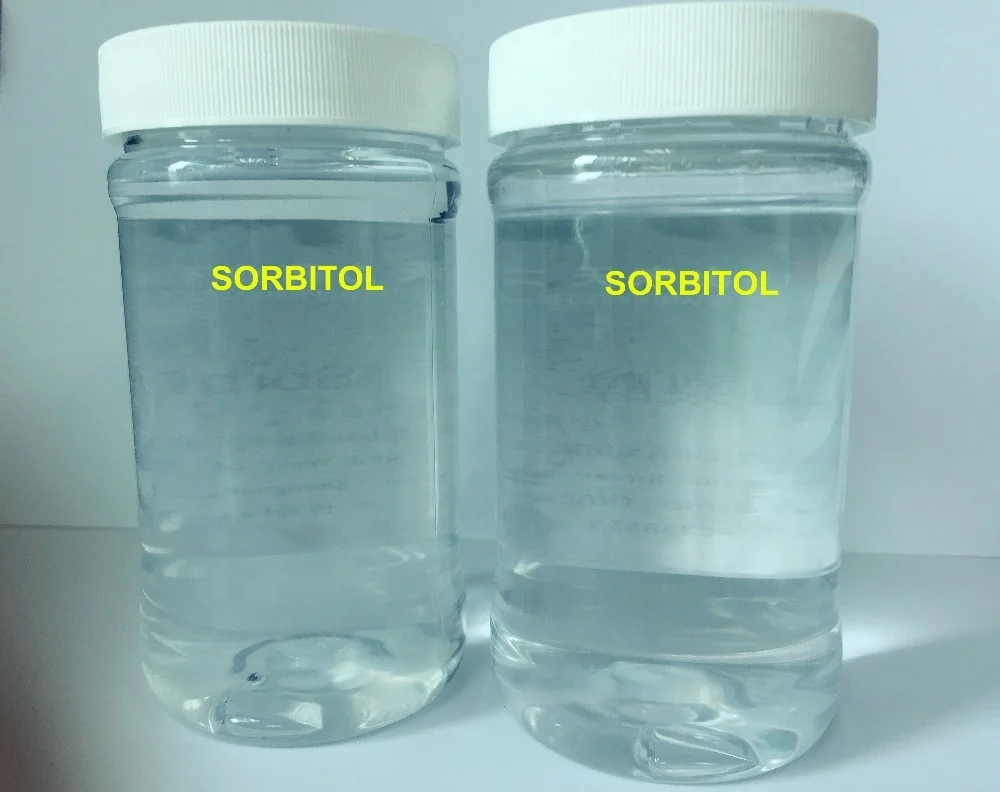
Product Name: Sorbitol 70% Solution
Sorbitol is a sugar alcohol, which is a poorly digestible carbohydrate that either naturally occurs in fruits or is semi-artificially produced and added as a low calorie sweetener to various commercial foods.
Sorbitol is chemically similar to fructose and mannitol.Other names for sorbitol: sorbit, glucitol.
Nutrition Facts:
* Calories per gram = 2.6
* Glycemic index (GI) = 9
* Sweetness, relative to sucrose = 60%
* Net crabs = zero
Foods High in Sorbitol
* Sorbitol occurs naturally in significant amounts in grapes, prunes, cherries, peaches, apples, pears and apricots and in related fruit juices.
* Sorbitol can be semi-artificially produced from glucose syrup, which can be derived from wheat, potato or cassava starch, and used as a low-calorie sweetener, humectant, bulking agent, texturizer or fat replacer in confectionery, candies, baked goods, diabetic jams, nutritional bars, shredded coconut, chewing gum, chocolate, diet soft drinks, surimi or cooked sausages
* In the European Union, sorbitol is labeled as E number E420
Specification
Sorbitol 70% Non-crystalline Grade | Sorbitol 70% Crystal Grade | ||||||
Item | Specification | Item | Specification | ||||
Appearance | Clear, colourless, syrup liquid | Appearance | Colorless, transparent, syrupy liquid | ||||
Identification | A | A deep pink or wine-red color appears | Dry Substance % | ≥69.0 | |||
B | The principal peak is similar with the reference | Water Content % | ≤31.0 | ||||
C | Diethylene glycol≤0.10% Ethylene glycol≤0.10% | Refractive Index(20℃) | ≥1.4575 | ||||
Assay % | ≥45% | Specific Rotation(20℃) | ≤+5.3 | ||||
Inorganic Ignition | ≤0.1 | Specific Gravity(20℃) | ≥1.290 | ||||
Limit of Nickel μg/g | ≤1 | D-sorbitol % | ≥68.0 | ||||
Reducing Sugars % | ≤0.3 | D-mannitol % | ≤2.0 | ||||
Total Aerobic Count cfu/ml | ≤1000 | Conductivity μS/cm | ≤20 | ||||
Molds & Yeasts cfu/ml | ≤100 | Reducing Sugars % | ≤0.15 | ||||
pH(14%(w/w)solution) | 5.0~7.5 | Total Sugars % | ≤0.30 | ||||
Water Content % | 28.5~31.5 | Nickel % | ≤0.0001 | ||||
Anhydrous Substance % | 68.5~71.5 | Fe % | ≤0.0001 | ||||
Chloride % | ≤0.001 | ||||||
Sulphate % | ≤0.002 | ||||||
Heavy Metals(as Pb) % | ≤0.0001 | ||||||
Arsenic(as As2O3)% | ≤0.0001 | ||||||
Residue on Ignition % | ≤0.10 | ||||||
Application

Sweetener
Sorbitol is a sugar substitute, and when used in food it has the INS number and E number 420. Sorbitol is about 60% as sweet as sucrose (table sugar).
Sorbitol is referred to as a nutritive sweetener because it provides dietary energy. It is often used in diet foods (including diet drinks and ice cream), mints, cough syrups, and sugar-free chewing gum. Most bacteria are unable to use sorbitol for energy, but it can be slowly fermented in the mouth by streptococcus mutans, a species of bacteria that cause tooth decay unlike many other sugar alcohols such as isomalt and xylitol, which are considered to be non-acidogenic.
It also occurs naturally in many stone fruits and berries from trees of the genus Sorbus.
Health care, food, and cosmetic uses
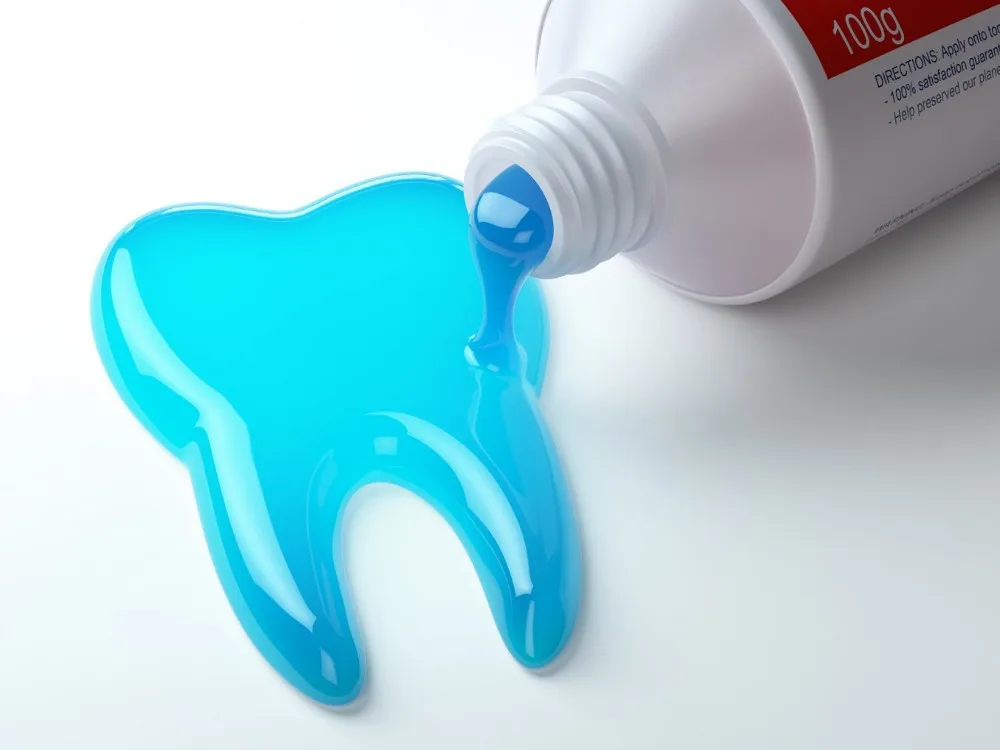
Sorbitol often is used in modern cosmetics as a humectant and thickener. It is also used in mouthwash and toothpaste. Some transparent gels can be made only with sorbitol, because of its high refractive index.
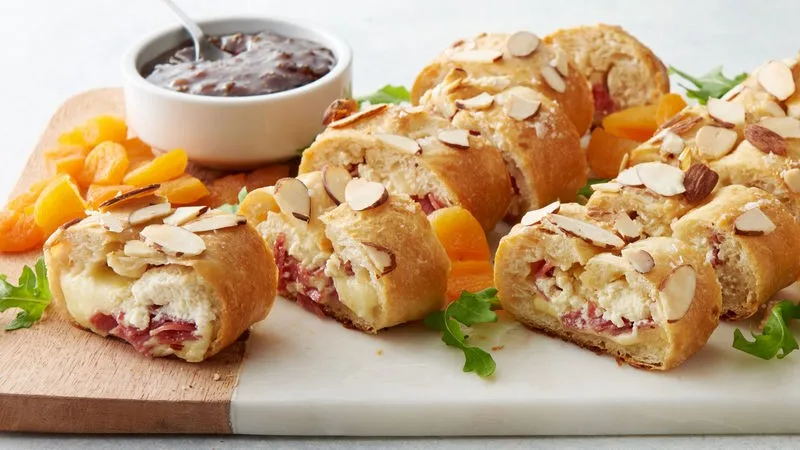
Beyond its use as a sugar substitute in reduced-sugar foods, Sorbitol is also used as a humectant in cookies and low-moisture foods like peanut butter and fruit preserves. In baking, it is also valuable because it acts as a plasticizer, and slows down the staling process.
Medical applications
Sorbitol is also used in the manufacture of softgel capsules to store single doses of liquid medicines.
A treatment for hyperkalaemia (elevated blood potassium) uses sorbitol and the ion-exchange resin sodium polystyrene sulfonate (tradename Kayexalate).

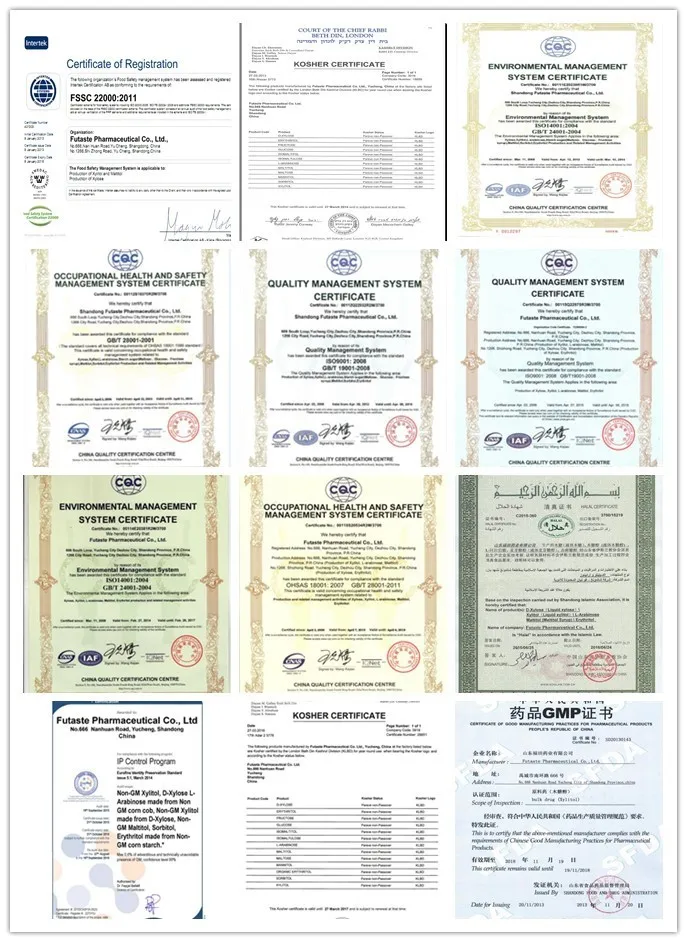
Our Certificate
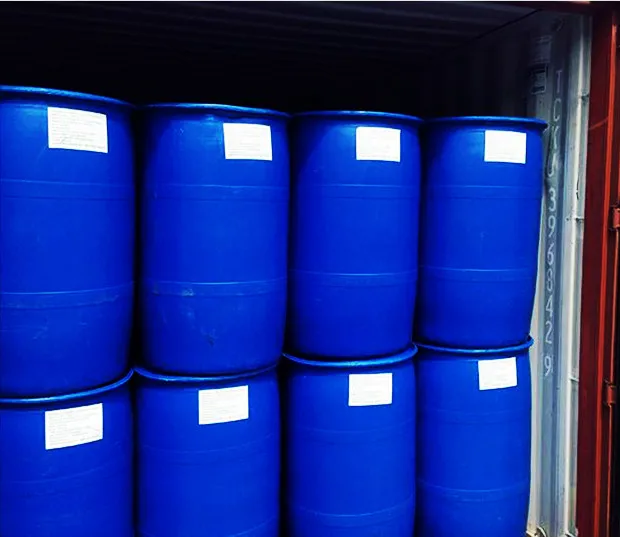
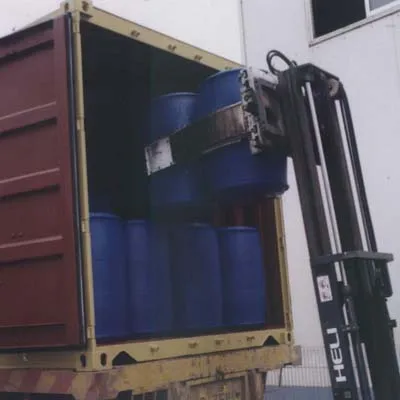
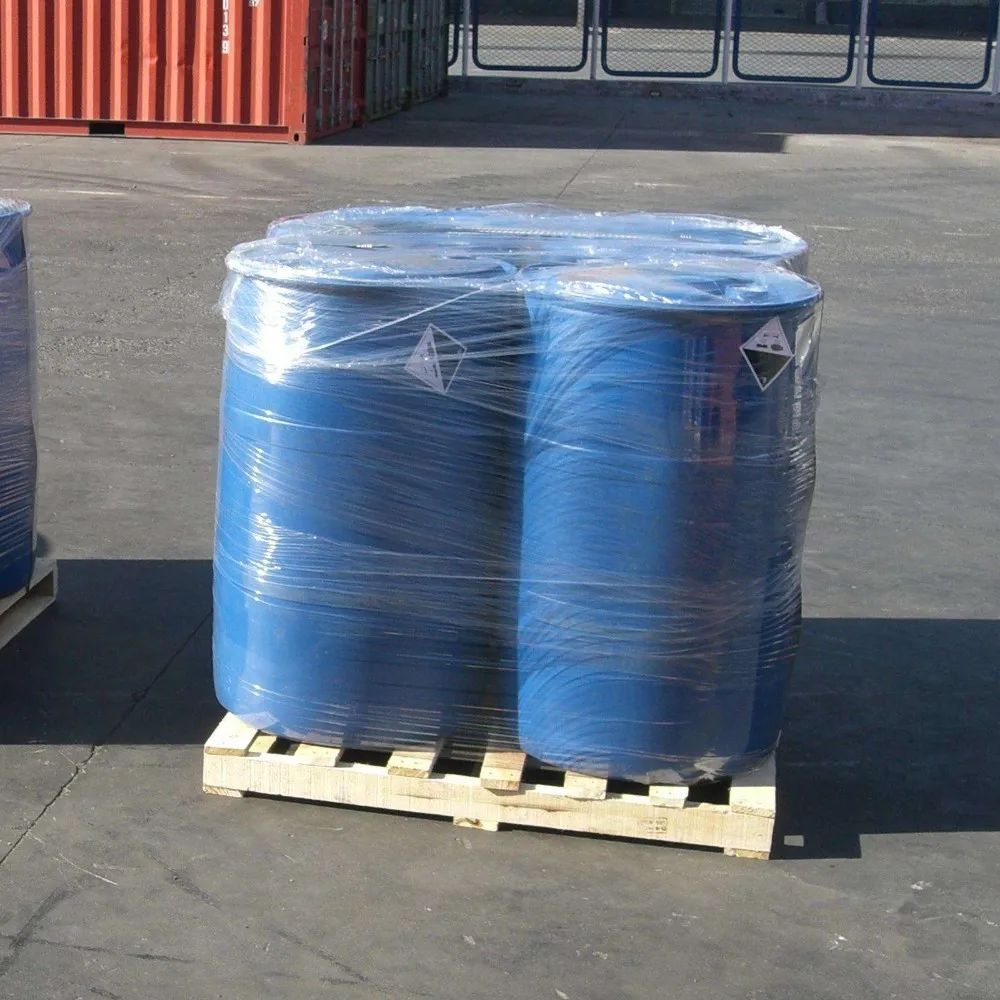
Packing & Delivery

Recommend Products
Our Company
FAQ
Q1: Do you offer free samples?
A: Yes, free sample is available, and you should pay for the shipping cost. But this cost will be reduced on your first order.
Q2: Is it ok for our own label/logo?
A:Yes, OEM & ODM available.
Q3:Is there a discount?
A:Different shares of discount determins by different order quantity/amount.
Q4: How do you treat quality complaint?
A:First of all, our quality control will reduce the quality problem to near zero. If there is really a quality problem caused by us, we will send you free goods for replacement .
We Recommend
New Arrivals
New products from manufacturers at wholesale prices