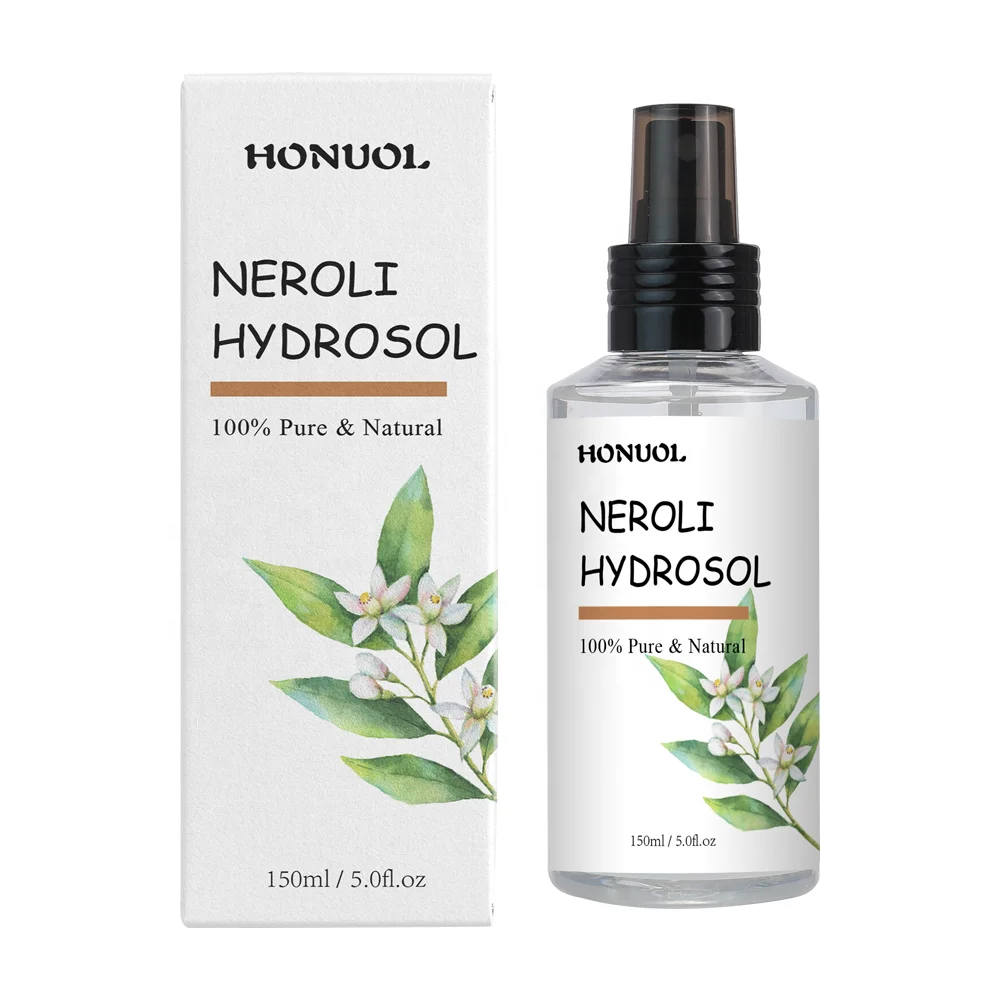
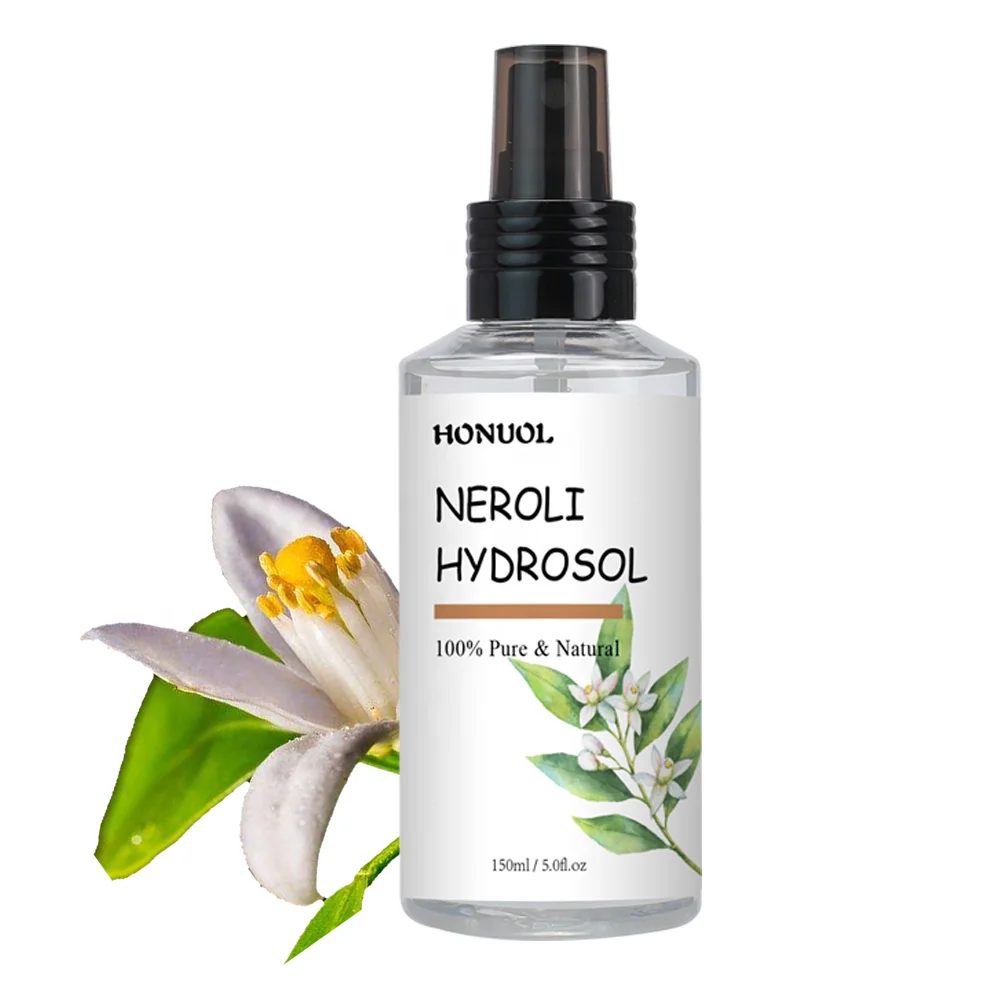
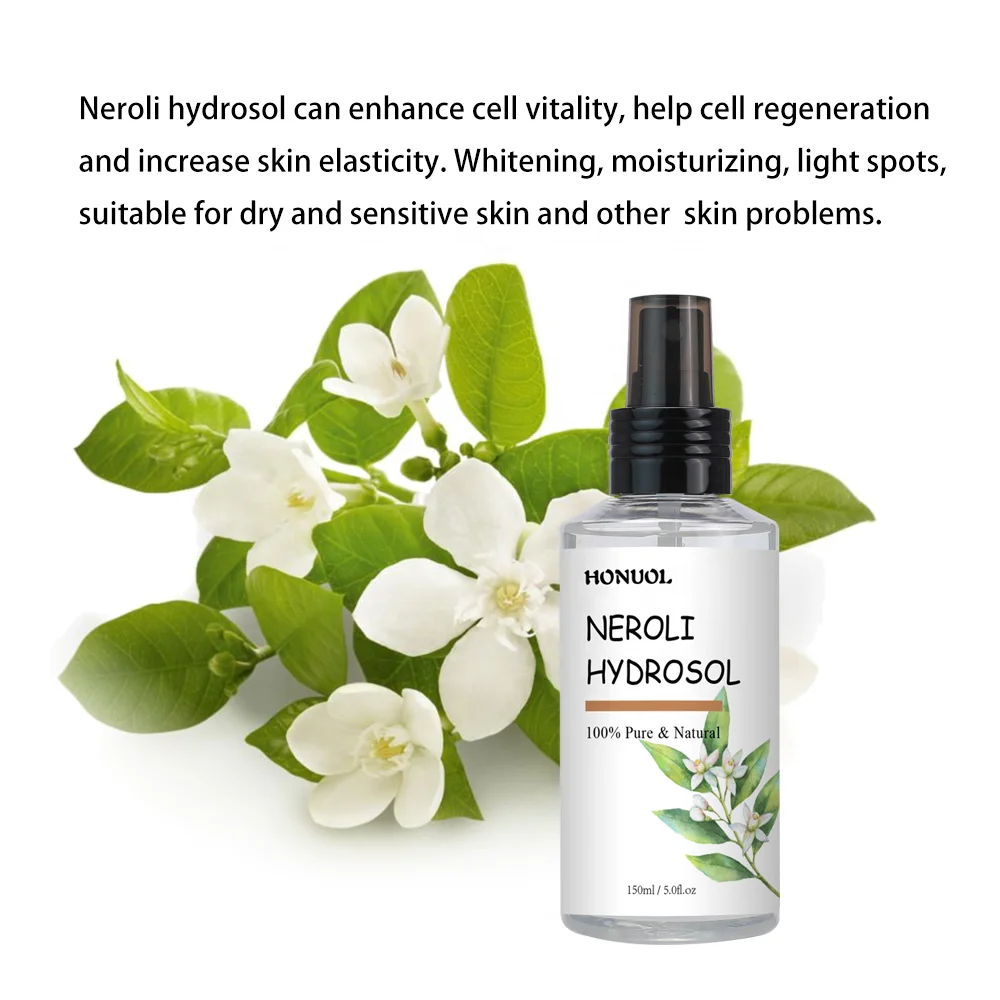
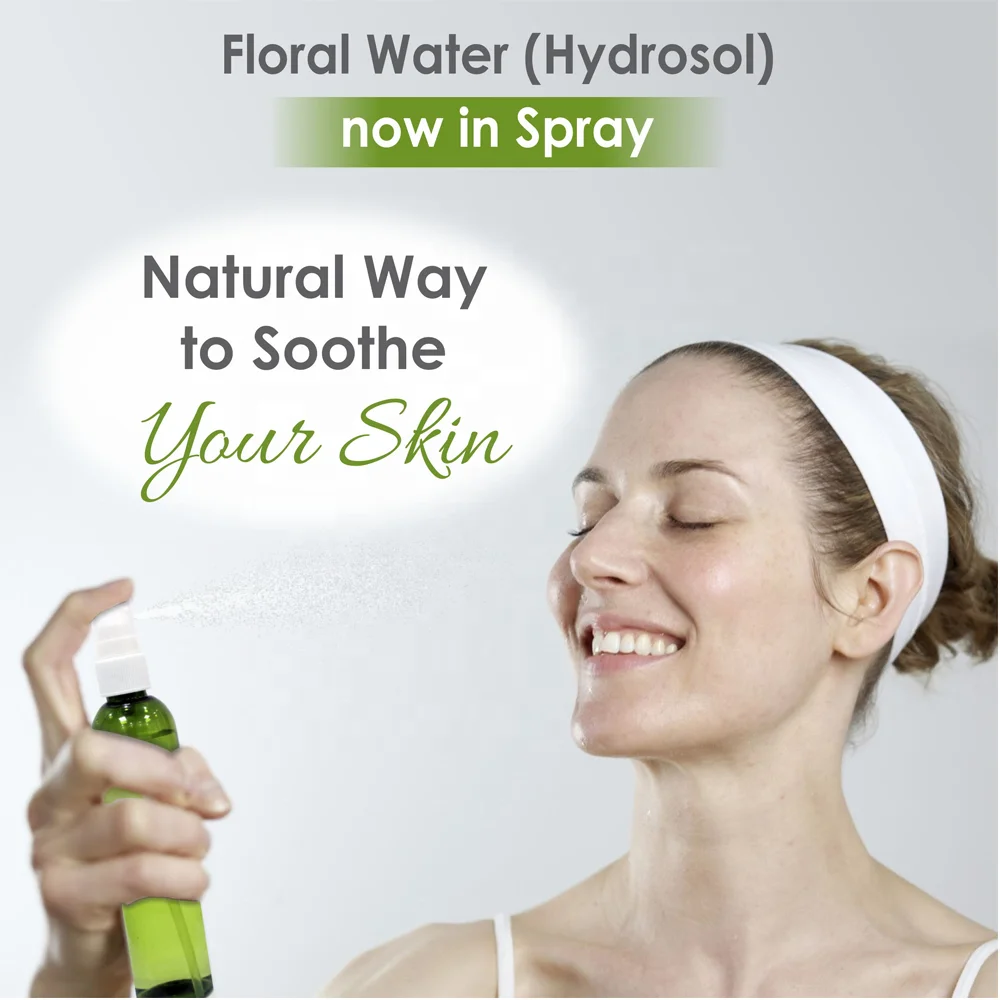
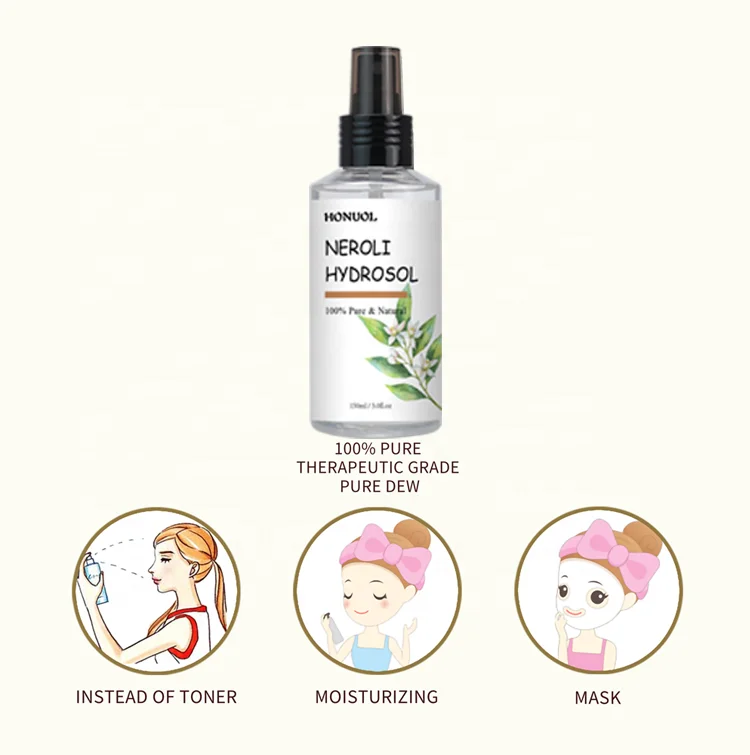
Private Label Neroli Floral Water Mist 100% Pure Neroli Hydrosol Spray for Sleep Face and Body
- Category: >>>
- Supplier: Guangzhou Ariel Biotech Co. Ltd.
Share on (62398291311):
Product Overview
Description
Product Description
Botanical Name: Citrus aurantium var amara
Plant Part: Flowers
Strength Of Aroma:Light aroma
Extraction Method:Steam distillation
Introduction of Neroli Hydrosol
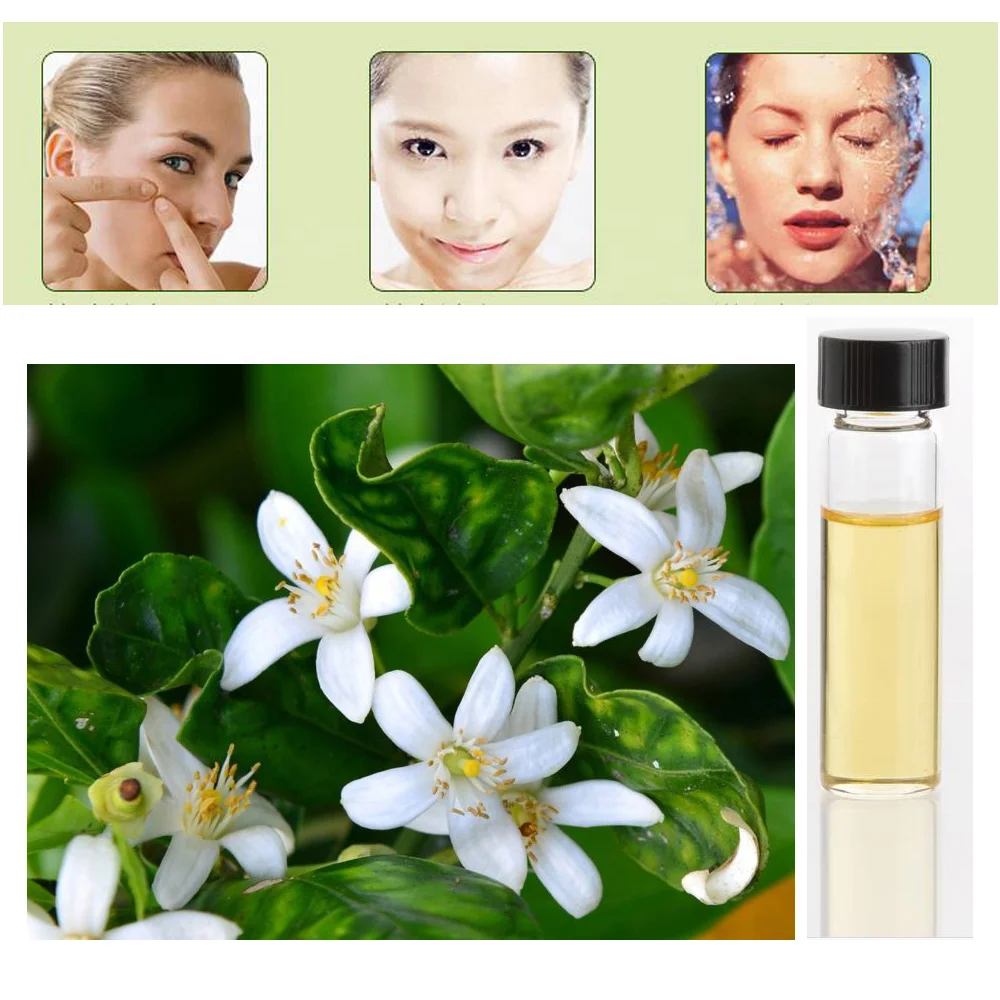
Neroli hydrosol, also known as orange blossom hydrosol/flower water, is steam distilled from the pretty white flowers of the bitter orange tree. It’s gorgeous sweet floral fragrance with a hint of citrus has aroma therapeutic properties of instantly uplifting one’s mood and dispelling negativity. It originates from the Arab world, Morocco in particular, where it is popularly used not only as a food flavoring agent but also a perfume and natural beauty ingredient.
As the steam from the distillation carefully extracts precious essential oils drops from the aromatic parts of plants, in this case, neroli flowers or orange blossoms, it creates fragrant water droplets which are also collected in glass/steel containers. This fragrant water is what is known as the hydrosol or floral water.
Plant Part: Flowers
Strength Of Aroma:Light aroma
Extraction Method:Steam distillation
Introduction of Neroli Hydrosol
Neroli hydrosol, also known as orange blossom hydrosol/flower water, is steam distilled from the pretty white flowers of the bitter orange tree. It’s gorgeous sweet floral fragrance with a hint of citrus has aroma therapeutic properties of instantly uplifting one’s mood and dispelling negativity. It originates from the Arab world, Morocco in particular, where it is popularly used not only as a food flavoring agent but also a perfume and natural beauty ingredient.
As the steam from the distillation carefully extracts precious essential oils drops from the aromatic parts of plants, in this case, neroli flowers or orange blossoms, it creates fragrant water droplets which are also collected in glass/steel containers. This fragrant water is what is known as the hydrosol or floral water.

Product Name | Neroli Hydrosol |
ICNI Name | Citrus Aurantium Amara Flower Distillate Water |
CAS NO | 72968-50-4 |
Appearance | Clear colorless to slightly cloudy liquid |
Odour | Sweet, citrus, herbaceous-floral aroma |
Plant part used | Flowers |
Volume | Trial size / Industrial Size / Retail Size / Promotional Size.And also Available bulk packaging. |
Unique features | Cooling and refreshing, Anti-acne, Balance water and oil |
Storage | Perishable hence refrigeration required. Keep in a cool dry place away from sunlight. |
MOQ | 1000pcs |
Sample | Free sample is available, you need to pay the freight, but it will refund once you confirm the order. |
Main Clients | Wal-Mart, Amazon, Ebay, cosmetics company, beauty salon and spa |
Service | OEM/ODM/Private Label, bulk pack purchase |
Functions
1. Naturally Cleanses Skin
2. Balances Sebum
3. Hydrates Dry Skin
4. Reduces Skin Inflammation
5. Tighten Pores
6. Calms Acne
7. Soothes Sunburn
8. Delays Fine Lines & Wrinkles
9. Good for Sensitive Skin
10. Scented Skin
1. Naturally Cleanses Skin
2. Balances Sebum
3. Hydrates Dry Skin
4. Reduces Skin Inflammation
5. Tighten Pores
6. Calms Acne
7. Soothes Sunburn
8. Delays Fine Lines & Wrinkles
9. Good for Sensitive Skin
10. Scented Skin

All our items are extracted from pure natural plants without any additive, fragrance, or preservative.
They are more effective, intense and comprehensive in anti-aging, regenerating cells, anti-
oxidizing, moisturizing or skin whitening. Suitable for all weathers and all skin types, especially for very sensitive skin. Can be used direct on face or with machine/ derma rollers.
They are more effective, intense and comprehensive in anti-aging, regenerating cells, anti-
oxidizing, moisturizing or skin whitening. Suitable for all weathers and all skin types, especially for very sensitive skin. Can be used direct on face or with machine/ derma rollers.
More Hydrosols Available | ||||||||
Jasmine | Tea tree | Peppermint | Lavender | Chamomile | ||||
Citronella | Eucalyptus | Neroli | Lemon | Camellia | ||||
Thayers | Rosemary | Purslane | Centella | Aloe | ||||
FAQ
1.What are hydrosols?
Hydrosols, also known as "flower waters," or “hydrolates” are produced by distilling fresh plant materials including leaves, fruits and flowers. These distilled aromatic waters have therapeutic properties similar to essential oils, but are much less concentrated. Their aromas are often light and subtle when compared to their essential oil counterpart. They retain a minute amount of essential oil compounds (around 0.3 grams/liter) - particularly the gentler, more hydrophilic aromatic esters and alcohols - hence are unlikely to cause skin irritation. Offering unmatched skin care benefits and mood uplifting aromatherapy properties; they make amazing single ingredient perfumes, deodorants, facial toners, air fresheners, and aromatherapy sprays.
2. How should we store hydrosols?
Ideally, hydrosols should be stored in the refrigerator. If you don't have room in your fridge, keep your hydrosols stored in a dark location that is kept at a cool, consistent temperature.
3. What is an essential oil?
Essential oils are concentrated volatile (quickly evaporating) aromatic compounds found in the leaves, seeds, stems, roots, bark, flower and other parts of the plant. They are responsible for giving the plant its characteristic odour and carry within themselves the therapeutic power of the plant. They occur in such a highly potent form that even a single drop of the essential oil is equivalent to multiple cups of the dried herb from which it was extracted (for instance, a single drop of peppermint oil is extracted from 25 cups of peppermint leaves making the oil up to 75x more potent compared to their dried herbal counterpart). Essential oils have been extensively used for over thousands of years across various cultures for their therapeutic and medicinal benefits.
4. What are the different methods of extraction?
Yes, we can provide free photograph for all the orders by our professional photographer and equipment.
5. What other valued services do you provide?
Steam Distillation: This is the most common process for extraction of essential oils. In this method, steam is passed through the plant material, vaporizing the volatile aromatic compounds which are then condensed back to liquid and then collected in the receiving vessel.
Cold Pressed: This extraction method is predominantly used for citrus fruits like orange and lemon where the essential oil is stored inside tiny pockets of the peel or rind of the fruit. Oils extracted by cold pressing are the most volatile of essential oils and can evaporate quickly when exposed to air.
Solvent Extraction: Flowers too delicate to be processed with heat or pressure are soaked in a spirit of solvent that extracts the volatile elements. The solvent is then evaporated at high temperatures, leaving only the most fragrant constituents behind. This process produces what is called an "absolute".
CO2 Extraction: The CO2 extraction method yields a greater number of aromatic compounds than any other distillation process. In certain conditions at a low temperature Carbon Dioxide or CO2 can be pressurized to become a liquid. This liquid then acts as a solvent and is used to extract the oil from plants. After extraction is completed, the extraction vessel is brought back to normal temperature and the CO2 rapidly converts to gas leaving behind a high quality oil that is free of solvents.
6. Your essential oils cost less than your competitors, how can you offer such low prices?
Besides manufacturing a major proportion of our products ourselves, we procure the remaining from certified and ethical essential oil producers across the world. At Paras, we’ve created long-standing direct buying relationships with farmers and essential oil vendors, and we purchase these oils in large quantities that qualify for bulk discounts, which we then are able to pass on to our customers.
7.Are your oils diluted or watered down in any way?
No, our 100% pure and natural essential oils are never diluted or watered down. Experienced essential oil users will immediately recognize the superior quality standard of our 100% pure and natural essential oils. We also do offer a range of essential oil blends, some of which are combined with carrier oils such as those of olive or jojoba, but these blends are clearly labeled as such to avoid any confusion.
8.What are your criteria for testing essential oils?
Our Quality Assurance team consisting of highly qualified chemists and experts adhere to the strict standards used by the global Essential Oils and Flavor Industry and as illustrated in The Essential Oils guide by Guenther.These references of comprehensive scientific information, detail specific physiochemical properties of all the essential oils.
About Company
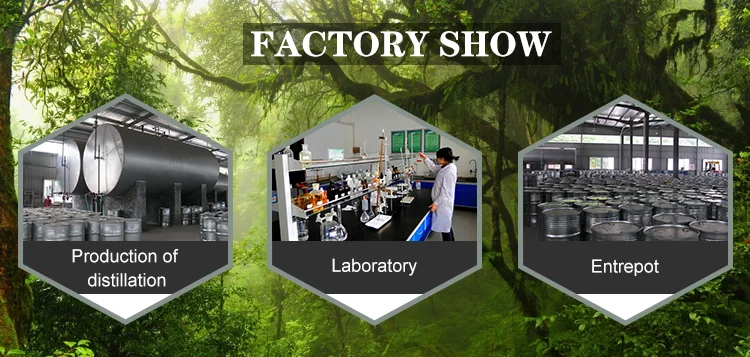
We are professional essential oils manufacturer with more than 15 years’ experience in China, we have our own farm to plant the raw materials, so we can make sure our essential oil is 100% pure and natural with competitive price.
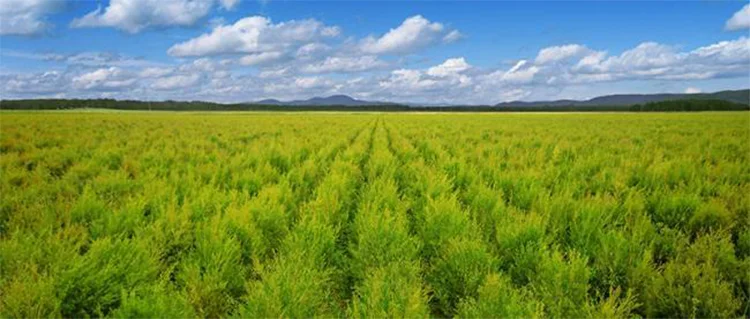
Our factory has first-class testing equipment, high-performance liquid chromatography and various experimental facilities. We can produce all kinds of essential oil which are widely used in cosmetics, Aromatherapy, massage and SPA, and food & beverage industry, chemical industry, pharmacy industry, textile industry, and machinery industry, etc.


We have shipped the essential oils to thousands of customers from more than 30 countries, we keep spirit of win-win cooperation with our customers for mutual benefits. Ariel Biologicals firmly believes that: with powerful technical strength, advanced production equipment, excellent co-working team, mature experience, sound management system and far-sighted philosophy, we can support our customers successfully in their markets.
We Recommend
New Arrivals
New products from manufacturers at wholesale prices