Vitamin B9 CAS 59-30-3 Folic acid 99% Food and Pharmaceutical Grade
What is Vitamin B9?
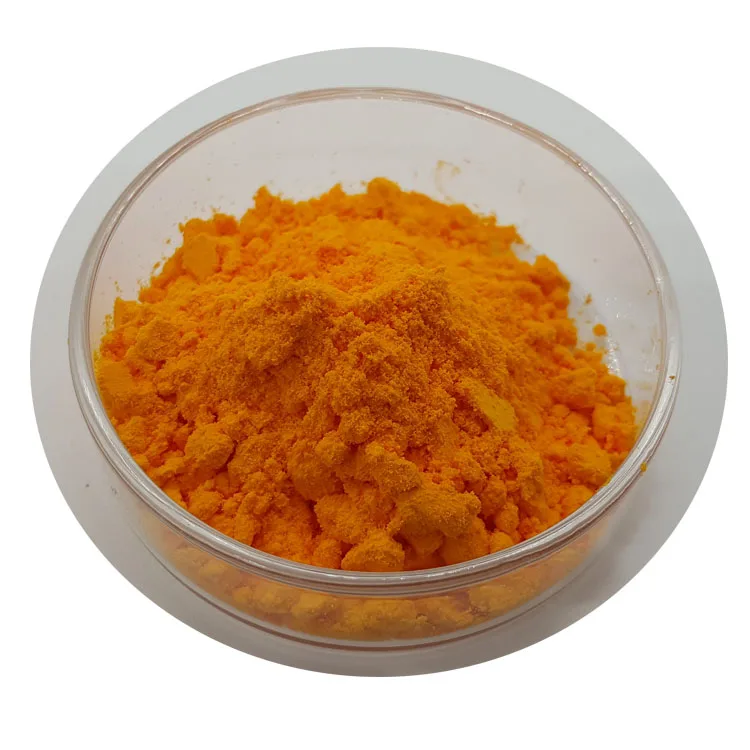
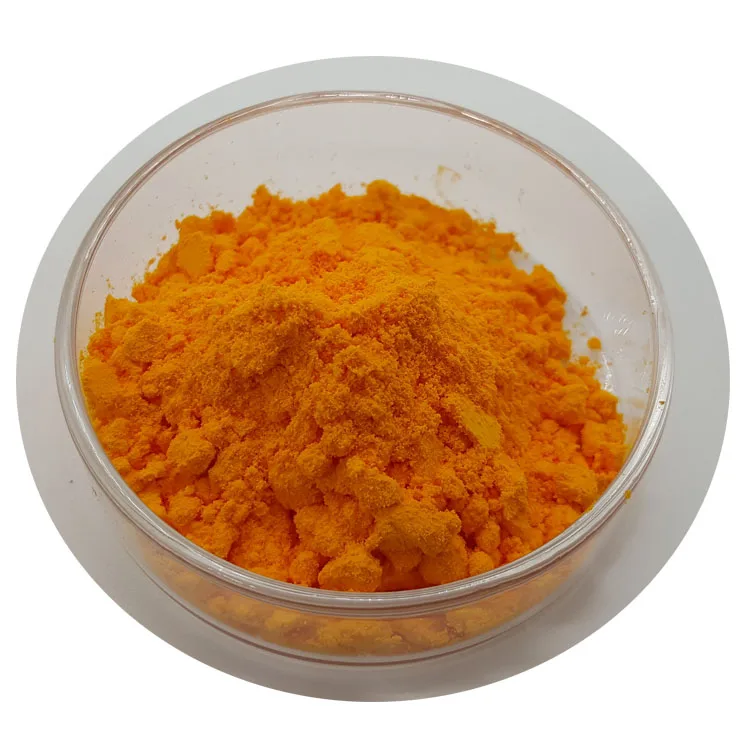
Folic acid is a derivative of pteridine that was first isolated from the liver and later found to be so abundant in the green leaves of plants that it was named folic acid. It is widely found in meat, fresh fruits, vegetables, yellow crystalline powder, tasteless and odorless, insoluble in alcohol and ether and other organic solvents, but slightly soluble in hot water. It is unstable in acidic solution and is easily destroyed by light.
A vitamin needed to synthesize DNA, conduct DNA repair and methylate DNA, it also acts as a cofactor in biological reactions involving folate.
Packing
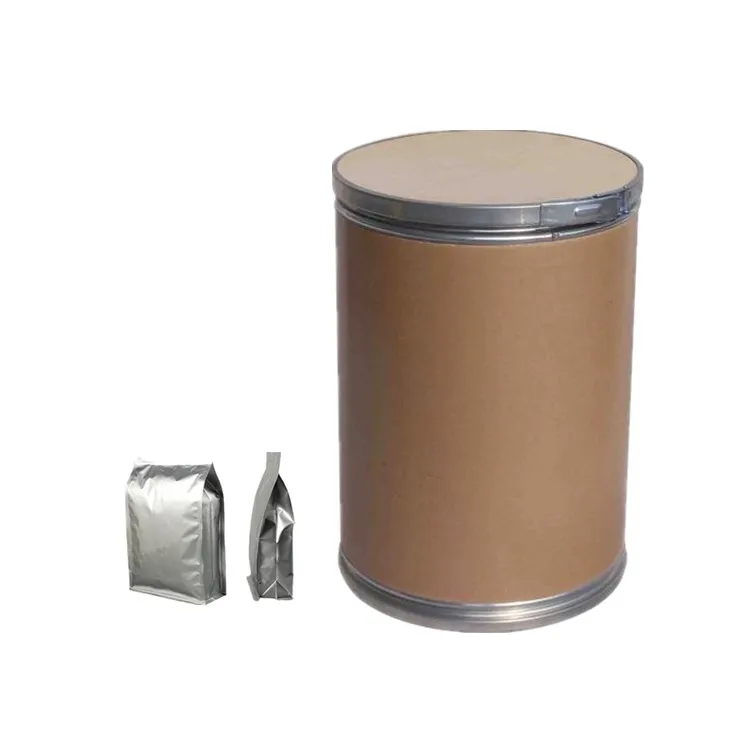
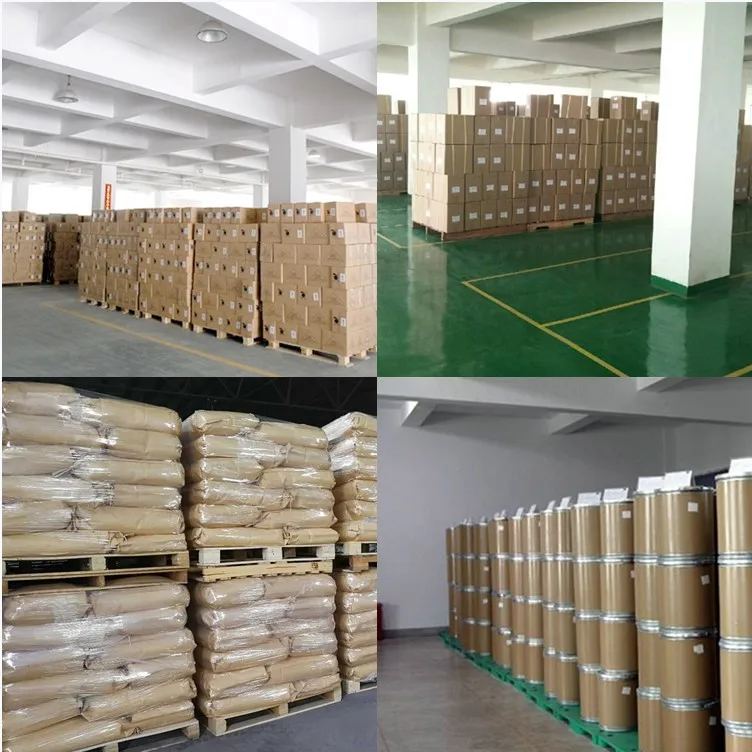
25KGS/DRUM
Storage condition
Store in a tightly closed container. Store in a cool, dry, well-ventilated area away from incompatible substances. Store protected from light.
Specifications
Items
Standard
Appearance
Yellow or orange crystalline powder
Identification
A256/A365=2.80-3.00
Assay
97.0-102.0%(on dry basis)
Water
≤8.5%
Residue on Ignition
≤0.3%
Related compounds
≤2.0%
Residue solvents
conforms
Application:
Medical applications
(1) the effect of folic acid on neural tube malformation in neonates
0.4 mg of folic acid is used to prevent fetal neural tube malformation. According to the study of siliam folic acid project, after the national cooperation project on prevention of neural tube malformation in 250,000 cases between China and the United States, expectant mothers who take 0.4 mg of folic acid during pregnancy can reduce the rate of fetal neural tube malformation by 85%. This result has been widely used in more than 50 countries all over the world.5 mg of folic acid is used to treat anemia in women.
(2) study on the effect of folic acid on other human diseases
Folic acid is not only effective in preventing infants from developing incomplete neural closure, but also plays a role in the prevention of some common human diseases.
(3) study on the effect of folic acid on other diseases
The consumption of folic acid fortified foods had an essential effect on the serum folic acid level of middle-aged and elderly people.Folic acid can reduce the risk of gout in people without a history of gout.The deficiency of folic acid will lead to multiple system damage in the body. In the digestive system, colitis and chronic atrophic gastritis will occur, increasing the risk of colon cancer and stomach cancer.Folic acid supplementation can inhibit the recurrence rate of colorectal cancer. A certain concentration of folic acid can inhibit the growth of ovarian cancer cells by affecting the metabolism of folic acid. Folic acid may enhance the cytotoxic effect of chemotherapy drugs on ovarian cancer, thus enhancing the sensitivity of ovarian cancer to chemotherapy.
Applications on animals
(1) application of folic acid in pigs
The results showed that adding 2.5mg /kg of folic acid significantly increased the daily weight gain of piglets in the whole period, significantly increased the serum protein concentration, DNA, RNA and protein content in the liver, and significantly reduced the serum urea nitrogen concentration.At the same time, it was found that the higher dose of folic acid decreased the
growth performance of piglets.
(2) application of folic acid in dairy cattle
There are few studies on folic acid in ruminant animals. It is generally believed that ruminant rumen microorganisms can synthesize folic acid and make good use of it. The amount of folic acid required by dairy cattle during pregnancy is large, and it still needs to be added from the diet.In the tissue metabolism of high-yielding dairy cattle, folic acid and choline can provide a
carbon group for the body tissue of dairy cattle, which can be used for energy and protein metabolism, purine and DNA synthesis, so as to improve the production performance of dairy cattle.
(3) application of folic acid in chicken breeding
Folic acid of 1.64 mg/kg, 2.14 mg/kg and 2.64mg/kg were added to the diet of crossbred chickens, respectively. The results showed that the dietary intake and average daily weight gain of crossbred chickens were significantly increased with the addition of 1.64 mg/kg.The addition of folic acid can significantly increase the serum protein content of broilers at 21 days old, the addition of 3.0mg/kg can also significantly increase the feed intake and average daily weight gain of broilers, and can significantly reduce the feed weight ratio. In addition, the combination of folic acid and niacin can significantly increase the average daily weight
gain of broilers.Other studies have suggested niacin and folic acid combination can significantly reduce the ratewas abdominal fat weight and abdominal fat rate, improve chest muscle weight, leg muscle and leg muscle rate, and can significantly increase the
thymus index and spleen index of broiler chickens and bursa of fabricius index, also can to a certain extent, improve the content of serum immunoglobulin, significantly reduce serum cholesterol levels, and can improve the dry matter, crude protein, crude fat, crude fiber, organic matter and nitrogen free extract of apparent digestibility.