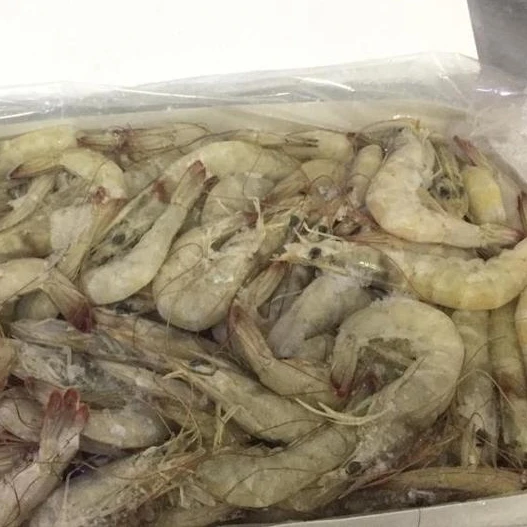

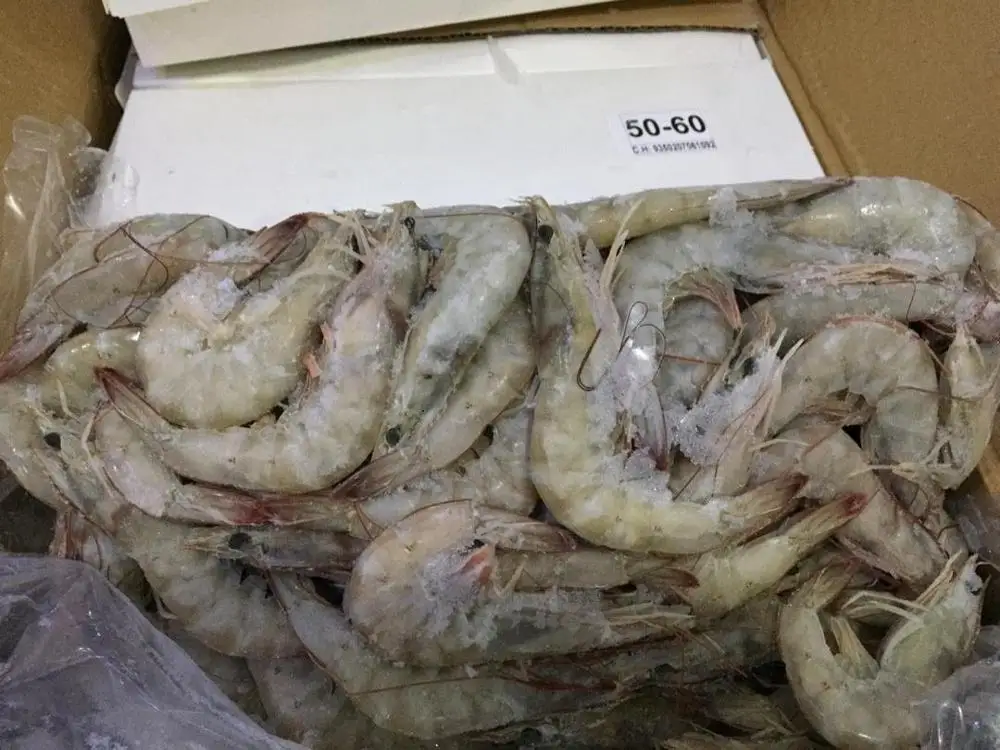
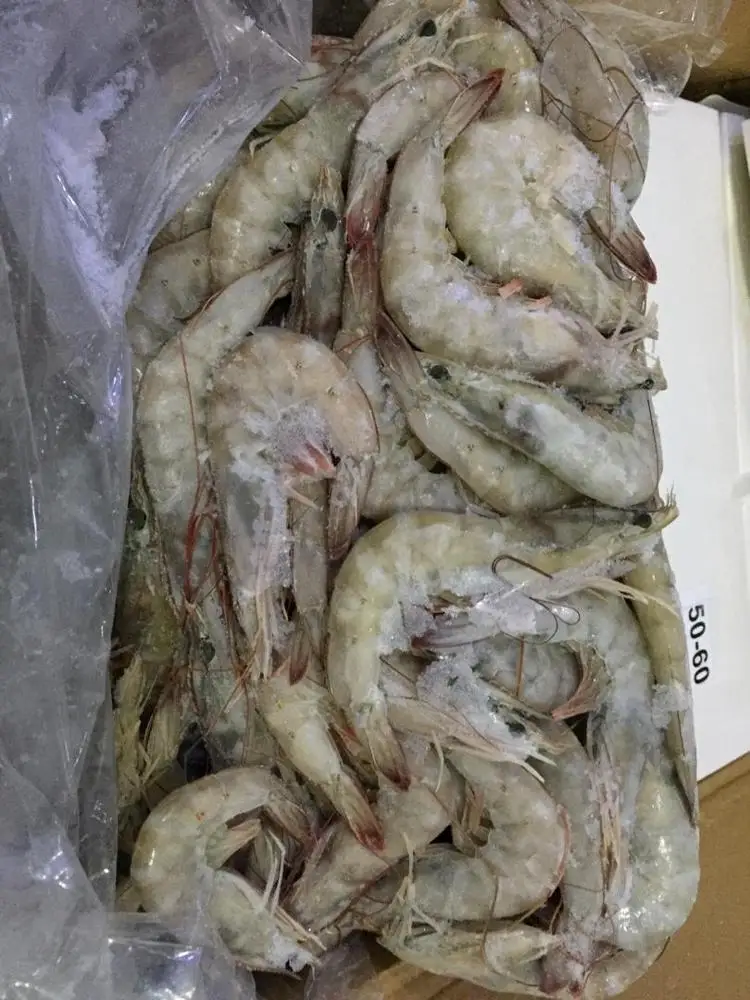
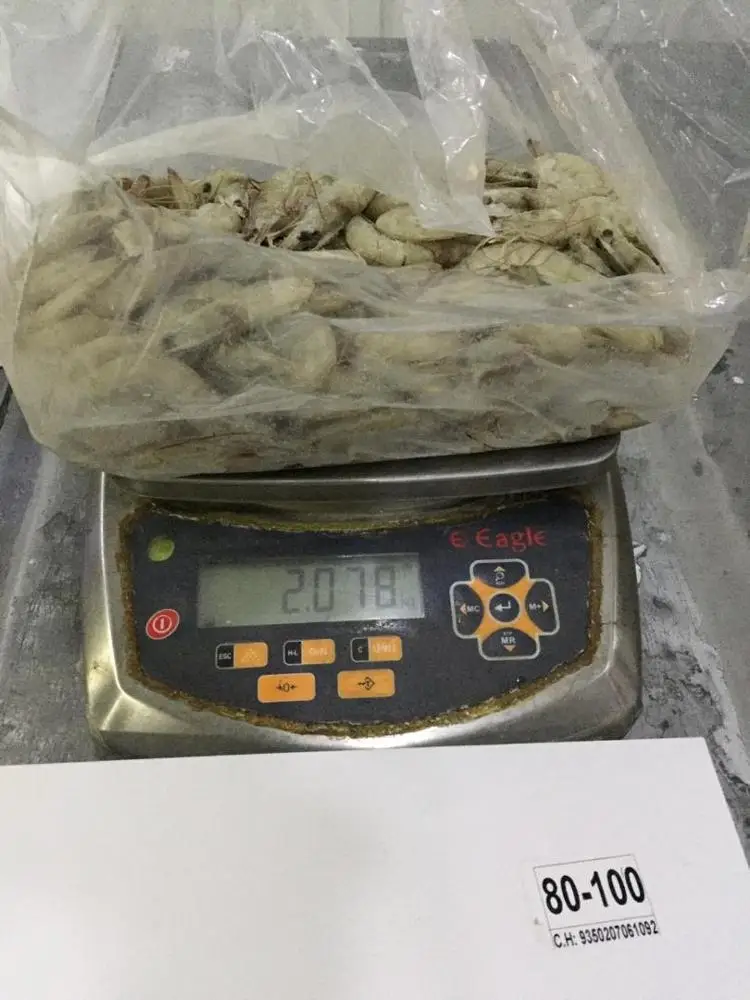
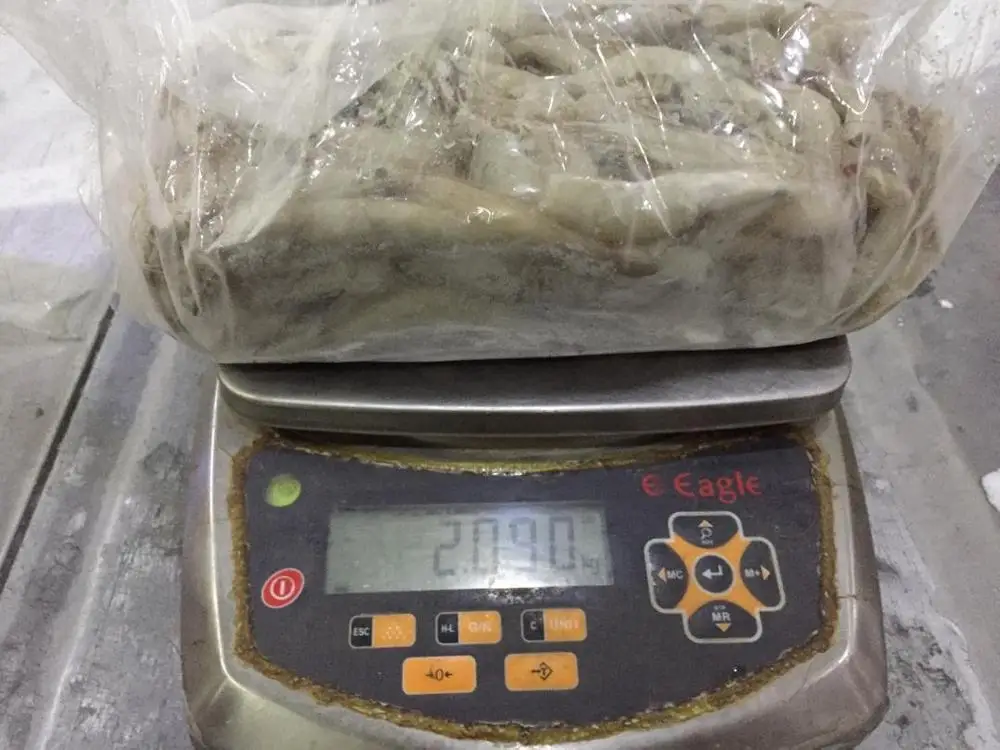
Frozen shrimp

Share on (62462945377):


Price:RUB 78.72 - RUB 472.28

Quantity:


Product Overview

Description

High quality shrimp

Shrimp is one of the most commonly consumed types of shellfish.
It is quite nutritious and provides high amounts of certain nutrients, such as iodine, that aren't abundant in many other foods.
On the other hand, some people claim that shrimp is unhealthy due to its high cholesterol content.
Additionally, it is commonly believed that farm-raised shrimp may have some negative health effects compared to wild-caught shrimp.
This article will explore the evidence to determine if shrimp is a healthy food to include in your diet.

Vannamei Shrimp

Shrimp Is Low in Calories yet Rich in Nutrients

Shrimp has an impressive nutrition profile.
It is quite low in calories, providing only 84 calories in a 3-ounce (85-gram) serving, and does not contain any carbs. Approximately 90% of the calories in shrimp come from protein, and the rest come from fat.
Additionally, the same serving size provides more than 20 different vitamins and minerals, including 50% of your daily needs for selenium, a mineral that may help reduce inflammation and promote heart health .
Here is an overview of the nutrients in a 3-ounce (85-gram) serving of shrimp:
Calories: 84
Protein: 18 grams
Selenium: 48% of the RDI
Vitamin B12: 21% of the RDI
Iron: 15% of the RDI
Phosphorus: 12% of the RDI
Niacin: 11% of the RDI
Zinc: 9% of the RDI
Magnesium: 7% of the RDI
Shrimp is also one of the best food sources of iodine, an important mineral that many people are deficient in. Iodine is required for proper thyroid function and brain health.
Shrimp is also a good source of omega-6 and omega-3 fatty acids, in addition to astaxanthin antioxidants, which may have a variety of health benefits.
Frozen Shrimp

Shrimp Contains Antioxidants

The primary type of antioxidant in shrimp is a carotenoid called astaxanthin.
Astaxanthin is a component of algae, which is consumed by shrimp. For this reason, shrimp is a major source of astaxanthin. In fact, this antioxidant is responsible for the reddish color of shrimp cells.
When you consume astaxanthin, it may help protect against inflammation by preventing free radicals from damaging your cells. It has been studied for its role in reducing the risk of several chronic diseases.
First, many studies have found astaxanthin may help strengthen arteries, which may reduce the risk of heart attacks. It may also help increase levels of "good" HDL cholesterol, an important factor in heart health.
In addition, astaxanthin may be beneficial for brain health. Its anti-inflammatory properties may prevent damage to your brain cells that often leads to memory loss and neurodegenerative diseases, such as Alzheimer's.
Despite these findings, more human research is needed to determine the overall role that the astaxanthin in shrimp may have on overall health.

Here is an overview of the nutrients in a 3-ounce (85-gram) serving of shrimp:

Calories: 84

Protein: 18 grams
Selenium: 48% of the RDI
Vitamin B12: 21% of the RDI

Iron: 15% of the RDI
Phosphorus: 12% of the RDI
Niacin: 11% of the RDI
Zinc: 9% of the RDI

0.3319 s.