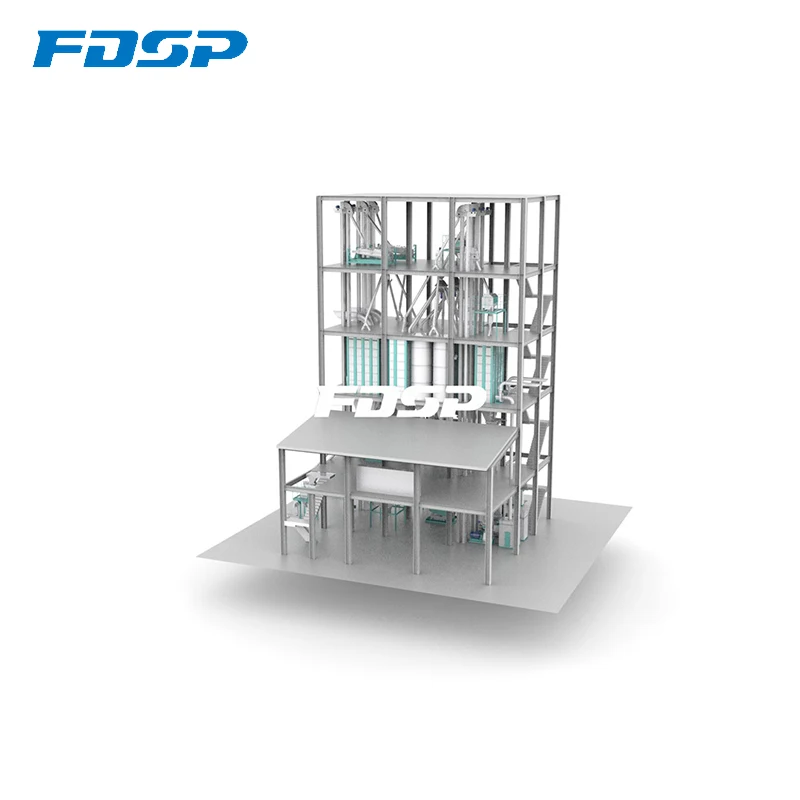
SZLH420 Series 8 15 t/h ruminants feed pellet production line
- Category: >>>
- Supplier: Jiangsu Liangyou Zhengda Co. Ltd.
Share on (62467394654):
Product Overview
Description
SZLH420 Series 8-15 t/h ruminants feed pellet production line
Ruminant feed definition:
Ruminant feed: ruminant feed includes feed for ruminants such as cattle, raises, and camels. Ruminating means that after a period of time, the food that is half-digested in the stomach is returned to the mouth and chewed again. The ruminant is an animal that has a way of digesting this kind of digestion. Ruminant feed concentrate and full blend diet.

raw material:
The raw materials of ruminant feed mainly include: corn, wheat, barley, soybean meal and other grain raw materials (similar to livestock and poultry feed), and also contain raw materials such as grass, hay and straw.
Process flow introduction:
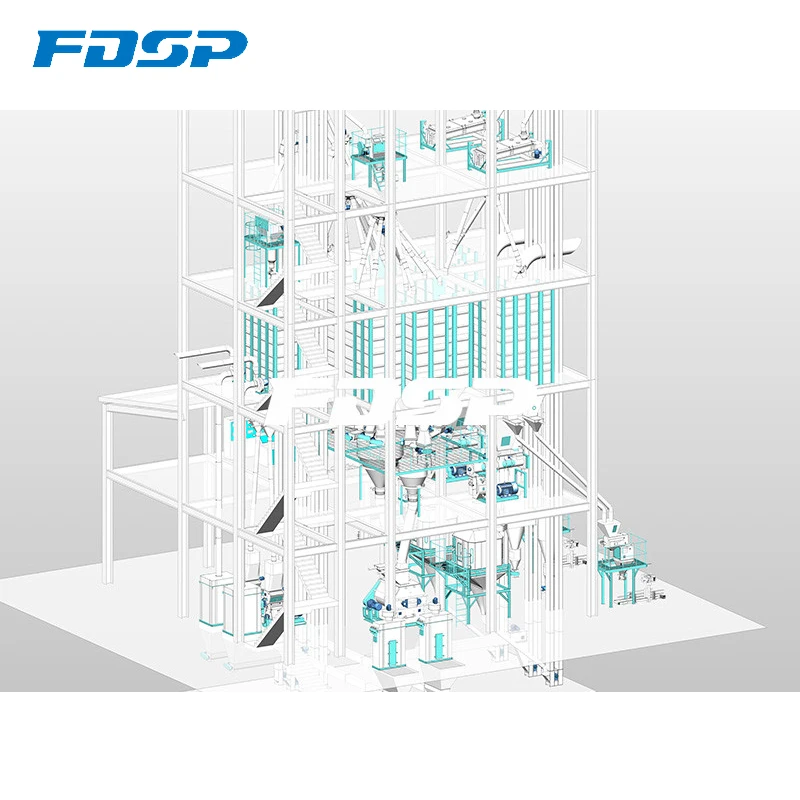
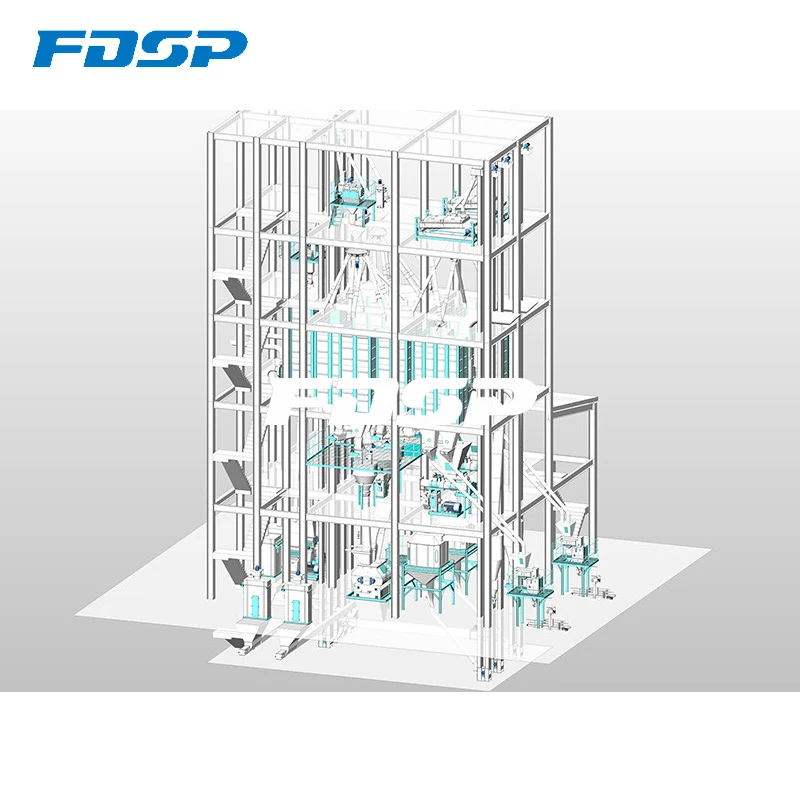
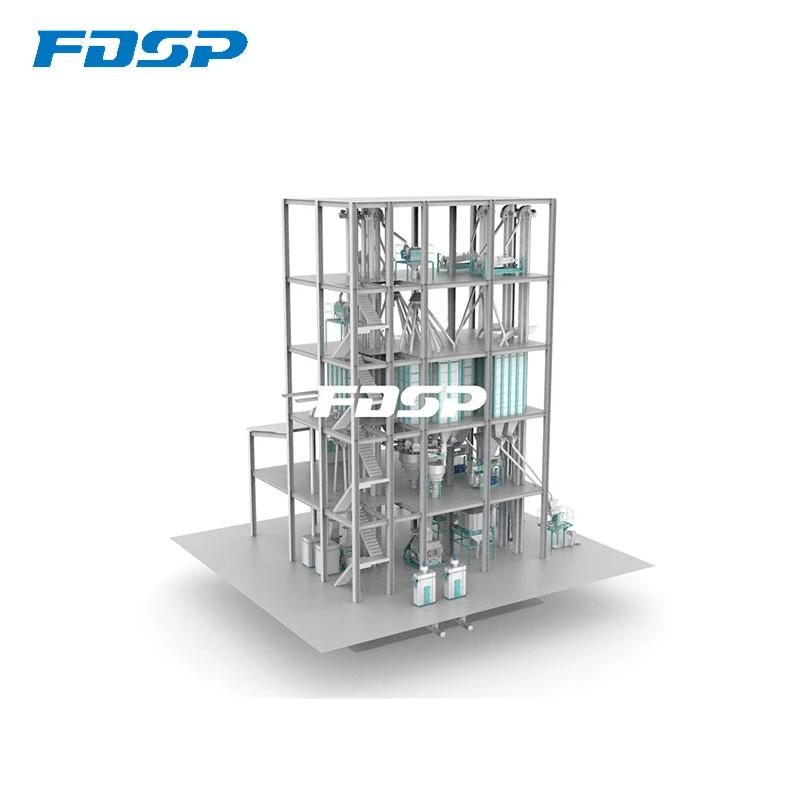
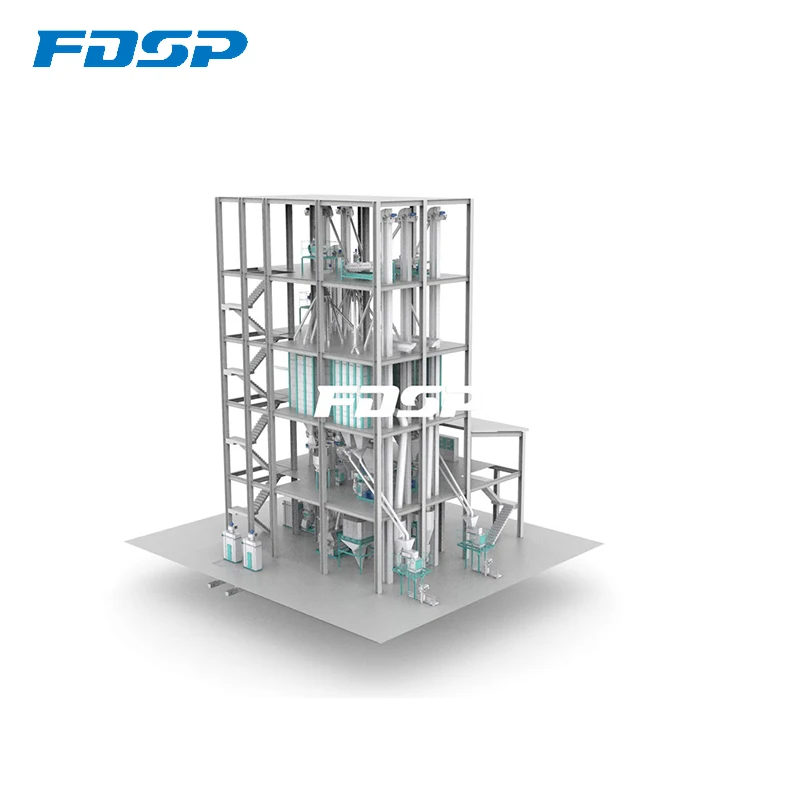
The ruminant feed is characterized by coarse pulverization (screen size 4-8mm), low curing and quenching requirements (the granulator uses a single layer conditioner), and the finished granules are large in diameter (particle diameter is about 4-10mm). The two-line SZLH420 anti-feeding material is designed to produce 20-30T/H, using two crushing lines, one batching mixing line, two granulating lines and two packing lines. The total power of the equipment is about: 700KW; the construction area of the production area is about 21*17.5*28m; the 2T boiler is matched. The whole line is compact in design, reasonable in structure, meets environmental protection requirements, and can be oriented according to customer requirements.

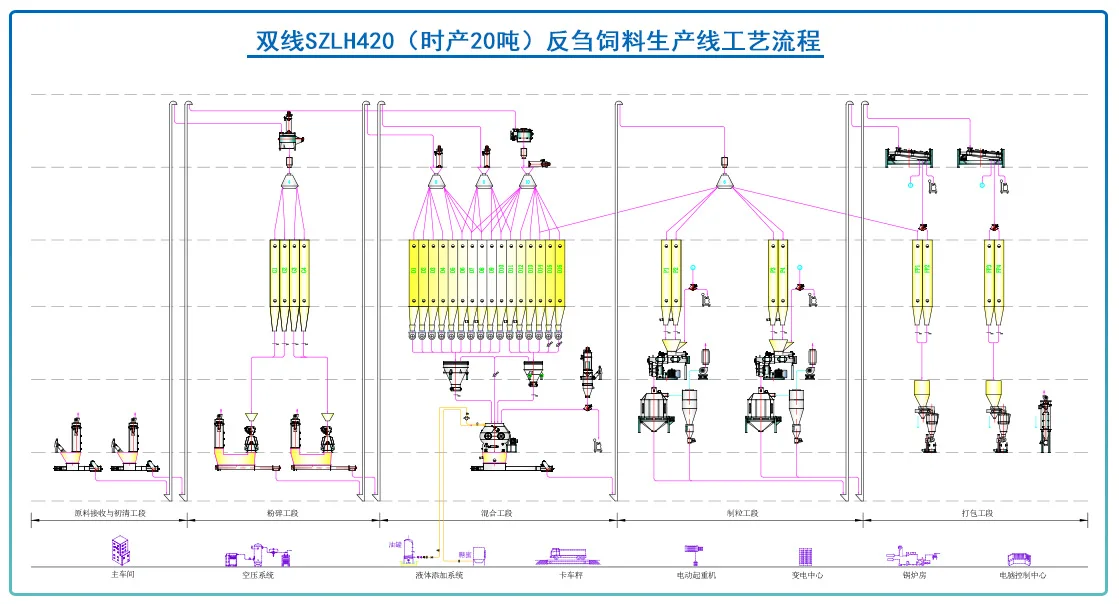
Process diagram:
Raw material receiving and cleaning section, pulverizing section, batch mixing section, granulation section, packing section, auxiliary section.
Section introduction:
Raw material receiving and cleaning section: The function of cleaning is to clean the impurities in the raw materials, including large impurities, such as non-magnetic impurities such as ropes, clods, corn cobs and magnetic impurities such as iron nails, to ensure the quality of the products and the safety of the subsequent processing equipment.This section is divided into pellets for material cleaning and powder material cleaning.

Cleaning equipment: pellet sieve SCY100, designed to produce 30-40T/H;
powder sieve SQLZ90X80X110, designed to produce 30-50T/H.
Crushing section: Since the crushing fineness requirements of the ruminant feed are very thick, two small-power pulverizers are used in this section, and four pulverized silos are arranged above the pulverizer. Before the raw materials are put into the warehouse, the magnetic separator is used to remove impurities to ensure the safe operation of the crusher. The impurity-removed material enters the pulverization chamber for pulverization. The pulverized material is then transported by a screw conveyor into a bucket elevator and introduced into the batching bin through the distributor. In addition to the screw conveyor, the pulverized material is equipped with an auxiliary suction system, which not only saves energy, but also prevents dust from overflowing, lowers the temperature of the material and improves the pulverization efficiency.

Crushing equipment (2 sets): pulverizer SFSP668*800, 90KW, designed to produce 10-15T/H.
Ingredient mixing section: A formulation designed according to the nutritional needs of different animals, using a specific device to accurately weigh the various raw materials. Mixing is an operation in which various feed ingredients are blended under external force to make them evenly distributed after being metered. The working section adopts two batching scales and 16 batching bins, of which the small materials are manually added with inspection scales. After the material ingredients are completed, they enter the mixer for mixing, and finally the material is output through the scraper and lifting.

Weighing equipment: batching scale PCS20/PCS10, batching accuracy ≤ 3‰.
Mixing equipment: Mixer SHSJ4, 30KW, 2000kg/P, designed to produce 24-30T/H. The mixing uniformity CV ≤ 5%.
Granulation section: The purpose of granulation is to make finely divided, dust-prone, poorly palatable and difficult-to-ship feeds into pellets by the action of heat, moisture and pressure in the granulation process to improve the palatability of the feed. Reduce feed-to-meat ratio, reduce feed waste and reduce environmental pollution. Two single-layer quenching and granulating machines are used in this section, and four granules to be granulated are arranged above the granulator. After the granulation, two coolers are respectively added (since the ruminant feed has no broken material, the crusher is not included in the section), and then the sifting sieve is used for screening, the finished product is put into the packing bin, and the rest is returned to granulation or bagging.

Granulation equipment: SZLH420, 110KW, designed to produce 8-15T/H.

Cooling equipment: SKLN6, 1.1+1.5KW, 6m3 volume, designed to produce 10-15T/H.

Packing section: The pellets or powders in the finished product warehouse need to be packaged and packaged by an electronic automatic baler. The finished products that do not need to be packaged are transported away by the bulk truck.

Packing equipment: belt scale, packing range 20-50kg/bag, 6-8 packs/min.
Auxiliary section: dust removal system, dust removal at the packing mouth, improve the working environment of workers; grease addition system, common mixers to improve the palatability of the feed; add molasses, suitable for ruminants, can be set by manual feeding port, 3% can be added Configure the molasses addition system.

Packaging & Shipping
All our export products are firstly soft packing, like wrapping in the film and then packed in the iron pallet or iron case, according to the condition, which is very suitable for the sea shipping. And packing list for each container or shipping mark is on each small packing unit, which is convinient for customers checking the goods.

We Recommend


New Arrivals
New products from manufacturers at wholesale prices