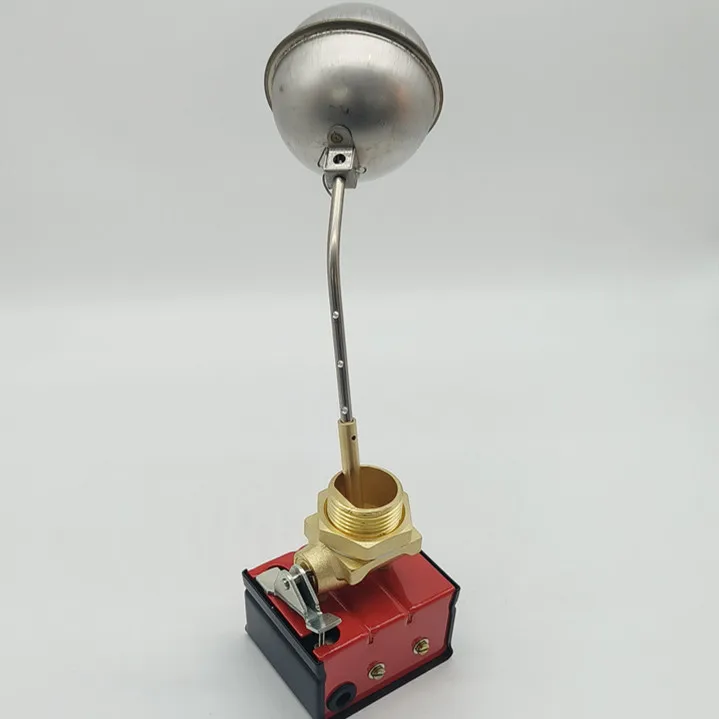
K NA CL CA PH LI Reference Electrode for ISE Electrolyte Analyzer
US $649.00-$745.00
Share on (62496446944):
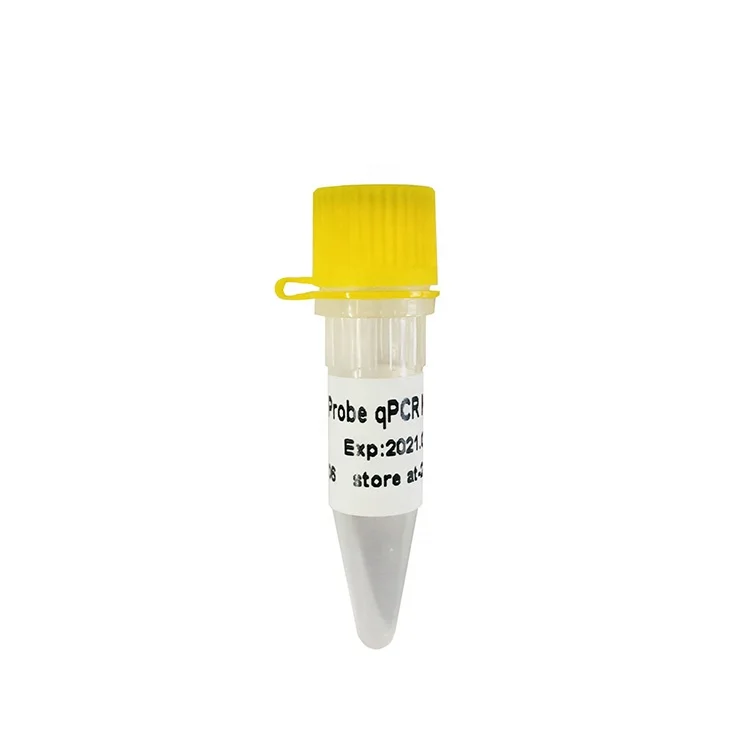
HS Probe qPCR Mix with UDG
For research use only
Components
Component | P2301 | P2302 |
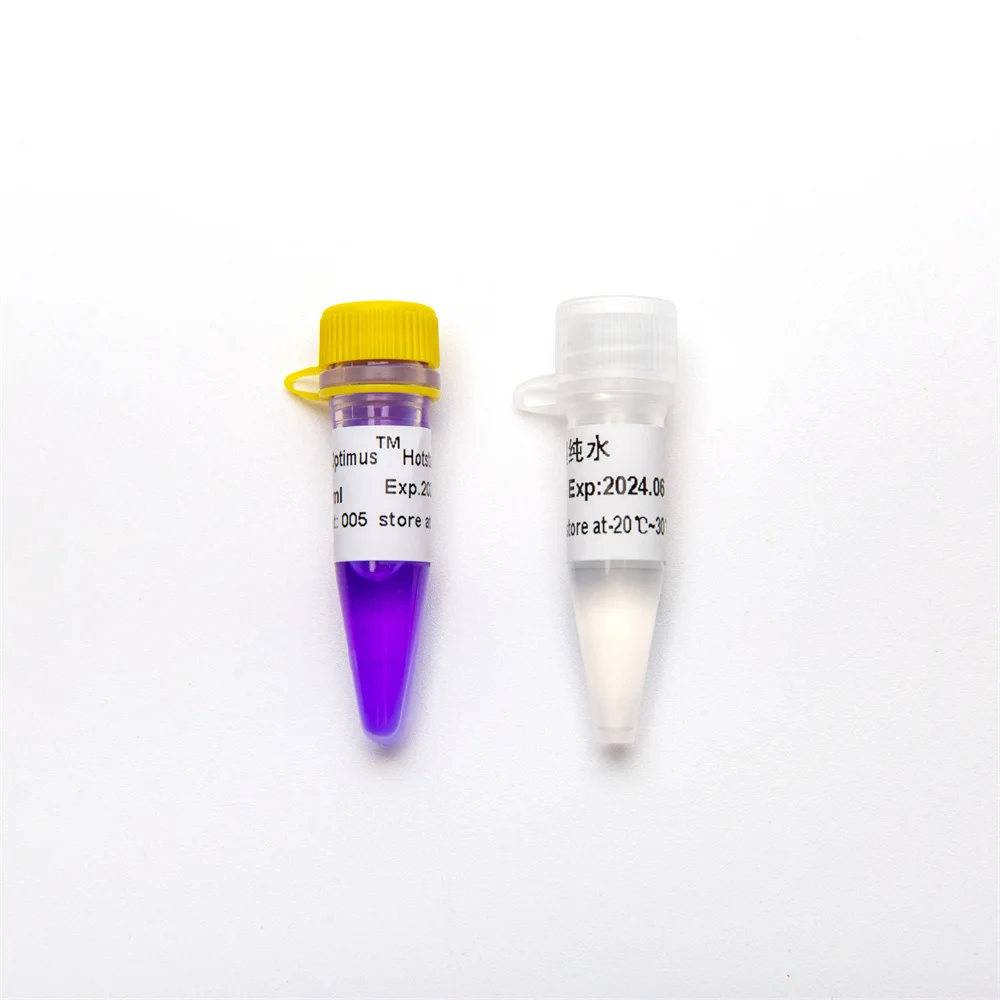
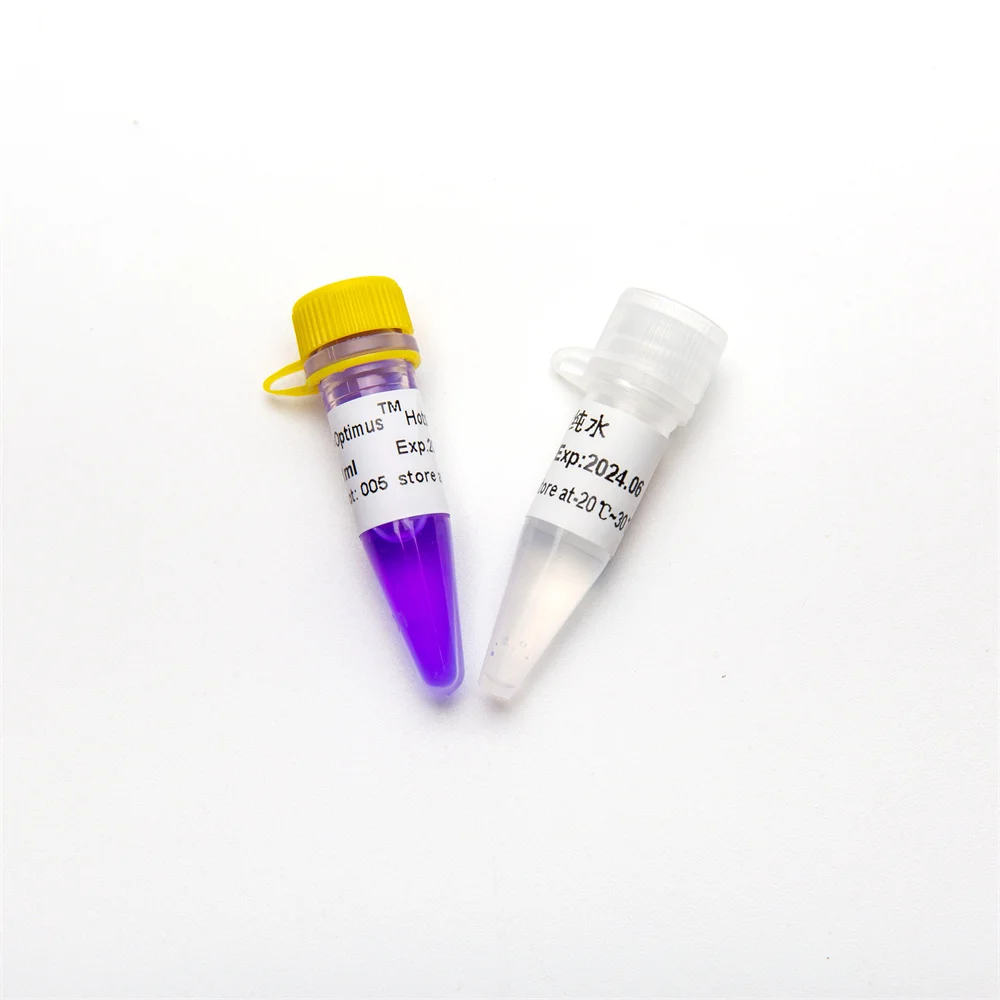
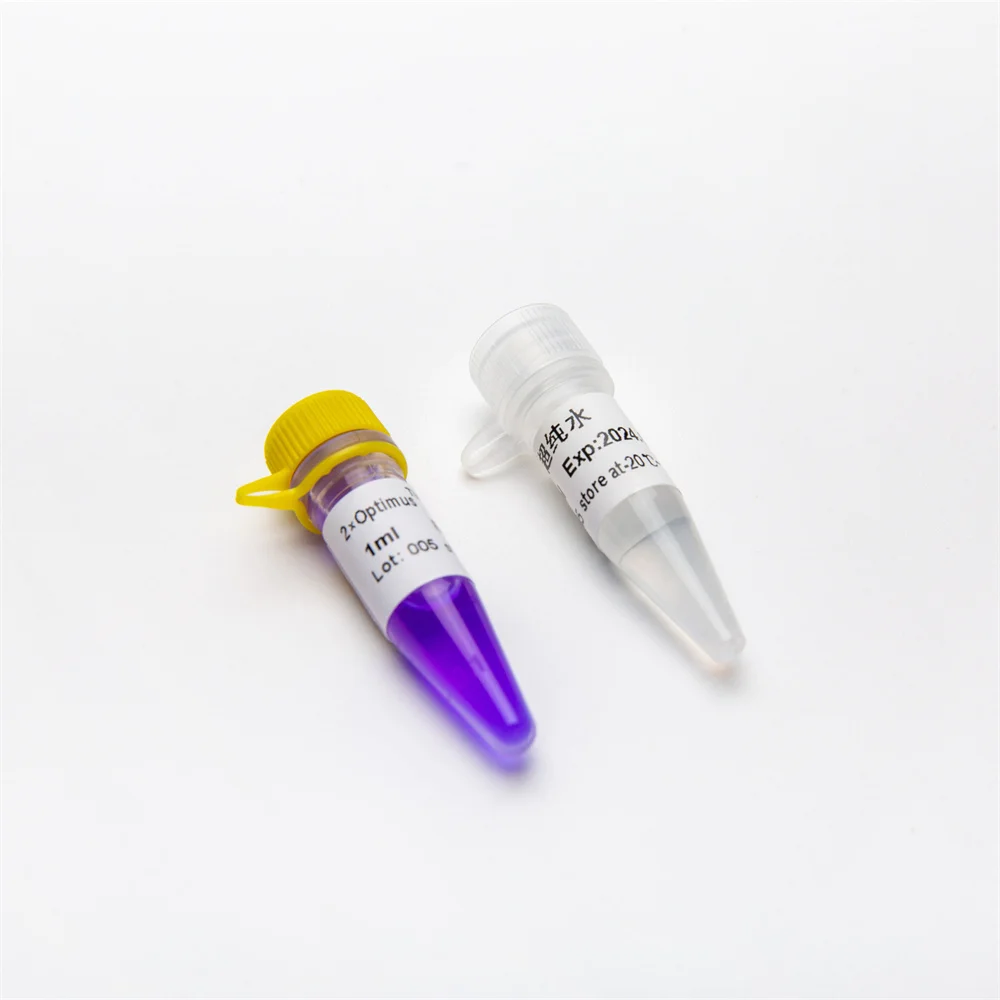
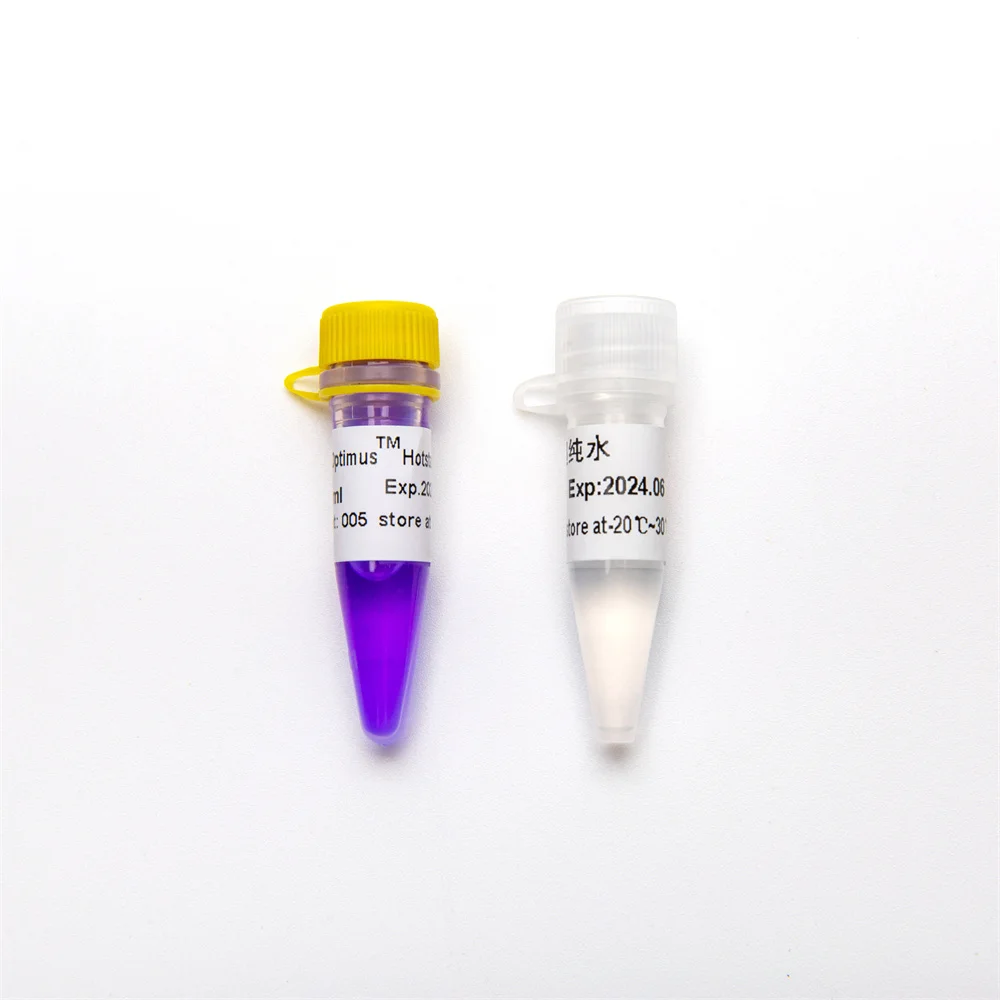
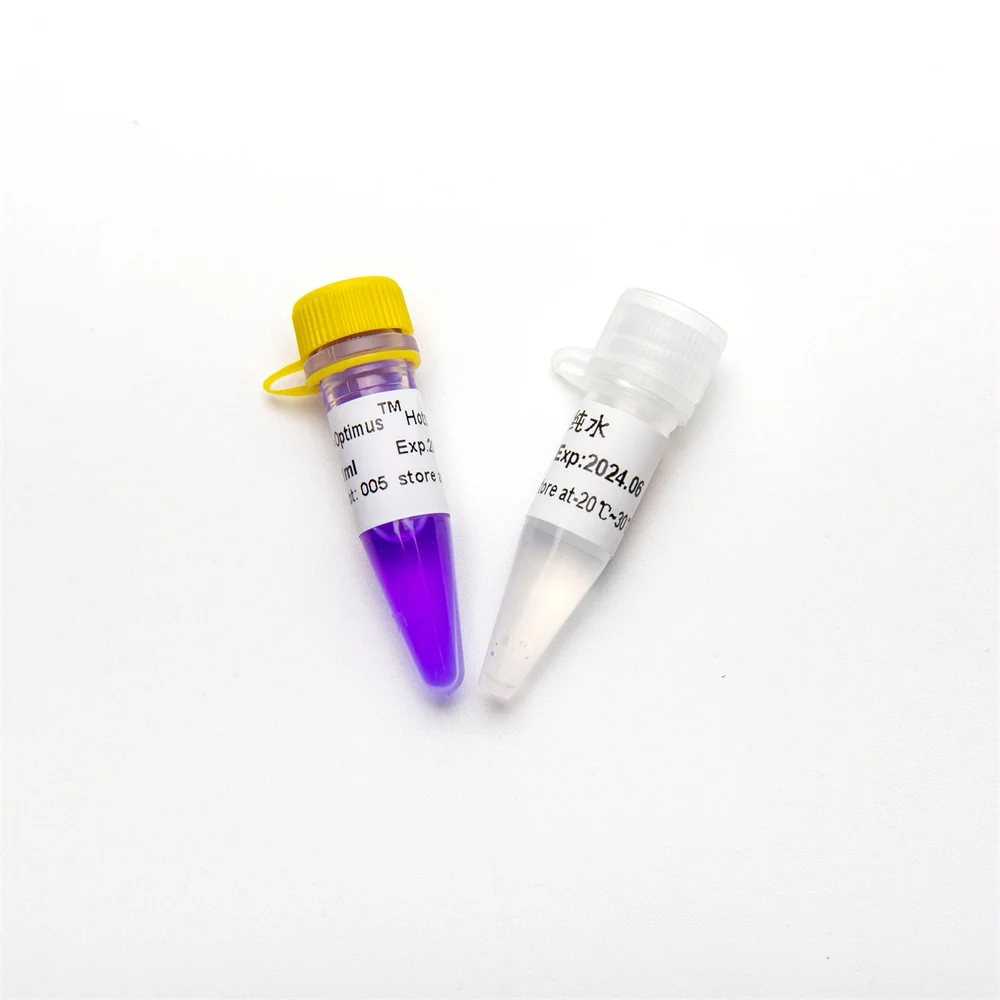
2× HS Probe qPCR Mix with UDG | 1 ml | 1 ml × 5 |
Nuclease-free Water | 1 ml | 1 ml × 5 |
Storage
This reagent can be stored for 2 months at 4°C. For longer storage, it should be kept at -20°C.
Description
HS Probe qPCR Mix with UDG is designed for high-performance, high-throughput real-time PCR using sequence-specific fluorogenic probes. It contains the components (except primers, DNA template and probe) that necessary to perform PCR. The core component of the mix is OptimusTM Hotstart Taq DNA Polymerase, a hot-start polymerase with antibody-like modification, which brings high specificity by reducing non-specific products as the polymerase activity is temperature-dependent and inhibited at room temperature. Combined with well-optimized buffer, it can significantly improve amplification efficiency. This reagent introduced dUTP/UDG system, which can remove the PCR products containing dUTP before PCR reaction, and effectively avoid the influence of cross-contamination of amplification products on the quantification. This product is perfectly compatible with common quantitative PCR instruments, such as ABI, Roche, Bio-Rad, etc.
Applications
• Probe gene expression analysis
• Probe Low-copy gene detection
• Probe microarray validation
• Probe gene knockdown validation
Features
• This kit is suitable for fluorescence quantification by probe method
• This kit is compatible with many real-time systems
• Hot-start technology brings high specificity and reproducible amplification
• dUTP/UDG system, effectively prevent PCR product contamination
Protocol
This protocol is intended for use with the BioRad iCycler MiniOpticon, Opticon 2, Chromo 4, iQ5; Roche LightCycler 480; MJ Research DNA Engine Opticon 2, Chromo 4; Corbett Rotogene 3000, 6000. Customers need to prepare ROX Reference Dye, if the instrument needs them.
1. Preparation of reaction solution
Add the following reagents to the proper thermal cycler reaction tube or plate on ice:
Component | Volume | Final concentration |
2× HS Probe qPCR Mix with UDG | 10 μl | 1× |
Forward Primer (10μM) | 0.4 μl | 0.2 μM |
Reverse Primer (10μM) | 0.4 μl | 0.2 μM |
Probe (10μM) | variable | 0.1-0.5 μM |
Template DNA | variable | 0.05-5 ng/μl |
Water, nuclease-free | to 20 μl | – |
Note:
• Prepare according to the recommended volume of each instrument.
• The optimal range for primers is 0.1~1.0 μM. In general, the primers with a final concentration of 0.2 μM work well.
• The concentration of the probe used is related to the Real Time PCR amplification instrument, probe species and types of fluorescent label. Please refer to the instructions when using it. Typically, the final concentration is between 0.1 and 0.5 μM.
• Use 1-10ng cDNA or 10-100ng gDNA for each reaction of 20 μl system.
• Users can increase the amount of the the qPCR Mix when using low-copy gene as template.
2. Setup the plate
Transfer the reaction mixture to PCR tubes/plates. Reaction volumes can be reduced to 10 μl if the instrument supports a low volume system.
Cap or seal the reaction tubes/plates then centrifuge briefly to spin down the contents and eliminate any air bubbles.
3. Preform qPCR using the following thermal cycling condition
Set the thermal cycling conditions using default PCR thermal cycling conditions specified in the following tables according to the instrument cycling parameters of the specific primers.
Standard 3-step PCR mode:
UDG pre-treatment | 37ºC | 2 min | 1 Cycle |
Initial Denaturation | 95ºC | 3 min | 1 Cycle |
Denaturation | 95ºC | 10 sec | Cycling Stage 40 Cycles |
Annealing* | 60ºC | 15 sec | |
Extension | 72ºC | 20 sec |
*The instrument do signal acquisition at this stage. The usual annealing temperature is 55-65 ºC. The annealing temperature is generally set to Tm-5 ºC of the primer used, generally not less than 55 ºC. (melting temperature, Tm). Set the time of annealing according to the instrument guide.
2-step PCR mode:
UDG pre-treatment | 37ºC | 2 min | 1 Cycle |
Initial Denaturation | 95°C | 3 min | Holding Stage |
Denaturation | 95°C | 10 sec | Cycling Stage 40 Cycles |
Annealing & Extension* | 60°C | 30 sec |
*The instrument do signal acquisition at this stage. Set the time of annealing according to the instrument guide.
If the reaction performs not well, it is recommended to adopt a 3-step amplification procedure.
4. Analyze the results
Data analysis varies depending on the instrument used. Please refer to your instrument user guide for information.


New products from manufacturers at wholesale prices