low price high quality Sodium Alginate
- Category: >>>
- Supplier: Jinan Grace Industry Co. Ltd.
Share on (62498719396):
Product Overview
Description
Product Description
Sodium alginate, a natural polysaccharide, is stable, soluble, sticky, and safe. In 1881, British chemist E.C. Stanford first carried out scientific research on alginate extracts from brown seaweed. He found that the alginic acid extract had several interesting properties, including its ability to concentrate solutions, form gels, and form films. Based on this, he made several applications for industrial production. However, alginates did not undergo large-scale industrial production until 50 years later. Commercial production started in 1927 and now produces around 30,000 tons per year worldwide, 30% of which is used in the food industry and the rest is used in other industries.
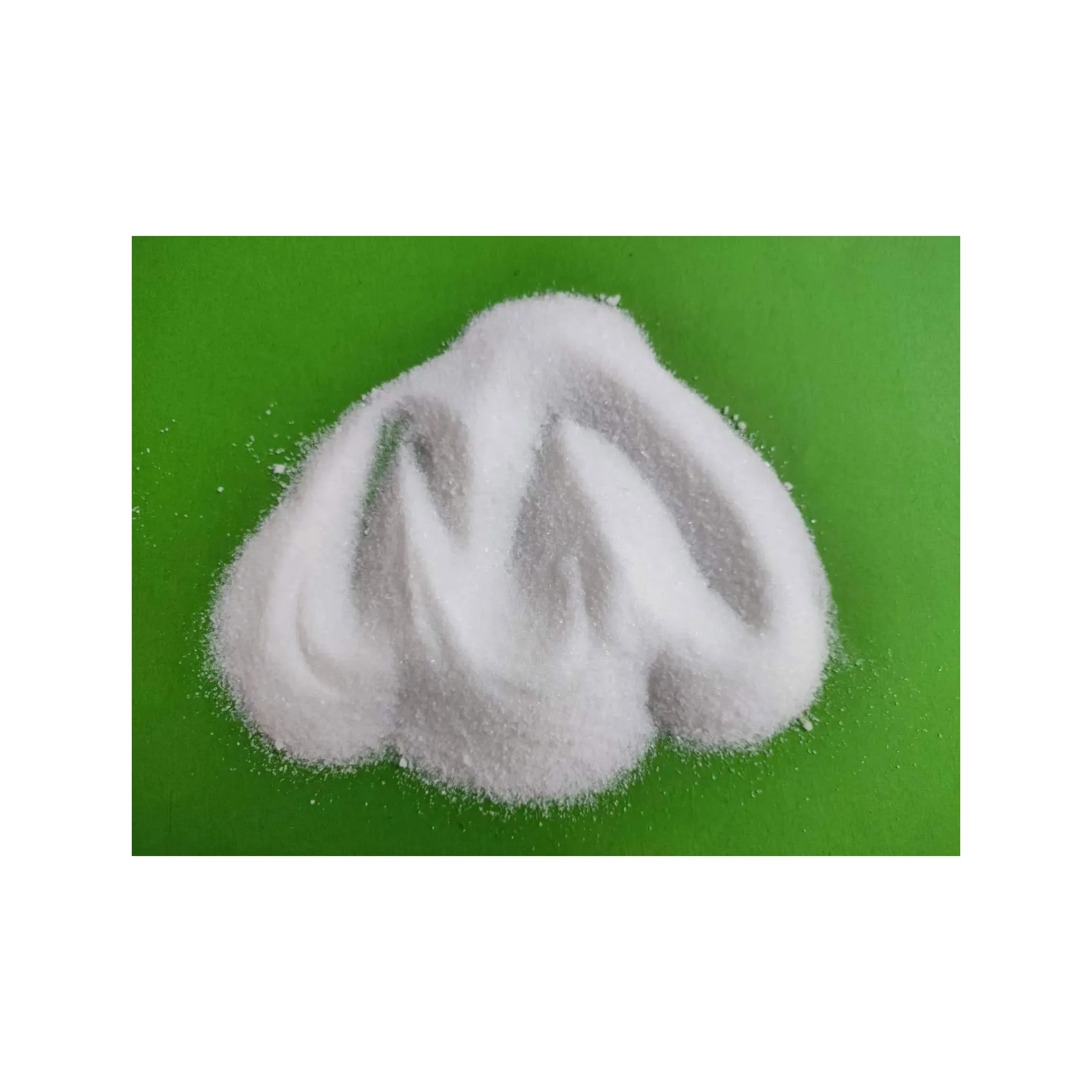
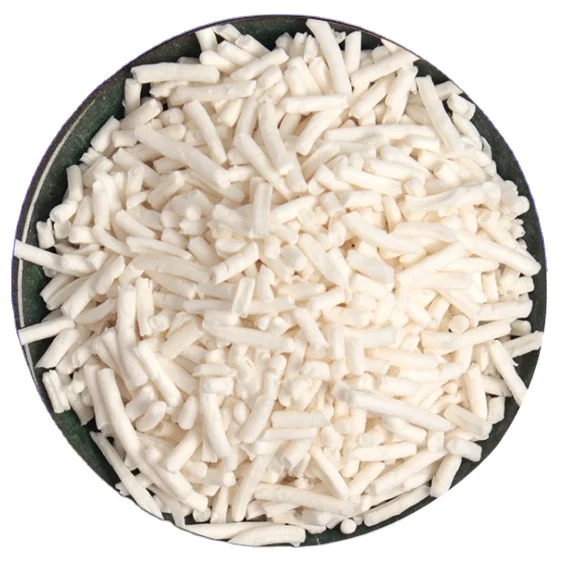
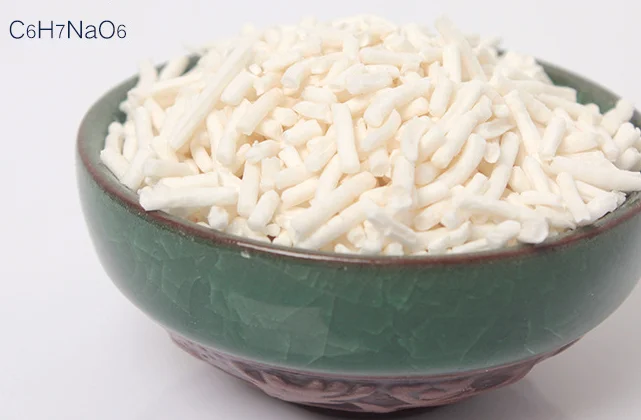
Alginate is white or light yellow powder, almost odorless and tasteless
1. Solubility: Sodium alginate is soluble in water and insoluble in organic solvents such as ethanol, ether and chloroform. Dissolved in water to form a viscous liquid. The pH value of 1% aqueous solution is 6-8. Viscosity is stable when pH = 6-9, viscosity decreases when heated above 80 ℃
2. Toxicity: Sodium alginate is non-toxic, LD50> 5000mg / kg.
3. Gelability: The effect of the chelating agent on the properties of the sodium alginate solution. The chelating agent can complex the divalent ions in the system, so that the sodium alginate can be stabilized in the system.
4.Thickness and film formation
Alginate is white or light yellow powder, almost odorless and tasteless
1. Solubility: Sodium alginate is soluble in water and insoluble in organic solvents such as ethanol, ether and chloroform. Dissolved in water to form a viscous liquid. The pH value of 1% aqueous solution is 6-8. Viscosity is stable when pH = 6-9, viscosity decreases when heated above 80 ℃
2. Toxicity: Sodium alginate is non-toxic, LD50> 5000mg / kg.
3. Gelability: The effect of the chelating agent on the properties of the sodium alginate solution. The chelating agent can complex the divalent ions in the system, so that the sodium alginate can be stabilized in the system.
4.Thickness and film formation


About Us
We Recommend
New Arrivals
New products from manufacturers at wholesale prices