milk of magnesia With Best Price made in india
- Category: >>>
- Supplier: A B ENTERPRISES
Share on (62503881888):
Product Overview
Description
Product Description
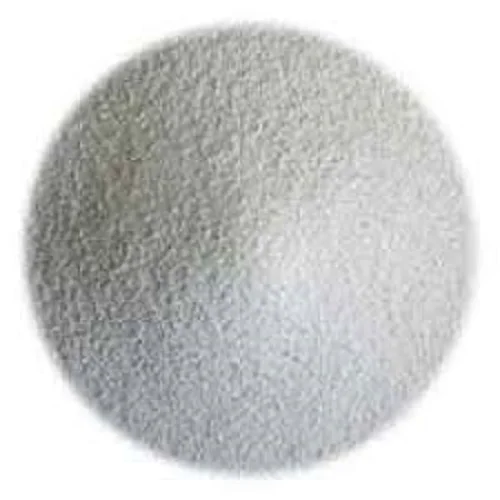
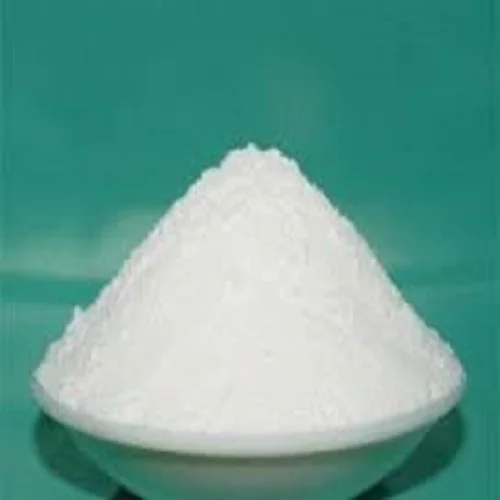
Magnesium Hydroxide
Magnesium hydroxide is the inorganic compound with the chemical formula Mg(OH)2. It occurs in nature as the mineral brucite. It is a white solid with low solubility in water (Ksp = 5.61×10⁻¹²).[5] Magnesium hydroxide is a common component of antacids, such as milk of magnesia, as well as laxatives.
Uses
Precursor to MgO
Most Mg(OH)2 that is produced industrially, as well as the small amount that is mined, is converted to fused magnesia (MgO). Magnesia is valuable because it is both a poor electrical conductor and an excellent thermal conductor.[
Metabolism
Magnesium hydroxide is used in suspension as either an antacid or a laxative, depending on concentration.
As an antacid, magnesium hydroxide is dosed at approximately 0.5–1.5 g in adults and works by simple neutralization, where the hydroxide ions from the Mg(OH)2 combine with acidic H+ ions produced in the form of hydrochloric acid by parietal cells in the stomach to produce water.
As a laxative, magnesium hydroxide is dosed at 2–5 g, and works in a number of ways. First, Mg2+ is poorly absorbed from the intestinal tract, so it draws water from the surrounding tissue by osmosis. Not only does this increase in water content soften the feces, it also increases the volume of feces in the intestine (intraluminal volume) which naturally stimulates intestinal motility. Furthermore, Mg2+ ions cause the release of cholecystokinin (CCK), which results in intraluminal accumulation of water, electrolytes, and increased intestinal motility. Although it has been stated in some sources, the hydroxide ions themselves do not play a significant role in the laxative effects of milk of magnesia, as basic solutions (i.e., solutions of hydroxide ions) are not strongly laxative, and non-basic Mg2+ solutions, like MgSO4, are equally strong laxatives, mole for mole.
Only a small amount of the magnesium from magnesium hydroxide is usually absorbed by the intestine (unless one is deficient in magnesium). However, magnesium is mainly excreted by the kidneys so long-term, daily consumption of milk of magnesia by someone suffering from kidney failure could lead in theory to hypermagnesemia. Unabsorbed drug is excreted in feces; absorbed drug is excreted rapidly in urine.
More Details
| \t | \t |
| \t | \t |
| \t | \t |
| \t | \t |
| \t | \t |
Detailed Images
Packing & Delivery
Our survice
Get In Touch With Us
Our Company
A. B. Enterprises
A. B. Enterprises was established in 1984 with the vision of offering a diverse range of high-quality chemicals to various industries.
We offer a wide array of Industrial Chemicals, Food Chemicals, Organic Solvents and Rubber Chemicals. Our products are used extensively across numerous industries because of its impeccable quality and high efficiency. We serve the demands of a multitude of global manufacturers of paint, chemical, pharma, detergent, food, leather and textile.
Our products are built using the best practices and techniques while under the constant vigilance of industry's leading experts. Our team of experts oversee the raw materials and ensure that only the best quality ingredients are used in our manufacturing process. We have state of the art laboratories which are well-equipped with latest equipments.
All our chemicals are stringently examined for impurities and anomalies. You only receive the best quality chemicals that are made to meet your unique specifications. We ensure timely delivery of chemicals to all parts of India within two working days. Our qualitative offers, market-leading prices and ethical practices are the reason why we have a diverse list of clientele from around the world. We offer chemicals to countries in East Europe, East Asia, Central America, North Europe, Middle East, South America, South/West Europe, South East Asia, North America, Australia/NZ, Indian Subcontinent, Caribbean, East/Middle Africa, South/West Africa and North Africa.
Quality
We are a quality-focussed company. We strive to achieve the highest standards of quality in all our batches of chemicals. We deploy high-impurity chemicals using our world-class manufacturing processes. Our expertly trained staff proficiently monitor the processes and regularly update the techniques of production. We have rigid quality measures that we actively deploy during the manufacturing process. All our chemicals offer you consistent and unrivalled quality.
Achievements & Milestones
We offer a unique grade of organic solvents that can meet the requirements of varied industries. Our rubber chemicals are used by companies across industries such as leather, pharmaceutical, etc. We offer top-notch chemicals that are the used extensively by market leaders in rubber chemicals, water treatment chemicals, leather chemicals and pharmaceutical chemicals.
We have received many awards and accolades over the past three decades for high-performing chemicals and market excellence.
We Recommend



New Arrivals
New products from manufacturers at wholesale prices