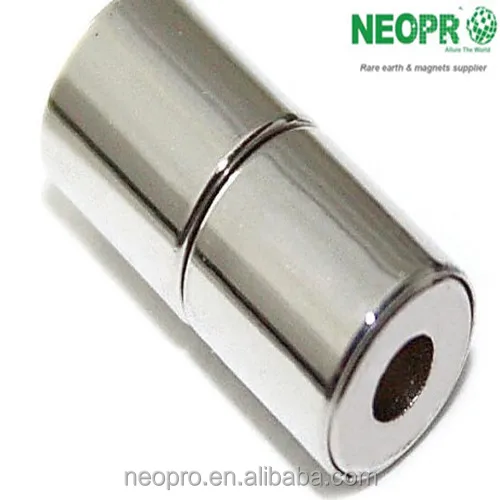
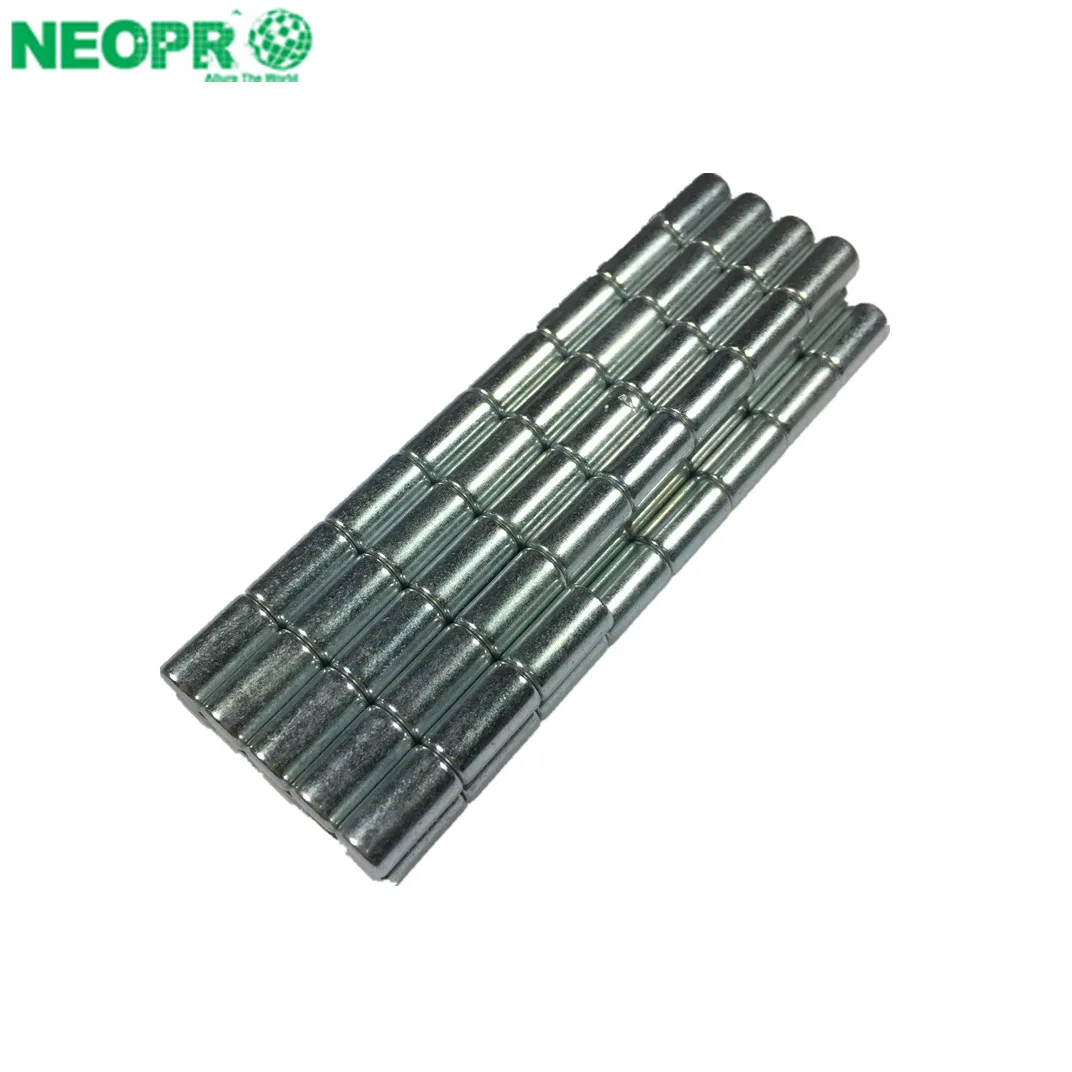
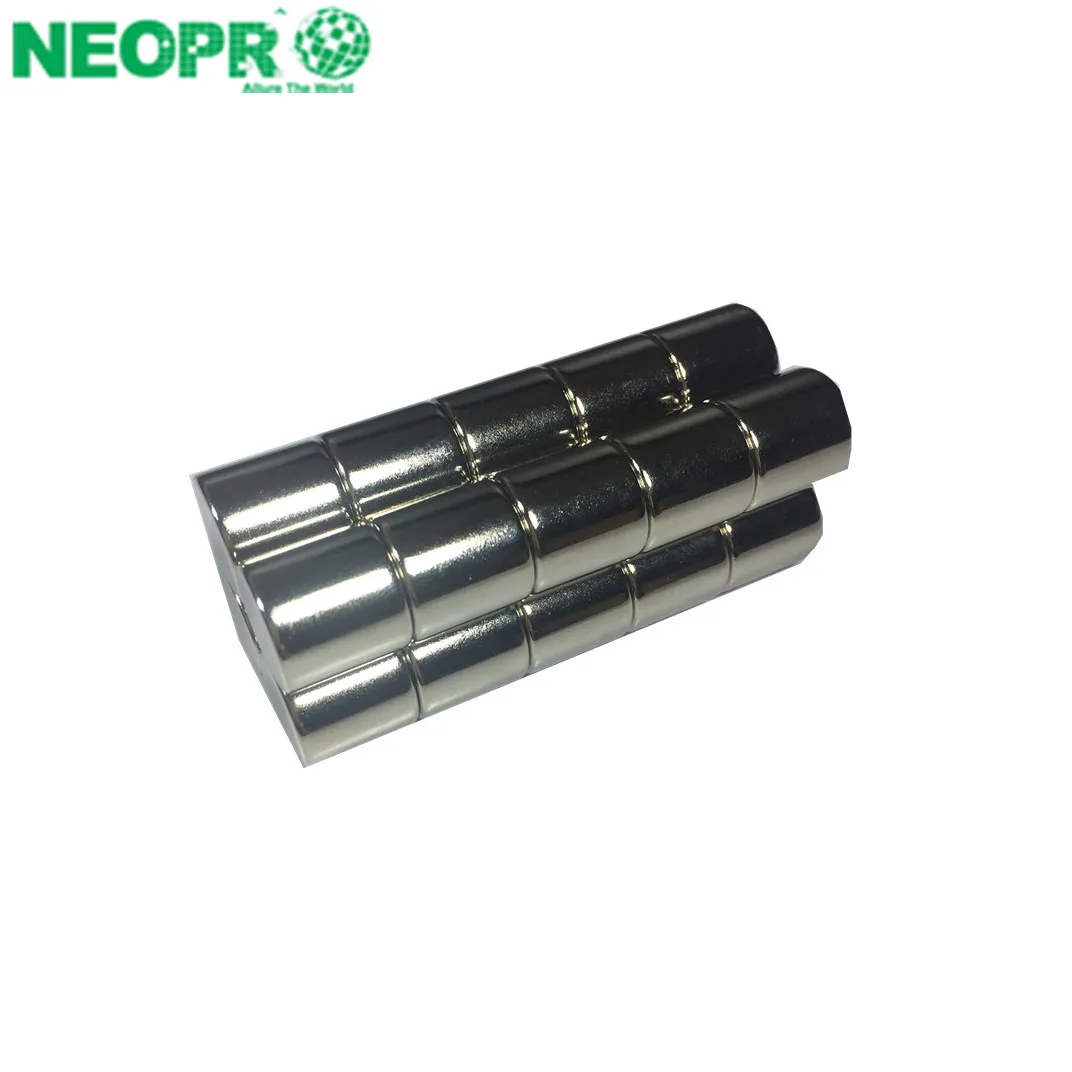
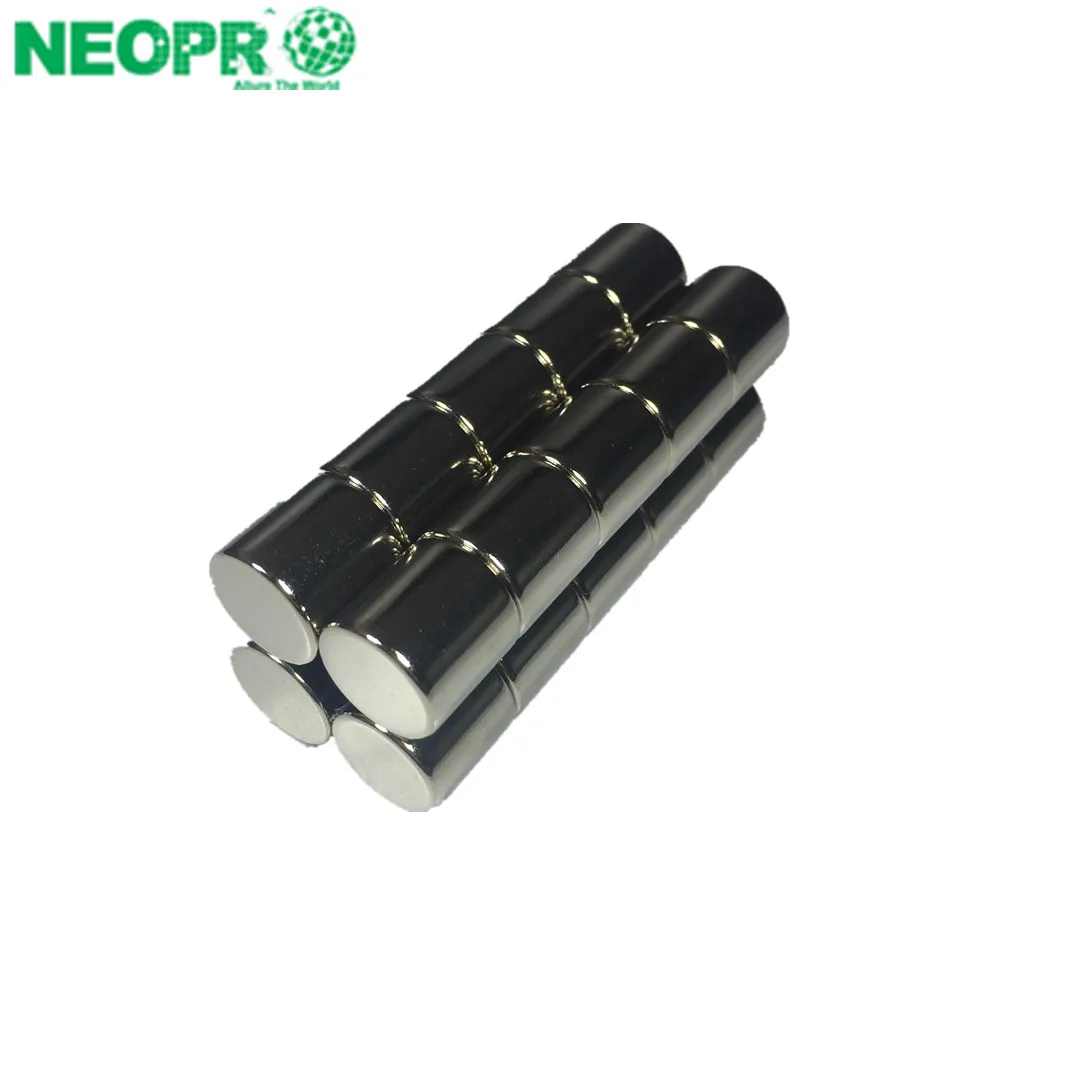
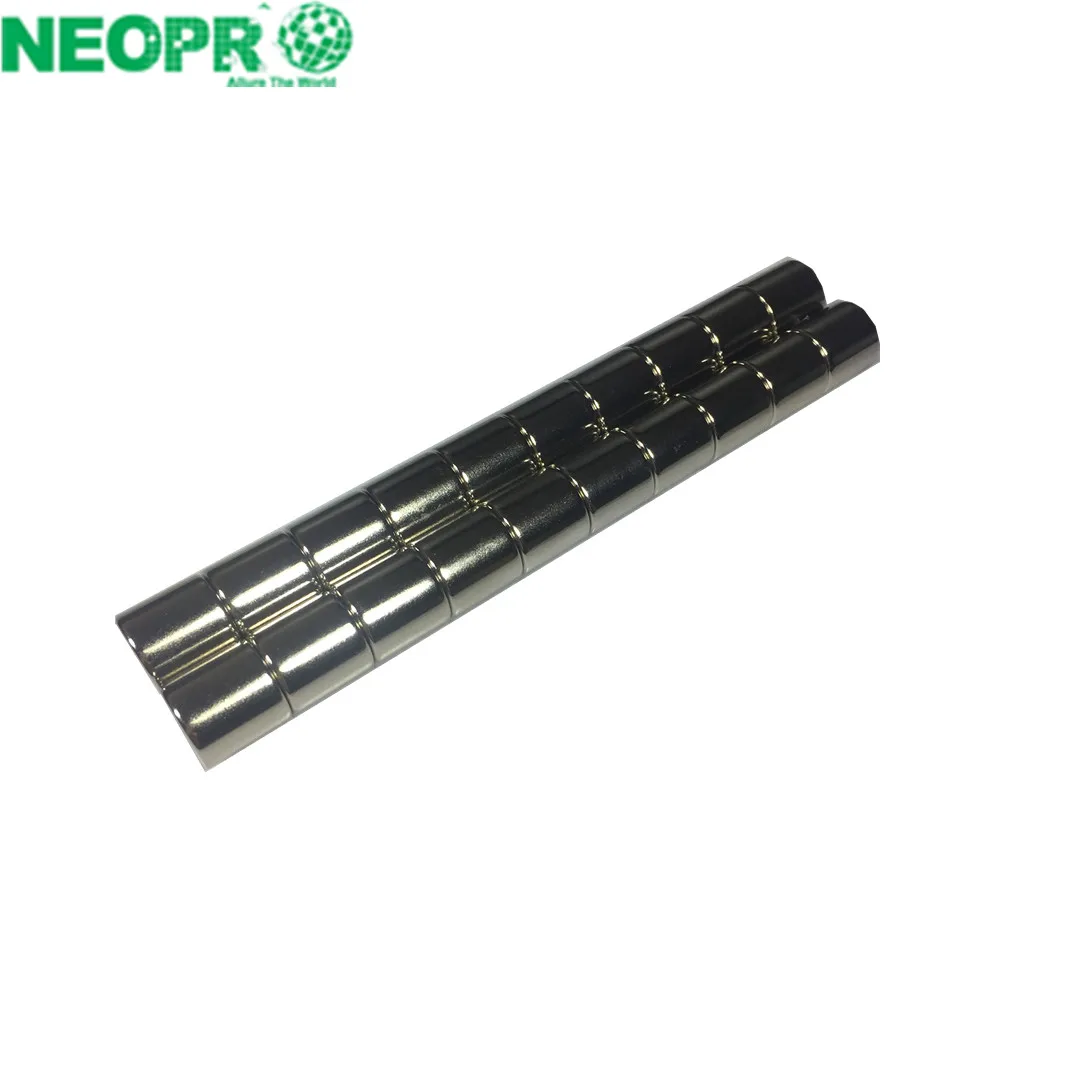
Cylinder magnet countersunk magnet Customized Size
- Category: >>>
- Supplier: Neopro Technology Materials Limited
Share on (662324012):
Product Overview
Description
Product Description
Production Descriptions:
Product Name | N35- N52 Custom Shape Neodymium Magnet Manufacturer, | ||||
| Material | Neodymium Iron Boron | ||||
| Grade & working Temperature
| Grade | Max. Operating Temperatures | |||
| N35-N52 | 80°C | ||||
N35M-N52M | 100°C | ||||
| N35H-N52H | 120°C | ||||
| N35SH-N52SH | 150°C | ||||
| N35UH-N52UH | 180°C | ||||
| N35EH-N35EH | 200°C | ||||
| N35AH-N52AH | 220°C | ||||
| N35EZ-N52EZ | 230°C | ||||
| Size | As customized | ||||
| Shape | Discs/Cylinders,Blocks,Rings,Spheres,Plastic/Rubber,Countersunk,Mounting Magnet,Surplus,Etc. | ||||
| Coating | ZN,NI,NICUNI,EPOXY,GOLD,SILVER,Etc. | ||||
| Density | >7.5g/m³ | ||||
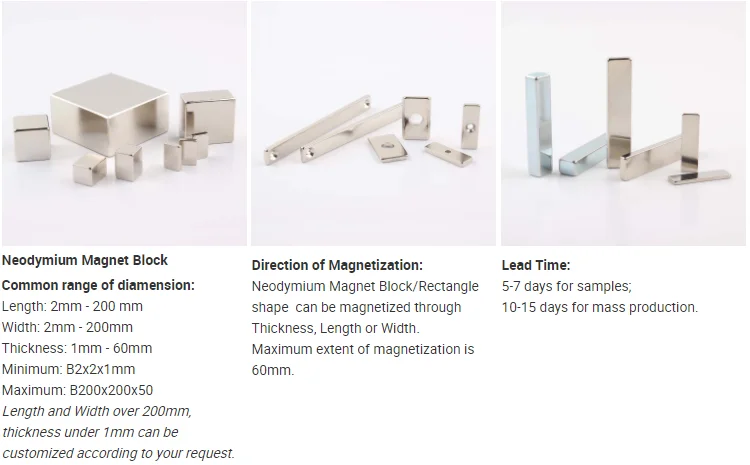
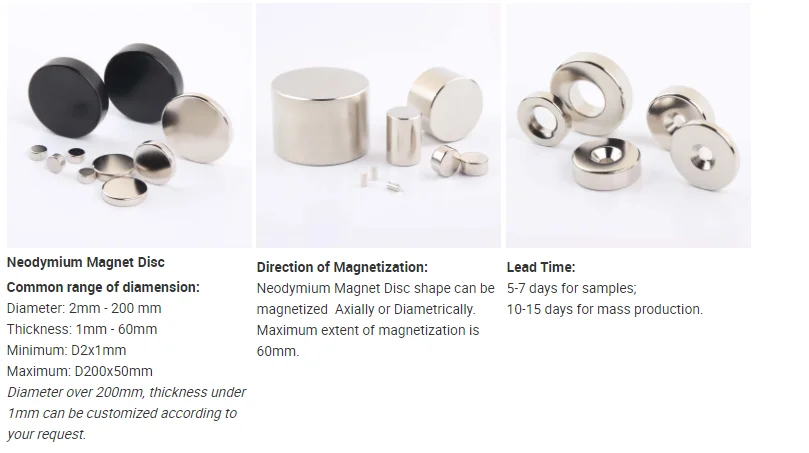
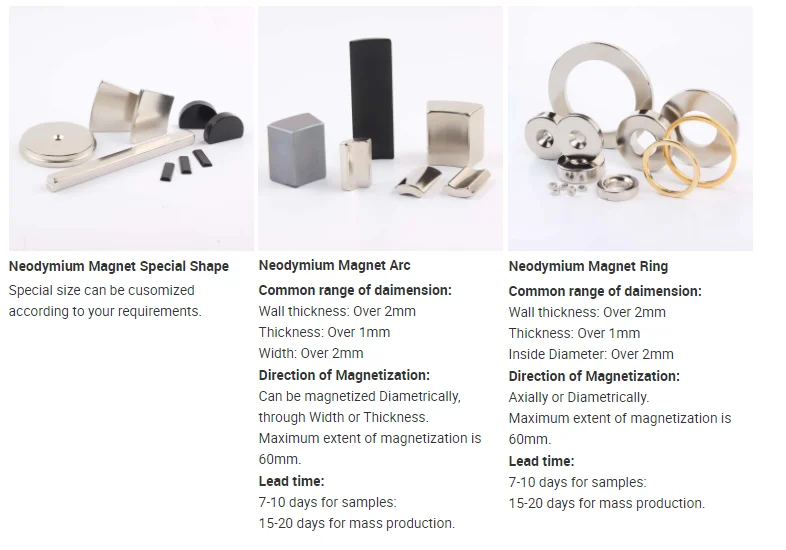
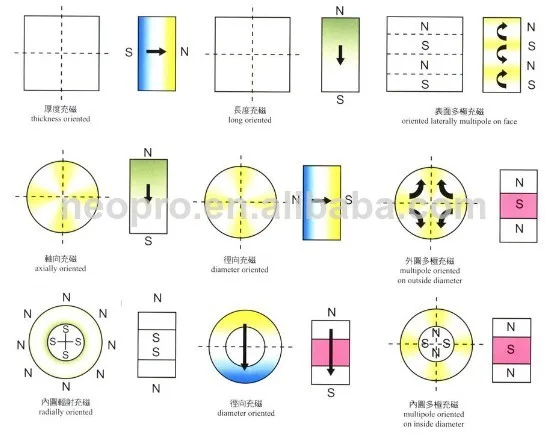
Magnetization
APPLICATION
1.Life consumption: clothing, bag, leather case, cup, glove, jewelry, pillow, fish tank, photo frame, watch;
2.Electronic product: keyboard, display, smart bracelet, computer, mobile phone, sensor, GPS locator,Bluetooth, camera, audio, LED;
3.Home-based: Lock, table, chair, cupboard, bed, curtain, window, knife, lighting, hook, ceiling;
4.Mechanical equipment & automation: motor, unmanned aerial vehicles, elevators, security monitoring, dishwashers, magnetic cranes, magnetic filter.
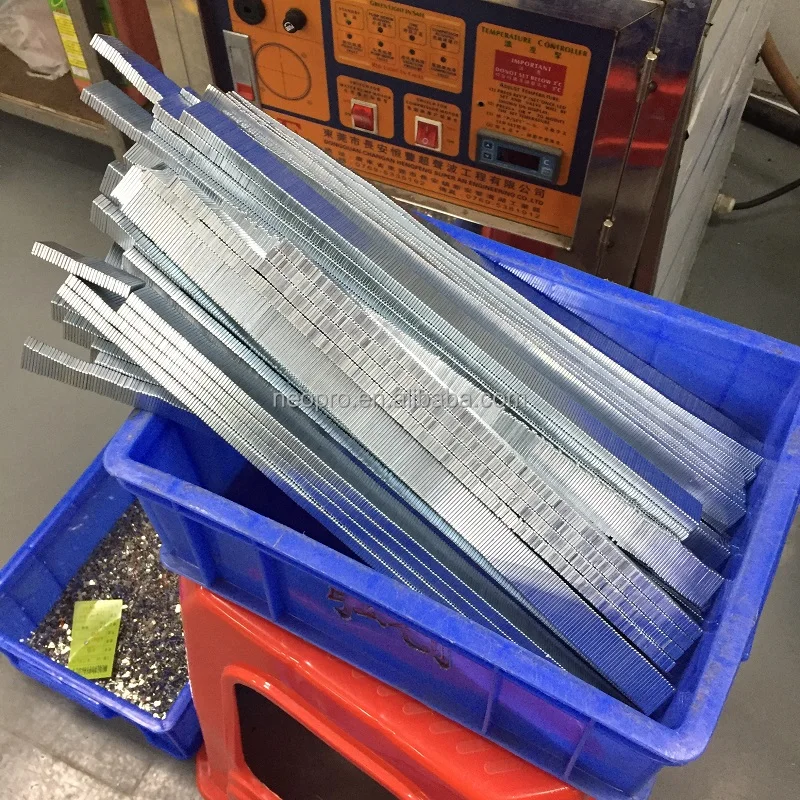
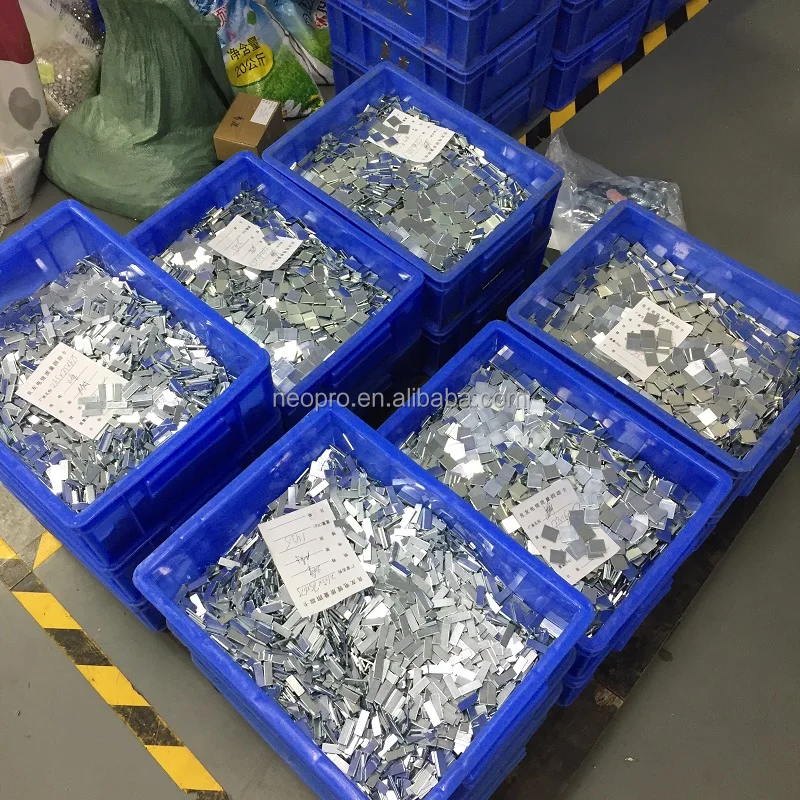
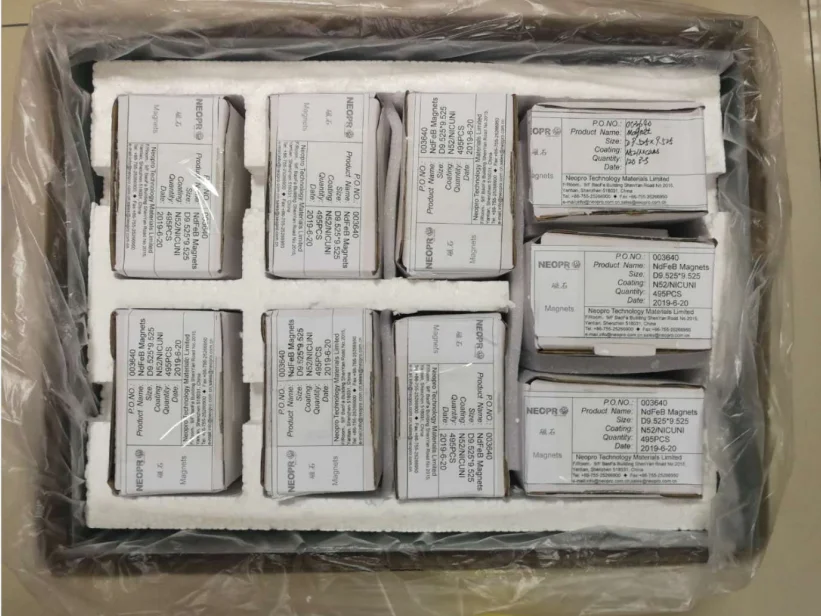
Packaging & Shipping

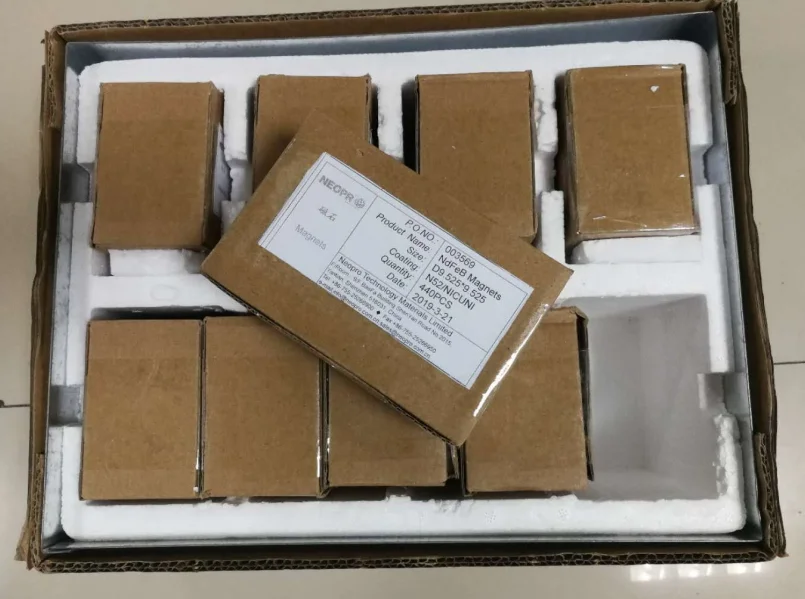
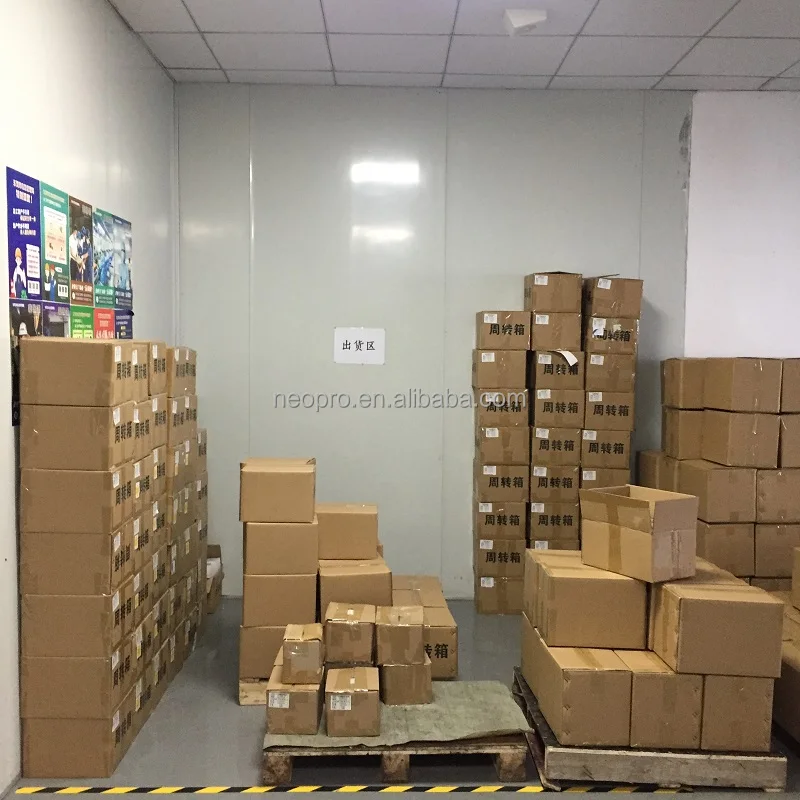

FAQ
Q: Is one pole stronger than the other?
A: No, both poles are equally strong.
Q: Which is the strongest type of magnet?
A: Neodymium (more precisely Neodymium-Iron-Boron) magnets are the strongest permanent magnets in the world.
Q: Can you supply monopole magnets?
A: No, we don't, nor does anyone else, because they don't exist. All magnets must have at least two poles.
Q: What does "Magnetized thru thickness" mean?
A: We use the description "Magnetized thru thickness" to identify the locations of the poles on our block magnets. The thickness is always the last dimension listed for block magnets. If you take one of our block magnets and place it on a flat surface with the thickness dimension as the vertical dimension, the poles will be on the top and bottom of the magnet as it sits.
Q: What materials do magnets attract?
A: Ferromagnetic materials are strongly attracted by a magnetic force. The elements iron (Fe), nickel (Ni), and cobalt (Co) are the most commonly available elements. Steel is ferromagnetic because it is an alloy of iron and other metals.
Q: How is the strength of a magnet measured?
A: Gaussmeters are used to measure the magnetic field density at the surface of the magnet. This is referred to as the surface field and is measured in gauss (or tesla). Pull Force Testers are used to test the holding force of a magnet that is in contact with a flat steel plate. Pull forces are measured in pounds. Fluxmeters and Helmholtz coils are used to measure the magnetic moment.
Q: Will a magnet with a 20 lb pull force lift a 20 lb object?
A: Because pull force values are tested under laboratory conditions, you probably won't achieve the same holding force under real world conditions. The effective pull force is reduced by uneven contact with the metal surface, pulling in a direction that is not perpendicular to the steel, attaching to metal that is thinner than ideal, surface coatings, and other factors.
Q: Can you supply BH Curves, or Demagnetization Curves for your magnets?
A: Yes, we've posted Demagnetization Curves for our most common Neodymium magnet grades right here.
We Recommend
New Arrivals
New products from manufacturers at wholesale prices