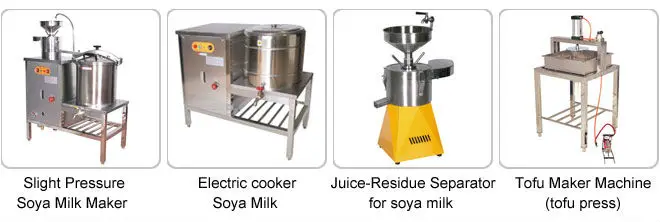



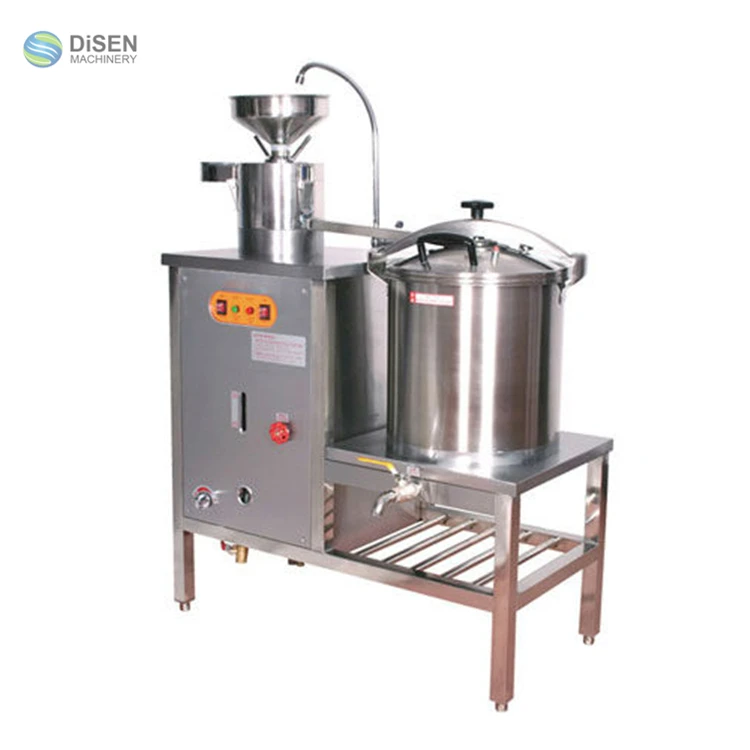
Milk curd making machine for sale
- Category: >>>
- Supplier: Guangzhou Disen Electromechanical Equipment Co. Ltd.
Share on (708639451):
Product Overview
Description

| Product Description |
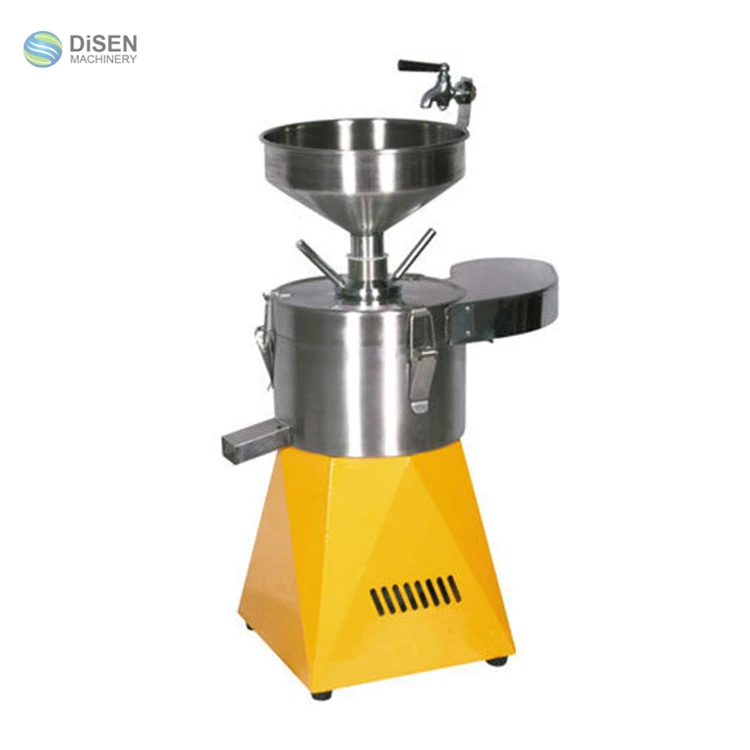
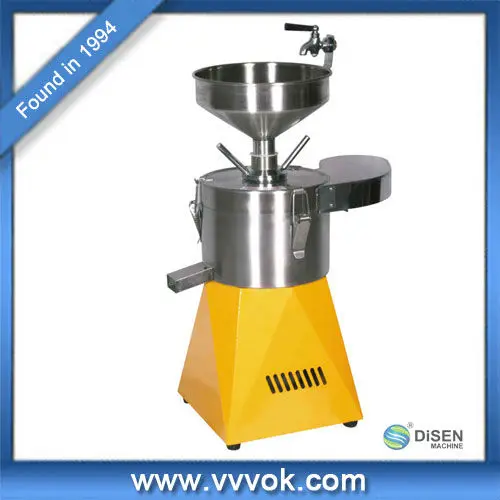
tofu maker machine Product Description Type DS-05 Size 370*470*750mm Power Supply 220V/50Hz Power 1.1KW Out Put 60kg/h Stainless steel soybean grinding blade; 1100W quality water-proof motor.
|
| Product Images |  |
Milk curd making machine for sale
Milk curd making machine for sale
Milk curd making machine for sale
Milk curd making machine for sale
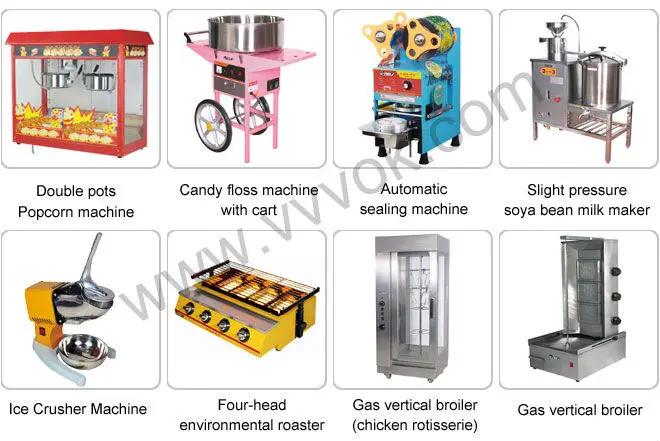
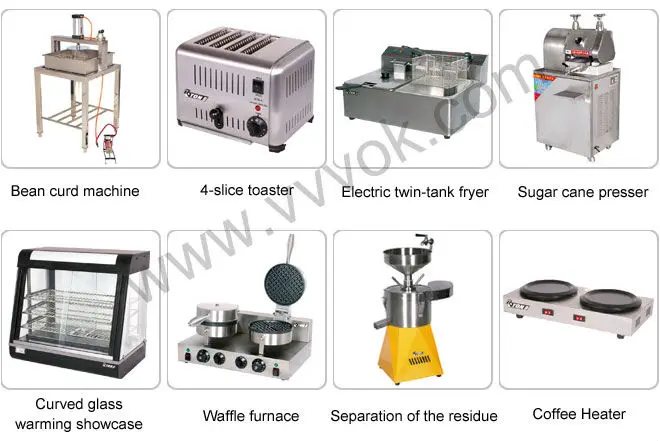
Milk curd making machine for sale Other related products
|
| Product Related Information | |
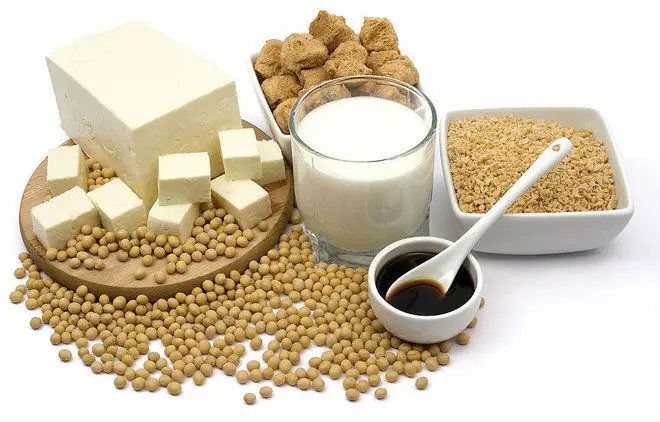
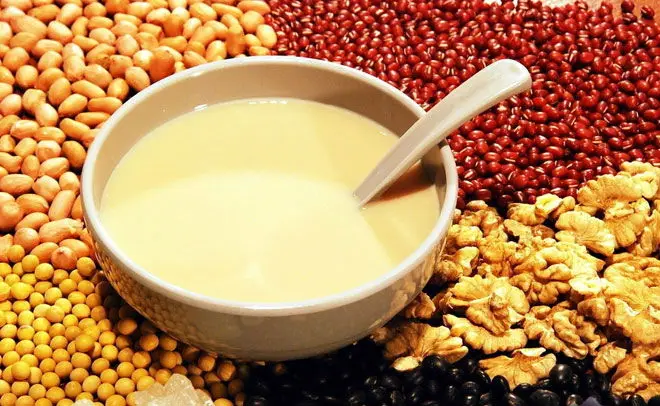
tofu maker machine Soy milk (also called soya milk, soymilk, soybean milk, or soy bean juice and sometimes referred to as soy drink/beverage) is a beverage made from soybeans. A traditional staple of Asian cuisine, it is a stable emulsion of oil, water, and protein. It is produced by soaking dry soybeans and grinding them with water. Soy milk contains about the same proportion of protein as cow's milk: around 3.5%; also 2% fat, 2.9% carbohydrate, and 0.5% ash. Soy milk can be made at home with traditional kitchen tools or with a soy milk machine. Despite the terminology used by consumers, it is illegal to sell soy milk under that name in the European Union, where - with certain exceptions - EC Regulation (1898/87) has restricted the term 'milk' to mammary secretions since 1987; in such countries the term 'soy drink' is commonly used.
The coagulated protein from soy milk can be made into tofu, just as dairy milk can be made into cheese.
Origins widespread usage before then is unlikely.
According to popular tradition in China, soy milk was developed by Liu An for medicinal purposes, although there is no historical evidence for this legend. This legend first appeared in the 12th century and was not clearly stated until late 15th century in Bencao Gangmu, where the development of tofu was attributed to Liu with no mention of soy milk. Later writers in Asia and the West additionally attributed development of soy milk to Liu An, assuming that he could not have made tofu without making soy milk. This may be incorrect. In addition, some recent writers claim Liu An developed tofu in 164 BC.
Plain soy milk is unsweetened, although some soy milk products are sweetened. Salted soy milk is also consumed in China.
The drink is very popular in the hawker culture of Malaysia and many other Southeast Asian countries, with it being a standard offering accompanying meals at Malaysian Chinese stalls. In Malaysia, soybean milk is usually flavoured with either white or brown sugar syrup. The consumer also has the option to add grass jelly, known as leong fan or "cincau" (in the Malay language, adopted from the Chinese equivalents) to the beverage. Sellers of soybean milk in Penang usually also offer bean curd, a related custard-like dessert, known to the locals as tau hua which is flavored with the same syrup as the soybean milk. In Indonesian it is known as "susu kedele". In Vietnam, the soymilk as well as the soy custard may be flavored with ginger or pandan, a grassy herb with a mild coconut-like flavor. More recently (since 2008), other optional additions to soymilk have become popular among street vendors and drink stalls around Southeast Asia, including tapioca pearl,sweetened red bean, honey, and black tea. Yeo's, a drink manufacturer in Singapore and Malaysia, markets a commercialized tinned or boxed version of soybean milk.
The drink is slowly becoming popular in India as well, where it widely sold in Tetrapaks by various brands like Staeta.
In the West, soymilk has become a popular alternative to cow's milk, with a roughly similar protein and fat content. Soy milk is commonly available in vanilla and chocolate flavors as well as its original unflavored form. In some Western countries where veganism has made inroads, it is available upon request at cafés and coffee franchises as a cow's milk substitute.
Soy products contain sucrose as the basic disaccharide, which breaks down into glucose and fructose. Since soy doesn't contain galactose, a product of lactose breakdown, soy-based infant formulas can safely replace breast milk in children with galactosemia. Like lactose-free cow's milk, soymilk contains no lactose, which makes it a good alternative for lactose-intolerant people. For patients without conditions that limit which sugars they can consume, there is no evidence to support any sugar-related health benefit or detriment to consuming soy milk instead of cow's milk.
The American Academy of Pediatrics considers soy milk a suitable alternative for children who cannot tolerate human or cow's milk, or whose parents opt for a vegan diet. They find no medical benefit to using soy milk instead of human or cow's milk. Soy milk, like cow's milk, varies in fat content, but the most commonly sold varieties have less fat than whole milk,similar fat content to 2% milk, and more fat than skim/nonfat milk. Though it has been suggested that soy consumption is associated with a reduction in low-density lipoprotein ("bad cholesterol") and triglycerides, a 2006 study of a decade of soy protein consumption found no association between soy intake and health benefits such as cardiovascular health or cancer rates, and no benefit for women undergoing menopause. Soy was able to replace animal protein, foods high in saturated fats, and other sources of dietary fiber, vitamins and minerals.However, much of the mineral content in soy milk is unassimilable because of high content of phytic acid in soy milk. If soy milk is made into tempeh, the phytic acid content is cut in half.
Research has refuted claims that soy affects bone mineral density. Research has found no link between soy and increased estrogen levels in men, although studies thus far have been limited in duration.
For people who suffer from gout, purine in soy can make the condition worse. The U.S. National Institutes of Health (NIH) recommends gout sufferers limit consumption of soy products (although also suggesting that soy may have health benefits by reducing the risk for heart disease).
Preparation
There is a simple yet profound difference between traditional Chinese and Japanese soy milk processing: the Chinese method boils the filtrate (soy milk) after a cold filtration, while the Japanese method boils the slurry first, followed by hot filtration of the slurry. The latter method results in a higher yield of soy milk but requires the use of an anti-foaming agent or natural defoamer during the boiling step. Bringing filtered soy milk to a boil avoids the problem of foaming. It is generally opaque, white or off-white in color, and approximately the same consistency as cow's milk.
For all raw soybean protein products, heat is necessary to destroy the activity of the protease inhibitors naturally present in the soybean. The pancreas naturally secretes proteases to digest a protein meal. Eating raw soybeans on a regular basis causes the pancreas to hypersecrete, leading to benign tumors of the pancreas.
When soybeans absorb water, the endogenous enzyme, Lipoxygenase (LOX), EC 1.13.11.12 linoleate:oxidoreductase, catalyzes a reaction between polyunsaturated fatty acids and oxygen {hydroperoxidation}. LOX initiates the formation of free radicals,which can then attack other cell components. Soybean seeds are the richest known sources of LOXs. It is thought to be a defensive mechanism by the soybean against fungal invasion.
In 1967, experiments at Cornell University and the New York State Agricultural Experiment Station at Geneva, NY led to the discovery that paint-like, off-flavors of traditional soy milk can be prevented from forming by a rapid hydration grinding process of dehulled beans at temperatures above 80 °C. The quick moist heat treatment inactivates the LOX enzyme before it can have a significant negative effect on flavor. All modern bland soy milks have been heat treated in this manner to destroy LOX.
In 1969, Mattick and Hand at Cornell University made the important discovery that most of the so-called beany flavor in soybeans was not inherent in the beans themselves but was produced by the enzyme lipoxygenase when the split beans came in contact with water. Lipoxygenase could be inactivated and most of the beany flavor removed by either dropping unsoaked soybeans directly into boiling water or by removing any cracked or split beans prior to soaking, then carefully dropping the soaked beans into boiling water.
Normal mature soybeans actually contain three LOX isozymes (SBL-1, SBL-2, and SBL-3) important for undesirable flavor development. One or more of these isozymes have recently (1998) been removed genetically from soybeans yielding soy milk with less cooked beany aroma and flavor and less astringency. An example of a triple LOX-free soybean is the American soybean named "Laura".
The University of Illinois has developed a soy milk that makes use of the entire soybean. What would normally constitute "insolubles" are ground so small by homogenization as to be in permanent suspension.
|
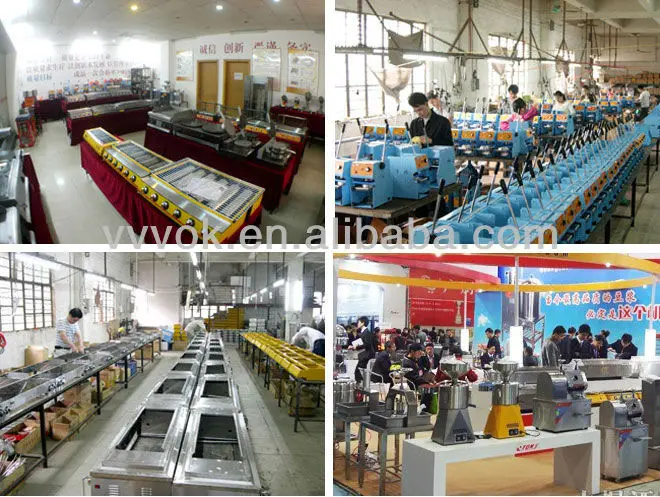
| DiSen Company Show | |
|
We Recommend
New Arrivals
New products from manufacturers at wholesale prices