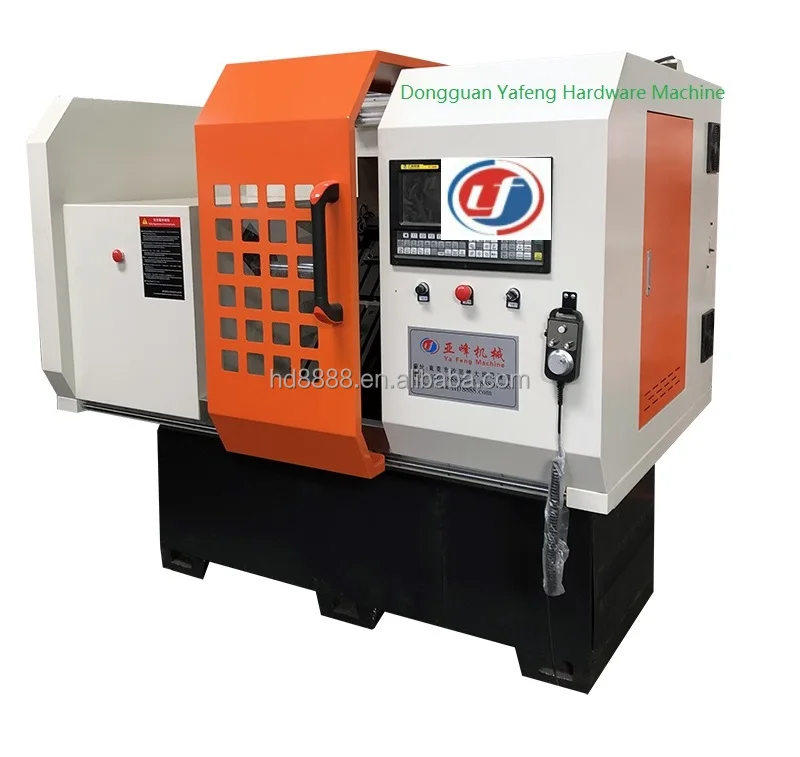
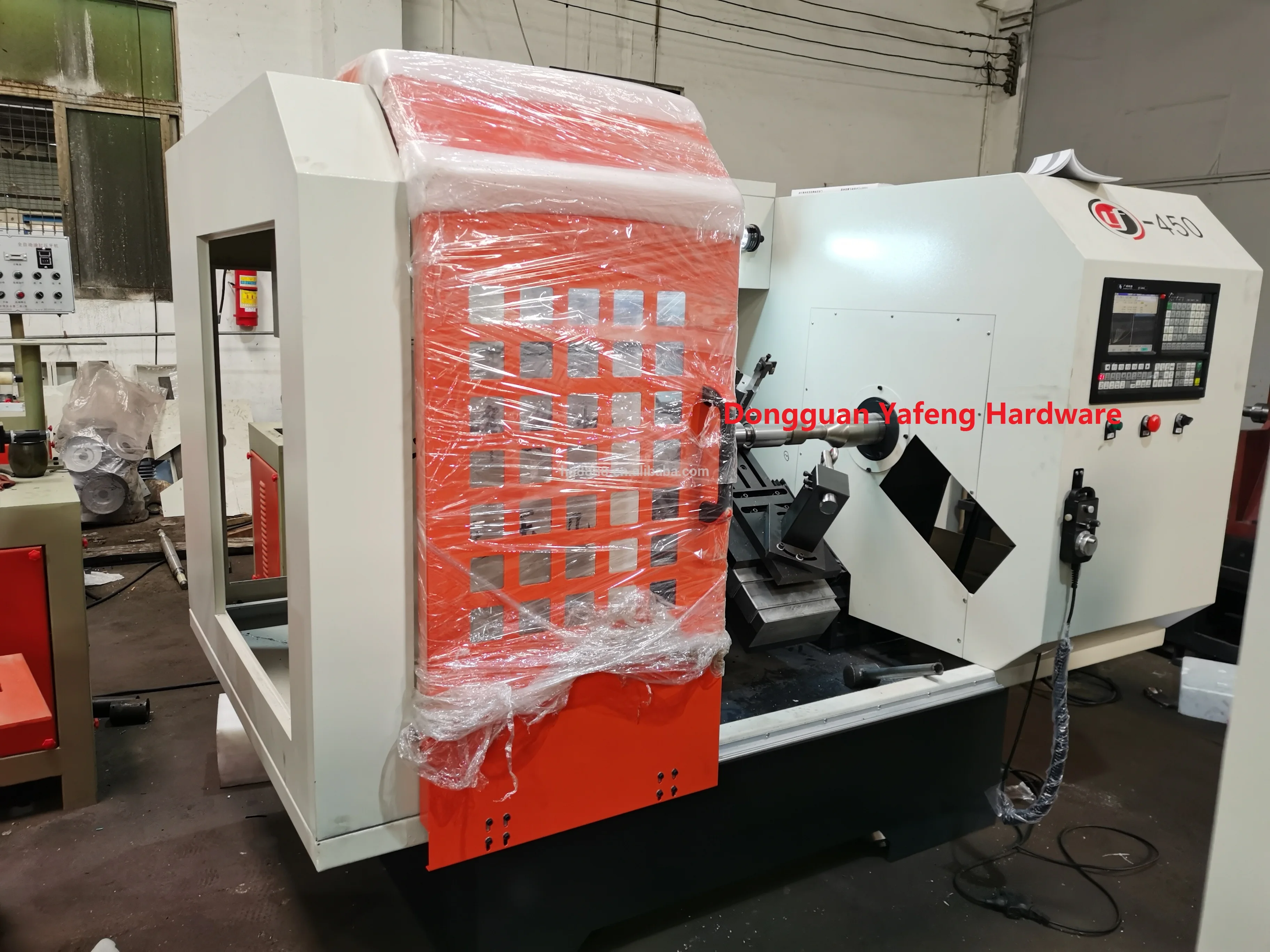
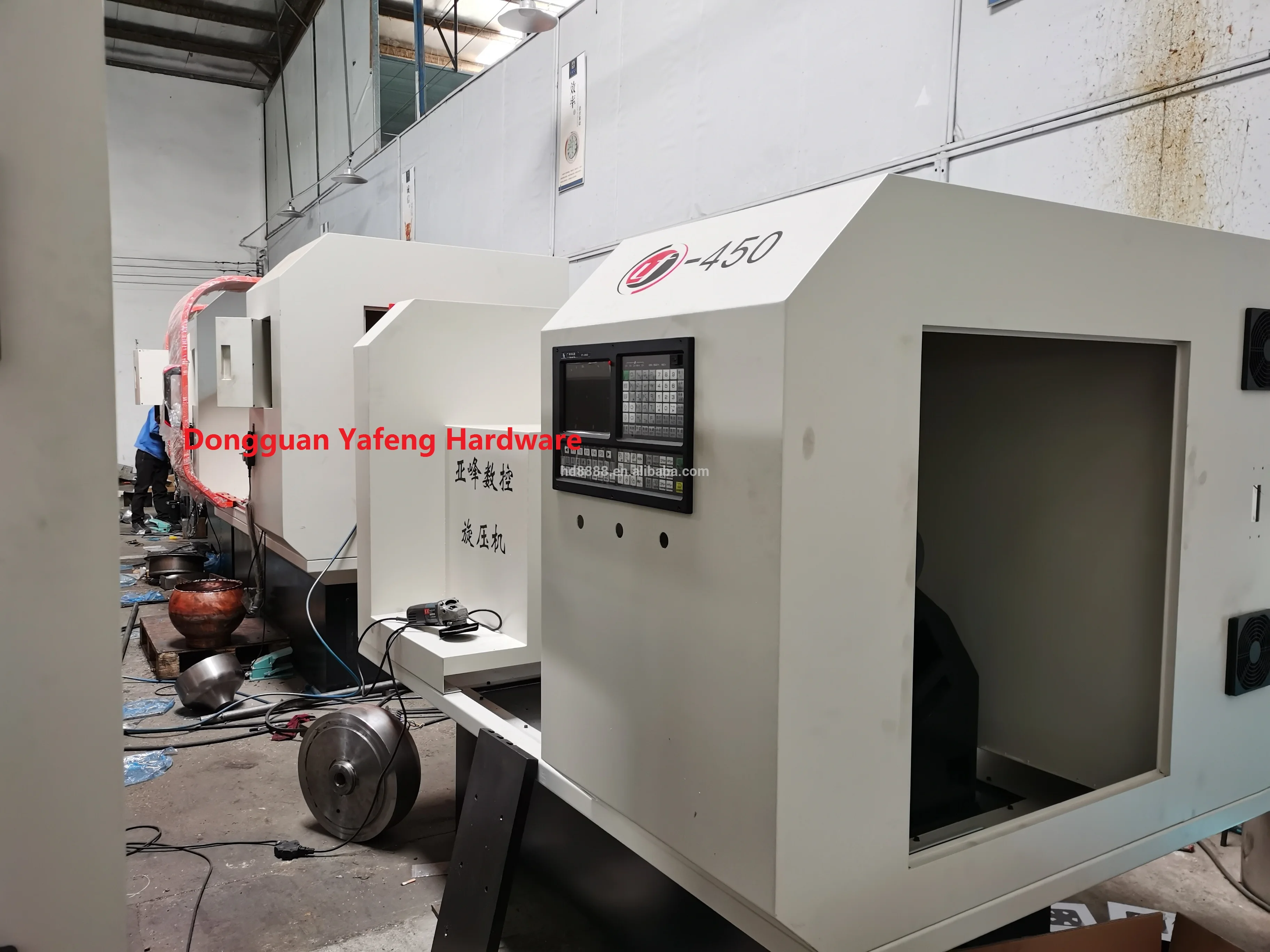
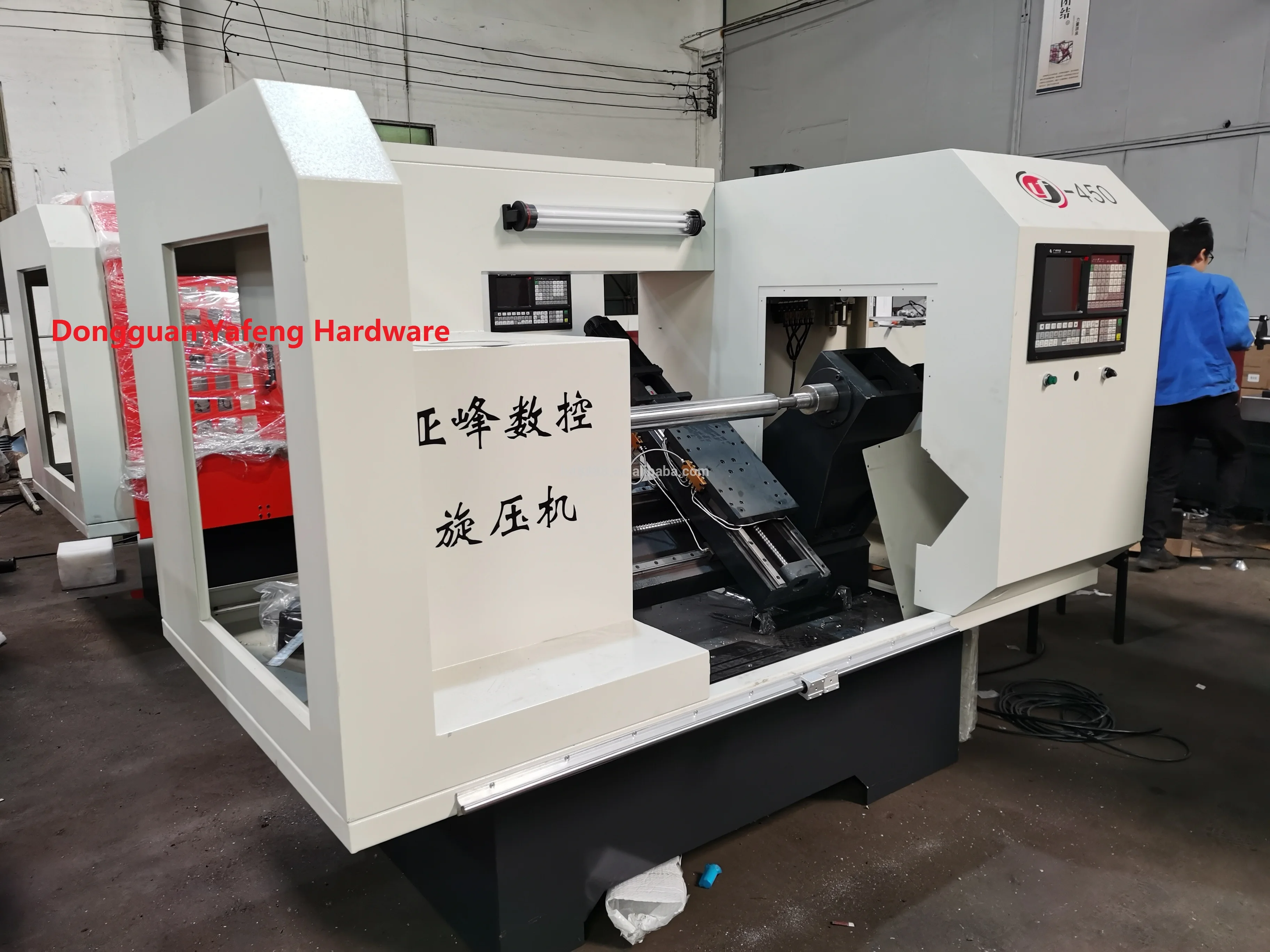
High Efficiency Metal Steel Spinning Machine LED Lighting Kitchenware Cookware Aluminium Copper Stainless Steel Metal Sheet
- Category: >>>
- Supplier: Dongguan Yafeng Hardware Machine Co. Ltd.
Share on (710650265):
Product Overview
Description
High Efficiency Metal Steel CNC Spinning Machine for LED lighting Kitchenware Cookware Aluminium Copper Stainless Steel Metal Sheet
We have produced spinning's for the following industries:
Aerospace Agriculture Air Filtration Air Handling Chemical Processing Energy
Food and Beverage Processing Food Service Furniture Industrial Machinery
Lighting Medical Pollution Control Retail Fixtures Appliances
Commercial Vehicles Communications Construction
Electrical Farm Equipment Material Handling Petroleum Processing
Railroad Recreational Equipment Refrigeration Safety Products
Scientific Equipment Welding
The process of metal spinning is fairly straightforward. First, a formed block is mounted in the drive section of a lathe (which is simply a tool that rotates a workpiece on its axis). Lathes may operate horizontally or vertically, and they can be manually operated or controlled by CNC. Once the mandrel has been set in place, a pre-sized blank (typically in the form of a flat circle or disc) is clamped against it with a pressure pad. The pressure pad, in turn, is connected to the part of the lathe called the tailstock or foot stock (a type of horizontal bar that is used to lend support to the longitudinal rotary axis of the workpiece .) Once this entire assembly is in place, the process of metal spinning can begin.
Together, the mandrel and workpiece are rotated at high speeds as some type of forming tool presses against it, causing the workpiece to flow over the block and shape it via friction. The external form of the mandrel corresponds to the internal dimensions desired for the particular workpiece. The tools which shape the workpiece over the mandrel may be up to three feet long and are usually made from hardened steel or solid brass. If a lathe is CNC-operated, spinning tools will perform a specific sequence of operations on a workpiece that has been programmed beforehand.
Once a workpiece has been mostly shaped, it often undergoes trimming and/or finishing operations. (In this context, “trimming” refers to the smoothing out of any sharp edges.) Workpieces continue to be rotated during finishing operations in order to require the minimal use of force.


We Recommend

New Arrivals
New products from manufacturers at wholesale prices