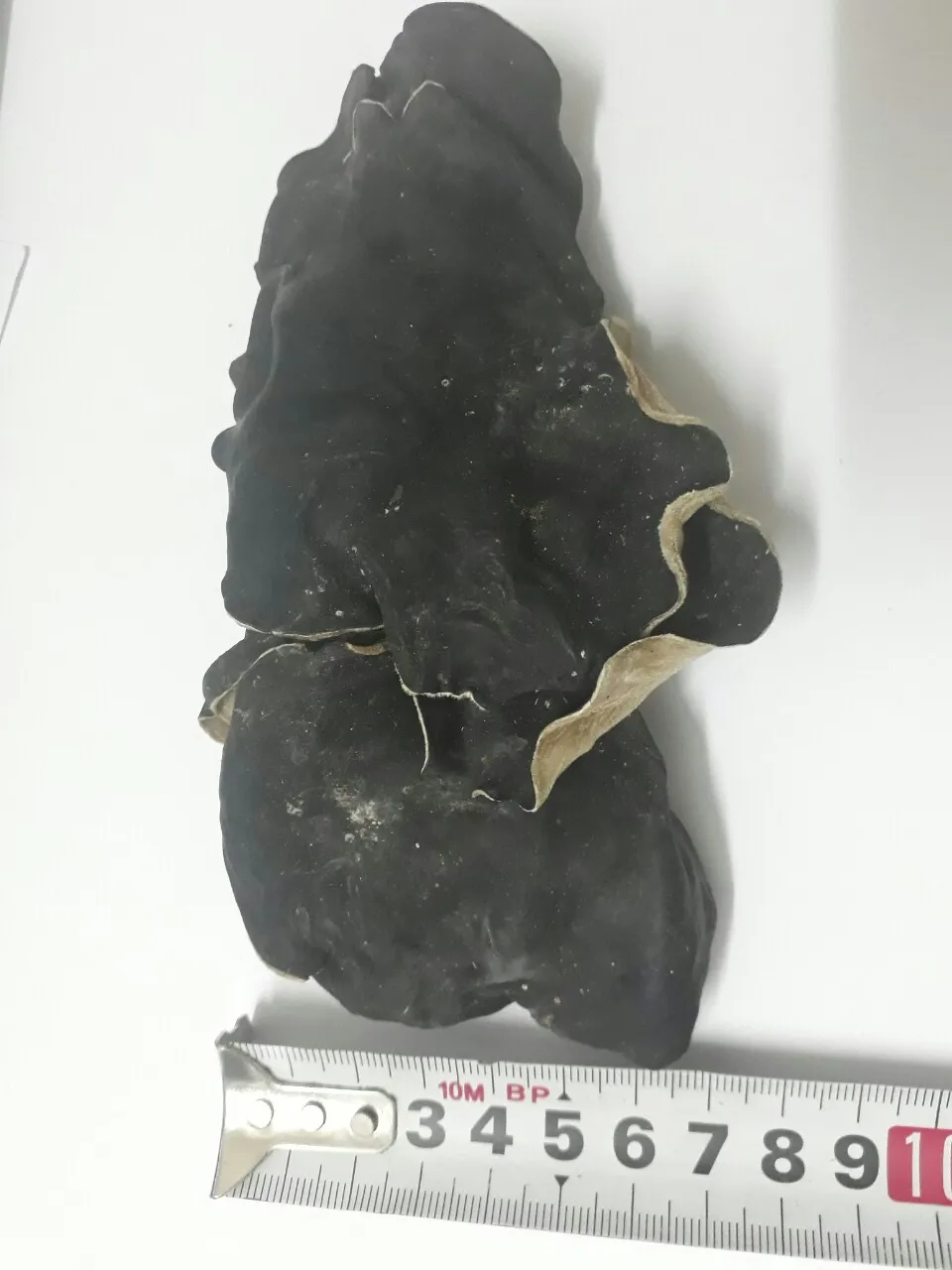
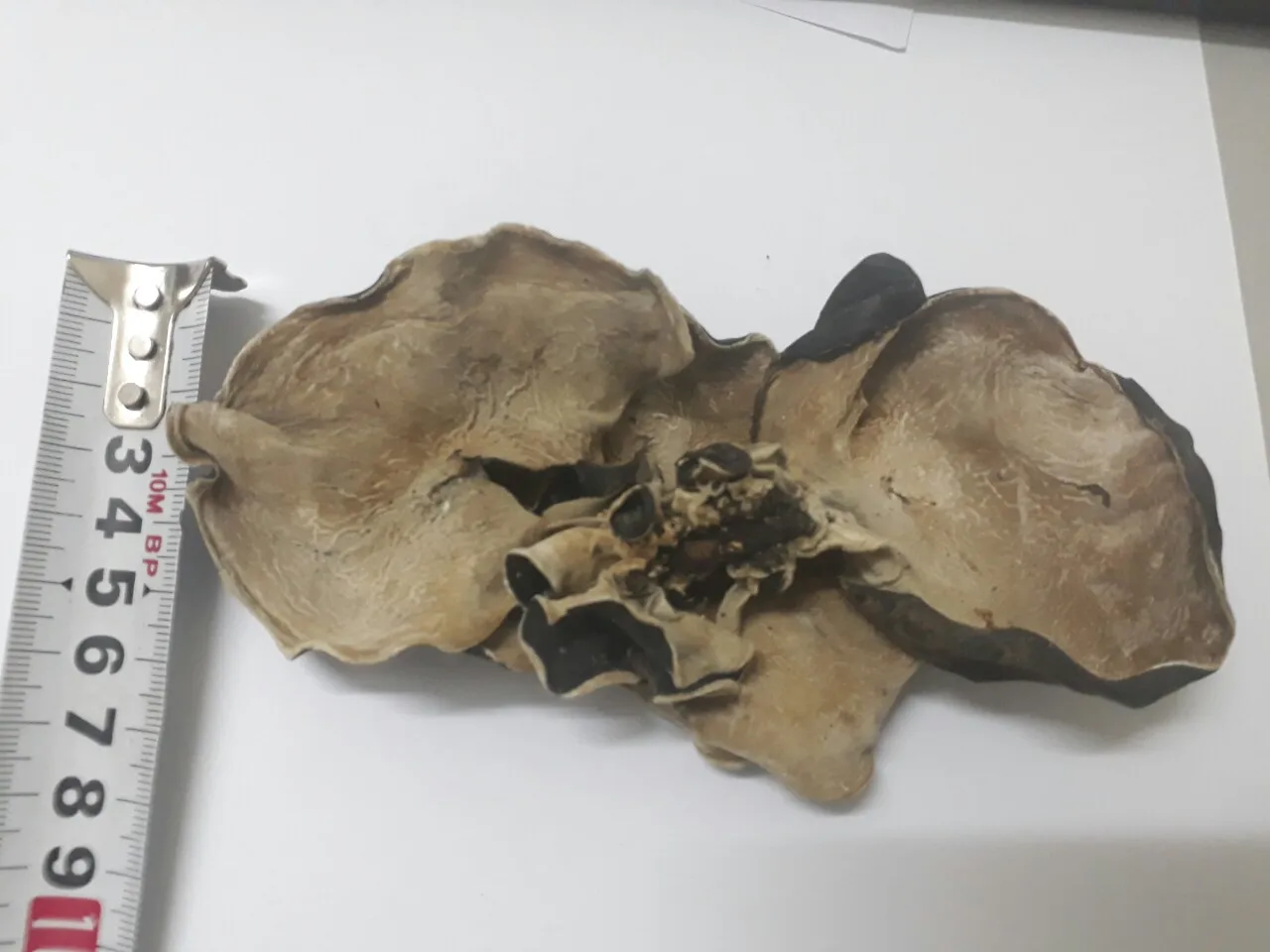
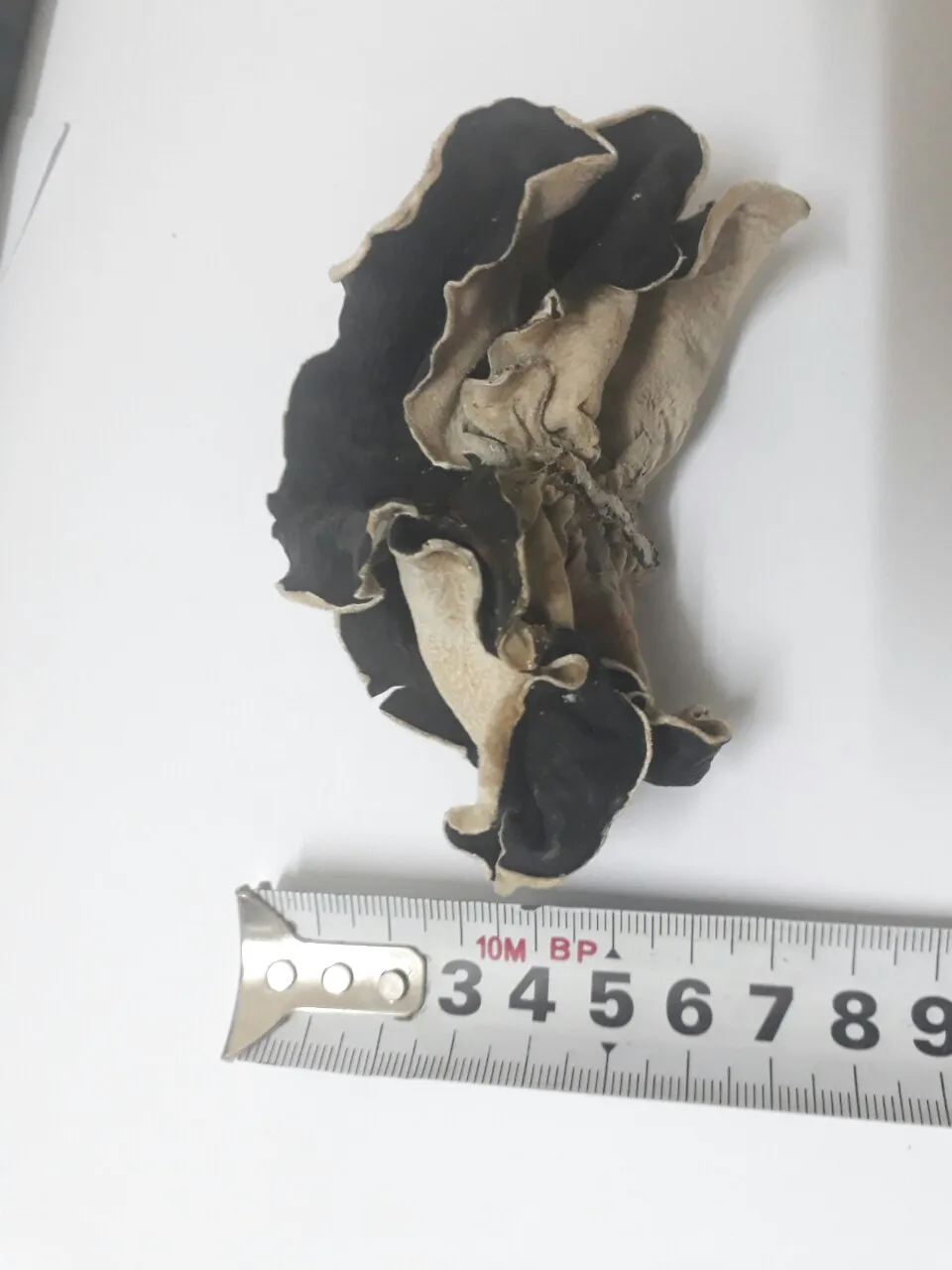
Высококачественные деревянные ушные грибы из Вьетнама/Whatsapp 0084896612931
- Категория: >>>
- Поставщик: VIET D.E.L.T.A INDUSTRIAL CO. LTD
Сохранить в закладки 10000004362779:
Описание и отзывы
Характеристики
Product Description
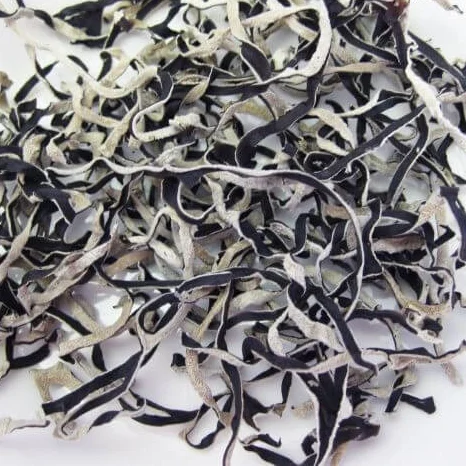
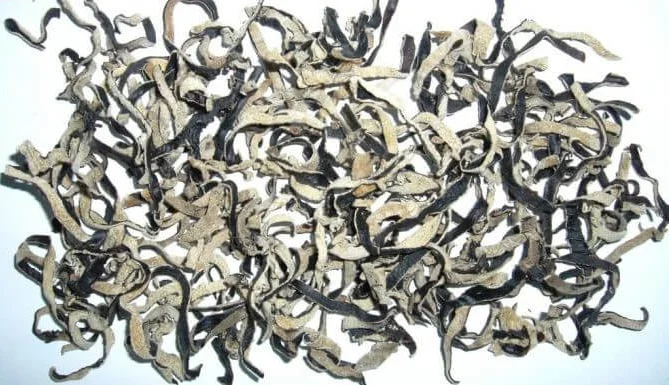
Wood ear mushrooms (or black fungus) are small to medium in size, averaging 3-8 centimeters in diameter, and are curved and wavy with an ear-like or cup-like shape. The fruiting bodies are brown to dark brown with a slippery or gelatinous texture and can be made up of smooth, wavy edges or many folds and wrinkles with some veining. With age, the gill-less and stemless fungus darkens, and the spores range in color from yellow, cream, to white. When cooked, Wood Ear mushrooms are firm, crunchy, and toothsome with a mild, musty flavor.
Wood ear mushrooms are a great source of many important vitamins and minerals.
Here are more reasons to add this mushroom in your everyday diet:
* Packed with disease-fighting antioxidants, promising preliminary research suggests that dried wood ear mushroom extract could help fight the growth of cancer cells.
* Wood ear fungus could have powerful hypolipidemic properties, which can help keep cholesterol levels in check and protect against heart disease.
* Wood ear mushrooms are jam-packed with antioxidants and polyphenols. That can have a huge impact on overall health. Antioxidants play a central role in health and disease, with research indicating that they could aid in the prevention of chronic conditions like cancer, heart disease and rheumatoid arthritis.
* Wood ear mushrooms also possess potent antimicrobial properties that can help ward off certain strains of bacteria.
* Each serving of wood ear mushrooms packs quite a punch when it comes to nutrition. These small but powerful mushrooms are an especially good source of copper, a micronutrient that is essential to several aspects of health. Copper is important for iron metabolism, and it’s also needed for heart health, lung function and more.
Product Name | DRIED WOOD EAR MUSHROOM |
Brand Name | VIET DELTA |
Place of Origin | VIETNAM |
Style | Dried |
Drying Process | AD |
Moisture | 13 % max |
Shelf Life | 3 years |
Storage condition | COOL DRY PLACE |
Specification
item | value |
Product Type | MUSHROOMS |
Type | FUNGUS |
Style | Dried |
AD | |
Color | Black |
Source | Cultivated |
Part | WHOLE |
Processing Type | Raw |
Shelf Life | 3 years |
Weight (kg) | 1 |
Place of Origin | Vietnam |
Brand Name | VIET DELTA |
Model Number | Wood-ear Mushroom 5 |
Product name | Dried Wood Ear Mushroom |
Color | Natural Color |
Packing | Small Bag, Bulk, As Customer's Requirement |
Origin | Vietnam |
Shape | Slices |
Storage | Cool Dry Place |
Packing & Delivery


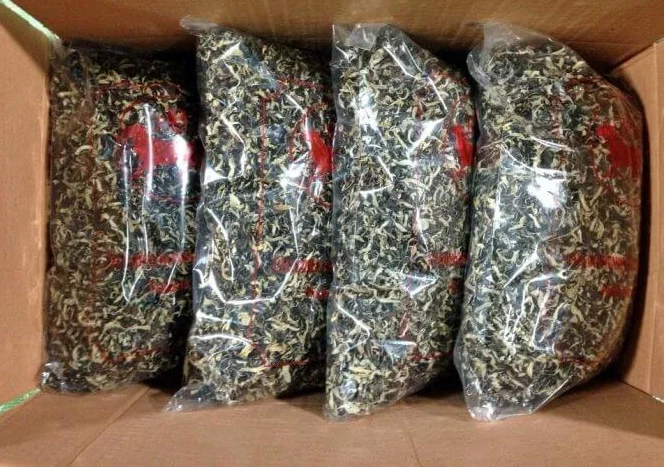
To better ensure the safety of your goods, professional, environmentally friendly, convenient and efficient packaging services will be provided.

With regard to packaging, we adopt tight sealing to ensure that the products are well preserved in the transportation process, to
provide you with high-quality services, and to save your mind.
provide you with high-quality services, and to save your mind.
If you have any special requirements, you can consult for details.
Payment

Contact
Mr Porter
Cell phone/Whatsapp/We chat: + 84 896 612 931
Email: fpsales18 @ vdeltagoods.com.vn
***
VIETDELTA CORPORATION
20/5 Dinh Bo Linh Street, Binh Thanh District, HCMC, Vietnam
Related Product
Company Profile

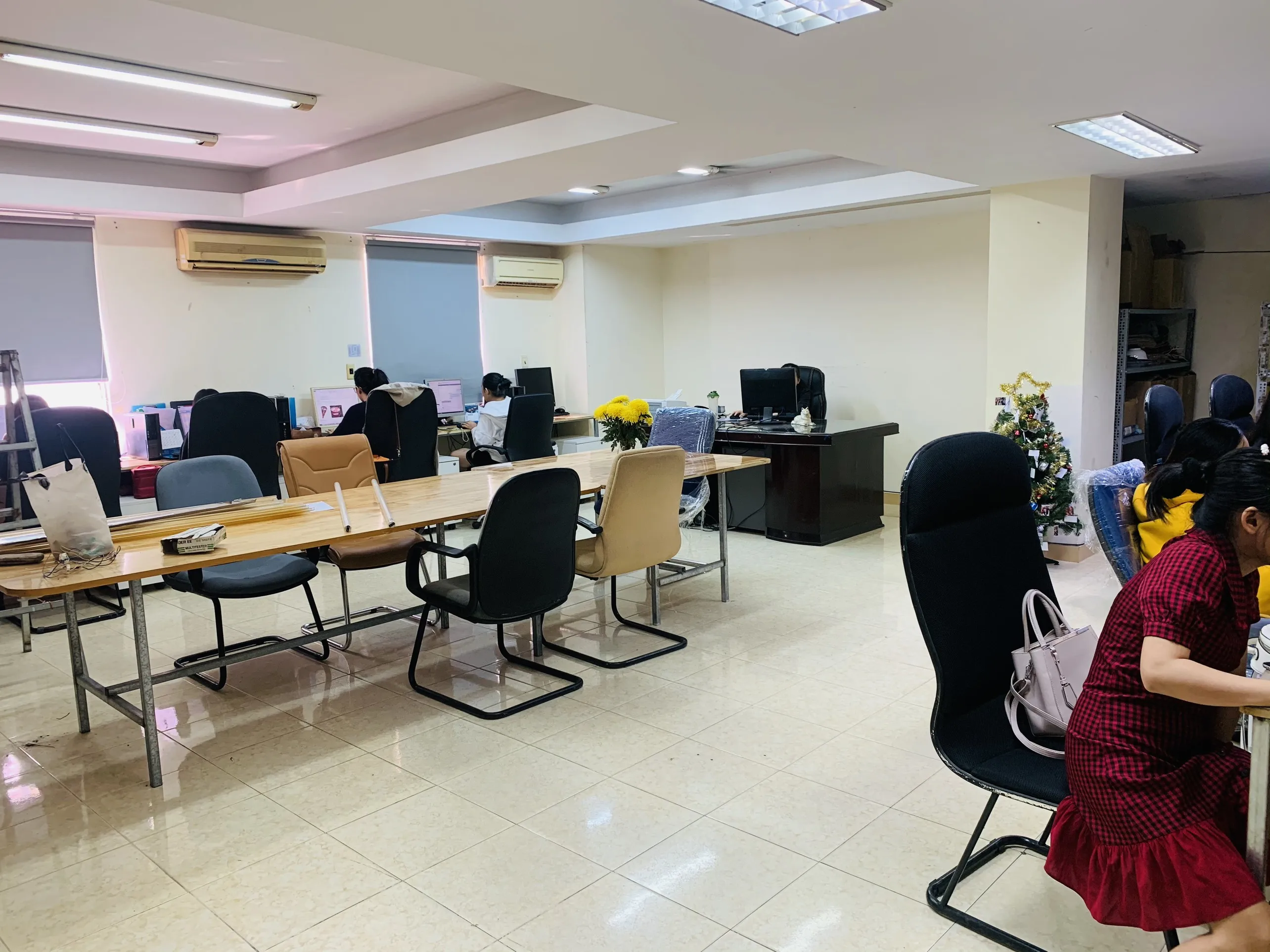
Viet Delta has been established since 2003. Until now, we have had more than 20 years experience in exporting agricultural products to many different countries. Our main products are coconut, fruits and other kinds of agricultural materials. Our company 's motto is always try to satisfy the demand of every customers and the gratification of customers is what we focus on. We hope that we can bring out products of Vietnam to as many customers worldwide as possible.
FAQ
1. who are we?
We are based in Vietnam, start from 2003,sell to North America(10.00%),South America(10.00%),Southeast Asia(10.00%),Mid East(10.00%),Western Europe(10.00%),Central America(10.00%),Northern Europe(10.00%),Southern Europe(10.00%),Eastern Europe(5.00%),Africa(5.00%),Eastern Asia(5.00%),South Asia(5.00%). There are total about 101-200 people in our office.
2. how can we guarantee quality?
Always a pre-production sample before mass production;
Always final Inspection before shipment;
3.what can you buy from us?
Frozen Fruits and Vegestable,Added Value Seafood Frozen,Coconut,Rattan and Bamboo,Food Products
4. why should you buy from us not from other suppliers?
Proud to be the leading realiable Exporter of " Goods, Agriculture and Seafood "
5. what services can we provide?
Accepted Delivery Terms: FOB,CFR,CIF,CIP,Express Delivery;
Accepted Payment Currency:USD,EUR;
Accepted Payment Type: T/T,L/C,Western Union;
Language Spoken:English
We are based in Vietnam, start from 2003,sell to North America(10.00%),South America(10.00%),Southeast Asia(10.00%),Mid East(10.00%),Western Europe(10.00%),Central America(10.00%),Northern Europe(10.00%),Southern Europe(10.00%),Eastern Europe(5.00%),Africa(5.00%),Eastern Asia(5.00%),South Asia(5.00%). There are total about 101-200 people in our office.
2. how can we guarantee quality?
Always a pre-production sample before mass production;
Always final Inspection before shipment;
3.what can you buy from us?
Frozen Fruits and Vegestable,Added Value Seafood Frozen,Coconut,Rattan and Bamboo,Food Products
4. why should you buy from us not from other suppliers?
Proud to be the leading realiable Exporter of " Goods, Agriculture and Seafood "
5. what services can we provide?
Accepted Delivery Terms: FOB,CFR,CIF,CIP,Express Delivery;
Accepted Payment Currency:USD,EUR;
Accepted Payment Type: T/T,L/C,Western Union;
Language Spoken:English
Title goes here.
Semi-Automatic PET Bottle Blowing Machine Bottle Making Machine Bottle Moulding Machine
PET Bottle Making Machine is suitable for producing PET plastic containers and bottles in all shapes.
PET Bottle Making Machine is suitable for producing PET plastic containers and bottles in all shapes.
Похожие товары
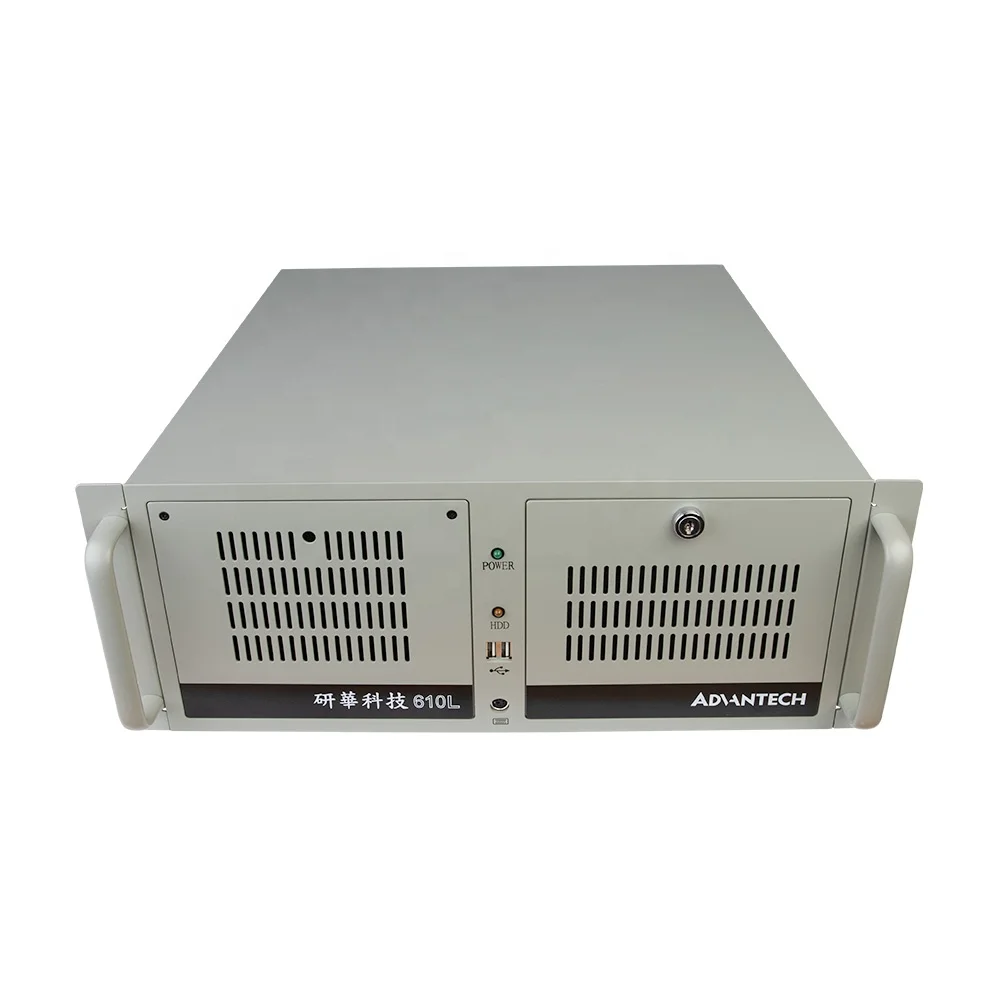
Cloudray BM86 промышленный компьютер для резки волокна
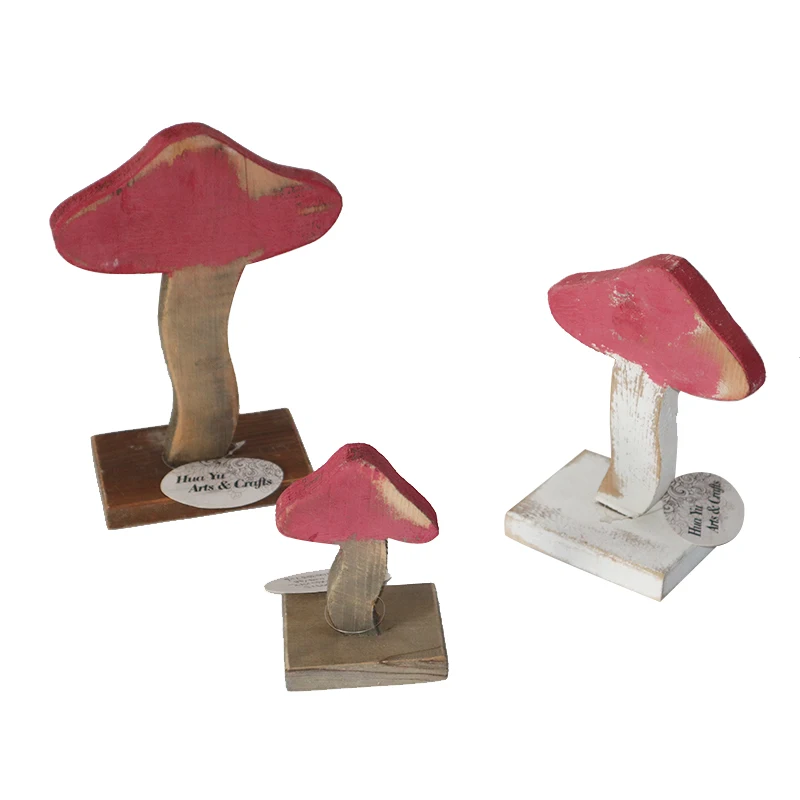
Высококачественный деревянный стол в форме гриба, украшение для стола, домашний декор для продажи
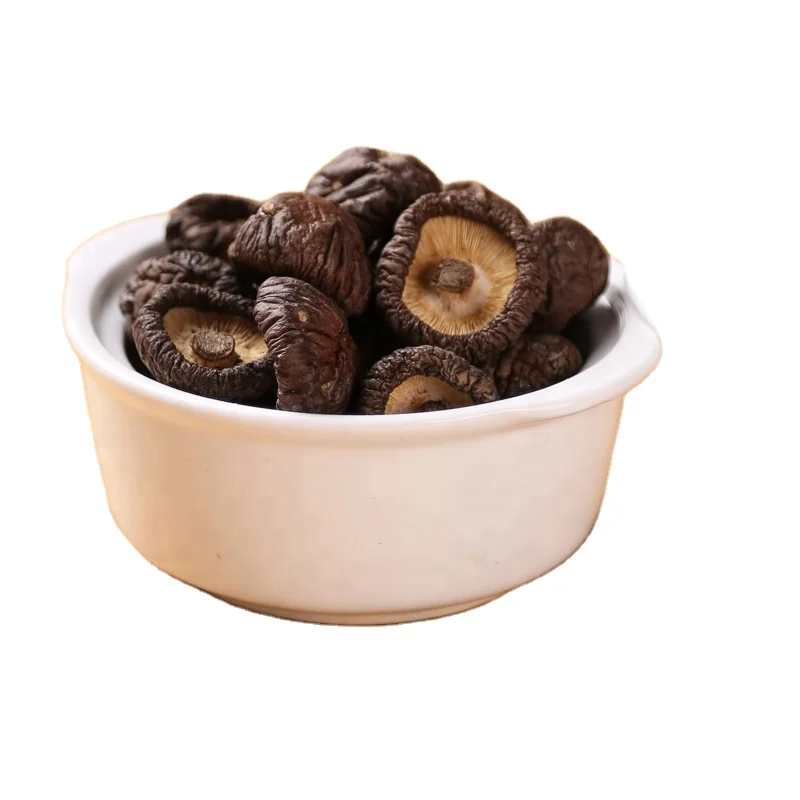
100% натуральный деревянный ушной гриб, сухой гриб
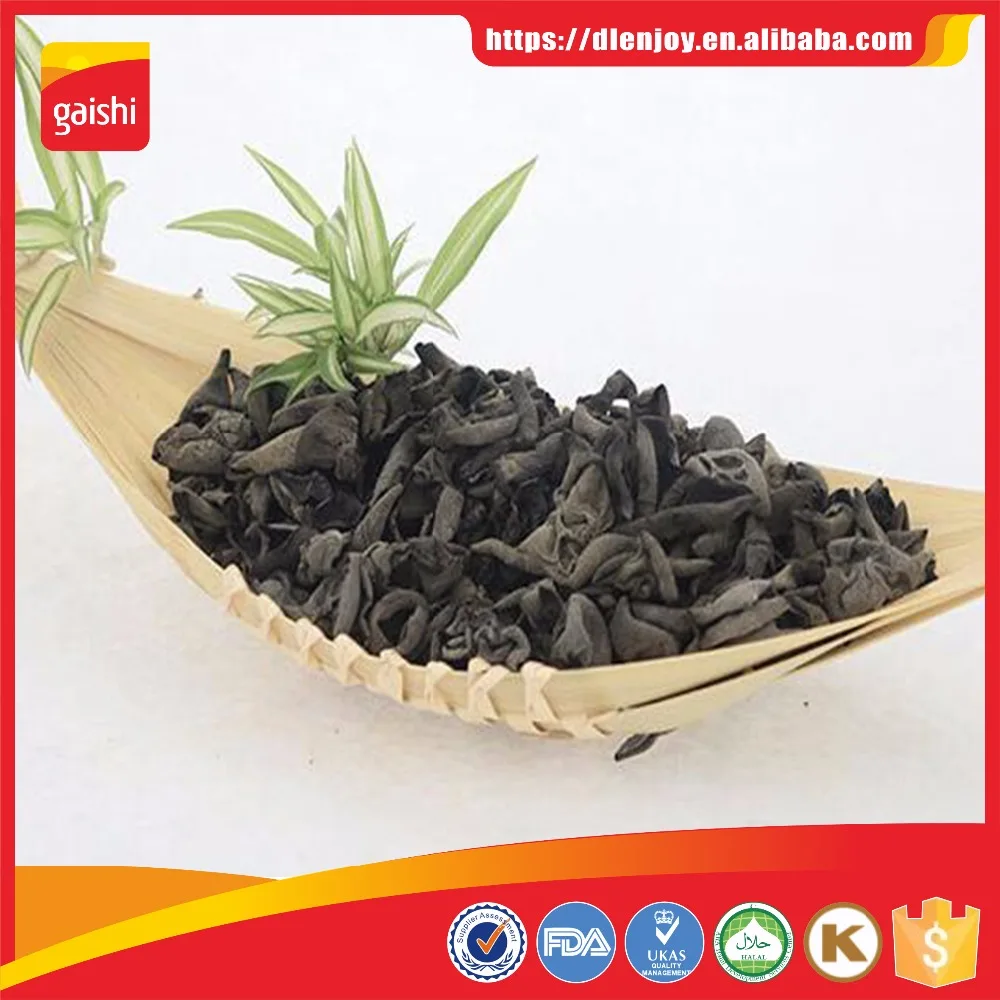
Китайский органический сушеный гриб, черный гриб, черная древесина, ушной агарик
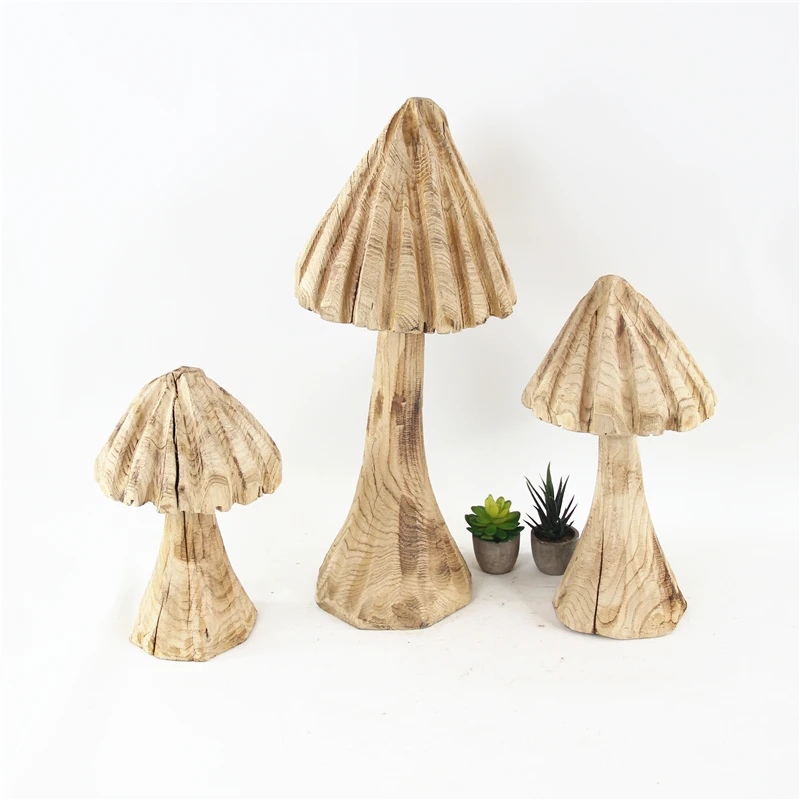
Рождественский Декоративный Деревянный Гриб для украшения
8,30 $ - 9,90 $
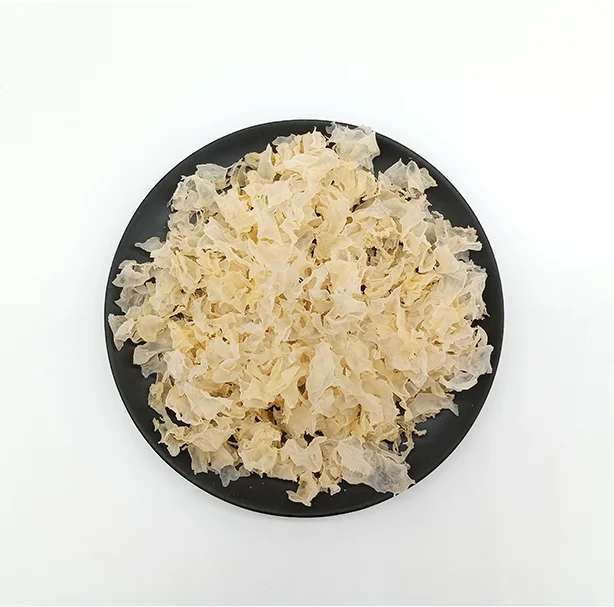
Chinese Food Natural Wood Ear Agaric Ear Mushroom Dried White Fungus Slice 15X15mm
15,90 $
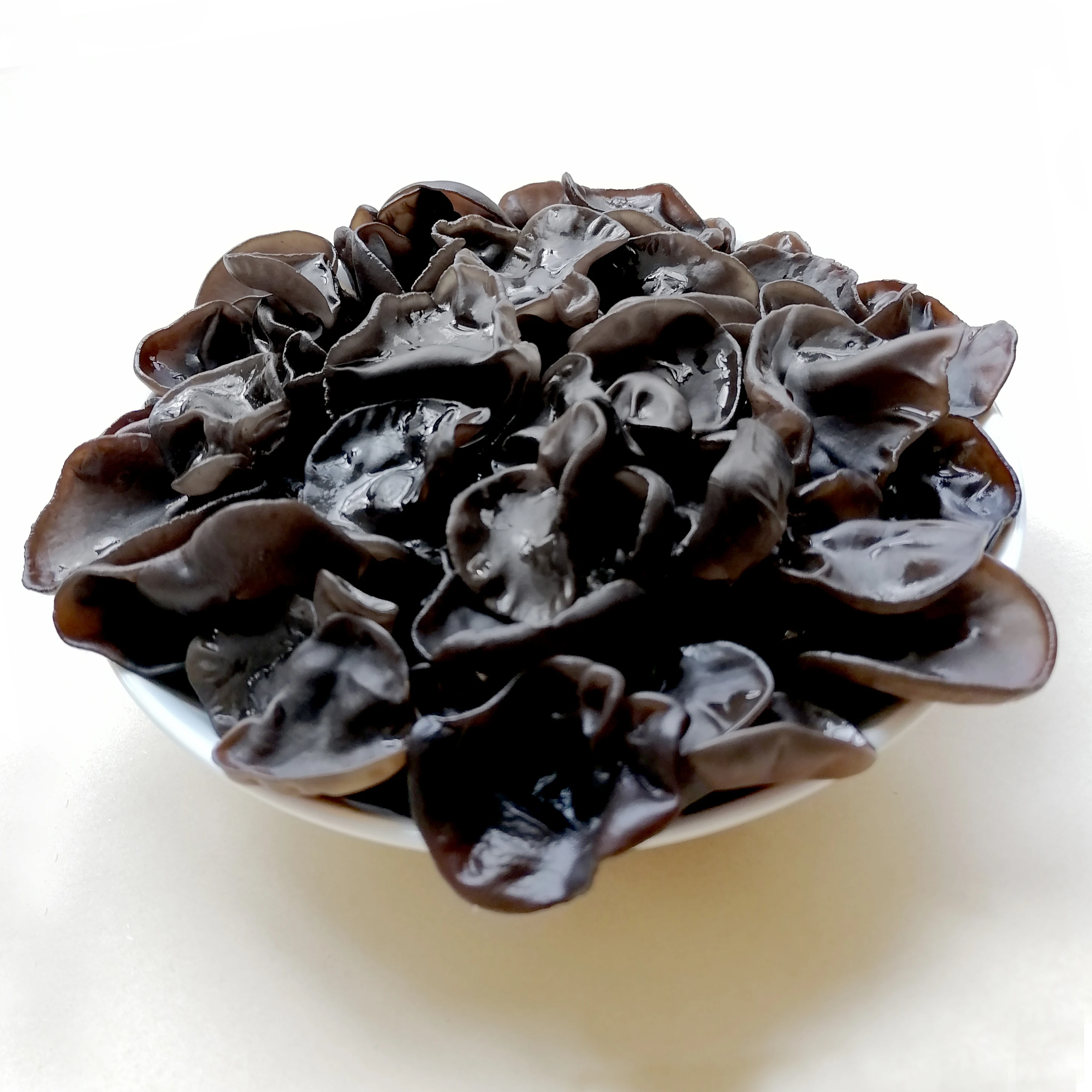
New Product Fresh Natural Sliced Nutritional Supplement Healthy Food Flower Mushroom Wood Ear Mushroom
Новые поступления
Новинки товаров от производителей по оптовым ценам
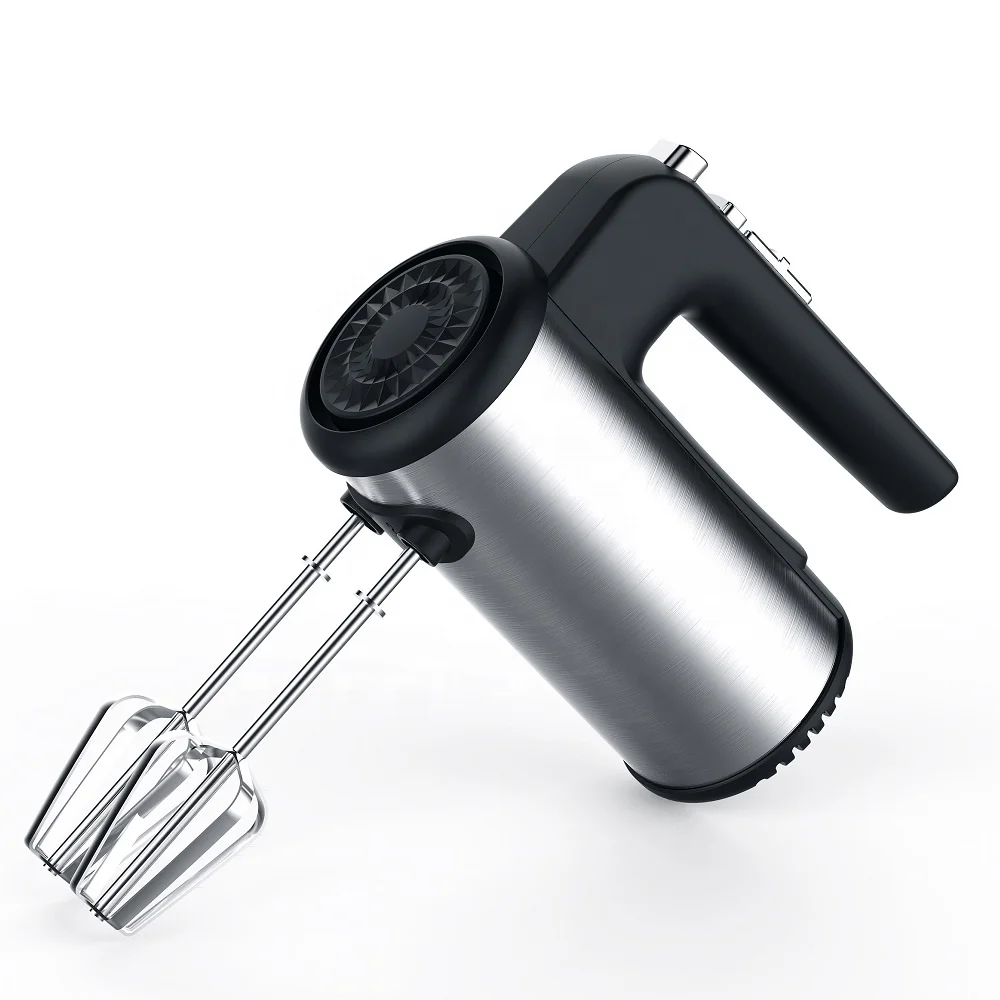
300 Вт безопасный для посудомоечной машины 5-скоростной турбо с крючками для теста, венчик, электрический ручной миксер
571,11-666,30 ₽
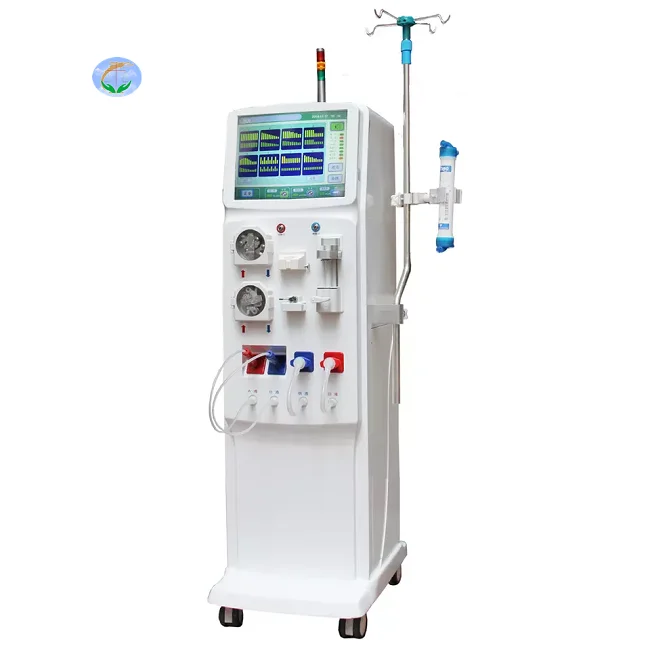
Медицинский портативный прибор для гемодиализа катетер и кровообращения диализа почек ухода за здоровьем
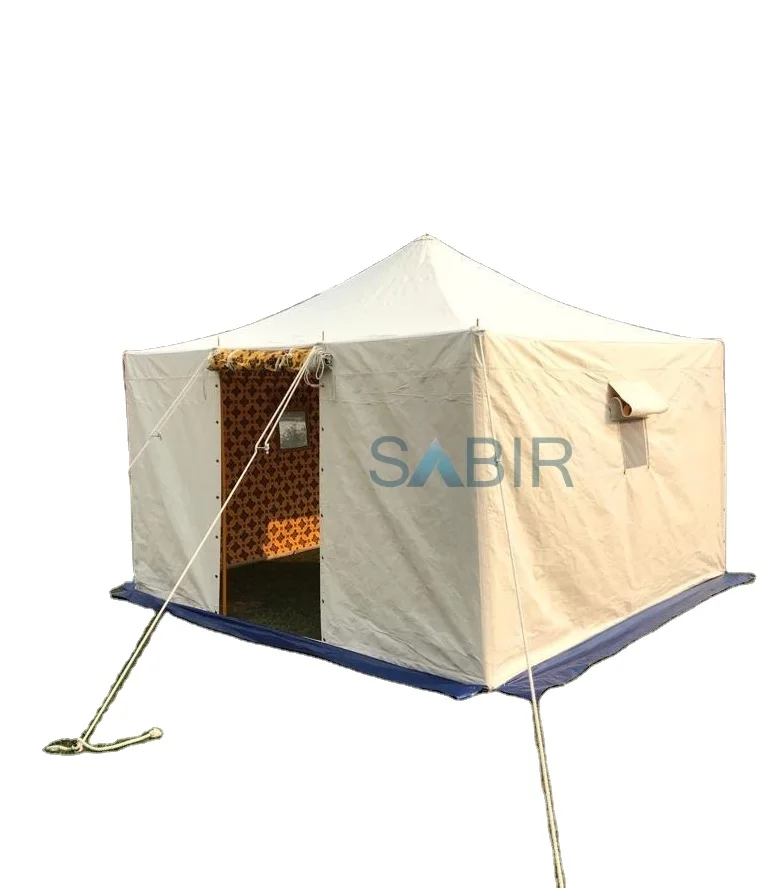
Многофункциональная роскошная водонепроницаемая палатка из брезента для кемпинга однокомнатная всесезонная с настраиваемым размером новый стиль рынка Ближнего Востока
45 688,76-56 159,10 ₽
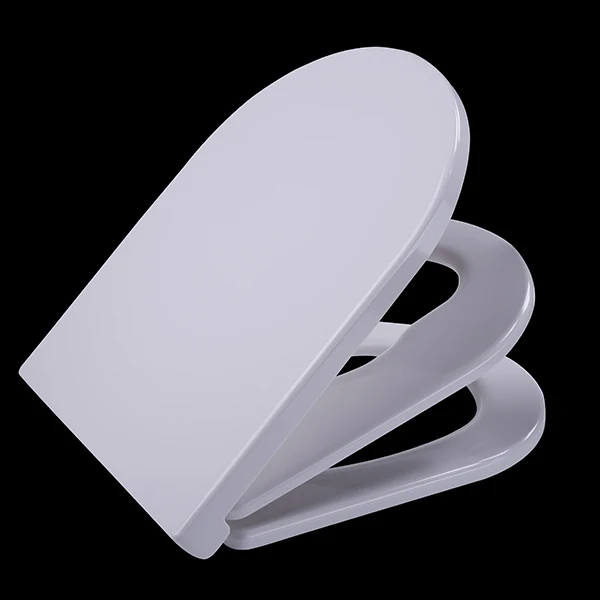
Санитарно-гигиеническое сиденье для
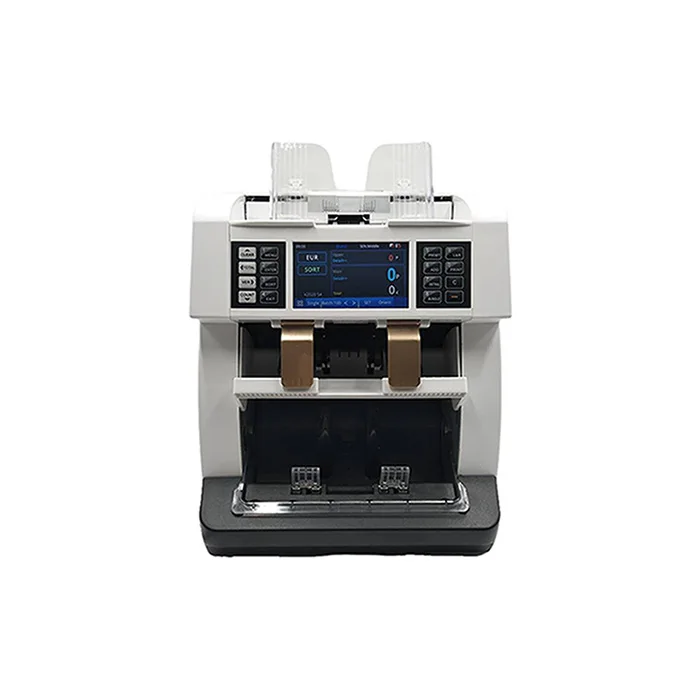
Счетчик купюр с низким уровнем шума на тонкопленочных транзисторах, автоматическое определение разных валют, 4,2 дюйма
50 448-52 351,70 ₽
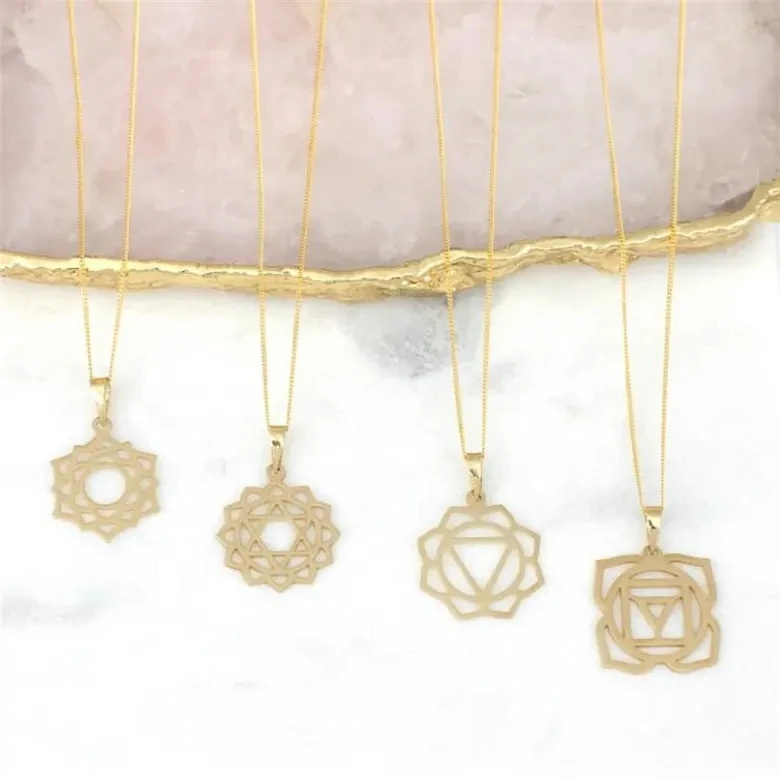
Ожерелье из нержавеющей стали изящное ожерелье с чакрами на заказ модное позолоченное ювелирное изделие водонепроницаемой подвеской без
121,84-217,03 ₽
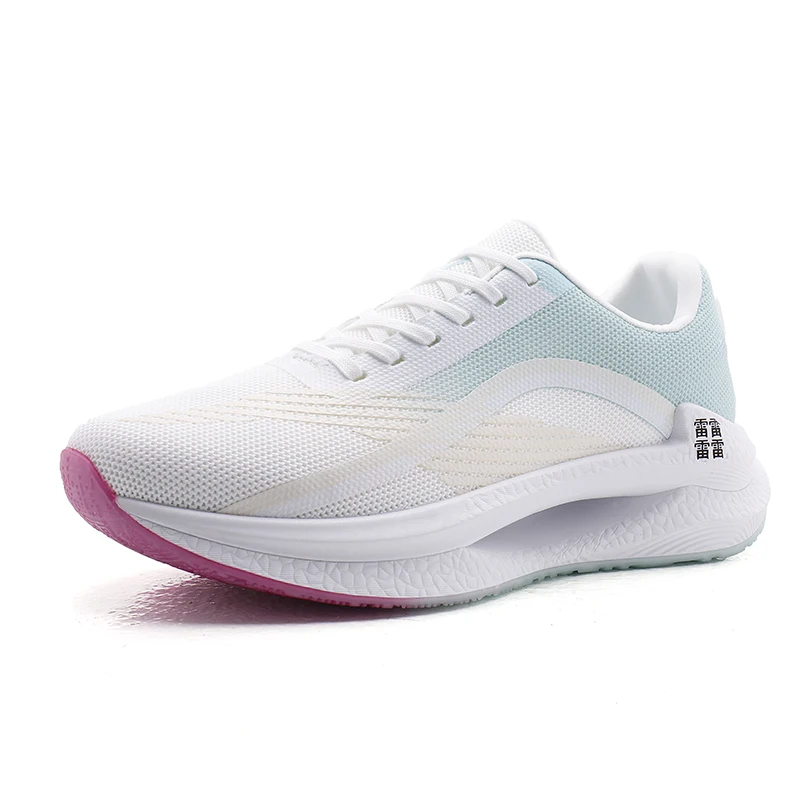
Мужские спортивные кроссовки с логотипом
856,67-999,45 ₽
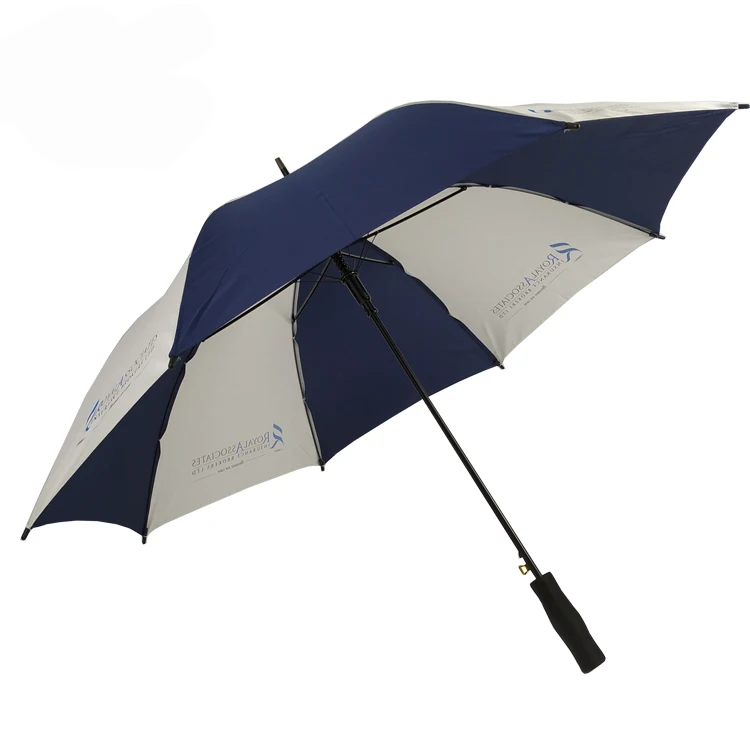
OEM ODM, настоящее изобретение, персонализированный прямой автоматический открытый пользовательский логотип, рекламный зонт для гольфа с логотипом для отелей
842,39-938,53 ₽