

Оптовая продажа в Японии набор для питья сакэ с сильным сладким вкусом
- Категория: Rice Wine >>>
- Поставщик: Sugii Sake Brewery
Сохранить в закладки 10000005786702:
Описание и отзывы
Характеристики

Products Description

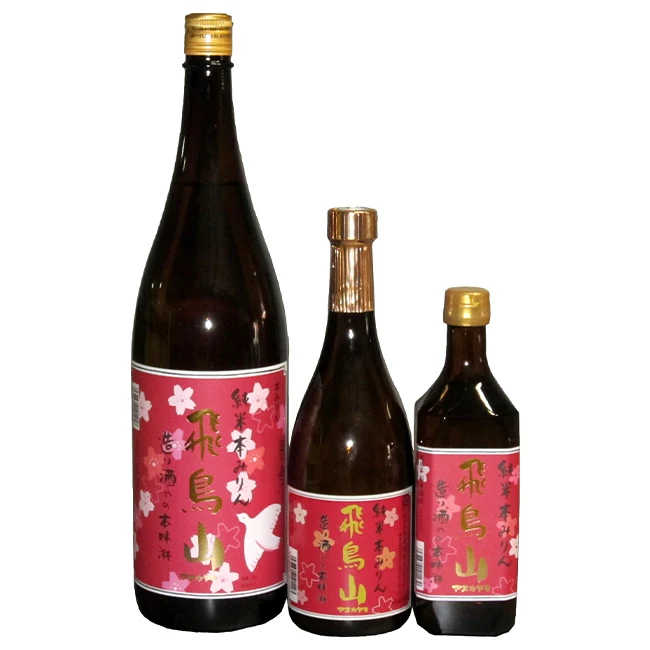
This is a very rich and sweet mirin made in the traditional way. It can be used as a substitute for dessert wine, brandy, or sugar.
What is Mirin?
Mirin is an alcoholic beverage made from shochu (distilled rice spirit) and glutinous rice, and is a kind of seasoning. It is one of the most essential seasonings for cooking Japanese food, like soy sauce. It is almost always used in Japanese soup dishes.
Is Mirin for an alcoholic beverage or for a seasoning?
When Mirin was invented in the 15th century, it was used as a drink, and in the 19th century, it was used as a seasoning. At that time, it was popular as a sweet alcoholic drink among women who didn't like sake. However, when there were food shortages during World War II, ”mirin-like seasoning” that were cheaper to make became available. As a result, the traditional Mirin, which was delicious to drink and required a lot of work, became rare, and only Mirin-like seasonings were used by ordinary families. Today, there are only a dozen or so companies that make Mirin, which is drunk as an alcoholic beverage.
Difference between Traditional Mirin and Mirin-style Seasoning
Traditional Mirin is made from shochu (distilled rice spirit) and glutinous rice.
Is Mirin for an alcoholic beverage or for a seasoning?
When Mirin was invented in the 15th century, it was used as a drink, and in the 19th century, it was used as a seasoning. At that time, it was popular as a sweet alcoholic drink among women who didn't like sake. However, when there were food shortages during World War II, ”mirin-like seasoning” that were cheaper to make became available. As a result, the traditional Mirin, which was delicious to drink and required a lot of work, became rare, and only Mirin-like seasonings were used by ordinary families. As a result, the traditional Mirin, which was delicious to drink and required a lot of work, became rare, and only Mirin-like seasonings were used by ordinary families. Today, there are only a dozen or so companies that make Mirin, which is drunk as an alcoholic beverage.
Difference between Traditional Mirin and Mirin-style Seasoning
Traditional Mirin is made from shochu (rice liquor) and glutinous rice. On the other hand, Mirin-style seasonings use white liquor, syrup, sugar, and chemical seasonings in order to make it cheaper.
Usage
For drinking and cooking
As a substitute for dessert wine
As a substitute for brandy, honey or sugar for desserts.
What we do
1. we use specially cultivated glutinous rice, which uses less pesticides, for the raw material, and it costs the same as sake brewing rice. We also polish the rice to 80% of the normal milling ratio of 90% in order to reduce miscellaneous tastes. Therefore, the cost alone is almost 1.5 times higher than other companies.
2.We do not use any brewing alcohol in our shochu brewing process, but only authentic shochu made from pure rice wine lees and rice, distilled in a single distiller.
3.We do not use a rice steamer to cool the glutinous rice. This is because the low milling ratio makes the rice too soft to use a machine. Therefore, the naturally cooled steamed rice is put into the brewing tank by hand, just like in 17th century.
4.Mirin Moromi, which is made from glutinous rice, rice malt, and shochu, is too dry Mirin Moromi, which is made from glutinous rice, rice malt, and shochu, is too viscous to be pressed with an automatic press, so it is pressed by hand with an old type of press called a sakebukuro (sake bag) and ship. By doing so, we are able to produce a thicker and richer Mirin than other companies.
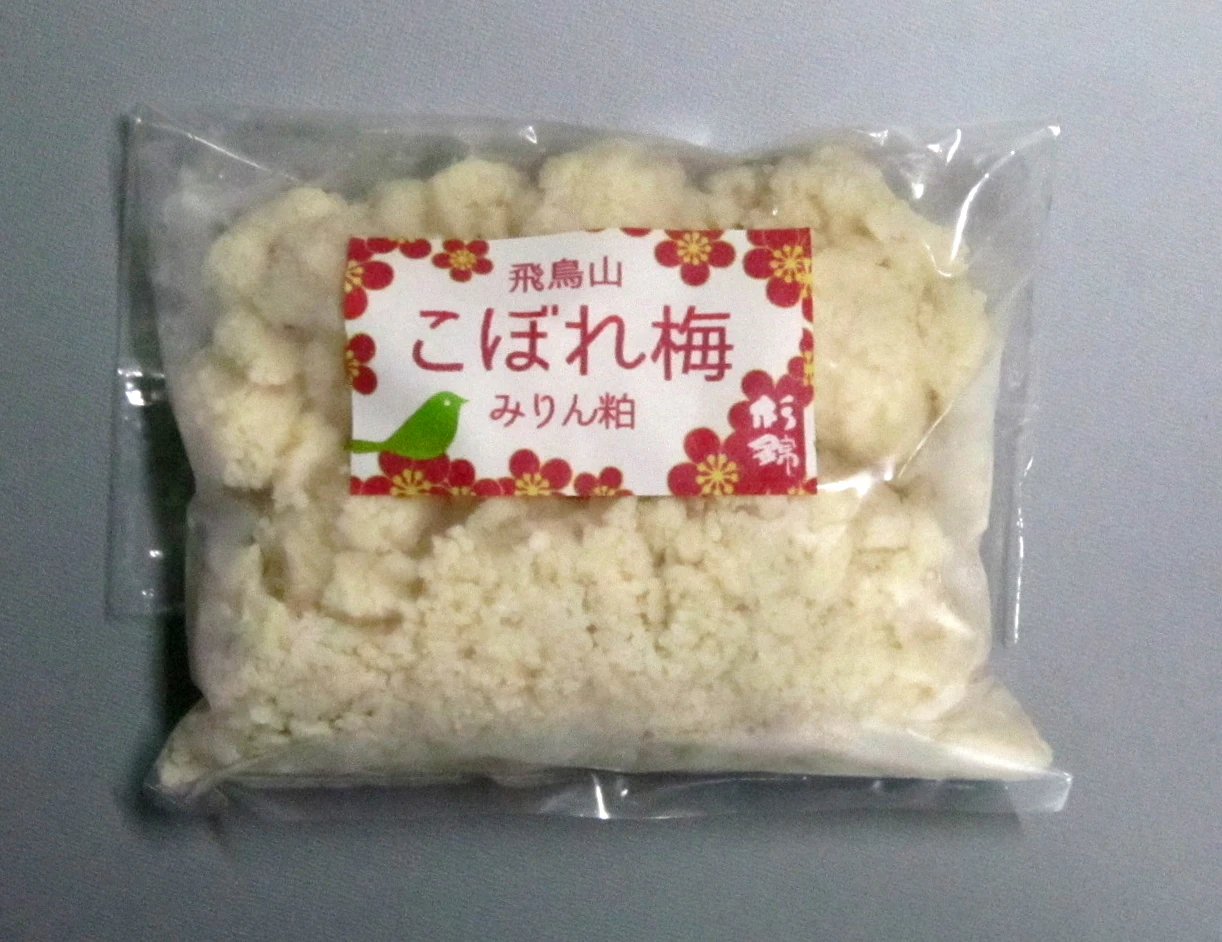
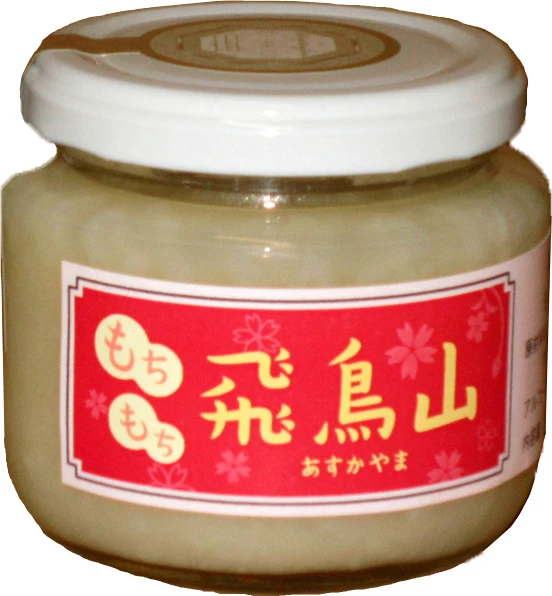
We also produce mirin lee and brewing mash of mirin. These are also used asd seasonings in Japanese cuisine.
What is Mirin?
Mirin is an alcoholic beverage made from shochu (distilled rice spirit) and glutinous rice, and is a kind of seasoning. It is one of the most essential seasonings for cooking Japanese food, like soy sauce. It is almost always used in Japanese soup dishes.
Is Mirin for an alcoholic beverage or for a seasoning?
When Mirin was invented in the 15th century, it was used as a drink, and in the 19th century, it was used as a seasoning. At that time, it was popular as a sweet alcoholic drink among women who didn't like sake. However, when there were food shortages during World War II, ”mirin-like seasoning” that were cheaper to make became available. As a result, the traditional Mirin, which was delicious to drink and required a lot of work, became rare, and only Mirin-like seasonings were used by ordinary families. Today, there are only a dozen or so companies that make Mirin, which is drunk as an alcoholic beverage.
Difference between Traditional Mirin and Mirin-style Seasoning
Traditional Mirin is made from shochu (distilled rice spirit) and glutinous rice.
Is Mirin for an alcoholic beverage or for a seasoning?
When Mirin was invented in the 15th century, it was used as a drink, and in the 19th century, it was used as a seasoning. At that time, it was popular as a sweet alcoholic drink among women who didn't like sake. However, when there were food shortages during World War II, ”mirin-like seasoning” that were cheaper to make became available. As a result, the traditional Mirin, which was delicious to drink and required a lot of work, became rare, and only Mirin-like seasonings were used by ordinary families. As a result, the traditional Mirin, which was delicious to drink and required a lot of work, became rare, and only Mirin-like seasonings were used by ordinary families. Today, there are only a dozen or so companies that make Mirin, which is drunk as an alcoholic beverage.
Difference between Traditional Mirin and Mirin-style Seasoning
Traditional Mirin is made from shochu (rice liquor) and glutinous rice. On the other hand, Mirin-style seasonings use white liquor, syrup, sugar, and chemical seasonings in order to make it cheaper.
Usage
For drinking and cooking
As a substitute for dessert wine
As a substitute for brandy, honey or sugar for desserts.
What we do
1. we use specially cultivated glutinous rice, which uses less pesticides, for the raw material, and it costs the same as sake brewing rice. We also polish the rice to 80% of the normal milling ratio of 90% in order to reduce miscellaneous tastes. Therefore, the cost alone is almost 1.5 times higher than other companies.
2.We do not use any brewing alcohol in our shochu brewing process, but only authentic shochu made from pure rice wine lees and rice, distilled in a single distiller.
3.We do not use a rice steamer to cool the glutinous rice. This is because the low milling ratio makes the rice too soft to use a machine. Therefore, the naturally cooled steamed rice is put into the brewing tank by hand, just like in 17th century.
4.Mirin Moromi, which is made from glutinous rice, rice malt, and shochu, is too dry Mirin Moromi, which is made from glutinous rice, rice malt, and shochu, is too viscous to be pressed with an automatic press, so it is pressed by hand with an old type of press called a sakebukuro (sake bag) and ship. By doing so, we are able to produce a thicker and richer Mirin than other companies.
We also produce mirin lee and brewing mash of mirin. These are also used asd seasonings in Japanese cuisine.


Company Profile
A sake brewery established in 1842 that produces sake, shochu(Japanese liquor), mirin, plum wine, and vinegar. Our sake is characterized by its strong acidity and astringency, making it a highly complex brew.
Features
1. Concentrate on traditional sake brewing
While 90% of Japanese sake is made using the fast brewing method, which is more efficient and uses artificial lactic acid, we focus on sake made using the traditional method of using natural lactic acid bacteria, which is called Kimoto.
2. Rich, acidic, and complex sake
In mainstream Japan, light, fruity sake is preferred. On the other hand, we specialize in rich, acidic and complex sake. It has been highly praised by French KURAMASTER as tasting like a full-bodied wine. It is also reputed to be a good marriage with food due to its moderate sweetness.
3. Small production of many types
We make many kinds of sake, shochu(Japanese liquor), mirin, and plum wine. For this reason, we do not make them industrially, but produce them in small quantities. By producing a large number of products with a small number of people, the brewers are able to gain a lot of experience and improve their skills.
4. Accepting private brands
We produce sake and shochu in response to customers' requests.
Example)
We want to change the label to our own exclusive use.
Production using organic rice
Production using natural yeast bacteria
Liqueurs made with ingredients such as corn, potatoes, chestnuts, etc.
Super dry sake production
A sake brewery established in 1842 that produces sake, shochu(Japanese liquor), mirin, plum wine, and vinegar. Our sake is characterized by its strong acidity and astringency, making it a highly complex brew.
Features
1. Concentrate on traditional sake brewing
While 90% of Japanese sake is made using the fast brewing method, which is more efficient and uses artificial lactic acid, we focus on sake made using the traditional method of using natural lactic acid bacteria, which is called Kimoto.
2. Rich, acidic, and complex sake
In mainstream Japan, light, fruity sake is preferred. On the other hand, we specialize in rich, acidic and complex sake. It has been highly praised by French KURAMASTER as tasting like a full-bodied wine. It is also reputed to be a good marriage with food due to its moderate sweetness.
3. Small production of many types
We make many kinds of sake, shochu(Japanese liquor), mirin, and plum wine. For this reason, we do not make them industrially, but produce them in small quantities. By producing a large number of products with a small number of people, the brewers are able to gain a lot of experience and improve their skills.
4. Accepting private brands
We produce sake and shochu in response to customers' requests.
Example)
We want to change the label to our own exclusive use.
Production using organic rice
Production using natural yeast bacteria
Liqueurs made with ingredients such as corn, potatoes, chestnuts, etc.
Super dry sake production


Material | Shochu, Sticky rice |
Alcohol | 14% |
Company Profile
Our sake making is Ever Change, Never Comlete


Outline
A sake brewery established in 1842 that produces sake, shochu(Japanese liquor), mirin, plum wine, and vinegar. Our sake is characterized by its strong acidity and astringency, making it a highly complex brew.
Evaluation
Our sake is rated as having a strong acidity and astringency, and a complex taste and aroma. We have won awards at KURAMASTER, IWC. Currently, We export to seven countries.
Award
KURAMASTER(2018)Platinum Tempo13
KURAMASTER(2019)Platinum Tempo13
KURAMASTER(2020)Gold Tempo13
KURAMASTER(2020)Platinum MIsakubo
IWC(2018) Commended Bodaimoto,Tempo13,Daiginjo
Improving On Tradition
Currently, 90% of sake in Japan is made using the fast brewing method. This type of sake is inexpensive because it can be made in large quantities industrially, but it does not marry well with food and is easy to get tired of drinking. Our goal is not to make in such way, but to improve on the traditional time-consuming methods, such as the Bodaimoto brewing, Kimoto brewing.
Diverse products produce high technology.
We make plum wine from mirin, mirin from shochu, and shochu from sake lees. We also make vinegar from the alcohol that is produced in these processes. In the spirit that sake should be made from the blessings of nature, we reuse our own products in this way. Rather than making each product from inferior raw materials, it is better to reuse products made from high quality raw materials over and over again to make nature-friendly and high quality products. Also, by producing a variety of products, we are able to improve our fermentation technology itself, making it easier to innovate.
What is Bodhimoto, Kimoto, and Rapid Brewing?
We focus on the Bodaimoto brewing and the Kimoto brewing. Sake is mainly fermented by lactic acid bacteria, koji bacteria, and yeast bacteria, which play the main roles. The koji bacteria converts starch into glucose, and the yeast bacteria converts glucose into alcohol. Lactic acid bacteria produce lactic acid and kill other bacteria. The way in which the lactic acid bacteria are generated differs depending on the method used.
Bodaimoto Brewing
This method was developed in the 14th century at a temple in Nara. When steamed rice is put in a bag and placed in water, natural lactic acid bacteria gradually grow and acidic water is produced. The method of using this water is called Bodai-moto.
Kimoto Brewing
A method developed in the 18th century. In Bodaimoto, acidic water was prepared separately to produce lactic acid bacteria. This method, on the other hand, involves mashing the rice, storing it, and generating lactic acid bacteria directly in the main container.
Fast Brewing
A method developed in the 20th century. A method in which lactic acid bacteria are not cultivated, but rather lactic acid is added directly. 90 percent of the products are currently made using this method.
Trend And Our Philosophy
For many years, the mainstream way of making sake was to use the Bodaimoto or Kimoto brewing. With modernization, the fast brewing has become the mainstream method over the past 60 years. There are three reasons for this.
1.Fast brewing was a good way to meet the large demand of a growing population because it could be made quickly.
2. Because of its low failure rate, fast brewing was promoted by the government in order to secure and enlarge stable alcohol taxes.
3. Fast brewing requires no craftsmanship and can be done industrially by anyone.
As the rapid brewing process became more popular, the overall methodologies of sake brewing changed to accommodate the Fast brewing process.
1. Influenced by the West and modernization, the structuralist approach to sake brewing is considered to be a good idea. This value disregards empirical rules.
2. The entire factory was turned into a scientific laboratory. Do not allow germs to grow. Only purely cultured bacteria are used. You remove something made by wood to something made by concrete, steel.
3. To improve reproducibility, do not do it by hand, but industrially.
4. The value system that says that if you spend a lot of money, you can make good sake, such as using famous brands of rice with high polish rates and installing expensive equipment. That leads trend that sake is not made for tastily sake, but for marketing.
We do not deny all of these ideas, but we do not agree with all of them either. Too much scientific thinking is inferior to the experience of the artisan. For example, the firmness and viscosity of rice are difficult to describe scientifically. The human sense of smell and taste is superior to that of machines. It is difficult to scientifically describe which sake is better. Scientific and other people's evaluations give us peace of mind so you overestimate power of science. But we sometimes need to trust our own experience and skills.
Most of today's sake brewing was invented by the experience of people in the past, without scientific thinking. We believe that only by making good use of the power of nature can the power of craftsmanship be utilized to produce good sake.
A sake brewery established in 1842 that produces sake, shochu(Japanese liquor), mirin, plum wine, and vinegar. Our sake is characterized by its strong acidity and astringency, making it a highly complex brew.
Evaluation
Our sake is rated as having a strong acidity and astringency, and a complex taste and aroma. We have won awards at KURAMASTER, IWC. Currently, We export to seven countries.
Award
KURAMASTER(2018)Platinum Tempo13
KURAMASTER(2019)Platinum Tempo13
KURAMASTER(2020)Gold Tempo13
KURAMASTER(2020)Platinum MIsakubo
IWC(2018) Commended Bodaimoto,Tempo13,Daiginjo
Improving On Tradition
Currently, 90% of sake in Japan is made using the fast brewing method. This type of sake is inexpensive because it can be made in large quantities industrially, but it does not marry well with food and is easy to get tired of drinking. Our goal is not to make in such way, but to improve on the traditional time-consuming methods, such as the Bodaimoto brewing, Kimoto brewing.
Diverse products produce high technology.
We make plum wine from mirin, mirin from shochu, and shochu from sake lees. We also make vinegar from the alcohol that is produced in these processes. In the spirit that sake should be made from the blessings of nature, we reuse our own products in this way. Rather than making each product from inferior raw materials, it is better to reuse products made from high quality raw materials over and over again to make nature-friendly and high quality products. Also, by producing a variety of products, we are able to improve our fermentation technology itself, making it easier to innovate.
What is Bodhimoto, Kimoto, and Rapid Brewing?
We focus on the Bodaimoto brewing and the Kimoto brewing. Sake is mainly fermented by lactic acid bacteria, koji bacteria, and yeast bacteria, which play the main roles. The koji bacteria converts starch into glucose, and the yeast bacteria converts glucose into alcohol. Lactic acid bacteria produce lactic acid and kill other bacteria. The way in which the lactic acid bacteria are generated differs depending on the method used.
Bodaimoto Brewing
This method was developed in the 14th century at a temple in Nara. When steamed rice is put in a bag and placed in water, natural lactic acid bacteria gradually grow and acidic water is produced. The method of using this water is called Bodai-moto.
Kimoto Brewing
A method developed in the 18th century. In Bodaimoto, acidic water was prepared separately to produce lactic acid bacteria. This method, on the other hand, involves mashing the rice, storing it, and generating lactic acid bacteria directly in the main container.
Fast Brewing
A method developed in the 20th century. A method in which lactic acid bacteria are not cultivated, but rather lactic acid is added directly. 90 percent of the products are currently made using this method.
Trend And Our Philosophy
For many years, the mainstream way of making sake was to use the Bodaimoto or Kimoto brewing. With modernization, the fast brewing has become the mainstream method over the past 60 years. There are three reasons for this.
1.Fast brewing was a good way to meet the large demand of a growing population because it could be made quickly.
2. Because of its low failure rate, fast brewing was promoted by the government in order to secure and enlarge stable alcohol taxes.
3. Fast brewing requires no craftsmanship and can be done industrially by anyone.
As the rapid brewing process became more popular, the overall methodologies of sake brewing changed to accommodate the Fast brewing process.
1. Influenced by the West and modernization, the structuralist approach to sake brewing is considered to be a good idea. This value disregards empirical rules.
2. The entire factory was turned into a scientific laboratory. Do not allow germs to grow. Only purely cultured bacteria are used. You remove something made by wood to something made by concrete, steel.
3. To improve reproducibility, do not do it by hand, but industrially.
4. The value system that says that if you spend a lot of money, you can make good sake, such as using famous brands of rice with high polish rates and installing expensive equipment. That leads trend that sake is not made for tastily sake, but for marketing.
We do not deny all of these ideas, but we do not agree with all of them either. Too much scientific thinking is inferior to the experience of the artisan. For example, the firmness and viscosity of rice are difficult to describe scientifically. The human sense of smell and taste is superior to that of machines. It is difficult to scientifically describe which sake is better. Scientific and other people's evaluations give us peace of mind so you overestimate power of science. But we sometimes need to trust our own experience and skills.
Most of today's sake brewing was invented by the experience of people in the past, without scientific thinking. We believe that only by making good use of the power of nature can the power of craftsmanship be utilized to produce good sake.
Похожие товары
Японский Рисовый сакэ насыпью с кислым вкусом без пестицидов или органических удобрений
Японский фруктовый аромат, мягкий вкус, высококачественный ликер, напиток, вино
Японская оптовая продажа, богатая сладость, индивидуальный набор сакэ для питья
Японская красота, Азиатский спиртовой напиток daiginjo muroka genshu, 720 мл, вино
Колба, производитель спиртовых напитков daiginjo eiju 720 мл Саке
Josen сухой вкус sake2.0L 900 мл 180 мл оптом дешевое вино
Самая популярная японская сакэ для облегчения неправильного обращения оптом
Новые поступления
Новинки товаров от производителей по оптовым ценам
300 Вт безопасный для посудомоечной машины 5-скоростной турбо с крючками для теста, венчик, электрический ручной миксер
571,11-666,30 ₽
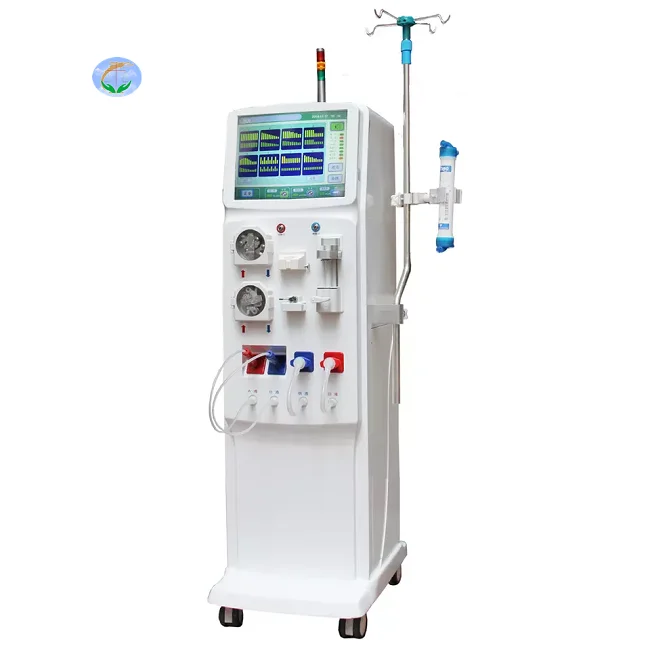
Медицинский портативный прибор для гемодиализа катетер и кровообращения диализа почек ухода за здоровьем

Многофункциональная роскошная водонепроницаемая палатка из брезента для кемпинга однокомнатная всесезонная с настраиваемым размером новый стиль рынка Ближнего Востока
45 688,76-56 159,10 ₽

Санитарно-гигиеническое сиденье для
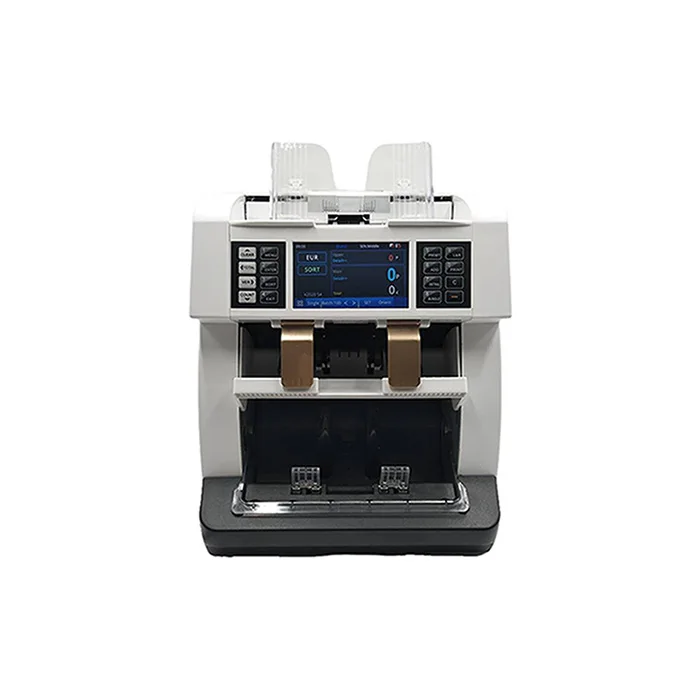
Счетчик купюр с низким уровнем шума на тонкопленочных транзисторах, автоматическое определение разных валют, 4,2 дюйма
50 448-52 351,70 ₽
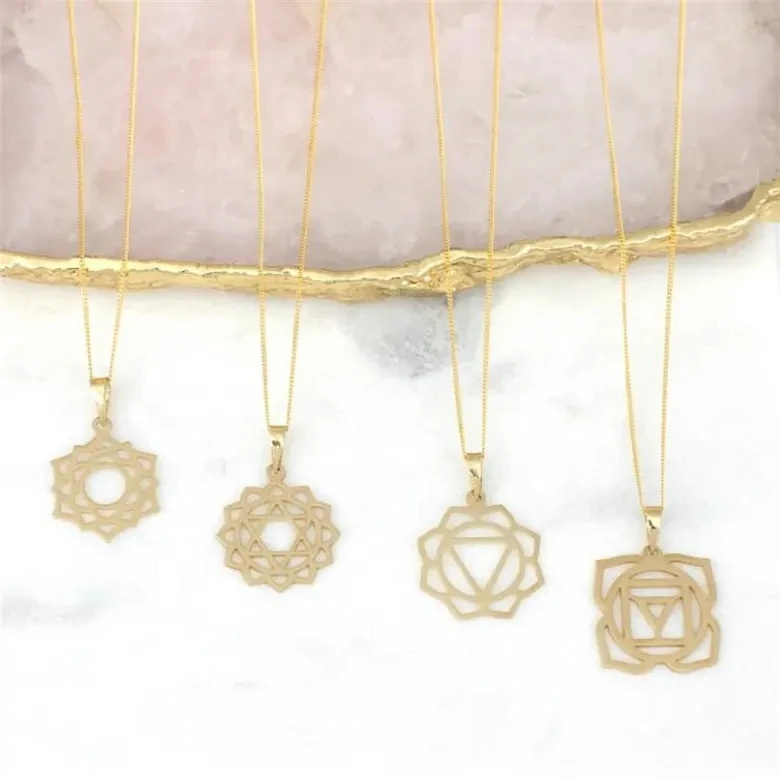
Ожерелье из нержавеющей стали изящное ожерелье с чакрами на заказ модное позолоченное ювелирное изделие водонепроницаемой подвеской без
121,84-217,03 ₽
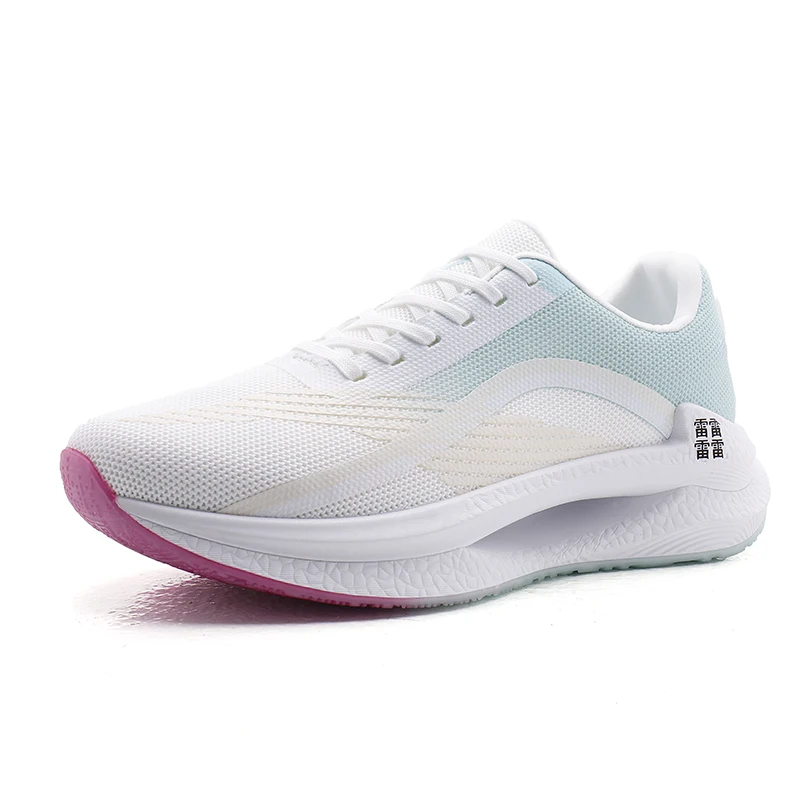
Мужские спортивные кроссовки с логотипом
856,67-999,45 ₽

OEM ODM, настоящее изобретение, персонализированный прямой автоматический открытый пользовательский логотип, рекламный зонт для гольфа с логотипом для отелей
842,39-938,53 ₽