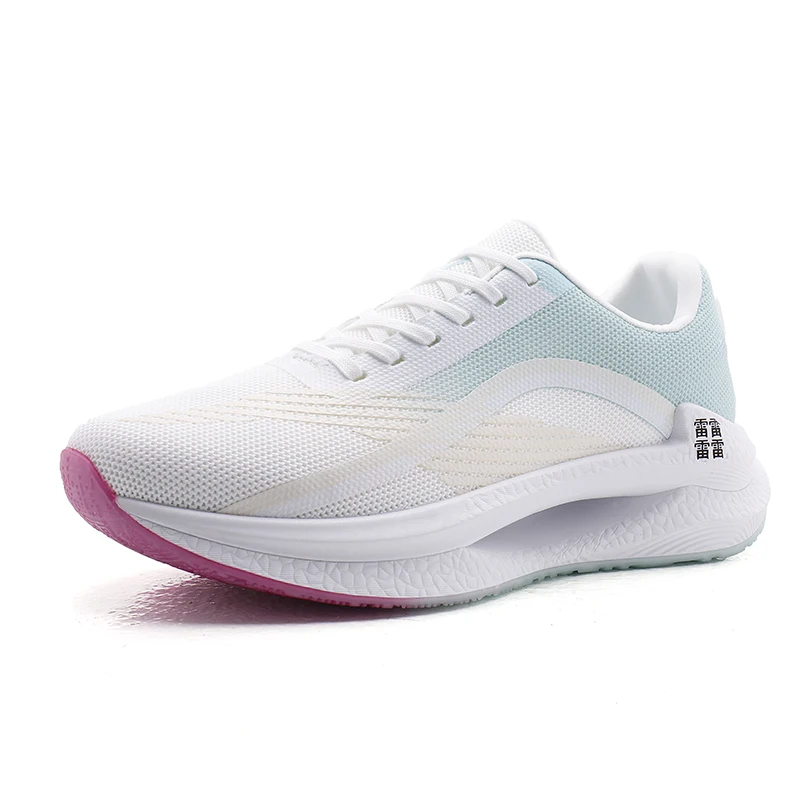
Уникальные итальянские высококачественные оливковые листья ручной работы, ГИН 70 CL для экспорта
49,90 $
Сохранить в закладки 10000008794894:
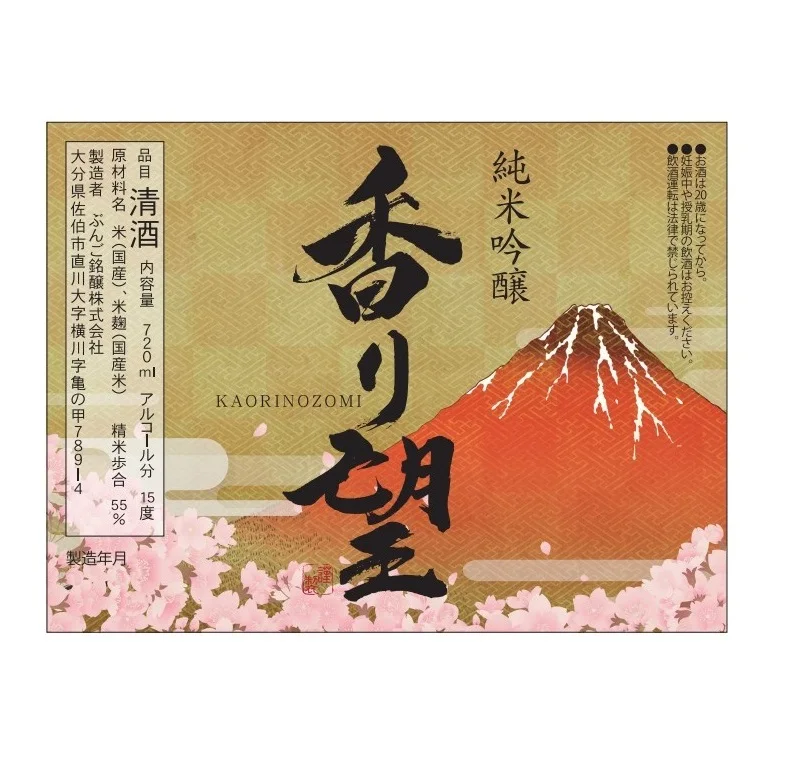
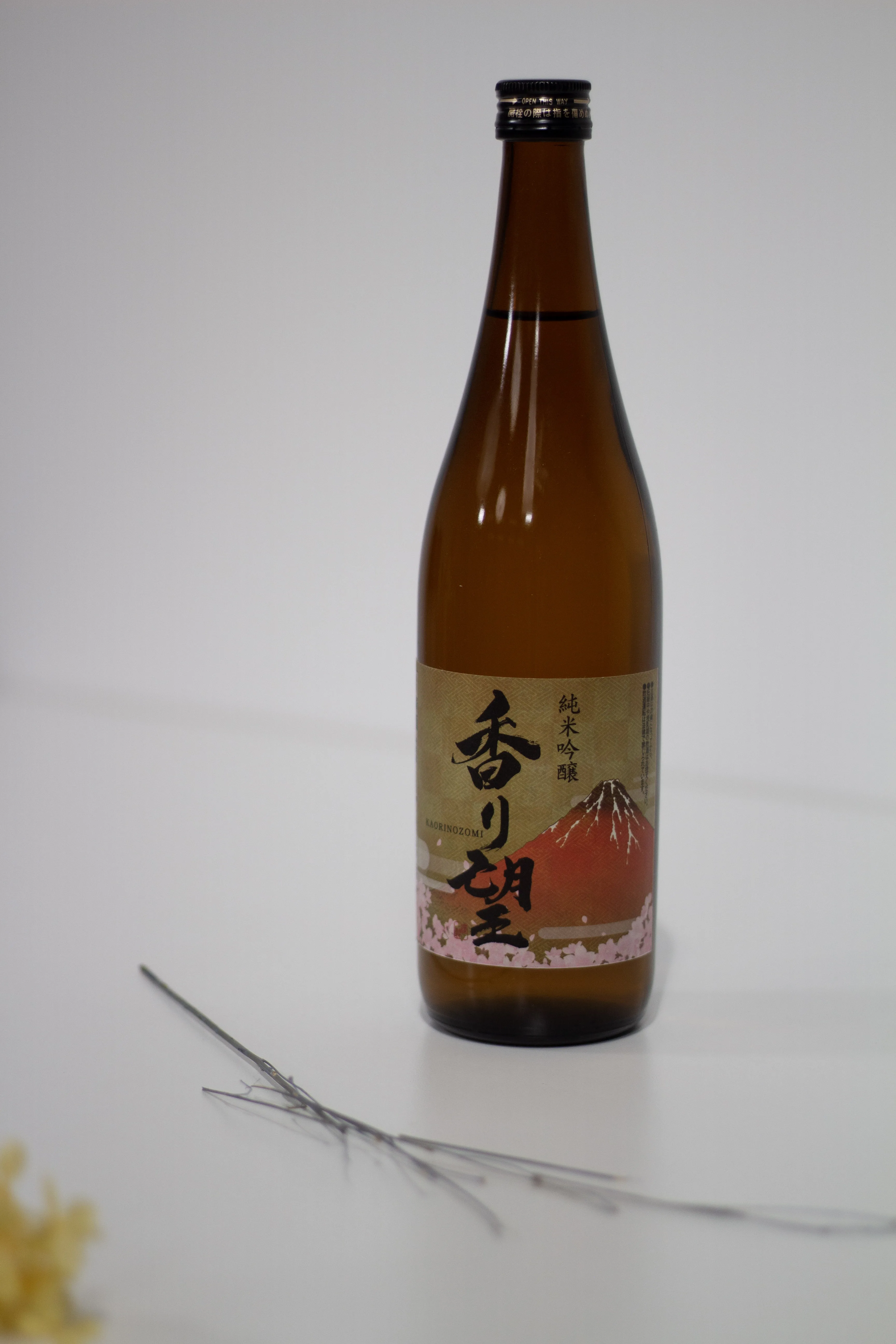
Sake Junmai Ginjo Kaori Nozomi720ml | ||
specification | ||
SIZE | 75×75×300(mm) | |
raw materials | Rice and rice malt | |
seimaibuai | 55% | |
alcohol content | 15% | |
Recommended drinking temperature | ||||||
Temperature(℃) | way of calling | |||||
50~60 | kan | tobikirikan | ||||
50 | atsukan | ◎ | ||||
45 | jokan | |||||
40 | nurukan | |||||
35 | hitohadakan | |||||
30 | hinatakan | |||||
15 | hiya | suzubie | ◎ | |||
10 | hanabie | ◎ | ||||
5 | reishu | yukibie | ||||
Food Matches | hors d'oeuvres | Main dish |
Oysters (grilled with cheese) Pate dishes Caviar Camembert | Peking duck Foie gras Meuniere Bouillabaisse Pasta | |
Flavour | Medium | Med-Sweet |
Aroma | Fruity | Green Apple |
Новинки товаров от производителей по оптовым ценам