
Складная весовая скамья для тренировок на тело Многофункциональная Универсальная весовая скамья Складная плоская скамья для домашнего тренажерного зала
65,10 $ - 88,50 $
Сохранить в закладки 11000001407310:
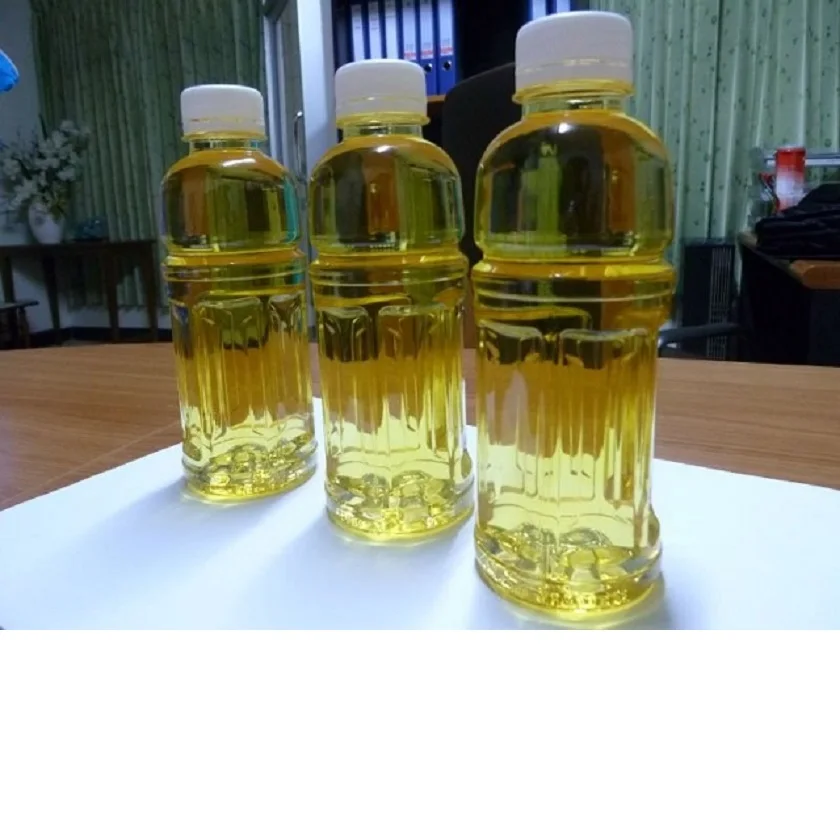
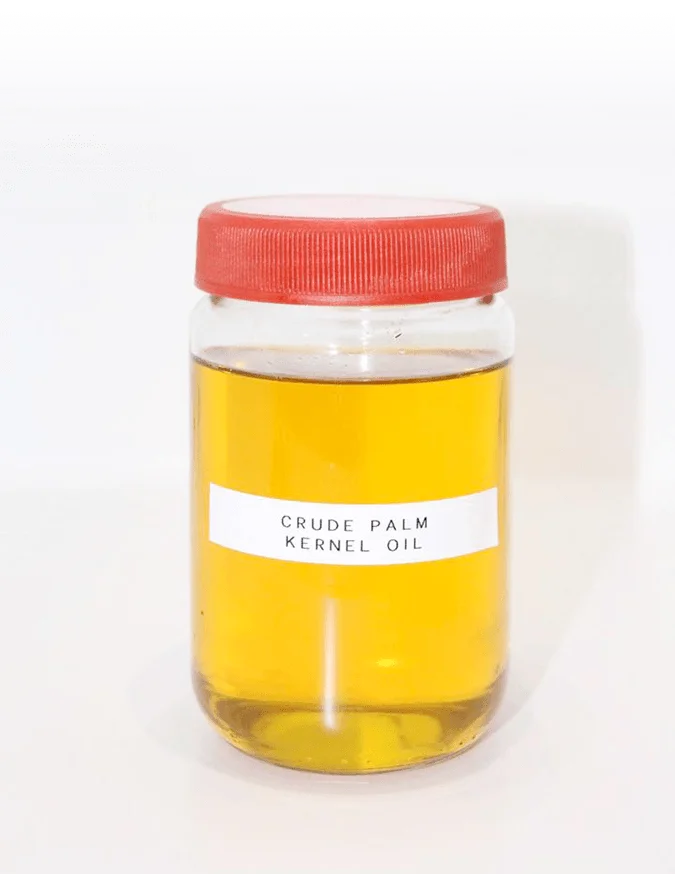
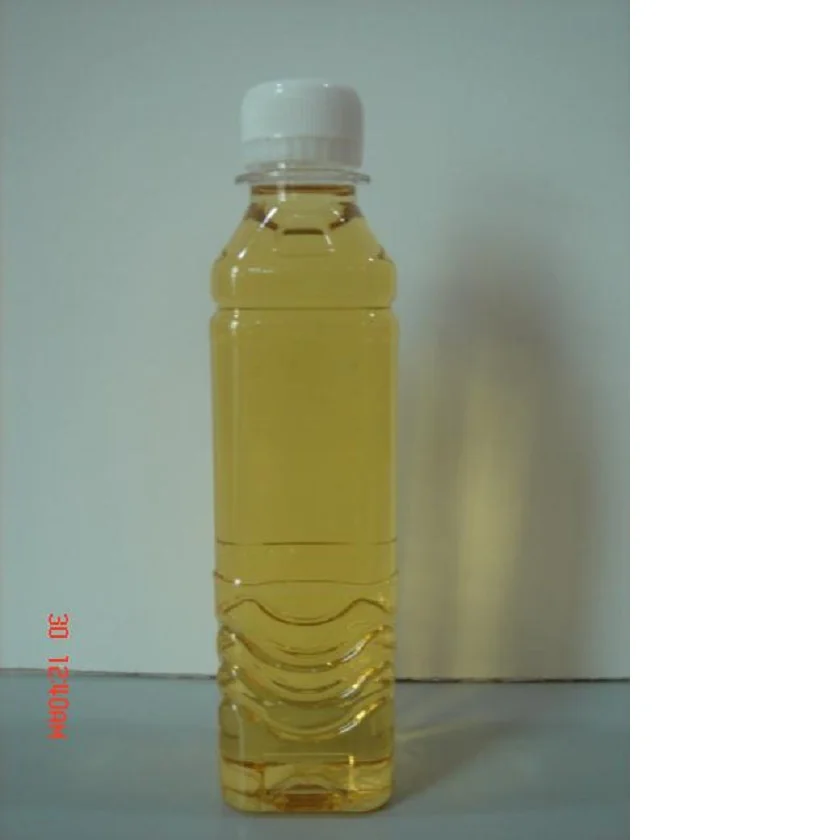
Crude Palm Kernel oil
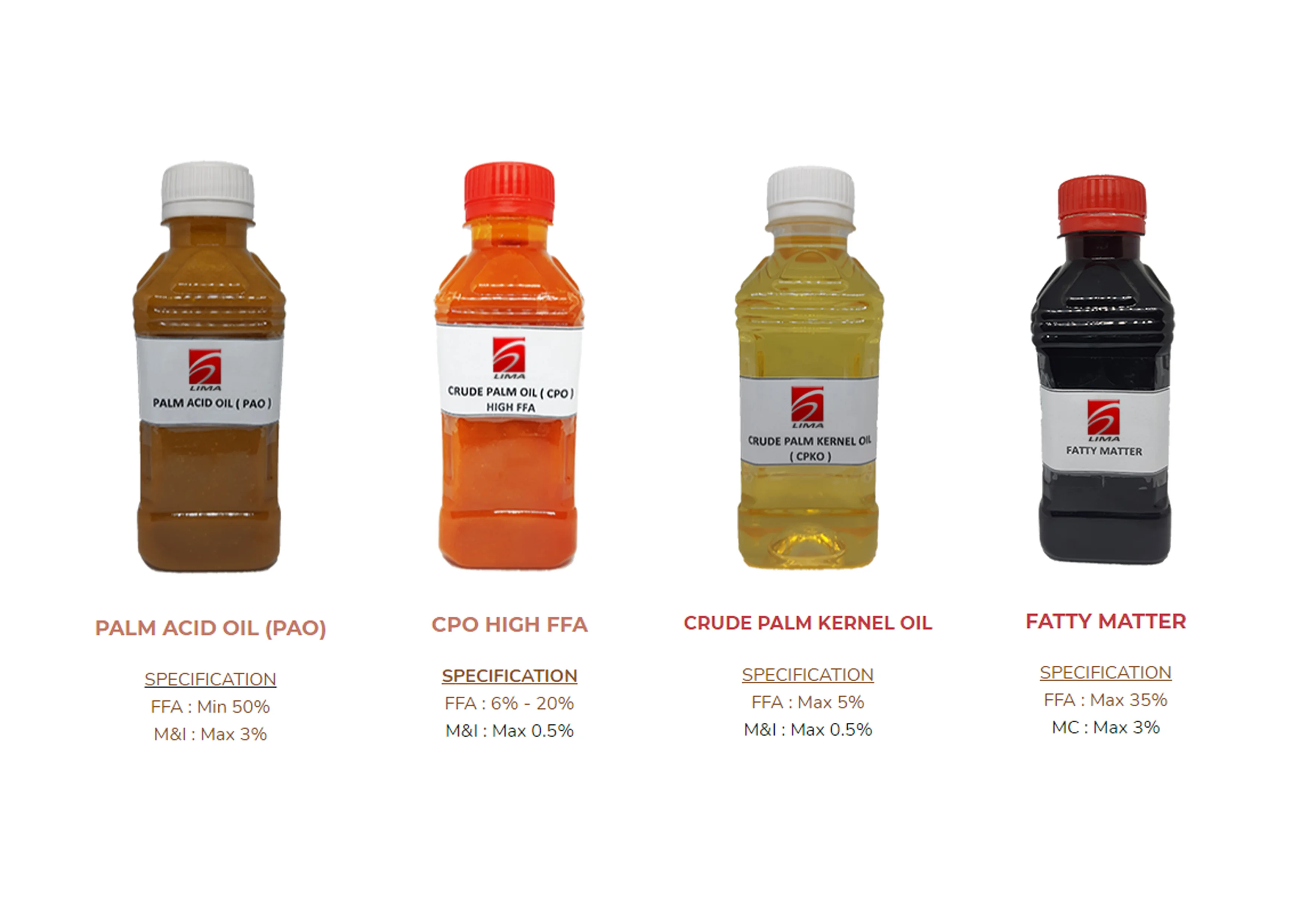
Crude Palm Kernel Oil (CPKO) is a light yellow crude oil, extracted from the palm kernels, containing mainly Lauric acid, Palmitic acid and Oleic acid. It is an edible plant oil which derived from the kernel of the oil palm has unique strong taste and smell. It is commonly used in commercial cooking because of its relatively low cost. It remains stable at high cooking temperatures and can be stored longer than other vegetable oils. The two oils, i.e. Palm Oil and Palm Kernel Oil derived from oil palm fruit are entirely different in fatty acid composition. Palm kernel oil, coconut oil and palm oil are three of the few highly saturated vegetable fats. Its lack of cholesterol and trans fatty acids, viewed as being heart healthy attributes. Indonesia is the top importer for this product.
The fatty acid composition, physical and chemical properties of palm kernel oil is very similar to those of coconut oil. Palm kernel oil mainly contains Lauric acid, Palmitic acid and Oleic acid. It has Iodine value of 18.5 approximately. Due to high content of lauric acid and low level of un–saturation, gives the palm kernel oil its high melting point.
It is used to manufacture RBD Palm Kernel Oil, which is used in food industries and oleochemical industries. RBD Palm Kernel Olein is derived by fractionation of RBD palm kernel oil. It is used to manufacture soap noodles blended with palm oil. Lauric acid, palmitic acid and other fatty acid are manufactured from this oil.
Crude Palm Kernel Oil (CPKO)
CRUDE PALM KERNEL OIL
NO. | TEST PARAMETERS | UNIT | SPECIFICATION | ANALYSIS METHOD |
1 | FFA (AS LAURIC) | % | 4.0 MAX | MPOB C 2.7 |
2 | IODINE VALUE(WIJS) | g I/100g | 16.5-18.75 | MPOB P 3.2 |
3 | COLOUR(5.25' LOVIBOND CELL) | - | 8.0R / 60.0Y | MPOB C 2.1 |
4 | MOISTURE & IMPURITIES | % | 0.50 MAX | MPOB P 1.4 |
Crude Palm Kernel Oil (CPKO)
A palm oil mill produces Crude Palm Oil (CPO), Crude Palm Kernel Oil (CPKO) and other biomass from fresh fruit bunches. Palm kernel oil is obtained from the kernel of the oil palm fruit. The low level of free fatty acid makes the quality of the oil excellent. It can be further fractionated to yield a high value fraction – such as Palm Kernel Stearin with good melting properties. The sharp melting profile also indicates that the oil is highly suitable for many industries, including food manufacturing, cosmetic and pharmaceutical industries as well as the biodiesel sector.
Crude Palm Kernel Oil
Overview
Derived from the palm kernel, which is edible seed of the oil palm fruit. Different from palm oil, which is derived from the outer parts / pulp of the fruit Manufacture Process. Kernel is separated from other palm fruit material. Dried to remove moisture. Dried kernel is pressed and crushed to extract the crude palm kernel oil. Applications Oil Industry – Used to derive different kind of fatty acids.
Manufacturing process
The fresh fruit bunch is firstly sterilized to prevent acidification of the oil. The sterilized fruit bunches are then fed to the thresher where the fruits will be separated from the bunches. The loose fruits are conveyed to a digester and then to a screw press to press out the palm oil. The remains which are the cake contain palm nuts and are transferred to the palm kernel crushing plant. The cake is then passed through a column where air separates fibers and nuts as fiber is carried upwards due to the upward flow of air whereas the nut falls down due to gravity.
Crude Palm Kernel Oil Refining Chart
Crude Palm Kernel Oil Refining Chart
The nuts are then left cooled to prevent the fiber from sticking of kernel to the shell. The nuts are then fed to the nut cracking machine which has a centrifugal motion. In this machine, the nuts are fed to nut cracking machine which uses centrifugal motion to crack the nut into the kernel and shells. Small pieces of shell and dirt are separated in the winnowing system. The kernel is then fed to the hydrocyclone where the high circular motion of fluid, the kernel goes to the center of the cylinder whereas the shell will be removed via the overflow tube. The kernel is then dried as moisture will lead to the formation of fatty acid. The dried kernel is then crushed in a rotating screw which presses out the crude palm kernel oil which is stored in a tank for further processing.
USES OF CRUDE PALM KERNEL OIL


In Ice cream
In margarine
In chocolate and confectionary products
In soap and detergents
Animal feed
Food and bakery
Fuel and biodiesel
Cosmetics
Industrial materials
Standard Specification of Crude
Crude Palm Oil (CPO)
It is pure and inedible oil (Unbleached) which is extracted and produced from the pulp of fruit of palm. The color of pulp is red. That’s why crude palm oil is naturally similar to pulp color because of high inactive Vitamin A content. It is different from kernel oil or coconut oil. Commonly it is combined or mixed with coconut oil to make highly saturated vegetable fat, which is also used for cooking purposes.
Main usage of crude palm oil is for cooking purposes and is largely used in South–East Asia, West Africa and some parts of Brazil. Commercial kitchens use it due to its low cost. It’s not healthy as its counterparts due to high content of saturated fats. Largest producer of CPO is Indonesia, Malaysia, Nigeria and Columbia. They are major exporters of palm oil.
Process of Palm Oil
Process of Palm Oil
Besides cooking purposes and food products, palm oil and derivatives known as fractions of the oil are used in the manufacture of pre–packaged food, cosmetics, cleaning products, hair care, soaps and personal care items. Palm Wax is used in the manufacture of candles. It is also used to manufacture biofuel for motor vehicles, shipping and aircraft fuel and one of its by–products is glycerin.
Crude palm oil, like all fats, is composed of fatty acids, esterified with glycerol. Palm oil has an especially high concentration of saturated fat, specifically the 16–carbon saturated fatty acid, palmitic acid, to which it gives its name. Monounsaturated oleic acid is also a major constituent of palm oil. Unrefined palm (Unbleached) oil is a significant source of Tocotrienol, part of the vitamin E family. Red palm oil is rich in carotenes, such as αlpha–carotene, ßeta–carotene and Lycopene, which give it a characteristic dark red color. However, palm oil that has been refined, bleached and deodorized from crude palm oil (called “RBD palm oil”) does not contain carotenes.
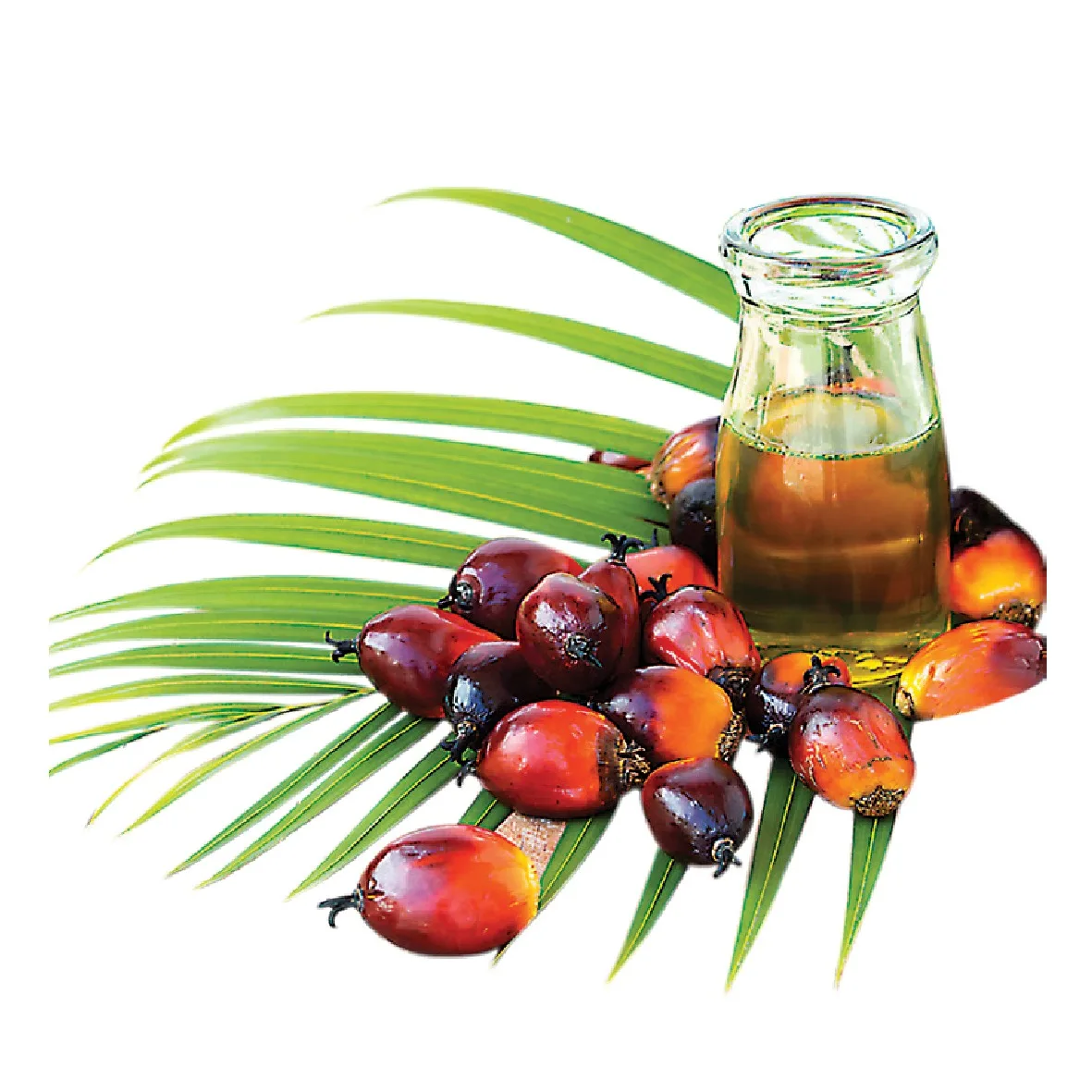
Palm Fruit Structure
Palm Fruit Structure
Palm oil is naturally reddish in color because of high ßeta–carotene content. It is not to be confused with palm kernel oil derived from the kernel of the same fruit or coconut oil derived from the kernel of the coconut palm (Cocos nucifera). The differences are in color (Raw palm kernel oil lacks carotenoids and is not red), and in saturated fat content: Palm mesocarp oil is 49% saturated, while palm kernel oil and coconut oil are 81% and 86% saturated fats, respectively. However, crude red palm oil that has been refined, bleached and deodorized, a common commodity called RBD (refined, bleached, and deodorized) palm oil, does not contain carotenoids. Many industrial food applications of palm oil use fractionated components of palm oil (often listed as “modified palm oil”) whose saturation levels can reach 90%; these “modified” palm oils can become highly saturated, but are not necessarily hydrogenated.
The oil palm produces bunches containing many fruits with the fleshy mesocarp enclosing a kernel that is covered by a very hard shell. The Food and Agriculture Organization (FAO) considers palm oil (coming from the pulp) and palm kernels to be primary products. The oil extraction rate from a bunch varies from 17% to 27% for palm oil, and from 4% to 10% for palm kernels.
Along with coconut oil, palm oil is one of the few highly saturated vegetable fats and is semisolid at room temperature. Palm oil is a common cooking ingredient in the tropical belt of Africa, Southeast Asia and parts of Brazil. Its use in the commercial food industry in other parts of the world is widespread because of its lower cost and the high oxidative stability (saturation) of the refined product when used for frying. Many processed foods either contain palm oil or various ingredients made from it.
Crude Palm Oil
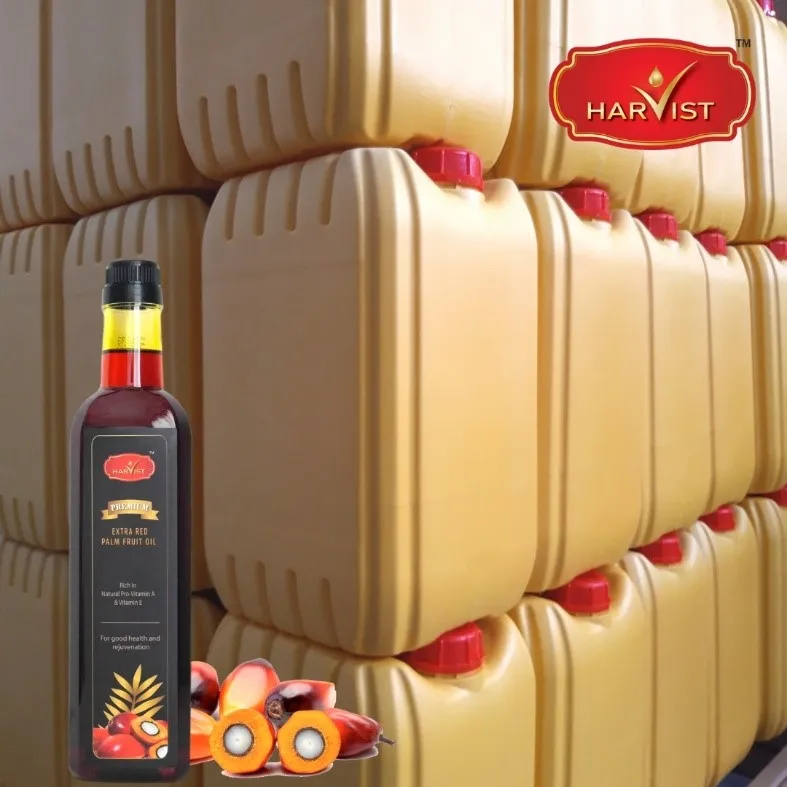
Red Palm Oil
Since the mid–1990s, Red Palm Oil has been cold–pressed from the fruit of the oil palm and bottled for use as a cooking oil, in addition to other uses such as being blended into mayonnaise and vegetable oil.
Oil produced from palm fruit is called red palm oil or just palm oil. It is around 50% saturated fat considerably fat less than palm kernel oil – and 40% unsaturated fat and 10% polyunsaturated fat. In its unprocessed state, red palm oil has an intense deep red color because of its abundant carotene content. Like palm kernel oil, red palm oil contains around 50% medium chain fatty acids, but it also contains the following nutrients;
Carotenoids, such as αlpha–carotene, ßeta–carotene, and Lycopene
Sterols
Vitamin E
Use In Food
The highly saturated nature of palm oil renders it solid at room temperature in temperate regions, making it a cheap substitute for butter or hydrogenated vegetable oils in uses where solid fat is desirable, such as the making of pastry dough and baked goods. The health concerns related to tans fats in hydrogenated vegetable oils may have contributed to the increasing use of palm oil in the food industry.
Palm oil is also used in animal feed. In March 2017, revealed that palm oil is used to make milk substitutes to feed calves in dairies. These milk substitutes contain 30% milk powder and the remainder of raw protein made from skimmed milk powder, whey powder, and vegetable fats, mostly coconut oil and palm oil.
Biomass and biofuels
Palm oil is used to produce both methyl ester and hydrodeoxygenated biodiesel. Palm oil methyl ester is created through a process called transesterification. Palm oil biodiesel is often blended with other fuels to create palm oil biodiesel blends. Palm oil biodiesel meets the European standard for biodiesels. Hydrodeoxygenated biodiesel is produced by direct hydrogenolysis of the fat into alkanes and propane.
Significant amounts of palm oil exports to Europe are converted to biodiesel. In 2014, almost half of all the palm oil in Europe was burnt as car and truck fuel. As of 2018, one–half of Europe’s palm oil imports were used for biodiesel. Use of palm oil as biodiesel generates three times the carbon emissions as using fossil fuel, and, for example, “biodiesel made from Indonesian palm oil makes the global carbon problem worse, not better.”
The organic waste matter that is produced when processing oil palm, including oil palm shells and oil palm fruit bunches can also be used to produce energy. This waste material can be converted into pellets that can be used as a biofuel. Additionally, palm oil that has been used to fry foods can be converted into methyl esters for biodiesel. The used cooking oil is chemically treated to create a biodiesel similar to petroleum diesel.
The World's Growing Appetite For Palm Oil
Standard Specification of Crude Palm Oil (CPO)


Besides being able to be processed into cooking oil, it turns out that a natural ingredient that has a myriad of benefits for maintaining healthy facial skin turns out to be in palm oil.
The following are the benefits of palm oil as a natural ingredient that has a million benefits to make a healthy and well-groomed face:
1. Helps Rejuvenate Skin
2. Can be Face Oil
3. Healthy Skin with Vitamin E
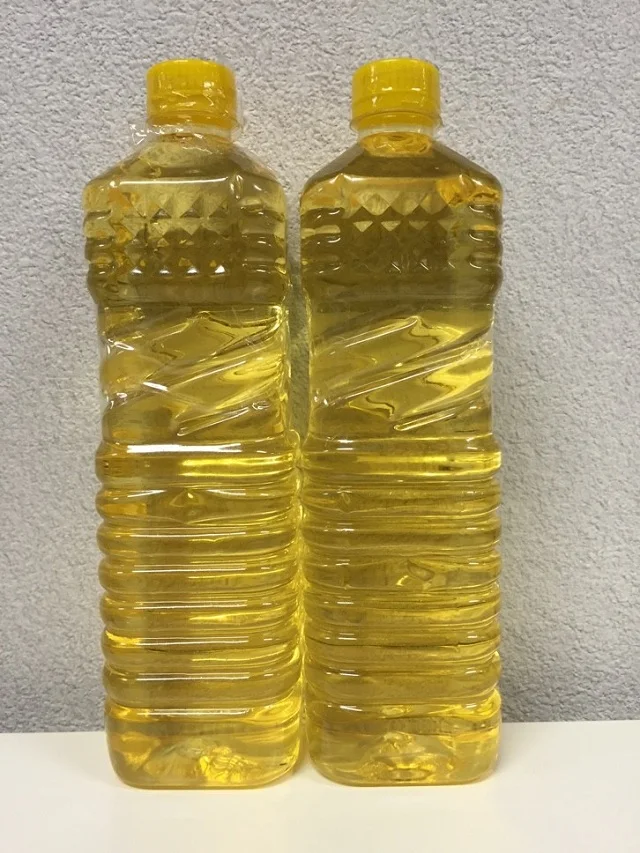
Supplying you crude palm oil (CPO) , and their derivates to meet the growing demand from market.
A fatty edible vegetable oil, yellowish in color, derived from the flesh and the kernel of the fruit of the oil palm tree.
Crude Palm Oils (CPO) is widely know for its uses and now is extensively being used in the production of Cooking Oils and Margarine as well as for bio-diesel.
Specifications:
Free Fatty Acid (FFA) in % as palmitic : 5 % max
Moisture & Impurities (M&I) as AOCS Ca 2c-25 : 0.5% max
Iodine value (AOCS Ca 1-25) : 48-56
Slip Melting Point (AOCS Cc 3-25): 29° – 34 ° celcius
Solidify point 16° – 21 ° C
Deteration of Bleachability Index (DOBI) ; 2.5 mek min
Packing:
Flexi bag for container
Bulk Tanker / Vessel
STANDARD SPECIFICATION OF CRUDE PALM OIL (CPO)
Product Information Sheet
Crude Palm Oil (CPO)
Description: Palm is pressed and then the material after pressing is extracted.
Ingredients: 100% Palm Oil
Origin: Indonesia or Malaysia
Application: Crude Palm Oil is used for different industrial purposes. Palm oil is edible oil which
is extracted from the pulp of fruit of oil palms. The color of pulp is red. That's why
crude palm oil is naturally similar to pulp color because of high inactive vitamin A
content. It is different from kernel oil or coconut oil. Commonly it is combined or
mixed with coconut oil to make highly saturated vegetable fat, which is also used
for cooking purposes.
Available Sizes: We are offering multiple packaging options for Retail and Industrial
consumers. Our packaging solutions have several advantages that
extend shelf life, improve cost savings, lower pack weight and freight
cost savings. We can ship Crude Palm Oil (CPO) in 190/Kgs. in Steel
and Plastic Drum. We can also ship in IBC Tote (1/MT), Flexi–Bag
(21/MT) and Bulk (Vessel).
Recommended Storage Conditions:
<> Store in an ambient temperature and kept at a dry place.
<> Avoid direct exposure to sunlight.
<> Product that has been opened should be used as soon as possible.





Новинки товаров от производителей по оптовым ценам