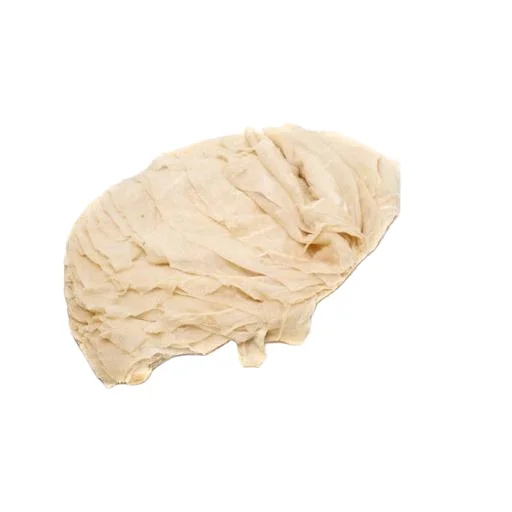
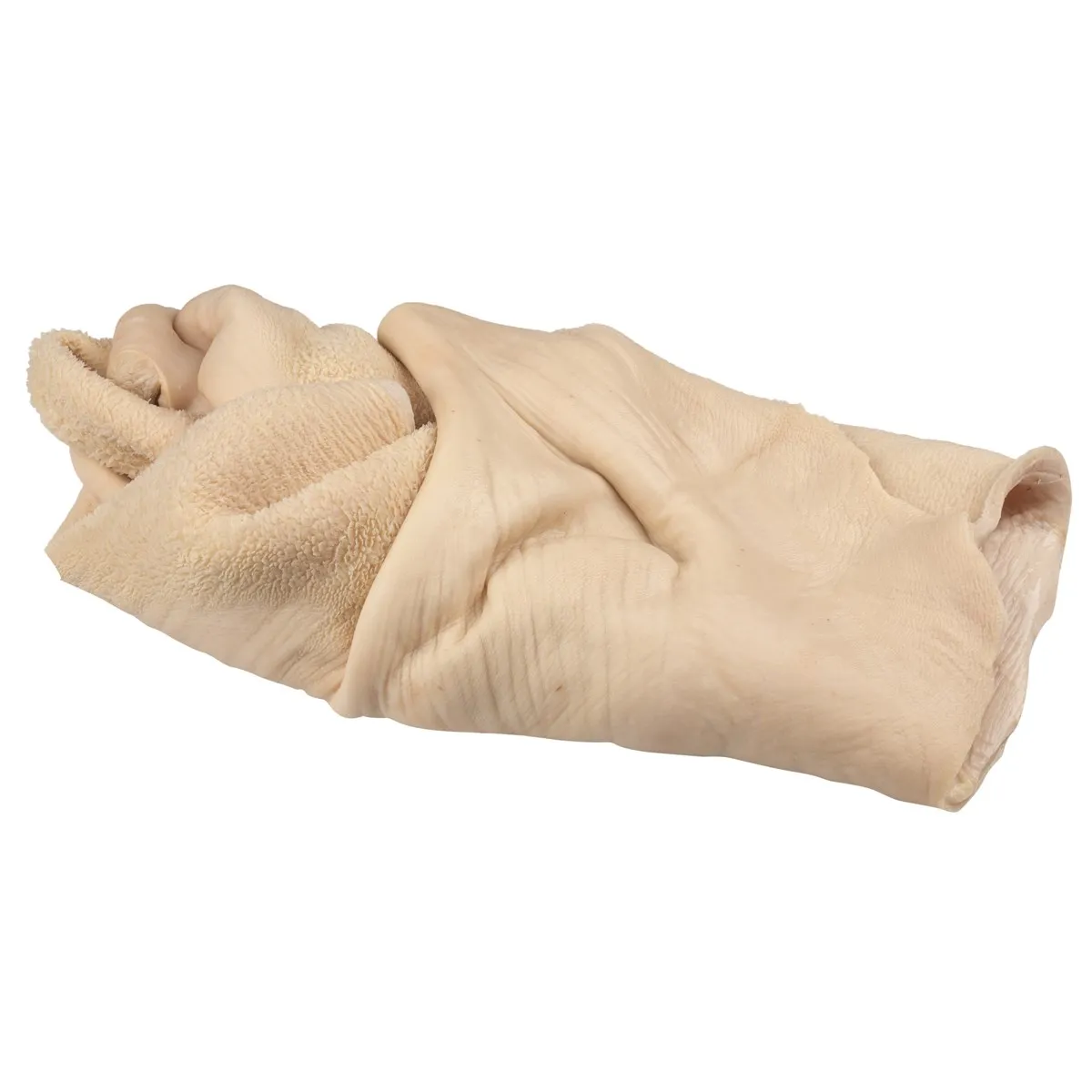
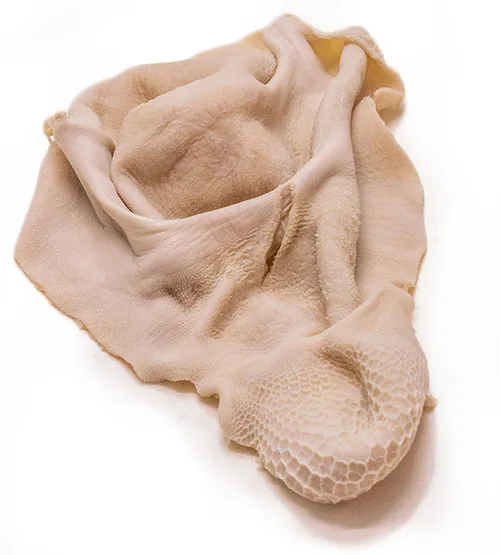
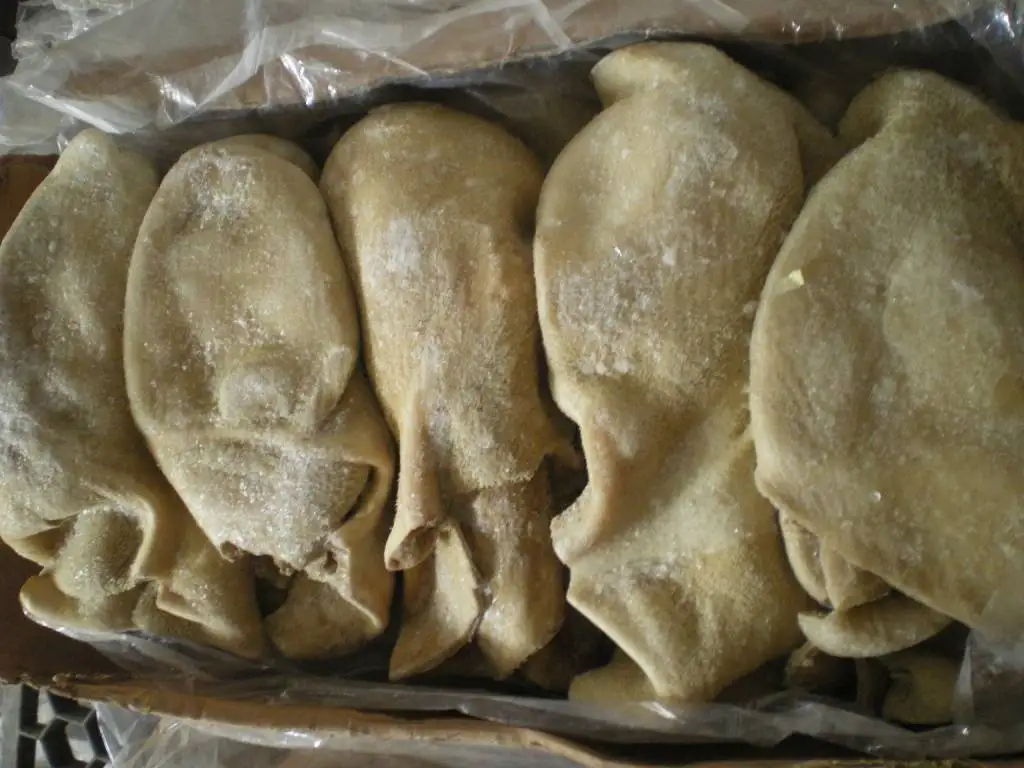
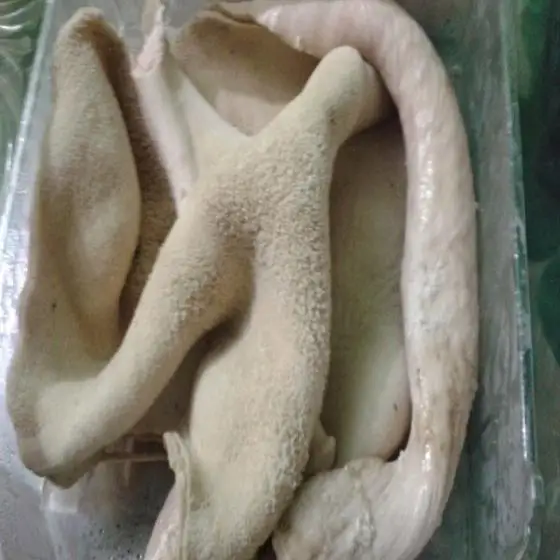
Говядина/буйволовые соты/Говяжий Рубец сырой/замороженный говяжий желудок/трахея
- Категория: >>>
- Поставщик: REFRIMATICO LLC
Сохранить в закладки 11000008961497:
Описание и отзывы
Характеристики
Ruminant animals like cows, buffalo, and sheep have multiple stomach chambers to properly digest their food. Ruminant animals are a type of large hoofed animal with a unique digestive system, such as cows and sheep.
Tripe refers to the edible muscle walls of the stomachs of these animals.
Considered an edible byproduct of animal slaughter, tripe is sold for human consumption or added to animal foods, such as dry dog kibble.
Beef tripe is one of the most commonly eaten varieties.
Tripe is a tough meat that needs to be prepared properly to become edible. It’s commonly cooked by moist heat methods, such as boiling or stewing.
It has a chewy texture and a mild taste, taking on the flavor of other ingredients it’s cooked with.
Tripe is frequently added to sausages — such as andouille sausage — and is also used in dishes like stews and soups.
What’s more, it can be stuffed with ingredients like blood, meat, and herbs and spices to make slátur, a traditional Icelandic sausage similar to blood pudding.
There are four different kinds of beef tripe, classified depending on which stomach chamber the product was made from. The four types include:
- Blanket or flat tripe. This type is made from the first stomach chamber of cows. This smooth tripe is considered the least desirable.
- Honeycomb tripe. This variety stems from the second stomach chamber and resembles a honeycomb. It’s more tender than blanket tripe and has a more palatable flavor.
- Omasum or book tripe. Coming from the third stomach chamber, this type of tripe is described as a mix between blanket and honeycomb tripe.
- Abomasum or reed tripe. This variety is from the fourth stomach chamber. Its taste varies from strong to mild.
While tripe from different animals is consumed around the world, it’s not as popular as more common organ meats like heart, liver, and kidney.
This slaughter byproduct is also a common ingredient in pet foods.
Tripe is rich in protein and nutrients like:
- vitamin B12
- selenium
- zinc
- calcium
- iron
This means it can benefit your body in the following ways:
- helps build muscles
- supports weight management
- aids red blood cell formation and helps avoid anemia
- helps build and maintain strong bones
- may help lower risk of age-related cognitive changes
- speeds up wound healing
- supports a healthy immune response
Rich in high quality protein
Your body needs protein for vital processes, such as:
- cell-to-cell communication
- fluid balance
- immune system function
- tissue repair and maintenance
Tripe is a complete source of protein, meaning it contains all nine essential amino acids your body needs to function.
Adding protein-rich foods to your diet can help with losing excess body fat or maintaining a moderate weight.
Protein is the most filling of all nutrients. Adding a protein source like tripe to meals and snacks can help reduce hunger and overeating.
An excellent source of vitamins and minerals
Tripe packs an impressive amount of nutrients, including selenium, zinc, and vitamin B12.
A 5-ounce (140-gram) serving of cooked beef tripe delivers:
- 64 percent of the Daily Value (DV) of vitamin B12
- 33 percent of the DV of selenium
- 19 percent of the DV of zinc
Vitamin B12 is essential for red blood cell production, nerve transmission, and energy production. Zinc is vital for cell division, immune function, and carbohydrate metabolism.
Selenium is a mineral that acts as a powerful antioxidant in your body. It’s also needed for DNA production, thyroid health, and metabolism.
Additionally, tripe is a good source of the minerals:
- calcium
- phosphorus
- magnesium
- iron
Organ meats tend to be highly nutritious — and tripe is no exception.
Tripe is low in calories but loaded with important nutrients your body needs to thrive.
A 5-ounce (140-gram) serving of cooked beef tripe provides:
- Calories: 125
- Fat: 5 grams
- Protein: 18 grams
- Vitamin B12: 1.53 micrograms or 64 percent of the DV
- Selenium: 18.2 micrograms or 33 percent of the DV
- Zinc: 2.07 milligrams or 19 percent of the DV
- Calcium: 101 milligrams or 8 percent of the DV
- Phosphorus: 93.8 milligrams or 8 percent of the DV
- Iron: 0.868 milligrams or 5 percent of the DV
- Magnesium: 19.6 milligrams or 5 percent of the DV
Tripe is also a good source of manganese and niacin (vitamin B3).
It is an excellent source of highly absorbable protein and contains an impressive amount of vitamin B12, selenium, and zinc — nutrients that are lacking in many people’s diets.
Nutrition Facts
Serving size100g
Amount per serving
Calories91
% Daily Value *
Total Fat 4g%6
Saturated Fat 1g%6
Trans Fat 0g
Cholesterol 157mg%0
Sodium 68mg%4
Total Carbohydrate 2g%0
Dietary Fiber 0g%0
Total Sugars 0g
Protein 12g
Vitamin D ~IU%0
Calcium 81.0mg%6
Iron 0.7mg%3
Potassium 42mg%1
Phosphorus 66.0mg%6
* The % Daily Value (DV) tells you how much a nutrient in a serving of food contributes to a daily diet. 2,000 calories a day is used for general nutrition advice.
Vitamins in beef tripe
Vitamin A 0.0IU%0
Vitamin C 0.0mg%0
Vitamin B1 (Thiamin) 0.0mg%0
Vitamin B6 0.0mg%0
Vitamin K 0.0µg%0
Vitamin E 0.1mg%1
Vitamin B2 (Riboflavin) 0.0mg%2
Vitamin B5 (Pantothenic acid) 0.1mg%2
Vitamin B3 (Niacin) 0.5mg%3
Vitamin B12 0.7µg%30
Minerals in beef tripe
Copper 0.0mg%0
Potassium 42.0mg%1
Magnesium 15.0mg%4
Iron 0.7mg%4
Manganese 0.1mg%4
Sodium 68.0mg%5
Calcium 81.0mg%6
Phosphorus 66.0mg%7
Zinc 1.7mg%12
Selenium 11.8µg%21
Amino Acids in beef tripe
no information available
Fatty Acids in beef tripe
DHA 0.00g%0
EPA 0.00g%0
DPA 0.00g%0
Omega-3 0.01g%1
ALA 0.01g


Похожие товары
ASTM E662 электронный прибор для проверки плотности дыма
3 000,00 $ - 5 000,00 $
MONDE Электромагнит для экскаватора

Дизайн мебели для гостиной, белый прямоугольный искусственный камень, китайский чайный столик

Телескоп для экскаватора-погрузчика jcb 716-09500 TELESC & 3CX 4CX реле запасных частей 332/C3148 332-C3148 332C3148
Твердосплавная Концевая фреза RLD HRC55 с 3 канавками, высокоглянцевая фреза из вольфрамовой стали и алюминия для станка с ЧПУ
2,95 $ - 3,54 $
Горячий продавать 15 дюймов 4*100 резец сверхтвердый pcd автомобиля стержней из карбида вольфрама, колесные диски Китай (материк)
50,00 $ - 58,00 $
Чайный мини-поднос из бамбука, японский/китайский чайный столик Gongfu, сервировочный поднос, резервуар и дренажный Тип для чайного дома
Новые поступления
Новинки товаров от производителей по оптовым ценам
300 Вт безопасный для посудомоечной машины 5-скоростной турбо с крючками для теста, венчик, электрический ручной миксер
571,11-666,30 ₽

Медицинский портативный прибор для гемодиализа катетер и кровообращения диализа почек ухода за здоровьем
Многофункциональная роскошная водонепроницаемая палатка из брезента для кемпинга однокомнатная всесезонная с настраиваемым размером новый стиль рынка Ближнего Востока
45 688,76-56 159,10 ₽
Санитарно-гигиеническое сиденье для
Счетчик купюр с низким уровнем шума на тонкопленочных транзисторах, автоматическое определение разных валют, 4,2 дюйма
50 448-52 351,70 ₽

Ожерелье из нержавеющей стали изящное ожерелье с чакрами на заказ модное позолоченное ювелирное изделие водонепроницаемой подвеской без
121,84-217,03 ₽
Мужские спортивные кроссовки с логотипом
856,67-999,45 ₽
OEM ODM, настоящее изобретение, персонализированный прямой автоматический открытый пользовательский логотип, рекламный зонт для гольфа с логотипом для отелей
842,39-938,53 ₽