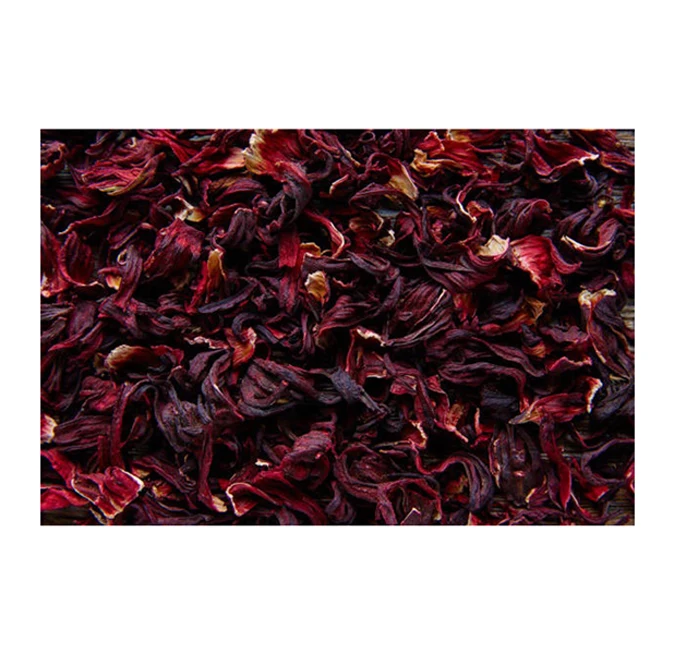



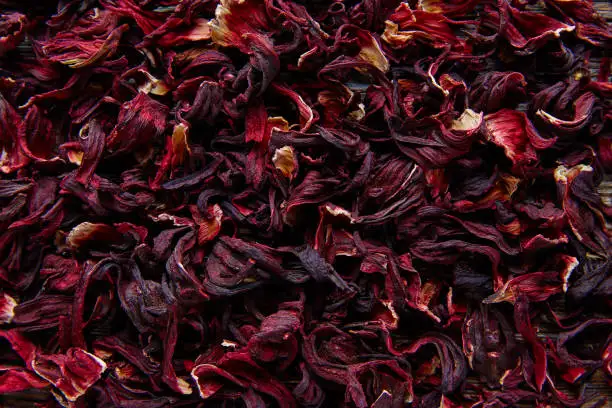


Тропический Гибискус блаженство рай сияние малиновый очарование экзотический Сказочный Пейзаж Яркий
- Категория: >>>
- Поставщик: C.S. TradersC.S. Traders
Сохранить в закладки 11000018798695:
Описание и отзывы
Характеристики
Products Description
Hibiscus Flower
The hibiscus flower is renowned for its large, vibrant blooms and tropical appeal, making it a popular choice for gardens, patios, and decorative landscaping. Known for its striking petals and bold colors, hibiscus plants thrive in warm climates and produce flowers in shades of red, pink, yellow, orange, and white. With its ability to attract pollinators such as bees and butterflies, the hibiscus adds a touch of the exotic to any outdoor space. Additionally, some hibiscus varieties are used for making teas, known for their health benefits and refreshing taste.
Key Features:
Vibrant, Showy Blooms:
- Large, bold flowers available in a range of bright colors such as red, pink, yellow, orange, and white.
Tropical Appeal:
- Adds a touch of the tropics to any garden, patio, or landscape with its exotic appearance and lush foliage.
Long Blooming Season:
- Blooms from late spring through fall, providing continuous color throughout the warmer months.
Attracts Pollinators:
- Hibiscus flowers attract pollinators like bees, butterflies, and hummingbirds, adding life to your garden.
Hardy and Drought-Tolerant:
- Once established, hibiscus plants are resilient and can withstand heat and periods of drought.
Edible and Medicinal Uses:
- Hibiscus is often used in herbal teas, known for its rich flavor and potential health benefits, including antioxidants and vitamin C.
Versatile Growing Options:
- Can be grown in the ground, in pots, or as decorative shrubs, making them suitable for both small and large gardens.
Why Choose Hibiscus Flowers:
Stunning Visual Impact:
- With their bold colors and large blooms, hibiscus flowers make a dramatic statement in any garden or landscape.
Easy to Grow:
- Hibiscus plants are low-maintenance and thrive in full sun, making them ideal for novice and experienced gardeners alike.
Year-Round Beauty in Warm Climates:
- In warmer regions, hibiscus plants can bloom year-round, offering constant beauty and lush greenery.
Versatile Garden Use:
- Whether planted in beds, used as a hedge, or grown in containers, hibiscus can enhance any space with its flexibility and adaptability.
Health Benefits:
- Certain hibiscus varieties are used to make hibiscus tea, which is rich in antioxidants and promotes heart health, making it both a beautiful and functional addition to your garden.
Attracts Wildlife:
- A natural attraction for butterflies, hummingbirds, and bees, hibiscus helps create a lively and ecologically balanced garden.
Perfect for Tropical or Themed Gardens:
- If you want to create a tropical or island-inspired theme, hibiscus flowers are the perfect choice to evoke that lush, exotic atmosphere.
By choosing hibiscus flowers, you're selecting a plant that is not only beautiful and eye-catching but also easy to care for and beneficial for both the environment and personal health.
Specification
1. Botanical Name: |
|
2. Common Names: | Hibiscus, Rose Mallow, Rose of Sharon, Hardy Hibiscus |
3. Plant Type: | |
4. Flower Size: | Diameter: 4-10 inches (10-25 cm), depending on the variety. |
5. Plant Height: |
|
6. Flower Colors: | Red, pink, yellow, white, orange, purple, and bi-colored varieties. |
7. Blooming Season: | |
8. Sunlight Requirements: | Full Sun: Requires 6-8 hours of direct sunlight each day for optimal growth and blooming. |
9. Soil Type: | Prefers well-drained, slightly acidic soil. Loamy, sandy, or clay soils with good drainage are ideal. |
10. Watering Needs: | Moderate Watering: Keep the soil moist but not waterlogged. Water more frequently in hot, dry climates. |
11. USDA Hardiness Zones: | |
12. Growth Rate: | Fast-growing in optimal conditions, especially when provided with adequate sunlight and water. |
13. Fertilization: | Fertilize every 4-6 weeks during the growing season with a balanced, slow-release fertilizer. High-potassium fertilizers are ideal for encouraging blooms. |
14. Plant Spread: | Can spread 2-6 feet (0.6-1.8 meters) wide, depending on the variety and growing conditions. |
15. Fragrance: | Most hibiscus flowers are scentless, but some species may have a mild fragrance. |
16. Propagation: | Propagated through stem cuttings, division, or seeds. Stem cuttings taken in spring or early summer root well in water or moist soil. |
17. Lifespan: | |
18. Pests/Diseases: | Susceptible to aphids, whiteflies, spider mites, and scale insects. Common diseases include root rot, leaf spot, and powdery mildew if conditions are too wet or soil drainage is poor. |
19. Ideal Uses: | |
20. Growth Method: | Can be grown in containers, garden beds, or used as hedging. Suitable for both ornamental and practical gardening. |
21. Attracts Wildlife: | Attracts butterflies, bees, and hummingbirds with its large, colorful blooms. |
22. Temperature Tolerance: |
Product packaging


To better ensure the safety of your goods, professional, environmentally friendly, convenient and efficient packaging services will be provided.
Company Profile


C.S. Traders: Bridging the Gap Between India's Finest Products and Global Markets
C.S. Traders is a premier export firm based in Uttar Pradesh, India, dedicated to delivering the highest quality products from India to international markets. Founded by the visionary Mr. Karan Kumar, the company has established itself as a reliable and customer-focused exporter, promising to meet and exceed customer expectations across the globe.
Leadership and Vision
The company is led by a dynamic leadership team that includes Chief Executive Officer Mr. Sameer Vats and Chief Operating Officer Mr. Sonu Kumar. Their combined expertise and commitment to excellence have been pivotal in positioning C.S. Traders as a leader in the export industry. The leadership team’s strategic vision focuses on sustainable growth, innovation, and customer satisfaction, ensuring that C.S. Traders remains at the forefront of the global trade market.
Product Range
C.S. Traders boasts an extensive range of products, catering to diverse industries and markets. The company's portfolio includes:
1. Agricultural Products: C.S. Traders is renowned for exporting top-quality agricultural produce. The range includes staples such as wheat, rice, and other cereals, which are sourced from the best farms across India. The company also exports a variety of oils, including sunflower oil, palm oil, and soybean oil, ensuring that customers receive the purest and most nutritious options.
2. Animal Products: The firm deals in a variety of animal products, including fish, meat, and chicken. By maintaining stringent quality control measures, C.S. Traders ensures that all animal products are fresh, safe, and of the highest standard.
3. Pharmaceuticals: C.S. Traders exports a wide range of medicines, ensuring that global markets have access to essential and life-saving drugs. The company collaborates with reputed pharmaceutical manufacturers to provide high-quality and affordable medicines to international customers.
4. Textiles and Handicrafts: India is known for its rich textile heritage and exquisite handicrafts. C.S. Traders exports a
diverse array of textiles, including cotton, jute, and leather products, along with beautiful handicrafts that showcase India’s
artisanal excellence.
5. Industrial Goods: The company also deals in various industrial goods such as plastics, catering to the needs of different
sectors. By offering a broad spectrum of products, C.S. Traders ensures that it can meet the demands of any industry.
Customer-Centric Approach
At the core of C.S. Traders’ operations is a commitment to fulfilling every customer demand. The company’s customer-centric approach ensures that all orders, regardless of size, are handled with the utmost care and precision. By maintaining strong relationships with suppliers and customers, C.S. Traders can offer customized solutions tailored to meet specific requirements.
Quality Assurance
Quality is a non-negotiable aspect of C.S. Traders’ business model. The company adheres to rigorous quality control protocols to ensure that every product exported meets international standards. From sourcing to packaging and shipping, every step of the process is meticulously monitored to guarantee the highest quality.
Sustainability and Ethical Practices
C.S. Traders is dedicated to sustainable and ethical business practices. The company works closely with suppliers who share its commitment to environmental and social responsibility. By promoting sustainable farming, fair trade practices, and eco-friendly packaging, C.S. Traders aims to minimize its environmental footprint while supporting local communities.
Global Reach
With a robust distribution network, C.S. Traders has established a strong presence in international markets. The company’s efficient logistics and supply chain management ensure timely delivery and customer satisfaction across the globe.
In conclusion, C.S. Traders is more than just an export company; it is a bridge that connects India’s rich and diverse offerings with the world. Under the leadership of Mr. Karan Kumar, Mr. Sameer Vats, and Mr. Sonu Kumar, the company continues to thrive, driven by a passion for excellence and a commitment to customer satisfaction. Whether it's agricultural produce, pharmaceuticals, textiles, or industrial goods, C.S. Traders promises to deliver the best, fulfilling every customer's demand with precision and care.
C.S. Traders is a premier export firm based in Uttar Pradesh, India, dedicated to delivering the highest quality products from India to international markets. Founded by the visionary Mr. Karan Kumar, the company has established itself as a reliable and customer-focused exporter, promising to meet and exceed customer expectations across the globe.
Leadership and Vision
The company is led by a dynamic leadership team that includes Chief Executive Officer Mr. Sameer Vats and Chief Operating Officer Mr. Sonu Kumar. Their combined expertise and commitment to excellence have been pivotal in positioning C.S. Traders as a leader in the export industry. The leadership team’s strategic vision focuses on sustainable growth, innovation, and customer satisfaction, ensuring that C.S. Traders remains at the forefront of the global trade market.
Product Range
C.S. Traders boasts an extensive range of products, catering to diverse industries and markets. The company's portfolio includes:
1. Agricultural Products: C.S. Traders is renowned for exporting top-quality agricultural produce. The range includes staples such as wheat, rice, and other cereals, which are sourced from the best farms across India. The company also exports a variety of oils, including sunflower oil, palm oil, and soybean oil, ensuring that customers receive the purest and most nutritious options.
2. Animal Products: The firm deals in a variety of animal products, including fish, meat, and chicken. By maintaining stringent quality control measures, C.S. Traders ensures that all animal products are fresh, safe, and of the highest standard.
3. Pharmaceuticals: C.S. Traders exports a wide range of medicines, ensuring that global markets have access to essential and life-saving drugs. The company collaborates with reputed pharmaceutical manufacturers to provide high-quality and affordable medicines to international customers.
4. Textiles and Handicrafts: India is known for its rich textile heritage and exquisite handicrafts. C.S. Traders exports a
diverse array of textiles, including cotton, jute, and leather products, along with beautiful handicrafts that showcase India’s
artisanal excellence.
5. Industrial Goods: The company also deals in various industrial goods such as plastics, catering to the needs of different
sectors. By offering a broad spectrum of products, C.S. Traders ensures that it can meet the demands of any industry.
Customer-Centric Approach
At the core of C.S. Traders’ operations is a commitment to fulfilling every customer demand. The company’s customer-centric approach ensures that all orders, regardless of size, are handled with the utmost care and precision. By maintaining strong relationships with suppliers and customers, C.S. Traders can offer customized solutions tailored to meet specific requirements.
Quality Assurance
Quality is a non-negotiable aspect of C.S. Traders’ business model. The company adheres to rigorous quality control protocols to ensure that every product exported meets international standards. From sourcing to packaging and shipping, every step of the process is meticulously monitored to guarantee the highest quality.
Sustainability and Ethical Practices
C.S. Traders is dedicated to sustainable and ethical business practices. The company works closely with suppliers who share its commitment to environmental and social responsibility. By promoting sustainable farming, fair trade practices, and eco-friendly packaging, C.S. Traders aims to minimize its environmental footprint while supporting local communities.
Global Reach
With a robust distribution network, C.S. Traders has established a strong presence in international markets. The company’s efficient logistics and supply chain management ensure timely delivery and customer satisfaction across the globe.
In conclusion, C.S. Traders is more than just an export company; it is a bridge that connects India’s rich and diverse offerings with the world. Under the leadership of Mr. Karan Kumar, Mr. Sameer Vats, and Mr. Sonu Kumar, the company continues to thrive, driven by a passion for excellence and a commitment to customer satisfaction. Whether it's agricultural produce, pharmaceuticals, textiles, or industrial goods, C.S. Traders promises to deliver the best, fulfilling every customer's demand with precision and care.
FAQ
1. How do I plant a hibiscus?
- Plant hibiscus in well-drained soil in a sunny location. Dig a hole twice the width of the root ball and place the plant at the same depth it was in its container. Water thoroughly after planting.
2. How much sunlight do hibiscus plants need?
- Hibiscus thrives in full sun, requiring at least 6-8 hours of direct sunlight each day for optimal blooming.
3. How often should I water my hibiscus?
- Water hibiscus regularly, especially during dry periods. Keep the soil consistently moist but not waterlogged. Container-grown hibiscus may need more frequent watering.
4. What type of soil is best for hibiscus?
- Hibiscus prefers well-drained, slightly acidic soil with a pH between 6.0 and 7.0. Enrich the soil with organic matter for better growth.
5. When does hibiscus bloom?
- Hibiscus typically blooms from late spring to fall, providing long-lasting color throughout the warm months.
6. Can hibiscus be grown indoors?
- Yes, tropical hibiscus can be grown indoors as a potted plant, provided it gets ample sunlight. Place it near a bright, sunny window and ensure the room temperature stays above 50°F (10°C).
7. What are the common varieties of hibiscus?
- Popular varieties include Tropical Hibiscus, Hardy Hibiscus, Rose of Sharon (Hibiscus syriacus), and Chinese Hibiscus (Hibiscus rosa-sinensis).
8. How do I care for hibiscus during the winter?
- In colder climates, tropical hibiscus needs to be brought indoors before frost. Hardy hibiscus can withstand cooler temperatures but may need mulching to protect the roots.
9. Can hibiscus be grown in containers?
- Yes, hibiscus grows well in containers. Ensure the pot has good drainage, and use a high-quality potting mix. Container-grown hibiscus may need more frequent watering.
10. How do I prune my hibiscus?
- Prune hibiscus in early spring to remove dead or damaged branches and to encourage bushier growth. You can also lightly trim throughout the growing season to maintain shape.
Похожие товары
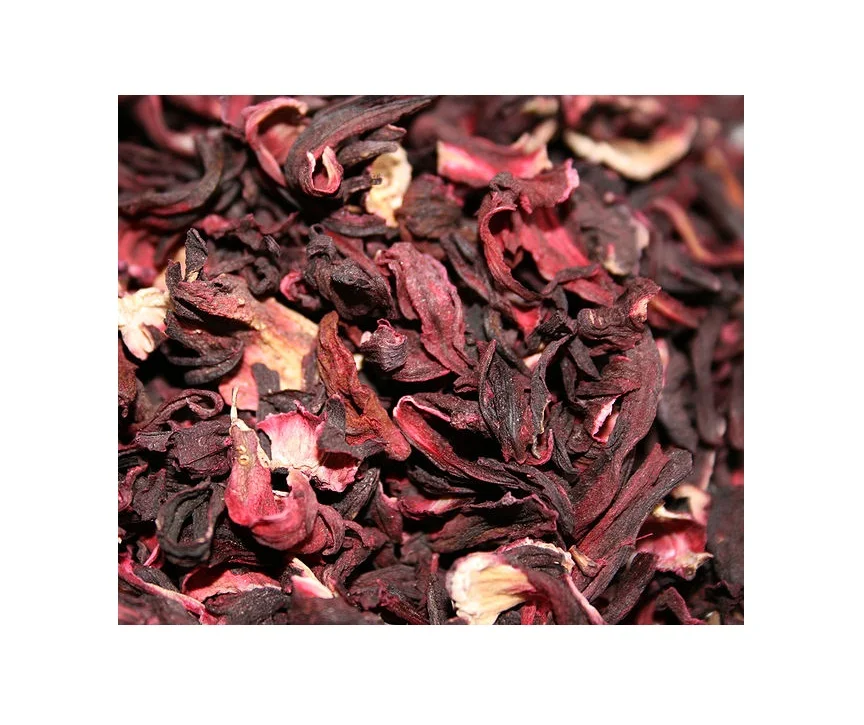
Сушеные артишоки сушеные цветы гибискуса гербики для здоровья (PITA + 84
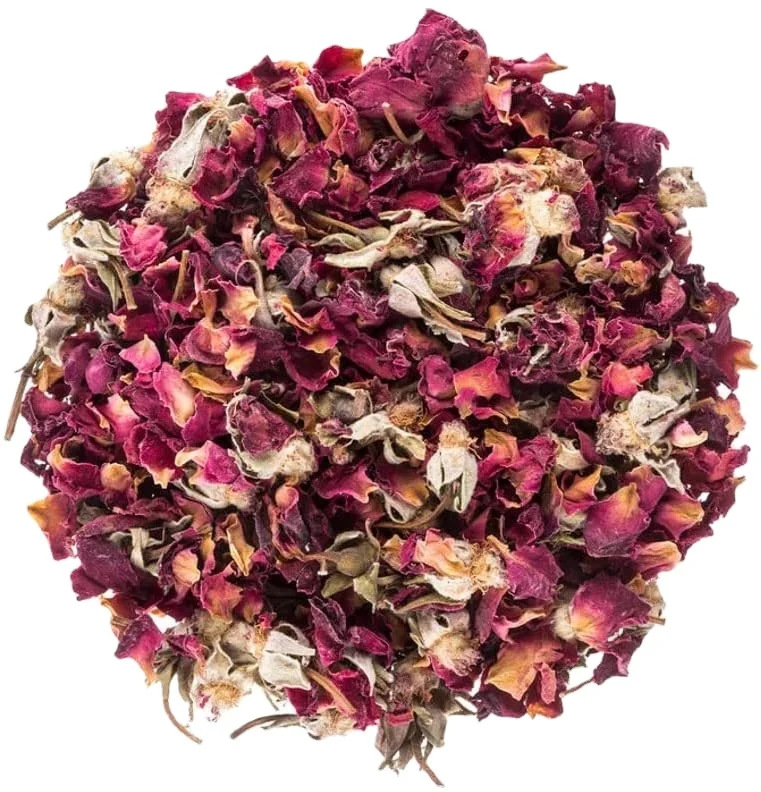
Премиум сушеные бутоны роз, цветок, трава, листовой чай, ароматный Натуральный полезный травяной чай, оптовая продажа сухих лепестков роз
288,41-346,09 ₽

Сушеный цветок лаванды
22,60 $
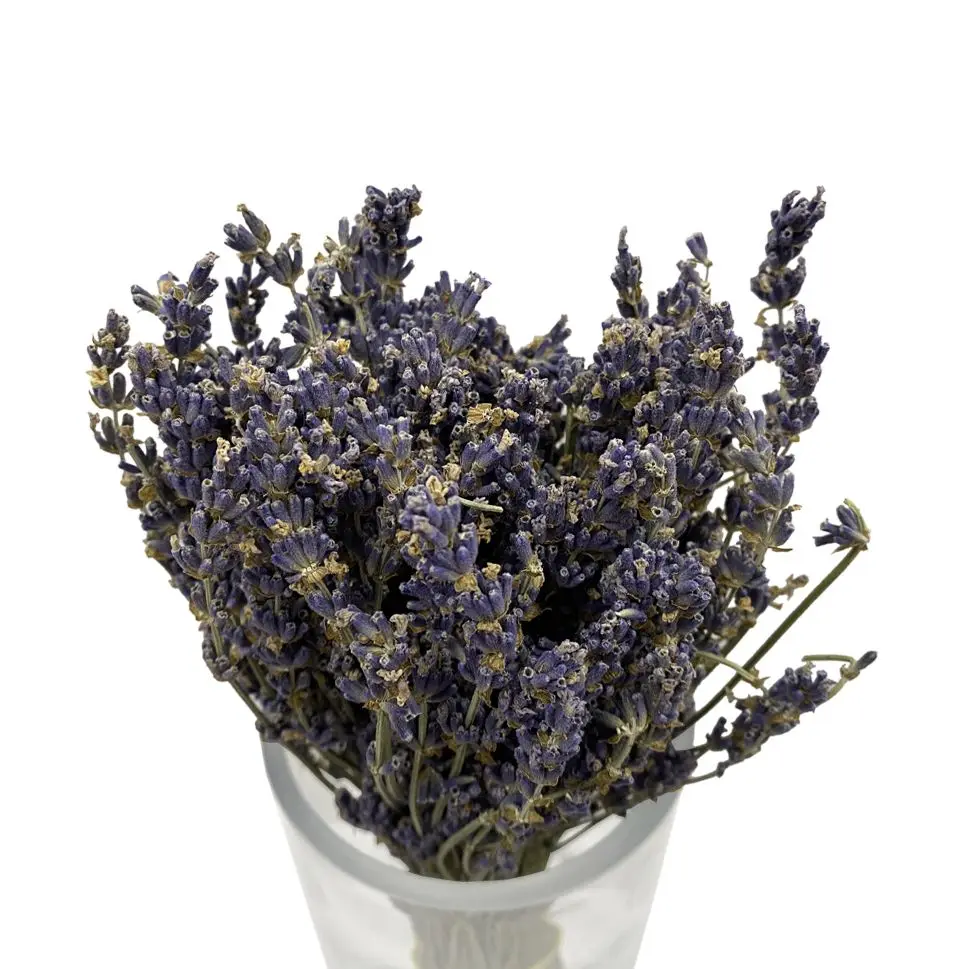
Сушеные цветы лаванды | Органические сушеные бутоны Цветок Лепестки для домашнего латте/чайных смесей
11 928,64 $
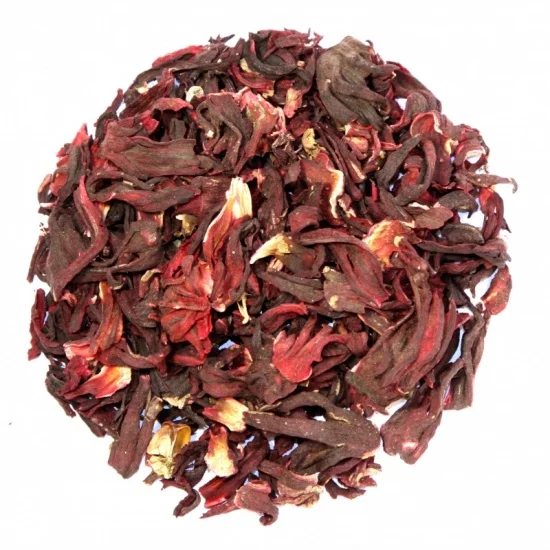
Оптовая продажа сушеные цветы гибискуса натуральные сухие для продажи
2,58 $
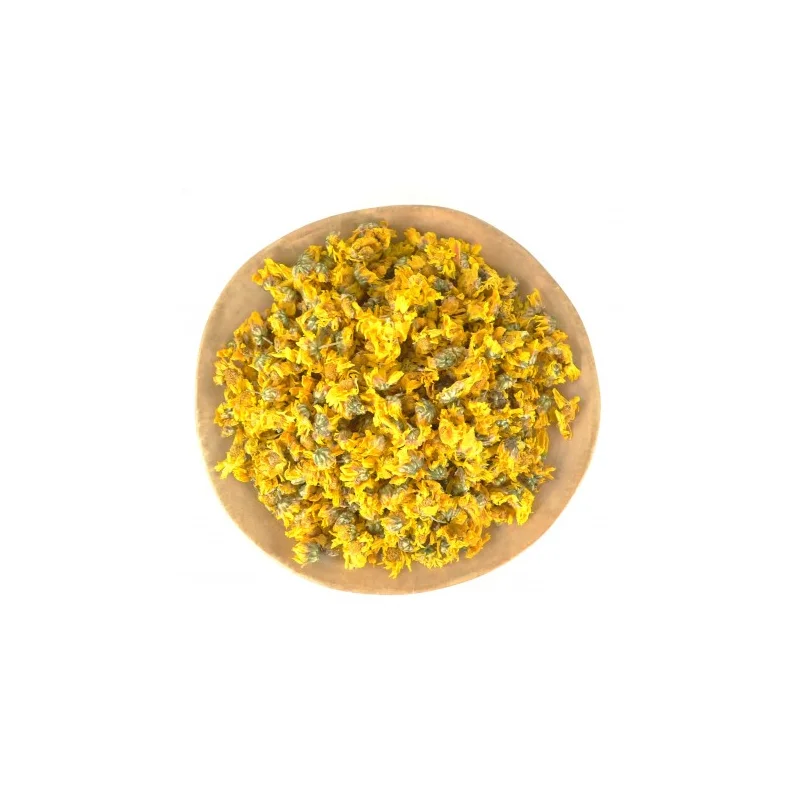
Оптовая продажа сушеные цветы хризантемы свежеобработанные
38,50-43,00 $

Оптовая продажа свежеобработанных сушеных цветов лаванды высокого качества розового типа
37,00-43,00 $
Новые поступления
Новинки товаров от производителей по оптовым ценам

300 Вт безопасный для посудомоечной машины 5-скоростной турбо с крючками для теста, венчик, электрический ручной миксер
571,11-666,30 ₽

Медицинский портативный прибор для гемодиализа катетер и кровообращения диализа почек ухода за здоровьем
Многофункциональная роскошная водонепроницаемая палатка из брезента для кемпинга однокомнатная всесезонная с настраиваемым размером новый стиль рынка Ближнего Востока
45 688,76-56 159,10 ₽

Санитарно-гигиеническое сиденье для

Счетчик купюр с низким уровнем шума на тонкопленочных транзисторах, автоматическое определение разных валют, 4,2 дюйма
50 448-52 351,70 ₽

Ожерелье из нержавеющей стали изящное ожерелье с чакрами на заказ модное позолоченное ювелирное изделие водонепроницаемой подвеской без
121,84-217,03 ₽

Мужские спортивные кроссовки с логотипом
856,67-999,45 ₽

OEM ODM, настоящее изобретение, персонализированный прямой автоматический открытый пользовательский логотип, рекламный зонт для гольфа с логотипом для отелей
842,39-938,53 ₽