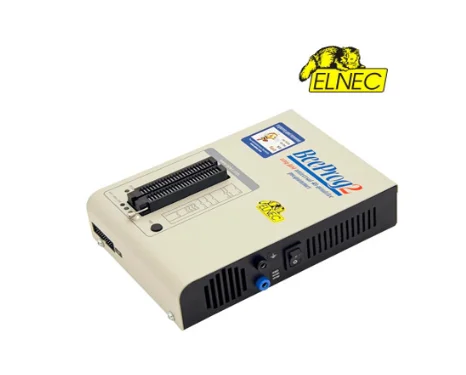
Оригинальный BeeProg2 очень быстро Универсальный USB программист
- Категория: >>>
- Поставщик: Shenzhen Automan Technology Co. Ltd.
Сохранить в закладки 1600186851819:
Описание и отзывы
Характеристики
Features
GENERAL
- BeeProg2 is next member of USB/LPT-compatible, MS Windows (from Windows XP to Windows 10, 32-bit and 64-bit) based Elnec universal programmers, built to meet the strong demand of the small manufacturing and developers community for the fast and reliable universal programmer.
- BeeProg2 programmer is the improvement of BeeProg+ programmer, difference is much higher programming speed (up to 10x) of high-capacity memories, due to more powerful programming core (FPGA) inside.
- Supports all kinds of types and silicon technologies of today and tomorrow programmable devices without family-specific module. You have freedom to choose the optimal device for your design. Using built-in in-circuit serial programming (ISP) connector, the programmer is able to program ISP capable chips in circuit.
- BeeProg2 isn't only a programmer, but also a tester of TTL/CMOS logic ICs and memories. Furthermore, it allows generation of user-definable test pattern sequences.
- Provides very competitive price coupled with excellent hardware design for reliable programming. Probably best "value for money"programmer in this class.
- Extremely fast programming due to high-speed FPGA driven hardware and execution of time-critical routines inside of the programmer. As a result, when used in manually-operated production, this one-socket-programmer in most cases waits for an operator.
- BeeProg2 interfaces with any IBM PC compatible personal computers, running MS Windows OS, through USB (2.0 HigSpeed) port or any standard parallel (printer) port. Support of both USB/LPT port connection gives you the choice to connect the BeeProg2 programmer to any PC, from latest notebook to older desktop without USB port.
HARDWARE
- FPGA based totally reconfigurable 48 powerful TTL pindrivers provide H/L/pull_up/pull_down and read capability for each pin of socket. Advanced pindrivers incorporate high-quality high-speed circuitry to deliver signals without overshoot or ground bounce for all supported devices. Improved pin drivers drivers operate down to 1.8V so you'll be ready to program the full range of today's advanced low-voltage devices.
- The programmer performs device insertion test based on the check of proper signal path between the programmer and programmed device before it programs each device. In dependence on programming configuration it identifies missed or poor contact between programmed device and the ZIF socket of the programming adapter (or the programmer directly), missed or poor contact between the programming adapter and the programmer and it's also able to indicate wrong position of device in the ZIF socket of the programmer / the programming adapter (moved, rotated, backward oriented). These capabilities, supported by overcurrent protection and signature-byte check help prevent chip damage due to operator error.
- The selftest capability allow to run diagnostic part of software to thoroughly check the health of the programmer.
- Built-in protection circuits eliminate damage of programmer and/or programmed device due to environment or operator failure. All the inputs of the BeeProg2 programmer, including the ZIF socket, connection to PC and power supply input, are protected against ESD up to 15kV.
- When programming specification require, the (BeeProg2) programmer performs programming verification at the marginal level of supply voltage, which, obviously, improves programming yield, and guarantees long data retention.
- Various programming adapters are available to handle device in PLCC, JLCC, SOIC, SDIP, SOP, PSOP, SSOP, TSOP, TSOPII, TSSOP, QFP, PQFP, TQFP, VQFP, QFN (MLF), SON, BGA, EBGA, FBGA, VFBGA, UBGA, FTBGA, LAP, CSP, SCSP, LQFP, MQFP, HVQFN, QLP, QIP and other packages.
SOFTWARE
- Programmer is driven by an easy-to-use control program with pull-down menu, hot keys and on-line help. Selecting of device is performed by its class, by manufacturer or simply by typing a fragment of vendor name and/or part number.
- Standard device-related commands (read, blank check, program, verify, erase) are boosted by some test functions (insertion test, signature-byte check), and some special functions (autoincrement, production mode - start immediately after insertion of chip into socket).
- All known data formats are supported. Automatic file format detection and conversion during loading of file.
- The rich-featured auto-increment function enables one to assign individual serial numbers to each programmed device - or simply increments a serial number, or the function enables one to read serial numbers or any programmed device identification signatures from a file.
- The software also provide a many information about programmed device. As a special, the drawings of all available packages are provided. The software provide also explanation of chip labelling (the meaning of prefixes and suffixes at the chips) for each supported chip.
- The software provide a full information for ISP implementation: Description of ISP connector pins for currently selected chip, recommended target design around in-circuit programmed chip and other necessary information.
- The remote control feature allows to be PG4UW software flow controlled by other application - either using .BAT file commands or using DLL file. DLL file, examples (C/PAS/VBASIC/.NET) and manual are part of standard software delivery.
- Jam files of JEDEC standard JESD-71 are interpreted by Jam Player. Jam files are generated by design software which is provided by manufacturer of respective programmable device. Chips are programmed in-ZIF or through ISP connector (IEEE 1149.1 Joint Test Action Group (JTAG) interface).
- VME files are interpreted by VME Player. VME file is a compressed binary variation of SVF file and contains high-level IEEE 1149.1 bus operations. SVF files are interpreted by SVF Player. SVF file (Serial Vector Format) contains high-level IEEE 1149.1 bus operations. SVF files are generated by design software which is provided by manufacturer of respective programmable device. Chips are programmed in-ZIF or through ISP connector (IEEE 1149.1 Joint Test Action Group (JTAG) interface). VME files are generated by design software which is provided by manufacturer of respective programmable device. Chips are programmed in-ZIF or through ISP connector (IEEE 1149.1 Joint Test Action Group (JTAG) interface).
- Multiple devices are possible to program and test via JTAG chain: JTAG chain (ISP-Jam), JTAG chain (ISP-VME), JTAG chain (ISP-SVF) or JTAG chain (ISP-STP).
- Attaching of more BeeProg2 programmers to the same PC (through USB port) is achieved a powerful multiprogramming system, which support as many chips, as are supported by BeeProg2 programmer and without obvious decreasing of programming speed. It is important to know, there is a concurrent multiprogramming - each programmer works independently and each programmer can program different chip, if necessary.
Device support
Programmer, in ZIF socket
- NAND FLASH: Samsung K9xxx, KFxxx, SK Hynix (ex Hynix) HY27xxx, H27xxx, Toshiba TC58xxx, TH58xxx, Micron MT29Fxxx, (ex Numonyx ex STM) NANDxxx, Spansion S30Mxxx, S34xxx, 3D-Plus 3DFNxxx, ATO Solution AFNDxxx, Fidelix FMNDxxx, Eon Silicon Sol. EN27xxx, ESMT F59xxx, LBA-NAND Toshiba THGVNxxx
- serial NAND FLASH: Micron MT29Fxxx, GigaDevice GD5Fxxx
- eMMC: Hynix H26Mxxxxxxxx, Kingston KE44B-xxxx/xxx, Micron MTFCxxxxxx, Numonyx NANDxxxxxxxx, Phison PSM4A11-xx, Samsung KLMxxxxxxx, SanDisk SDINxxx-xx, Toshiba THGBMxxxxxxxxxx
- Multi-chip devices: NAND+RAM, NOR+RAM, NOR+NOR+RAM, NAND+NOR+RAM
- Serial Flash: standard SPI, high performance Dual I/O SPI and Quad I/O SPI (25Bxxx, 25Dxxx, 25Exxx, 25Fxxx, 25Lxxx, 25Mxxx, 25Pxxx, 25Qxxx, 25Sxxx, 25Txxx, 25Uxxx, 25Vxxx, 25Wxxx, 25Xxxx, 26Vxxx, 45PExx, MX66Lxxx, S70FLxxx), DataFlash (AT45Dxxx, AT26Dxxx)
- parallel NOR Flash: 28Fxxx, 29Cxxx, 29Fxxx, 29BVxxx, 29LVxxx, 29Wxxx, 49Fxxx series, Samsung's K8Fxxxx, K8Cxxxx, K8Sxxxx, K8Pxxxx series, ...
- EPROM: NMOS/CMOS, 27xxx and 27Cxxx series
- EEPROM: NMOS/CMOS, 28xxx, 28Cxxx, 27EExxx series, 3D Plus 3DEExxxxxxxx
- mDOC H3: SanDisk (ex M-Systems) SDED5xxx, SDED7xxx, MD2533xxx, MD2534xxx, Hynix HY23xxx
- FRAM: Ramtron
- MRAM: Everspin MRxxxxx8x, 3D Plus 3DMRxxxxxxxx
- NV RAM: Dallas DSxxx, SGS/Inmos MKxxx, SIMTEK STKxxx, XICOR 2xxx, ZMD U63x series
- Serial E(E)PROM: Serial E(E)PROM: 11LCxxx, 24Cxxx, 24Fxxx, 25Cxxx, 30TSExxx, 34Cxxx, 34TSxx, 59Cxxx, 85xxx, 93Cxxx, NVM3060, MDAxxx series, full support for LV series, AT88SCxxx
- Serial FRAM: Cypress(Ramtron): FM24xxxxxx, FM25xxxxxx, Fujitsu: MB85RCxxxx, MB85RSxxxx, Lapis(OKI, Rohm): MR44xxxxx, MR45xxxxx
- Serial MRAM: Everspin MH20xxx, MH25xxx
- Configuration (EE)PROM: XCFxxx, XC17xxxx, XC18Vxxx, EPCxxx, EPCSxxx, AT17xxx, AT18Fxxx, 37LVxx
- 1-Wire E(E)PROM: DS1xxx, DS2xxx
- PLD Altera: MAX 3000A, MAX 7000A, MAX 7000B, MAX 7000S, MAX7000AE, MAX II/G/Z, MAX V
- PLD Lattice: ispGAL22V10x, ispLSI1xxx, ispLSI1xxxEA, ispLSI2xxx, ispLSI2xxxA, ispLSI2xxxE, ispLSI2xxxV, ispLSI2xxxVE, ispLSI2xxxVL, LC4xxxB/C/V/ZC/ZE, M4-xx/xx, M4A3-xx/xx, M4A5-xx/xx, M4LV-xx/xx, ispCLOCK, Power Manager/II, ProcessorPM
- PLD: Xilinx: XC9500, XC9500XL, XC9500XV, CoolRunner XPLA3, CoolRunner-II
- SPLD/CPLD series: AMD, AMI, Atmel, Cypress, Gould, ICT, Lattice, National Semicond., Philips, STMicroelectronics, TI (TMS), Vantis, VLSI
- FPGA: FPGA: Microsemi(Actel): ProASIC3, IGLOO, Fusion, ProASICplus, SmartFusion
- FPGA: Lattice: MachXO, MachXO2, LatticeXP, LatticeXP2, ispXPGA
- FPGA: Xilinx: Spartan-3AN
- Clocks: TI(TMS), Cypress
- Special chips: Atmel Tire Pressure Monitoring ATA6285N, ATA6286N; PWM controllers: Zilker Labs, Analog Devices; Multi-Phase ICs: IR(Chil Semiconductor); Gamma buffers: AUO, Maxim, TI, ...
- Microcontrollers MCS51 series: 87Cxxx, 87LVxx, 89Cxxx, 89Sxxx, 89Fxxx, 89LVxxx, 89LSxxx, 89LPxxx, 89Exxx, 89Lxxx, all manufacturers, Philips LPC series
- Microcontrollers Intel 196 series: 87C196 KB/KC/KD/KT/KR/...
- Microcontrollers Atmel ARM. AT91SAM7Sxx, AT91SAM7Lxx, AT91SAM7Xxx, AT91SAM7XCxx, AT91SAM7SExx series;
- Microcontrollers Atmel ARM9: AT91SAM9xxx series;
- Microcontrollers ARM Cortex-M3: ATSAM3Axxx, ATSAM3Uxxx, ATSAM3Nxxx, ATSAM3Sxxx, ATSAMD20, ATSAM3Xxxx series
- Microcontrollers ARM Cortex-M4: ATSAM4Sxxx series
- Microcontrollers Atmel AVR 8bit/16bit: AT90Sxxxx, AT90pwm, AT90can, AT90usb, ATtiny, ATmega, ATxmega series
- Microcontrollers Atmel AVR32: AT32UC3xxxx, ATUCxxxD3/D4/L3U/L4U series
- Microcontrollers TI (Chipcon): CC11xx, CC24xx, CC25xx, CC85xx series
- Microcontrollers Coreriver: Atom 1.0, MiDAS1.0, 1.1, 2.0, 2.1, 2.2, 3.0 series
- Microcontrollers Cypress: CY7Cxxxxx, CY8Cxxxxx
- Microcontrollers ELAN: EM78Pxxx
- Microcontrollers EPSON: S1C17 series
- Microcontrollers Explore Microelectronic: EPF01x, EPF02x series
- Microcontrollers Generalplus: GPM8Fxxx series
- Microcontrollers GreenPeak: GPxxx series
- Microcontrollers Infineon(Siemens): XC800, C500, XC166, C166 series
- Microcontrollers MDT 1xxx and 2xxx series
- Microcontrollers Megawin: MG87xxx, MPC82xxx series
- Microcontrollers Microchip PICmicro: PIC10xxx, PIC12xxx, PIC16xxx, PIC17Cxxx, PIC18xxx, PIC24xxx, dsPIC, PIC32xxx series
- Microcontrollers Motorola/Freescale: HC05, HC08, HC11, HC12, HCS08, RS08, S12, S12X, MC56F, MCF51, MCF52 series, Kinetis (K,L), Qorivva/5xxx Power Architecture
- Microcontrollers Myson MTV2xx, 3xx, 4xx, 5xx, CS89xx series
- Microcontrollers National: COP8xxx series
- Microcontrollers NEC: uPD70Fxxx, uPD78Fxxx series
- Microcontrollers Novatek: NT68xxx series
- Microcontrollers Nordic Semiconductor: nRF24LExxx, nRF24LUxxx, nRF315xx, nRF51xxx Flash and OTP series
- Microcontrollers Nuvoton ARM Cortex-Mx: NUC1xx, M05x, Mini51, Nano1xx series
- Microcontrollers Nuvoton (Winbond): N79xxx, W77xxx, W78xxx, W79xxx, W83xxx series
- Microcontrollers NXP (Philips) ARM Cortex-Mx: LPC11xx, LPC11Cxx, LPC11Dxx, LPC11Uxx, LPC12xx, LPC12Dxx, LPC13xx, LPC17xx, LPC11Axx, LPC11Exx, LPC11xxLV, LPC18xx, LPC43xx, LPC8xx, EM7xx, series
- Microcontrollers NXP (Philips) UOC series: UOCIII, UOC-TOP, UOC-Fighter (TDA1xxxx) series
- Microcontrollers NXP (Philips) ARM7: LPC2xxx, MPT6xx, PCD807xx, SAF7780xxx series
- Microcontrollers NXP (Philips) ARM9: LPC31xx series
- Microcontrollers Pasat: TinyModule DIL40, DIL50 series
- Microcontrollers Scenix (Ubicom): SXxxx series
- Microcontrollers Syntek: STK6xxx series
- Microcontrollers Renesas: R8C/Tiny series, uPD70Fxxx, uPD78Fxxx series, RL78 series, R32C series
- Microcontrollers SyncMOS: SM39xxx, SM59xxx, SM73xxx, SM79xxx, SM89xxx series
- Microcontrollers & Programmable System Memory STMicroelectronics: uPSD, PSD series
- Microcontrollers STM (ex SGS-Thomson): ST6xx, ST7xx, ST10xx, STR7xx, STR9xx, STM32F/L/W, STM8A/S/L series, SPC5 (Power Architecture)
- Microcontrollers Silicon Laboratories(Cygnal): C8051 series
- Microcontrollers Silicon Laboratories(Energy Micro): EFM32Gxx, EFM32GGxx, EFM32LGxx, EFM32TGxx, EFM32WGxx series
- Microcontrollers Silicon Laboratories: SiM3Cxxx, SiM3Lxxx, SiM3Uxxx series
- Microcontrollers Texas Instruments: MSP430 series, MSC12xx series, TMS320F series, CC430 series,
- Microcontrollers Texas Instruments (ex Luminary Micro): LM3Sxxx, LM3Sxxxx series, LM4Fxxxx series, TM4C series
- Microcontrollers ZILOG: Z86/Z89xxx and Z8Fxxxx, Z8FMCxxxxx, Z16Fxxxx, ZGP323xxxxxx, ZLF645xxxxxxx, ZLP12840xxxxx, ZLP323xxxxxxx series
- Microcontrollers other: EM Microelectronic, Spansion(Fujitsu), Goal Semiconductor, Hitachi, Holtek, Novatek, Macronix, Princeton, Winbond, Samsung, Toshiba, Mitsubishi, Realtek, M-Square, ASP, Coreriver, Gencore, EXODUS Microelectronic, Topro, TinyARM, VersaChips, SunplusIT, M-Square, QIXIN, Signetic, Tekmos, Weltrend, Amic, Cyrod Technologies, Ember, Ramtron, Nordic Semiconductor, Samsung, ABOV Semiconductor...
- EPROM: 2708 *1
- PLD: Bipolar PALxxx *2
Programmer, through ISP connector
- Serial E(E)PROM: IIC series, MW series, SPI series, KEELOQ series, PLD configuration memories, UN I/O series
- 1-Wire E(E)PROM: DS1xxx, DS2xxx
- Serial Flash: standard SPI (25xxx), DataFlash (AT45Dxxx, AT26Dxxx)
- Serial FRAM: Cypress(Ramtron): FM24xxxxxx, FM25xxxxxx, Fujitsu: MB85RCxxxx, MB85RSxxxx, Lapis(OKI, Rohm): MR44xxxxx, MR45xxxxx
- Microcontrollers Atmel: AT89Cxxx, AT89Sxxx, AT89LSxxx, AT89LPxxx, AT90pwm, AT90can, AT90usb, AT90Sxxxx, ATtiny, ATmega, ATxmega series
- Microcontrollers Atmel AVR32: AT32UC3xxxx, ATUCxxxD3/D4/L3U/L4U series
- Microcontrollers Atmel ARM7: AT91SAM7Sxx, AT91SAM7Xxx, AT91SAM7XCxx, AT91SAM7SExx series;
- Microcontrollers TI (Chipcon): CC11xx, CC24xx, CC25xx, CC85xx series
- Microcontrollers Cypress: CY8C2xxxx
- Microcontrollers Elan: EM78Pxxx, EM6xxx series
- Microcontrollers EM Microelectronic: 4 and 8 bit series
- Microcontrollers Microchip PICmicro: PIC10xxx, PIC12xxx, PIC16xxx, PIC17xxx, PIC18xxx, PIC24xxx, dsPIC, PIC32xxx series
- Microcontrollers Mitsubishi: M16C
- Microcontrollers Motorola/Freescale: HC08 (both 5-wire, All-wire), HC11, HC12, HCS08, S12, S12X, MC56F, MCF52, Kinetis K series
- Microcontrollers Nordic Semiconductor: nRF24LExxx, nRF24LUxxx, nRF315xx Flash and OTP series
- Microcontrollers NXP (Philips) ARM7: LPC2xxx, MPT6xx series
- Microcontrollers NXP (Philips) ARM Cortex-Mx: LPC11xx, LPC11Cxx, LPC11Dxx, LPC11Uxx, LPC12xx, LPC12Dxx, LPC13xx, LPC17xx, LPC11Axx, LPC11Exx, LPC11xxLV, LPC18xx, LPC43xx, LPC8xx, EM7xx, series
- Microcontrollers NEC: uPD7xxx series
- Microcontrollers Philips (NXP): LPCxx series, 89xxx series
- Microcontrollers Renesas: R8C/Tiny series, uPD7xxx series
- Microcontrollers Realtek, M-Square
- Microcontrollers Samsung: ICPZBSxxx series
- Microcontrollers Scenix (Ubicom): SXxxx series
- Microcontrollers Silicon Laboratories(Energy Micro): EFM32Gxx, EFM32GGxx, EFM32LGxx, EFM32TGxx, EFM32WGxx series
- Microcontrollers STM (ex SGS-Thomson): ST6xx, ST7xx, ST10xx, STR7xx, STR9xx, STM32F/L/W, STM8A/S/L series, SPC5 (Power Architecture)
- Microcontrollers Silicon Laboratories(Cygnal): C8051 series
- Microcontrollers & Programmable System Memory STMicroelectronics: uPSD, PSD series
- Microcontrollers TI: MSP430 series (both JTAG and BSL), MSC12xxx series, CC430 series, LM4F series, TM4C series
- Microcontrollers ZILOG: Z8Fxxxx, Z8FMCxxxxx, Z16Fxxxx series, ZLF645x0xx
- Various PLD (also by Jam/VME/SVF/STAPL/... Player/JTAG support):
Altera: MAX 3000A, MAX 7000A, MAX 7000B, MAX 7000S, MAX 9000, MAX II/G/Z, MAX V
Xilinx: XC9500, XC9500XL, XC9500XV, CoolRunner XPLA3, CoolRunner-II - PLD Lattice: ispGAL22xV10x, ispLSI1xxxEA, ispLSI2xxxE, ispLSI2xxxV, ispLSI2xxxVE, ispLSI2xxxVL, M4-xx/xx, M4LV-xx/xx, M4A3-xx/xx, M4A5-xx/xx, LC4xxxB/C/V/ZC/ZE, ispCLOCK, Power Manager/II, ProcessorPM
- FPGA: Microsemi(Actel): ProASIC3, IGLOO, Fusion, ProASICplus, SmartFusion
- FPGA: Lattice: MachXO, MachXO2, LatticeXP, LatticeXP2, ispXPGA
Notes:
- 2708 memories (*1) are programmed by using 2708 additional module
- devices marked *2 are obsolete and some of them might require also PLD-1 additional module for programming
- the complicated devices with laborious implementation might belongs to the 'Paid ISP support' category
- for all supported devices see DEVICE LIST
I.C. Tester
- TTL type: 54,74 S/LS/ALS/H/HC/HCT series
- CMOS type: 4000, 4500 series
- Static RAM: 6116 .. 624000
- User definable test pattern generation
Package support
- support devices in DIP into socket of the programmer
- package support includes DIP, SDIP, PLCC, JLCC, SOIC, SOP, PSOP, SSOP, TSOP, TSOPII, TSSOP, QFP, PQFP, TQFP, VQFP, QFN (MLF), SON, BGA, EBGA, FBGA, VFBGA, UBGA, FTBGA, LAP, CSP, SCSP, LQFP, MQFP, HVQFN, QLP, QIP etc.
- devices in non-DIP packages up to 48 pins are supported by universal programming adapters - if it is technically possible on the BeeProg2 programmer. That means if reliability of operations when used universal programming adapter is below industrial standard, the specialized programming adapters are necessary to use.
- programmer is compatible with many third-party adapters for non-DIP support
Package includes
- BeeProg2 programmer
- power cord (Europe / USA / Japan)
- connection cable PC-programmer, USB port
- ISP cable
- diagnostic pod for selftest of the programmer
- diagnostic pod for ISP connector - for selftest of the ISP connector
- anti-dust cover for ZIF socket
- CD with software and user's manual
- calibration test report
- transport case (cardboard box)
Похожие товары
Хорошее качество оптовая продажа воздушные фильтры/воздушные фильтры пыльцы для 2G030-70100 Nissan CEFIRO A32
0,90 $ - 1,28 $
Pbt заполнены гранулами стекловолокна Gf30 % для основания лампы
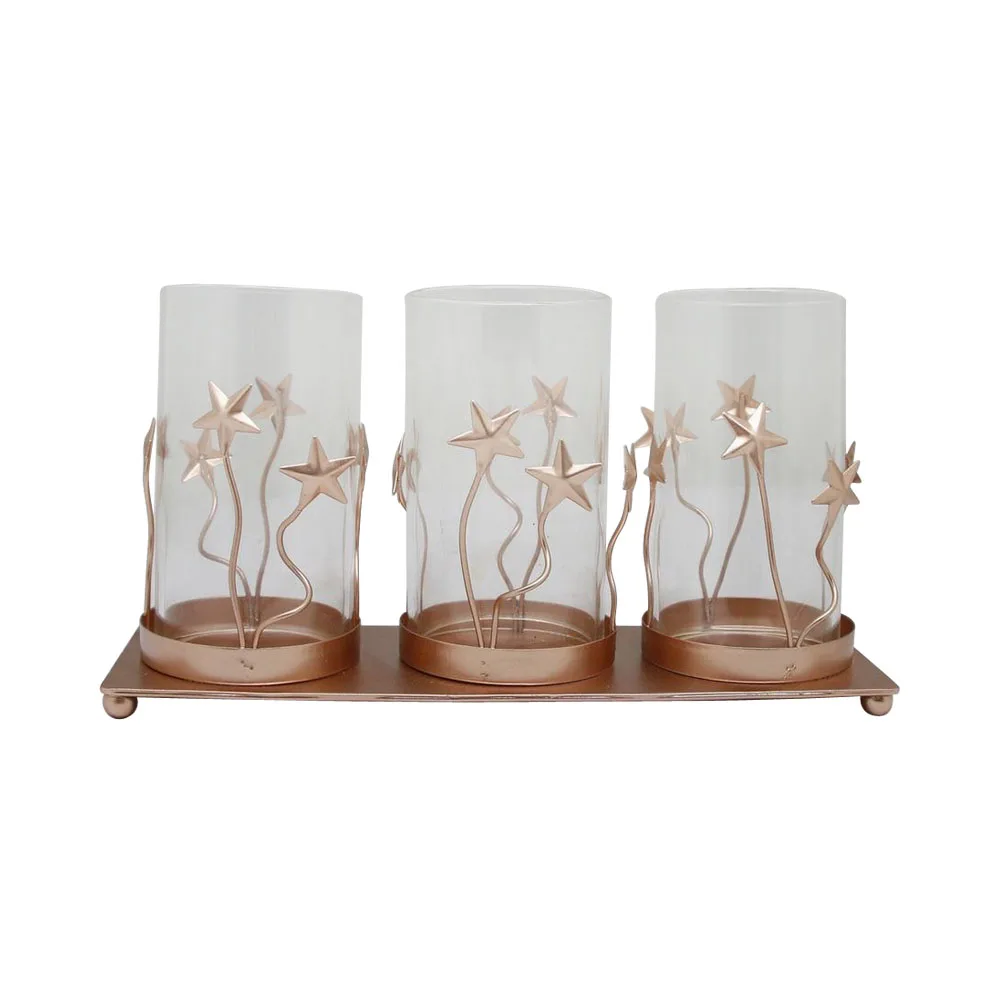
Оптовая продажа, Твердый латунный античный золотой конический напольный металлический подсвечник
2,98 $ - 3,90 $
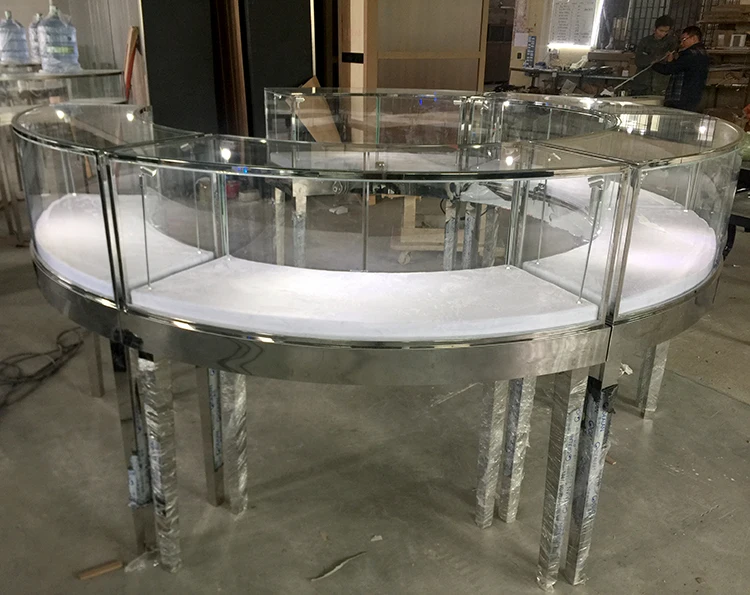
Мобильный стеклянный металлический витринный демонстрационный шкаф для ювелирных изделий и дизайнерский прилавок для магазина ювелирных изделий
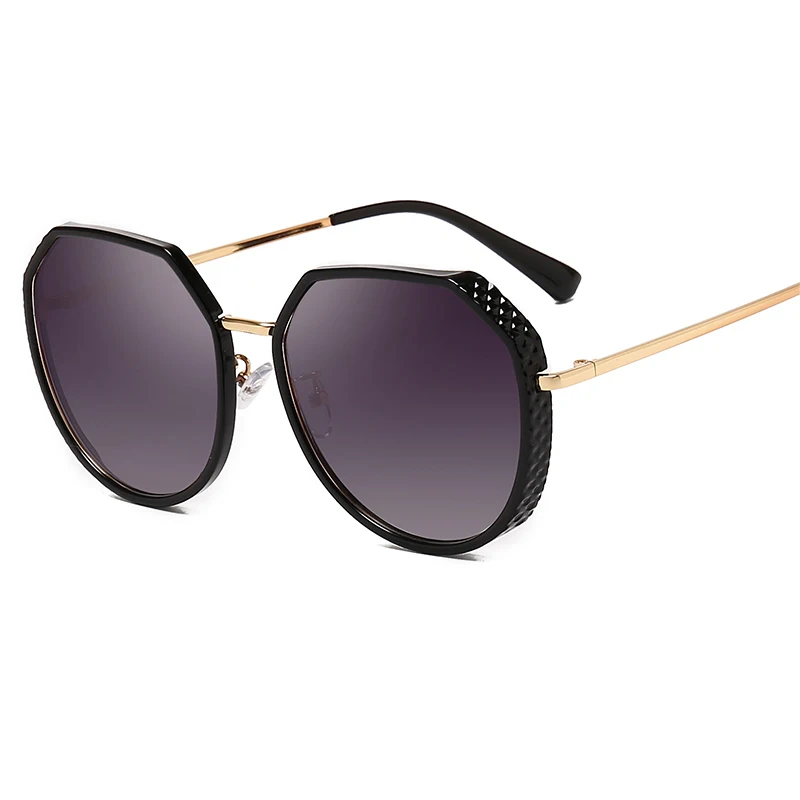
Модные женские солнцезащитные очки на заказ, оптовая продажа, UV400, солнцезащитные очки с металлической оправой для женщин
4,81 $ - 5,49 $
Терефталоилхлорид по конкурентоспособной цене CAS 100-20-9
10,00 $

Роскошная роскошная кожаная двуспальная кровать в скандинавском стиле, современная итальянская Главная спальня, свадебная кровать, вилла, спальня, кровать на заказ
2 800,00 $ - 3 200,00 $
Новые поступления
Новинки товаров от производителей по оптовым ценам
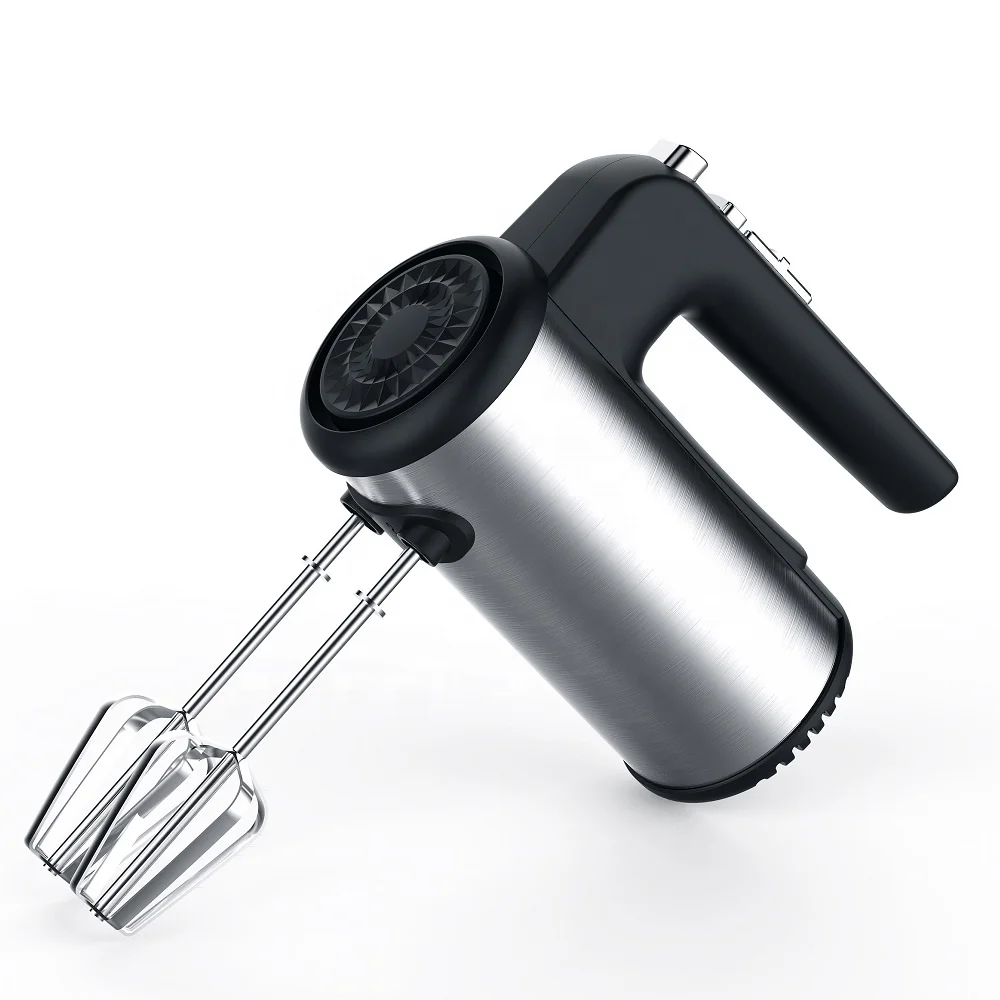
300 Вт безопасный для посудомоечной машины 5-скоростной турбо с крючками для теста, венчик, электрический ручной миксер
571,11-666,30 ₽
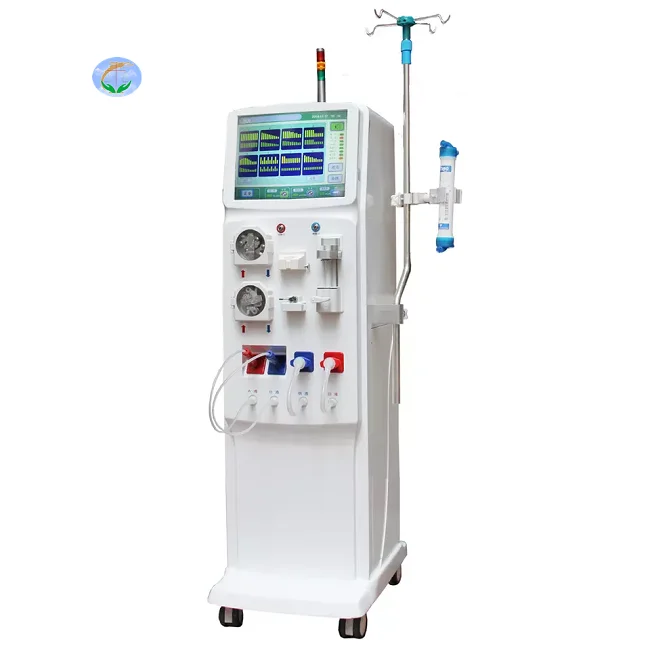
Медицинский портативный прибор для гемодиализа катетер и кровообращения диализа почек ухода за здоровьем
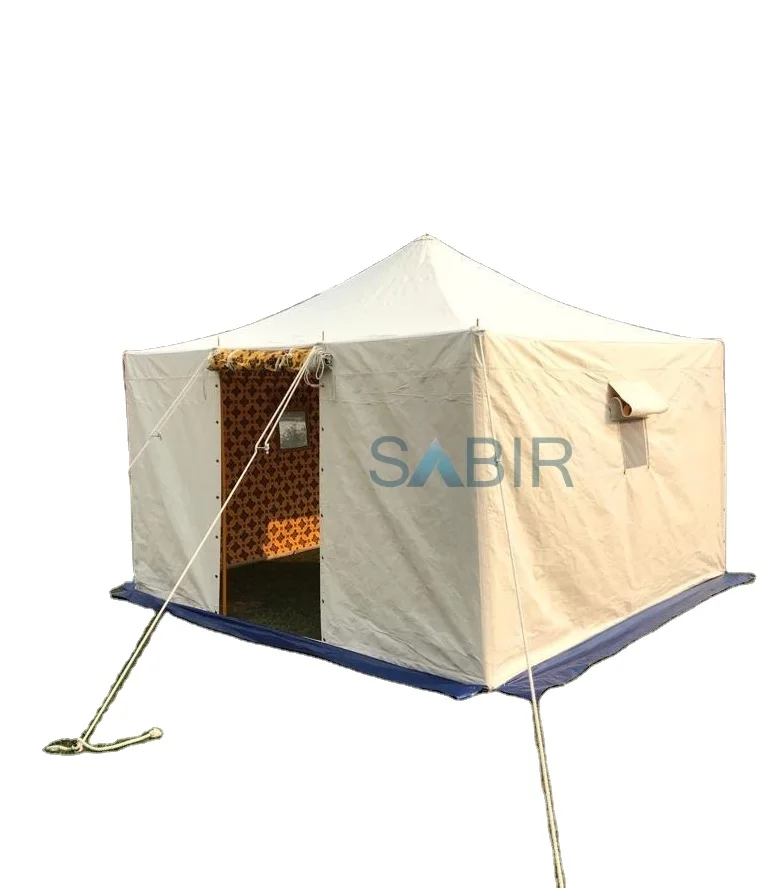
Многофункциональная роскошная водонепроницаемая палатка из брезента для кемпинга однокомнатная всесезонная с настраиваемым размером новый стиль рынка Ближнего Востока
45 688,76-56 159,10 ₽
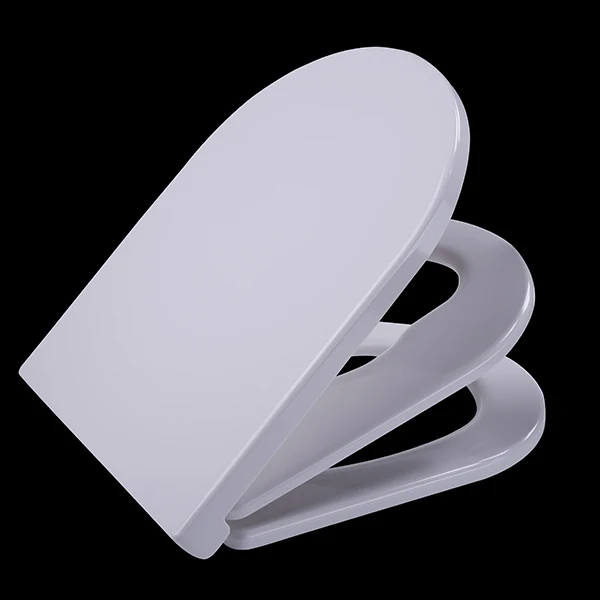
Санитарно-гигиеническое сиденье для
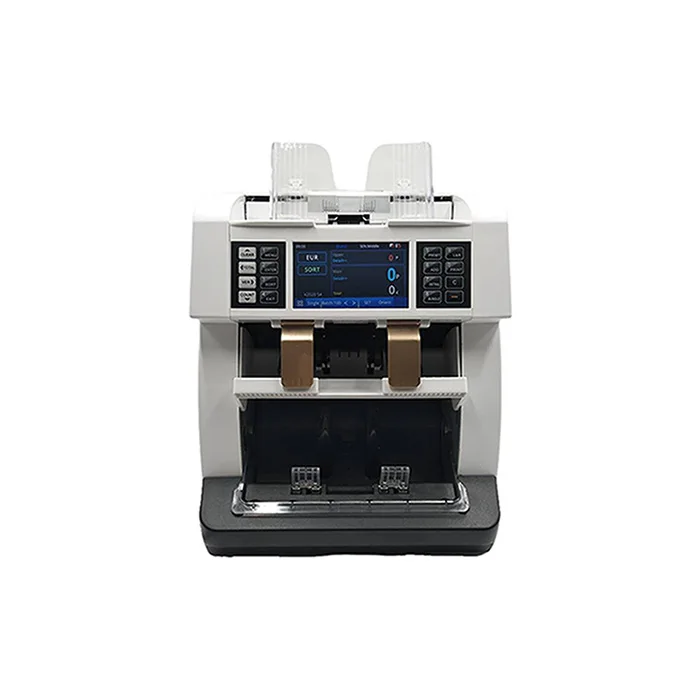
Счетчик купюр с низким уровнем шума на тонкопленочных транзисторах, автоматическое определение разных валют, 4,2 дюйма
50 448-52 351,70 ₽
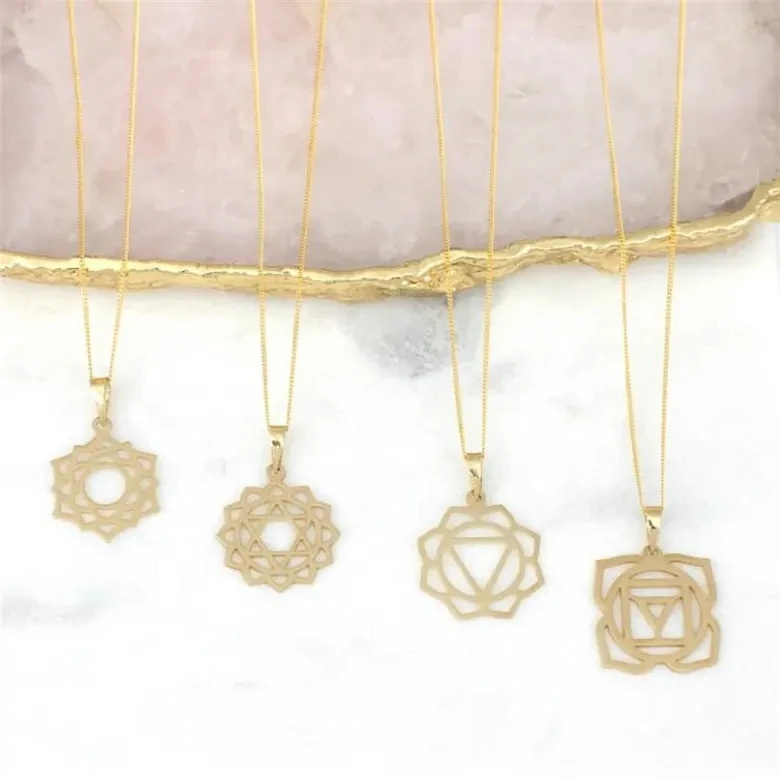
Ожерелье из нержавеющей стали изящное ожерелье с чакрами на заказ модное позолоченное ювелирное изделие водонепроницаемой подвеской без
121,84-217,03 ₽
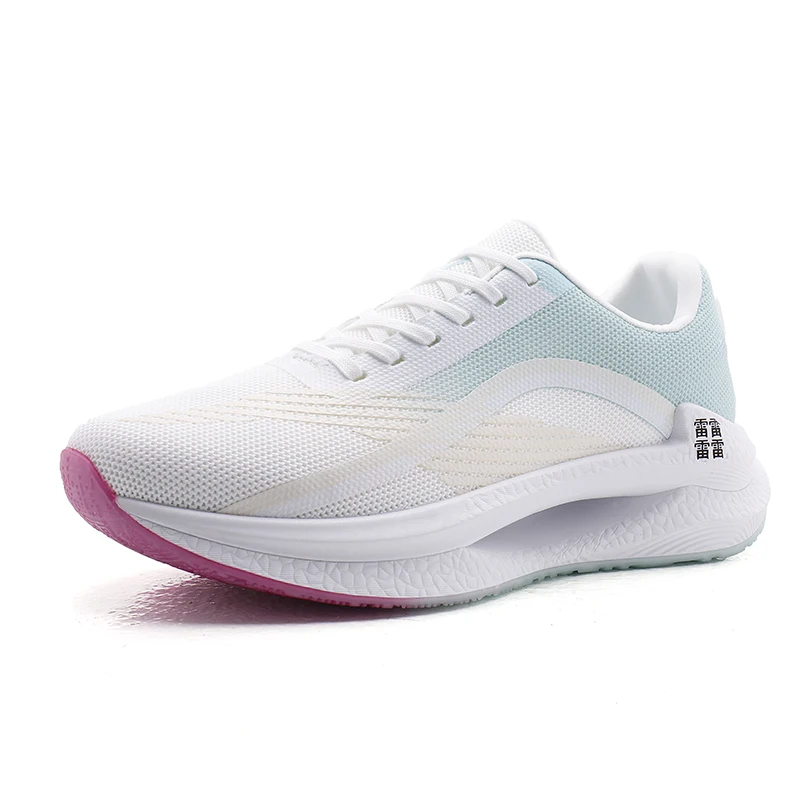
Мужские спортивные кроссовки с логотипом
856,67-999,45 ₽
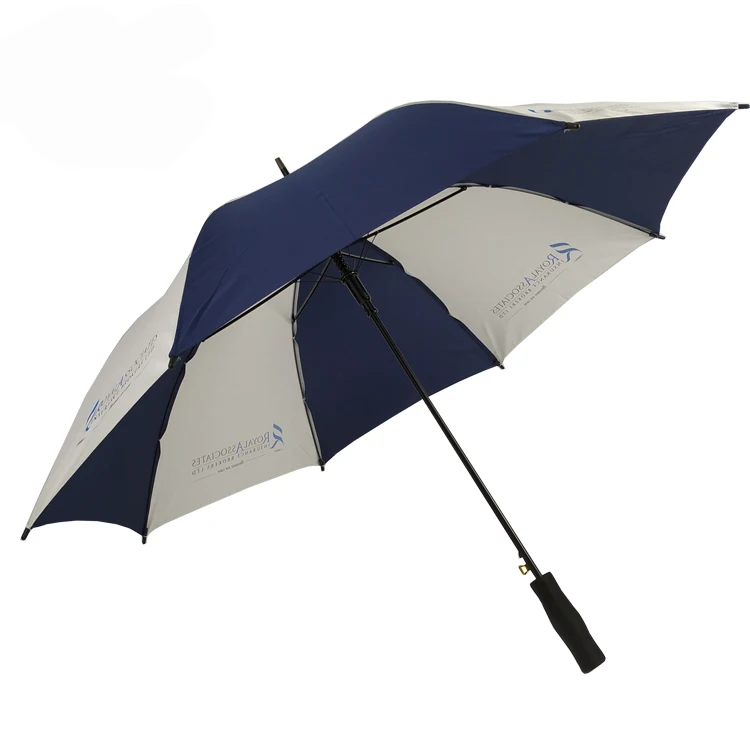
OEM ODM, настоящее изобретение, персонализированный прямой автоматический открытый пользовательский логотип, рекламный зонт для гольфа с логотипом для отелей
842,39-938,53 ₽