
Рафинированное Рапсовое
- Категория: Sunflower Oil >>>
- Поставщик: NANJE ENTERPRISES
Сохранить в закладки 1600808204566:
Описание и отзывы
Характеристики
| Oil |
“What's the healthiest cooking oil to use?” You’ve probably asked this question at least once in your life. With many varieties of cooking oils dominating the grocery store shelves, it can get overwhelming when selecting the right oil for everyday cooking. The truth is, all cooking oils are not created equal and understanding the basics will put you ahead of the game. From its specific uses to distinct characteristics, nutrient composition and flavor, the oil you choose can be used to either enhance your cooking and dishes in a multitude of ways or do the total opposite.
For example, some oils are best suited for sautéing, while other oils may complement certain ingredients and boost flavor. Some oils may even work better when used as a light drizzle or can serve as a base in your favorite dips and dressings. There's no need to bulk up on all the cooking oils at the store, but you might benefit from having more than one or two on hand.
Here are a few things to consider when choosing the healthiest cooking oil:
- The smoke point: Smoke point or “burning point” is one of the most important factors to consider when choosing an oil to cook with. It is defined as the temperature at which an oil stops glistening and starts to break down, losing its integrity. This is when things start to get smokey. When this happens, the taste can become unpalatable but not only that, it can lose its nutritive value and produce free radicals that are very harmful to the body. When dealing with high heat oils, Good Housekeeping Institute Kitchen Appliances Lab Director Nicole Papantoniou recommends heating your pan first, then adding your oil, and then the ingredients to help prevent the oil from getting hot too quickly and potentially burning. To avoid the smoke, it’s important to choose the right oil suitable for the different types of foods you are cooking.
- Refined vs. unrefined: Cooking oils are classified as refined or unrefined. Refined oils go through an extraction process using high heat. This technique may result in a loss of natural nutrients, flavor or aroma in the cooking oils. Unrefined or cold-pressed oils are extracted using pressure and no heat or minimal heat is applied. As a result, these cooking oils retain most of their natural nutrients and have a distinct flavor and aroma that is not compromised. Unrefined cooking oils are more nutrient-dense compared to refined cooking oils, but have a shorter shelf life. However, refined cooking oils are best suitable for cooking at high-heat temperatures with a longer shelf life, making it more convenient and can fit into a balanced eating routine.
- Fat composition and flavor: Each cooking oil comes with its own flavor profile, which can enhance any dish, from rich and buttery to nutty and fishy. If your goal is to make your food taste like the oil it’s cooked in, you’ll want to select an oil with a strong, bold flavor. If you are looking for an oil to not overpower your dish in any way, choose an oil with a mild flavor. Another thing to pay attention to is the types of fat found in your cooking oil. Health experts recommend consuming healthy monounsaturated and polyunsaturated fat to benefit your overall health, while limiting saturated and trans fats. A diet rich in saturated and trans fats may increase your risk for cardiovascular
There are many different oils to choose from, such as olive, coconut, canola, and vegetable oils. Each of these oils has different characteristics.
In this article, we look at the properties of olive oil, coconut oil, canola oil, and vegetable oil for nutrition and cooking, plus any adverse effects, and their overall health benefits.
The following table from the United States Department of Agriculture compares the nutritional value of 1 tablespoon (tbsp) or 15 milliliters (ml) of olive oil vs. coconut oil vs. canola oil vs. vegetable oil in grams (g).
Oils do not contain protein or carbohydrates and are not a significant source of vitamins and minerals. None of these oils contain trans fat, a type that is harmful to human health.
Oils are very high in calories and a good source of energy.
Olive, coconut, canola, and vegetable oils each provide the same number of calories per tablespoon.
Olive oil, 1 tbsp Coconut oil, 1 tbsp Canola oil, 1 tbsp Vegetable oil, 1 tbsp Calories 126 125 126 126 Total fat 14 g 14 g 14 g 14 g Saturated fatty acids 2.17 g 11.6 g 0.93 g 1.92 g Monounsaturated fatty acids 9.58 g 0.88 g 8.76 g 5.64 g Polyunsaturated fatty acids 1.33 g 0.24 g 3.54 g 5.64 g The most significant difference between each of these four oils is their fat profile:
- Extra virgin olive oil is highest in monounsaturated fats.
- Organic virgin coconut oil contains the highest levels of saturated fats.
- Pure vegetable oil has the most polyunsaturated fatty acids per tablespoon.
![Oild.png]()
Похожие товары
Рафинированное подсолнечное масло для продажи по низкой цене Кукурузное масло/Рафинированное Соевое
240,00 $
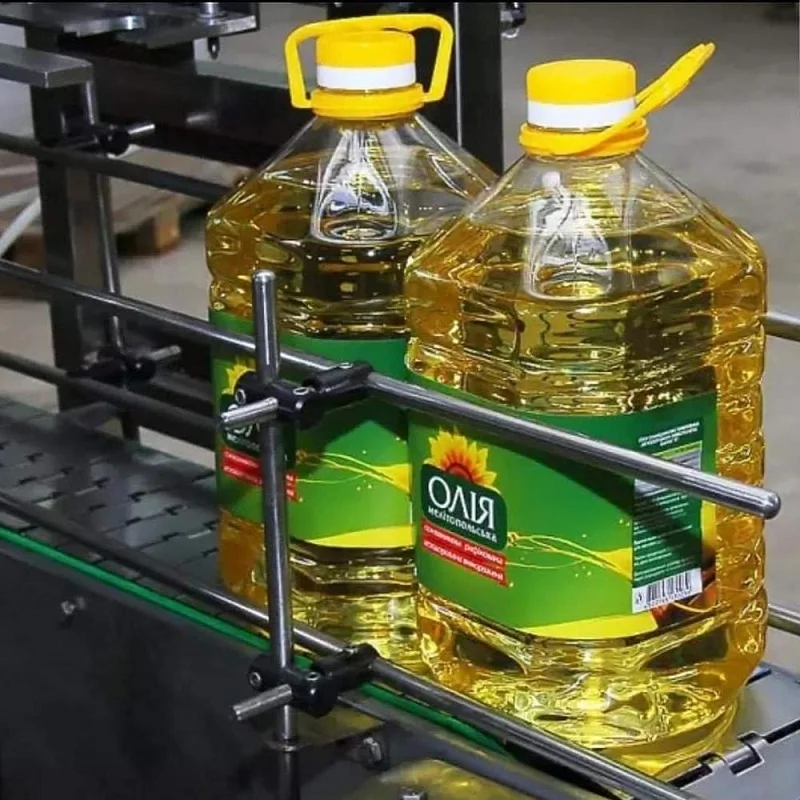
Лидер продаж, масло для рафинированного подсолнечника оптом из Украины, доступно 100% чистое масло для подсолнечника с маркировкой и без маркировки
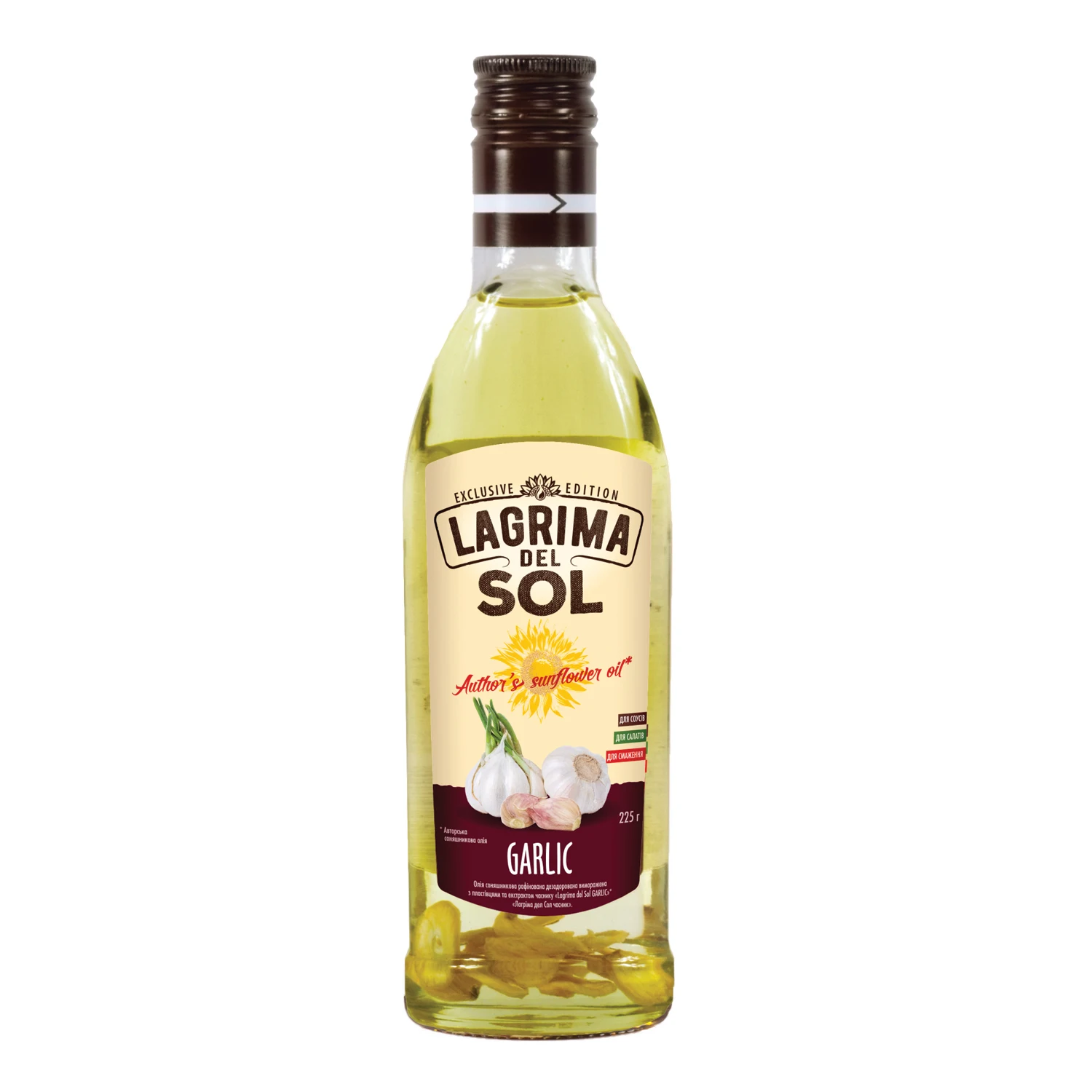
Украинское чесночное натуральное подсолнечное
Восхитительный высокоолеиновое подсолнечное масло, рафинированная 100, натуральная пластиковая упаковка, ручной выбор
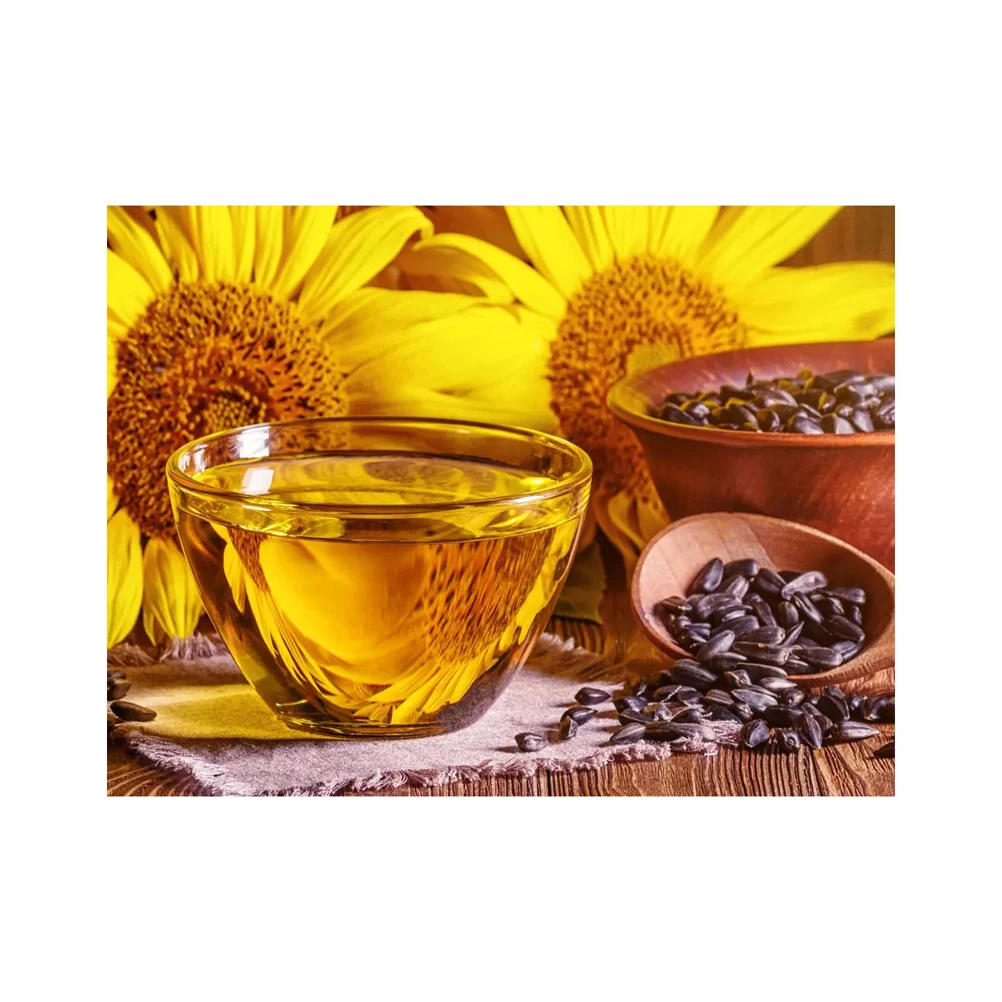
Качественное рафинированное подсолнечное масло с бесплатным дизайном покупателей
230,00 $
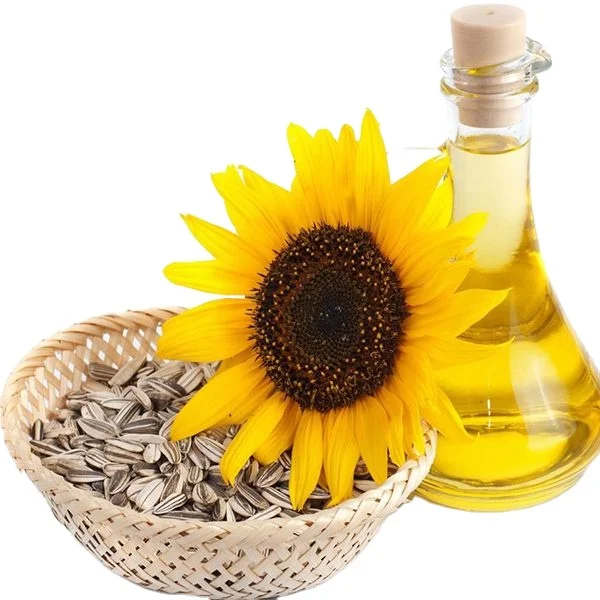
Оптовая продажа подсолнечного масла для продажи высококачественное рафинированное подсолнечное масло
150,00 $ - 250,00 $
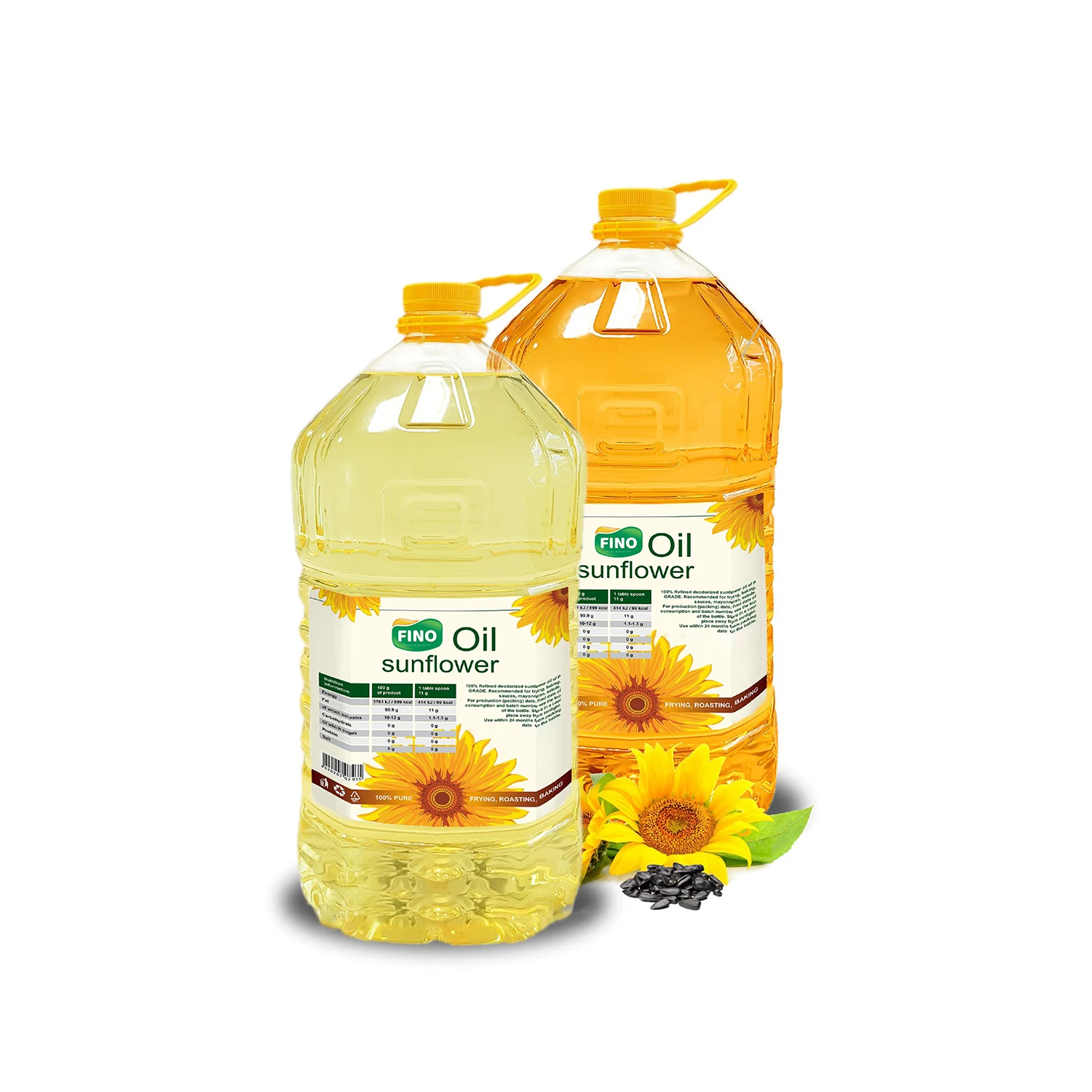
Подсолнечное кулинарное масло, не сертифицированное GMO, естественно, прессованное, идеально подходит для жарки при сильном нагревании, заправки, маринады 10 л
Новые поступления
Новинки товаров от производителей по оптовым ценам
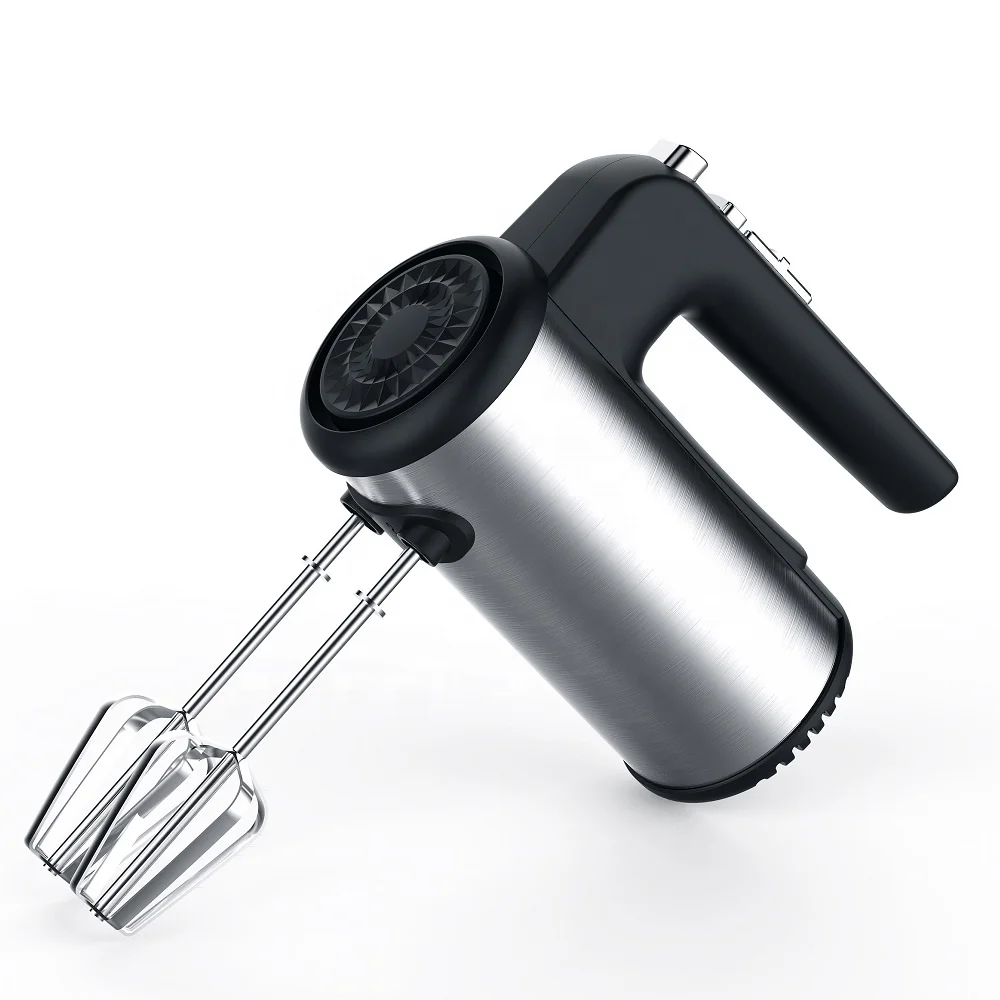
300 Вт безопасный для посудомоечной машины 5-скоростной турбо с крючками для теста, венчик, электрический ручной миксер
571,11-666,30 ₽
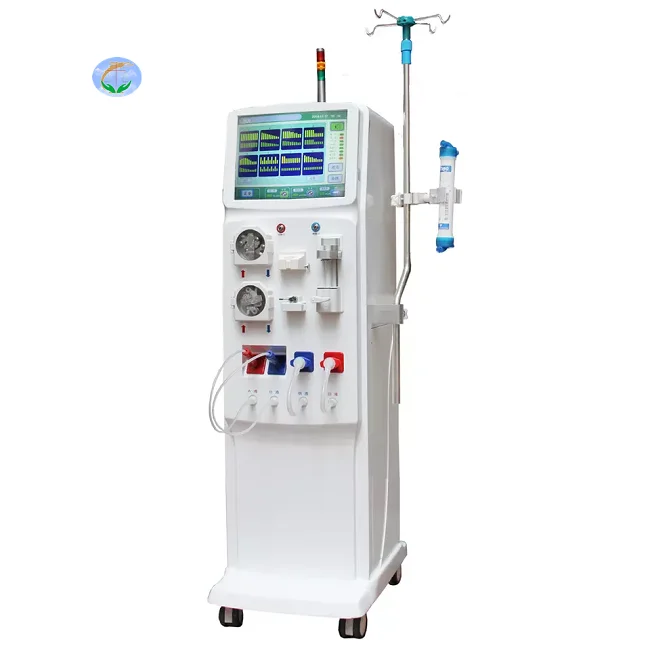
Медицинский портативный прибор для гемодиализа катетер и кровообращения диализа почек ухода за здоровьем
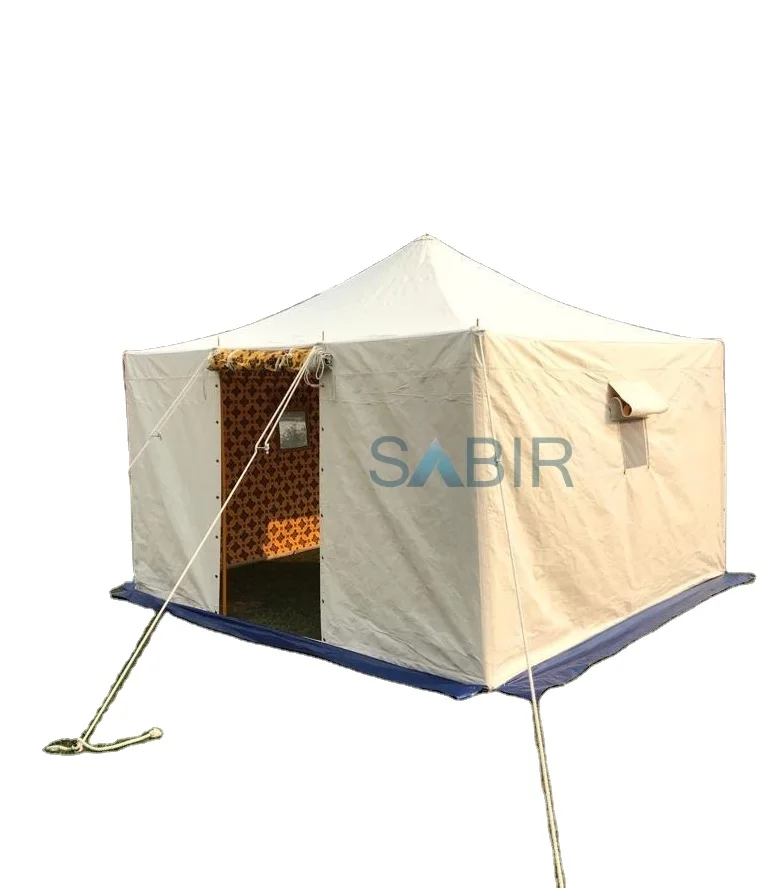
Многофункциональная роскошная водонепроницаемая палатка из брезента для кемпинга однокомнатная всесезонная с настраиваемым размером новый стиль рынка Ближнего Востока
45 688,76-56 159,10 ₽
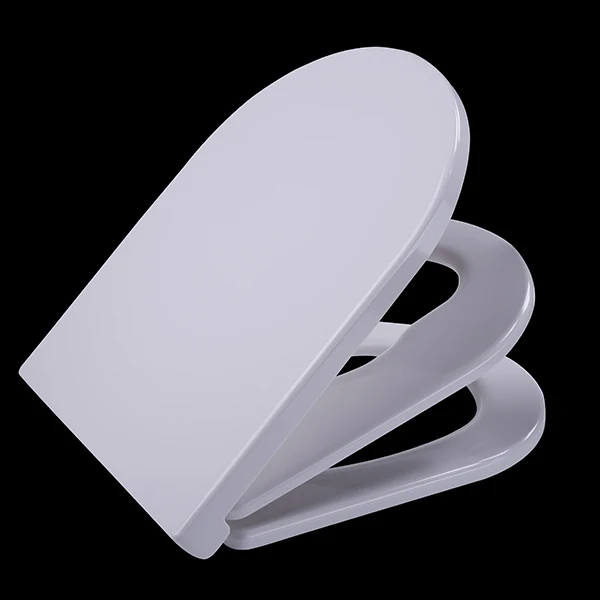
Санитарно-гигиеническое сиденье для
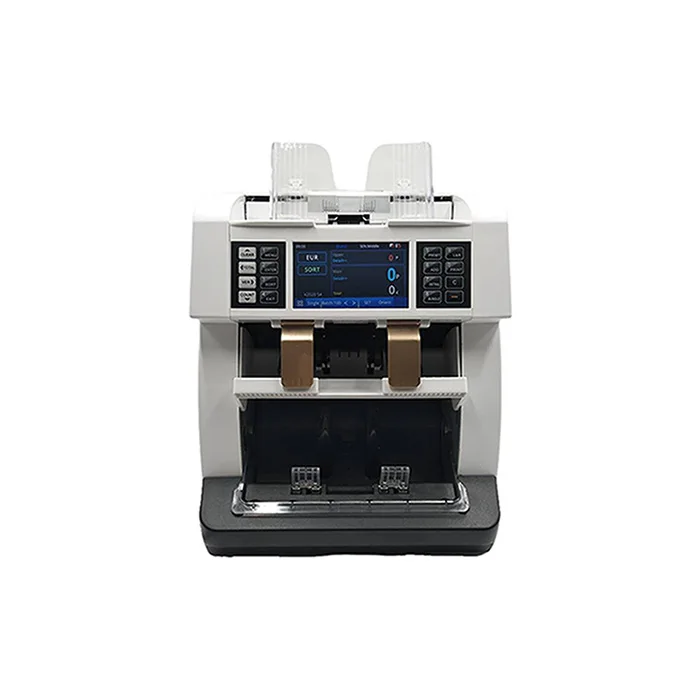
Счетчик купюр с низким уровнем шума на тонкопленочных транзисторах, автоматическое определение разных валют, 4,2 дюйма
50 448-52 351,70 ₽

Ожерелье из нержавеющей стали изящное ожерелье с чакрами на заказ модное позолоченное ювелирное изделие водонепроницаемой подвеской без
121,84-217,03 ₽
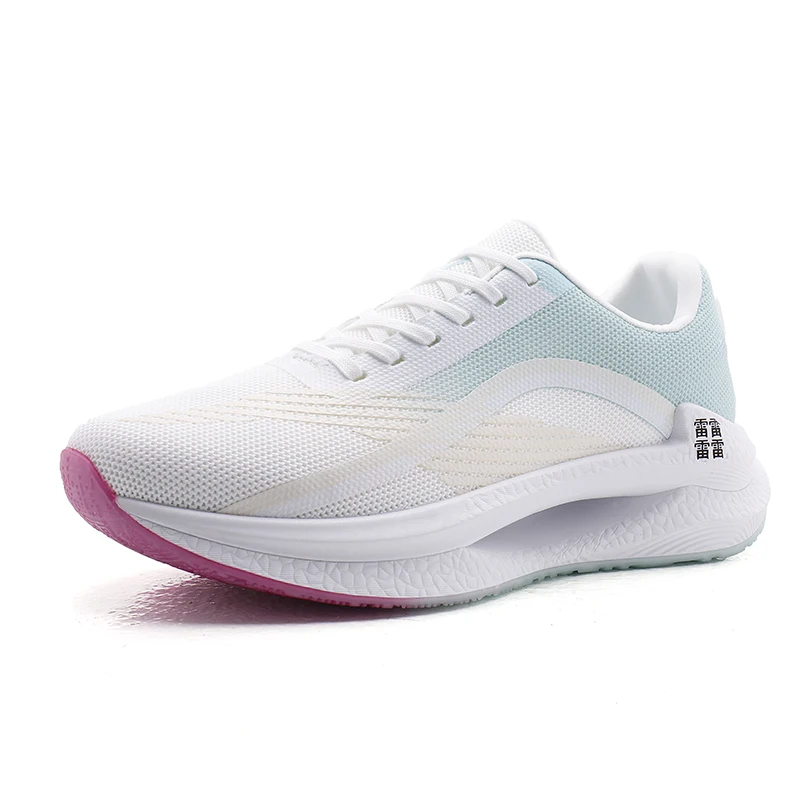
Мужские спортивные кроссовки с логотипом
856,67-999,45 ₽
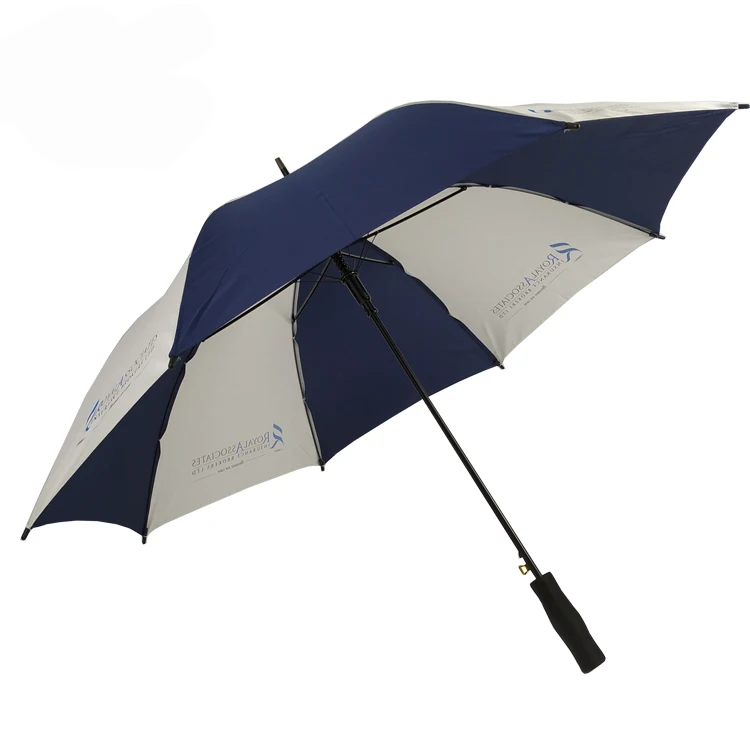
OEM ODM, настоящее изобретение, персонализированный прямой автоматический открытый пользовательский логотип, рекламный зонт для гольфа с логотипом для отелей
842,39-938,53 ₽