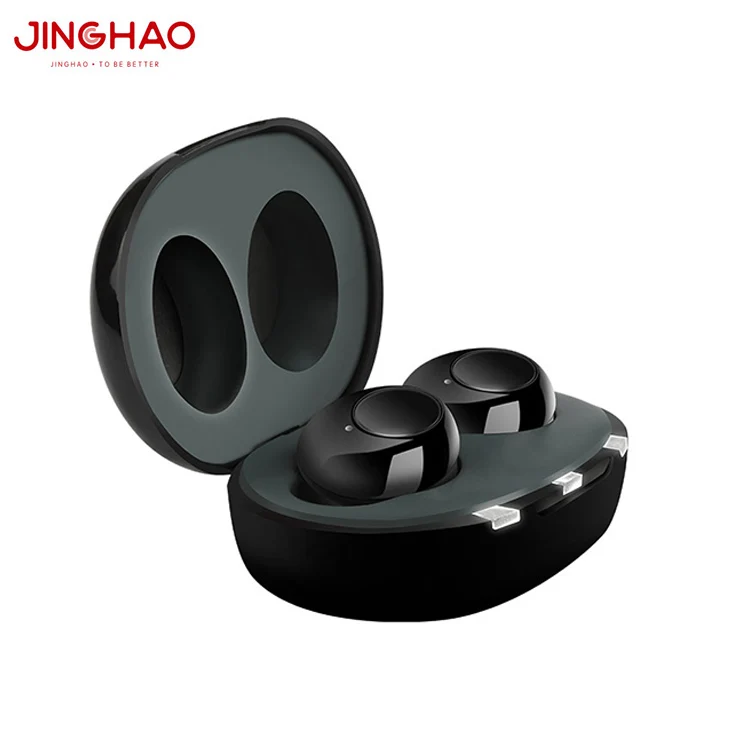
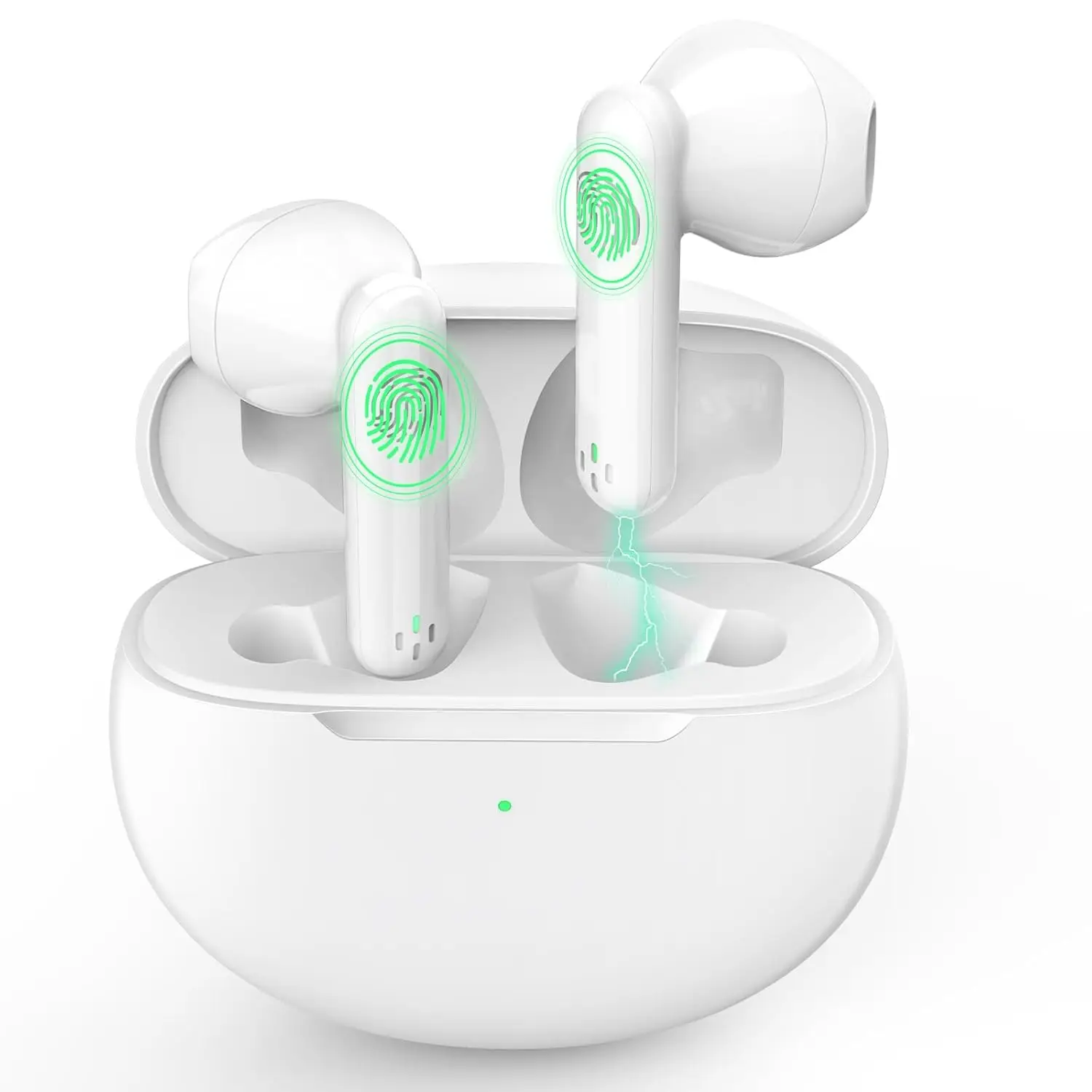
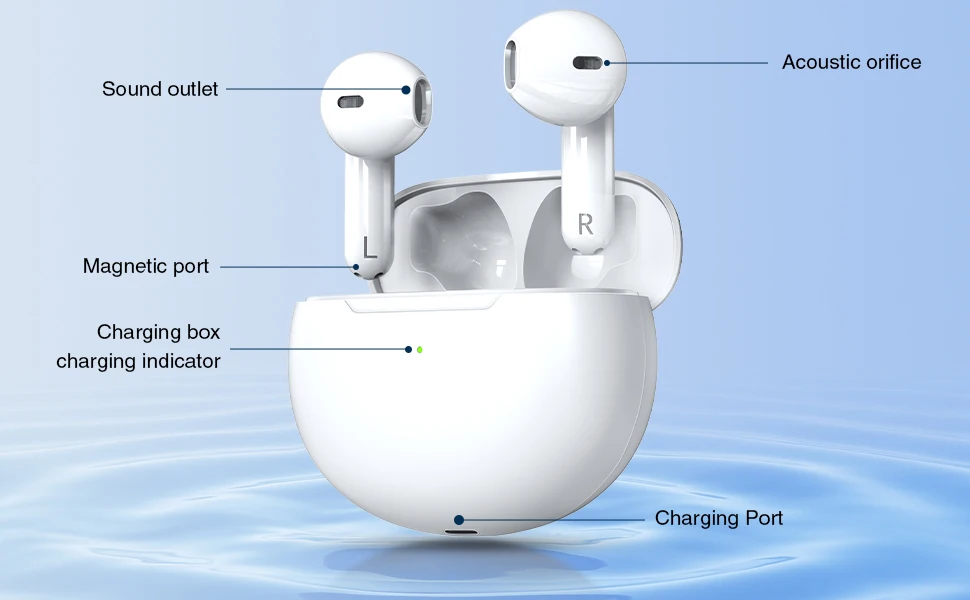
Слуховой усилитель для взрослых и пожилых людей перезаряжаемые Слуховые аппараты с шумоподавителем чистящий инструмент USB кабель в комплекте
- Категория: >>>
- Поставщик: Shenzhen Ningju Medical Electronic Co. Ltd.
Сохранить в закладки 1601254876484:
Описание и отзывы
Характеристики
Recommend Products
Product Paramenters
Welcome to Ningju Home Medical Device !
Hearing Amplifier for Adults and Seniors, Rechargeable Hearing Aids with Noise Cancelling, Cleaning Tool and USB Cable Included
Hearing Amplifier for Adults and Seniors, Rechargeable Hearing Aids with Noise Cancelling, Cleaning Tool and USB Cable Included
SPECIFICATIONS | ||||||
Product Name | Hearing Amplifier for Adults and Seniors, Rechargeable Hearing Aids with Noise Cancelling, Cleaning Tool and USB Cable Included | |||||
Device Type | ( )BTE ( ✔ )ITE ( )ITC ( )CIC | |||||
Monitor No. | 816A | |||||
Monitor Color | white | |||||
Monitor Material | ABS | |||||
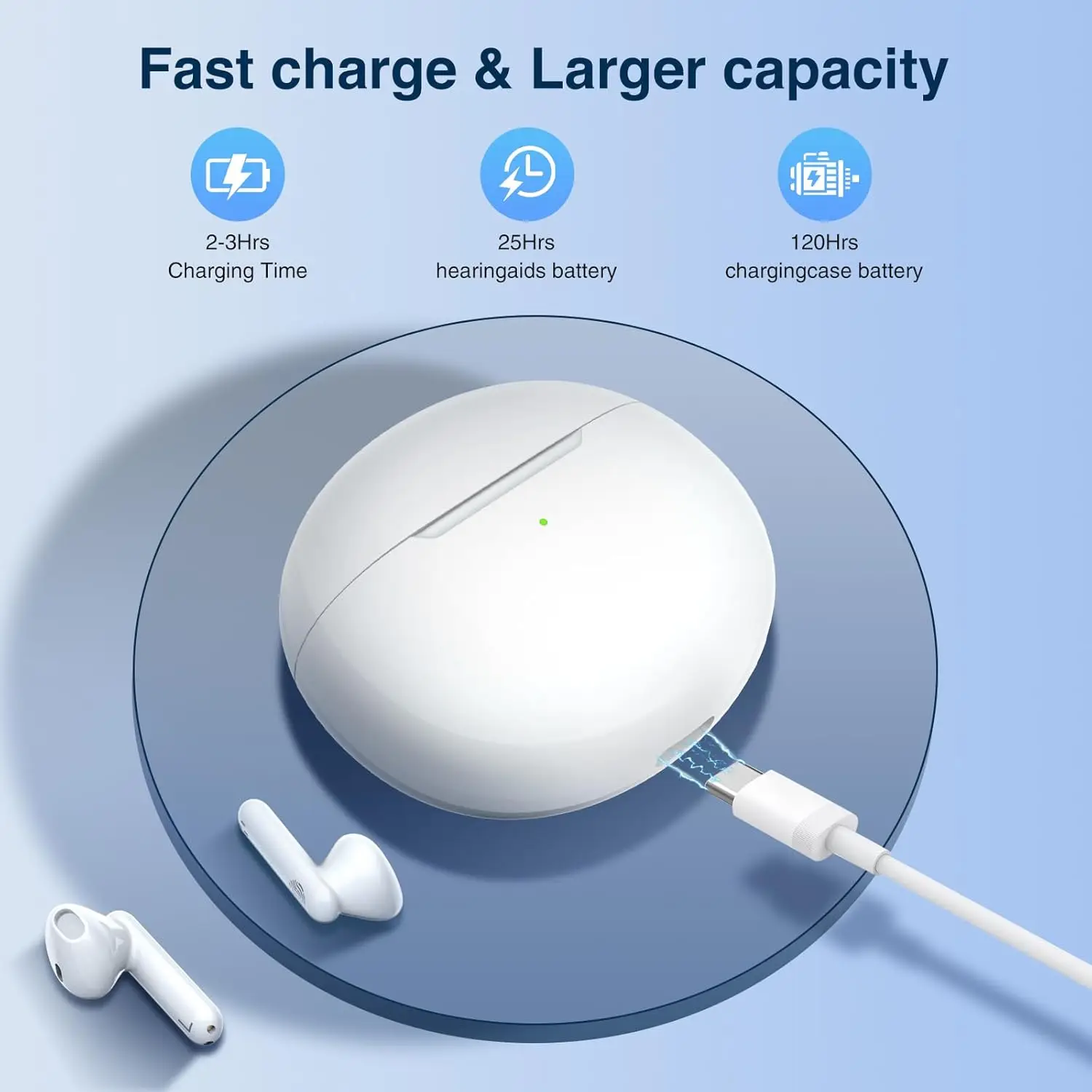
Power Source | 30mAh for earphone, 300mAh for charging case Rechargeable Li-battery | |||||
Product List | Right & left hearing aid, portable charging box, cleaning brush, USB cable, user manual | |||||
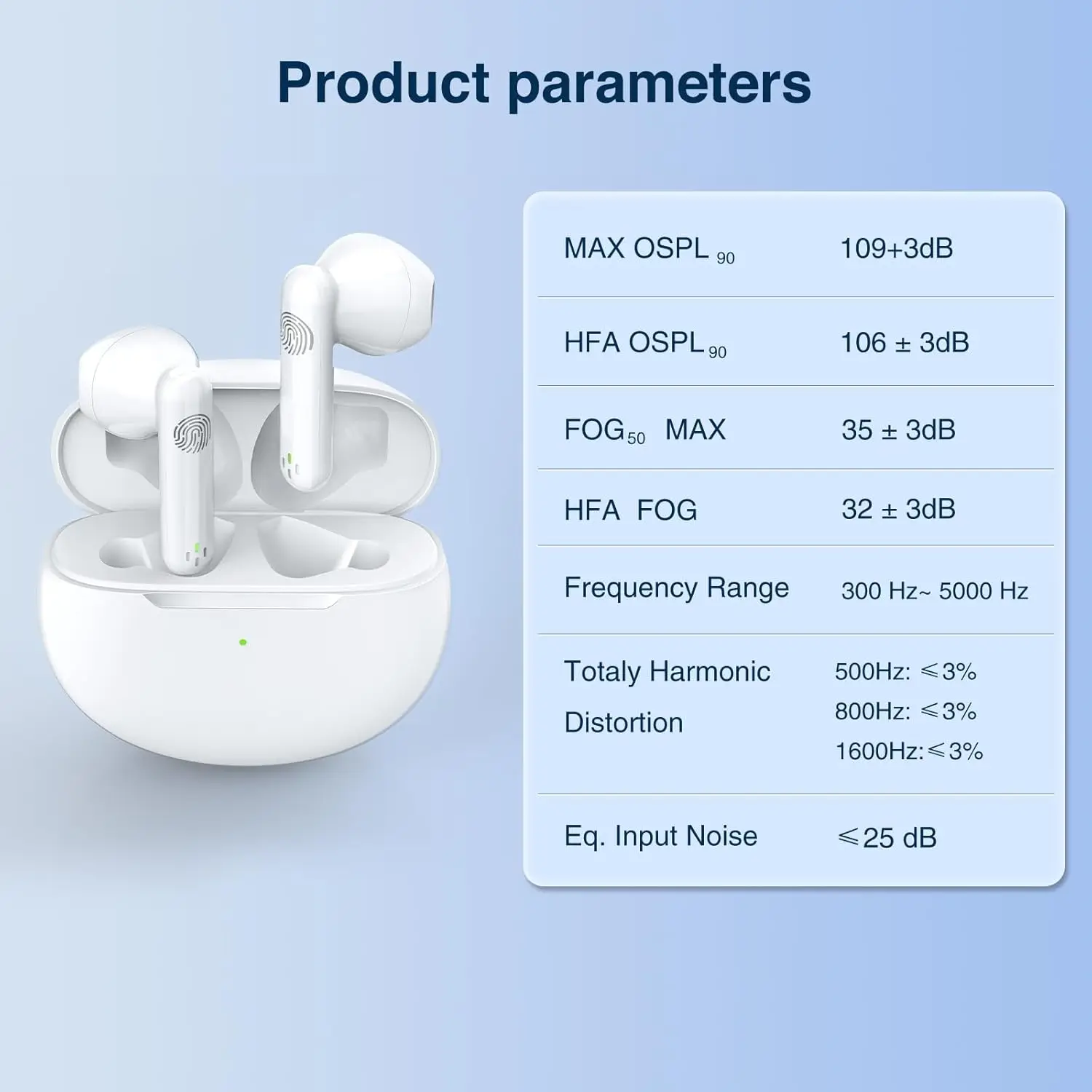
Maximum sound output | ≤120dB±3dB | |||||
Average sound gain | 30dB±5dB | |||||
Equivalent input noise | ≤25dB+3dB | |||||
Frequency range | 400Hz~4000Hz | |||||
Total har-monic wave distortion | ≤ 7% | |||||
Charging time | 2 h charging, used for 18 h | |||||
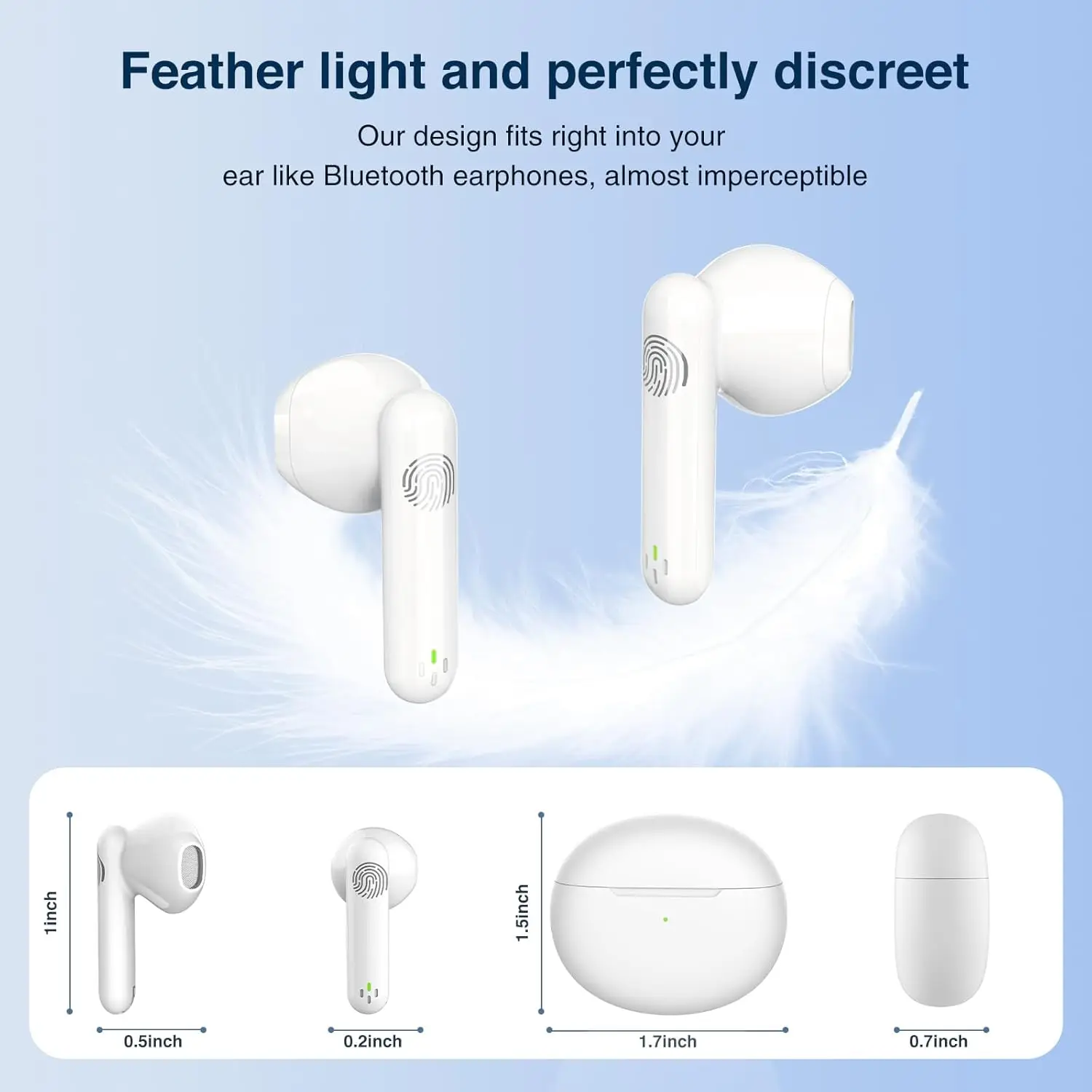
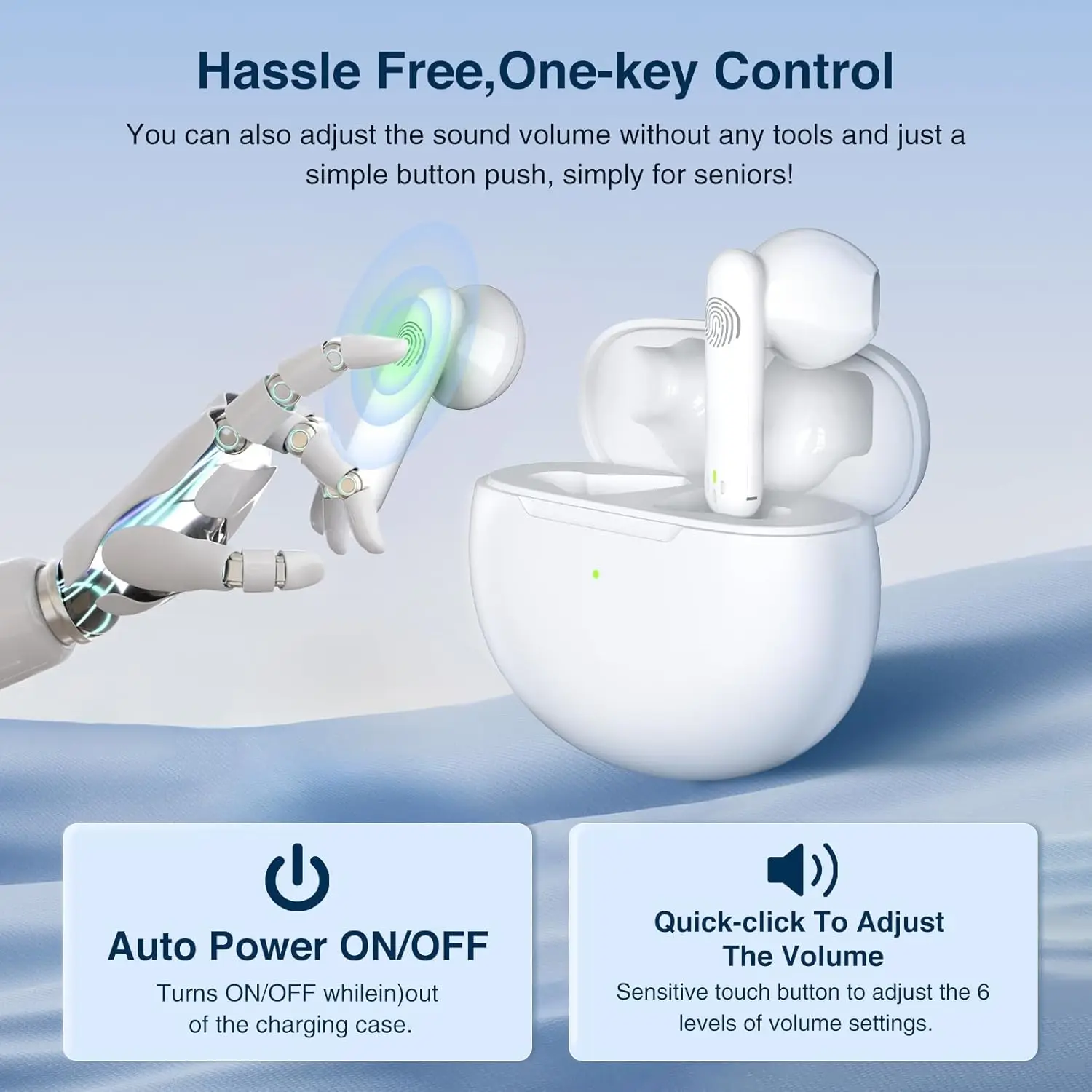
Feature | Mini size for easy carry, Rechargeable TWS digital hearing aids, one button for turn on/off and volume adjustable. clear voice | |||||
Advantage | Unique design, Portable lightweight charging box | |||||
Packaging | 1. 100 pcs/Carton 2. N.W.: 18 kgs/carton 3. G.W.: 18.5 kgs/carton 4. 0.094 CBM | |||||
Origin | shenzhen, China | |||||
Application | Adult, Older | |||||
Certifications | FCC, CE, RoHS, OTC | |||||
Other Home Medical Products | ||||||
Products Description
Learn About Hearing Aid Start from Here
What are OTC hearing aids?
The 5 degrees of hearing loss are:
(1)Normal hearing (≤25 dB)
(2)Mild hearing loss (26-40dB): Quiet and soft conversations - or situations with only some background noise - may become difficult to understand.
(3)Moderate hearing loss (41-60 dB): Higher volume levels are required for radio and TV, and conversations accompanied by background noise become difficult to understand.
(3)Moderate hearing loss (41-60 dB): Higher volume levels are required for radio and TV, and conversations accompanied by background noise become difficult to understand.
(4)Severe hearing loss (61-80 dB): Difficulties with speech and group conversations in both quiet and noisy environments. Comprehension is impossible without amplification.
(5)Profound hearing loss(greater than ≥81 dB): Difficult or impossible to hear and understand amplified devices or speech in any environment.
Behind-the-ear (BTE)
In BTE hearing aids, everything is contained inside a durable case that sits behind the outer ear. Sounds are transmitted to the user's ear directly via a small tube attached to a dome or earmold. BTE hearing aids have traditionally been the largest in size, and are also the best hearing aids for those needing the most power.
Receiver-in-the-canal (RIC)
Another type of hearing aid is RIC. These rest behind the outer ear, just like BTE hearing aids. The difference is that the
speaker sits inside the ear — in an ear mold or dome. It is separate from the rest of the device, and the case is then connected by a wire to the speaker. This type of hearing aid is traditionally smaller, lighter and more discreet than a BTE, but not powerful enough for wearers with profound hearing loss.
In-the-ear (ITE)
ITE hearing aids sit entirely inside the ear. There are various sub-styles in this category, from the large and more powerful Full Shell to the smaller CIC (Completely-In-Canal) and the virtually invisible IIC (Invisible-In-Canal).
Receiver-in-the-canal (RIC)
Another type of hearing aid is RIC. These rest behind the outer ear, just like BTE hearing aids. The difference is that the
speaker sits inside the ear — in an ear mold or dome. It is separate from the rest of the device, and the case is then connected by a wire to the speaker. This type of hearing aid is traditionally smaller, lighter and more discreet than a BTE, but not powerful enough for wearers with profound hearing loss.
In-the-ear (ITE)
ITE hearing aids sit entirely inside the ear. There are various sub-styles in this category, from the large and more powerful Full Shell to the smaller CIC (Completely-In-Canal) and the virtually invisible IIC (Invisible-In-Canal).
What are OTC hearing aids?
The F.D.A’s newly created Over-The-Counter (OTC) hearing aid category is designed to be sold directly to the consumer, over the age of 18, with mild-to-moderate hearing loss. While the intent was to provide access to hearing aids at a lower price, the actual cost in terms of safety, customization and support could make this a costly experience for some.
What to consider when researching hearing aid types
1. Talk to an expert about hearing aids
2. Find a solution that reduces background noise and provides better speech understanding
3. Consider a solution that reduces feedback noise
4. Explore hearing aids with a 360-degree sound experience
5. Be aware of your personal hearing needs
Analog Hearing Aids
Analog Hearing Aids work similarly to a microphone hooked up to a speaker. Before the Digital Era, Analogue Hearing Aids are the only kind of Hearing Aids available to amplify the sound.
Analog Hearing Aids work similarly to a microphone hooked up to a speaker. Before the Digital Era, Analogue Hearing Aids are the only kind of Hearing Aids available to amplify the sound.

If this Hearing Amplifier for Adults and Seniors, not suitable for you, you can click below items to check more home medical products
Company Profile

Shenzhen Ningju Medical Electronic Co., Ltd. is committed to providing meaningful innovations that improve the quality of
healthcare, enhance patients' lives and enable the delivery of better outcomes at lower cost. Our main products are baby
thermometer, smart body fat scale, blood pressure monitor, pulse oximeter, breast pump and so on.
healthcare, enhance patients' lives and enable the delivery of better outcomes at lower cost. Our main products are baby
thermometer, smart body fat scale, blood pressure monitor, pulse oximeter, breast pump and so on.

Possessing an independent R&D group, advanced manufacturing factory, professional sales team and aftersales service group, our
company is a full-service vendor with complete development, production, sales and service.
company is a full-service vendor with complete development, production, sales and service.
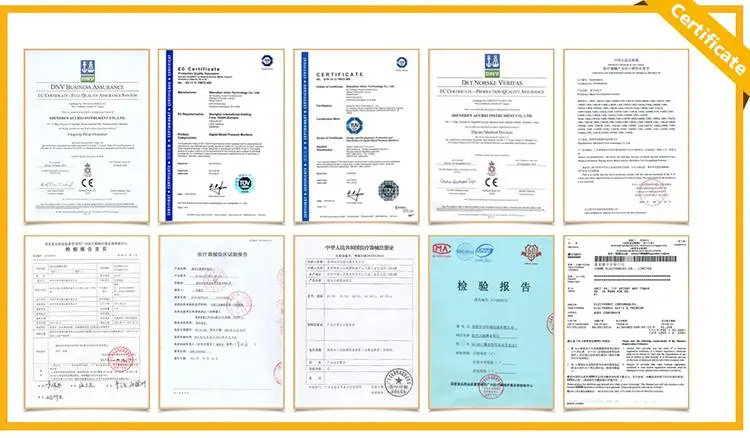
To grow better with our customers, we are always strict on quality. Most of our products have passed CE, RoHS and ISO I3485.
Contact us today, with our passion service, advanced technology and good quality, let's become your credible partner!
Certifications
Delivery
DHL | 3-5 days |
FEDEX | 4-6 days |
UPS | 6-8 days |
TNT | 6-8 days |
BY AIR | 5-15 days |
BY SEA | 15-30 days |
FAQ
1.Are you a trader or manufacturer?
We are professional manufacturer for different kinds of home medical products , our factory has been for 10 years and located in shenzhen city, sincerely welcome you to visit us in China.
2. Can you provide OEM or ODM service?
Yes, we have strong developing team to support OEM and ODM service. The products can be made according to your request.
Yes, we have strong developing team to support OEM and ODM service. The products can be made according to your request.
3.what can you buy from us?
Nano spray machine, smart body scale, blood pressure monitor, water flosser, hearing aid, digital baby thermometer, pulse oximeter, medical nebulizer.
Nano spray machine, smart body scale, blood pressure monitor, water flosser, hearing aid, digital baby thermometer, pulse oximeter, medical nebulizer.
4. why should you buy from us not from other suppliers?
1. Professional manufacturer of medical products for more than 10 years
1. Professional manufacturer of medical products for more than 10 years
2. Strict QC system, each product has to be 100% inspection before shipment
3. Supporting trading cooperation
4. Certifications: CE, RoHS and ISO I3485.
5. what services can we provide?
Accepted Delivery Terms: FOB, CFR, CIF, EXW, FCA, Express Delivery;
Accepted Payment Currency: USD, CNY;
Accepted Payment Type: T/T,L/C,Western Union;
Language Spoken:English,Chinese
Accepted Delivery Terms: FOB, CFR, CIF, EXW, FCA, Express Delivery;
Accepted Payment Currency: USD, CNY;
Accepted Payment Type: T/T,L/C,Western Union;
Language Spoken:English,Chinese
Похожие товары
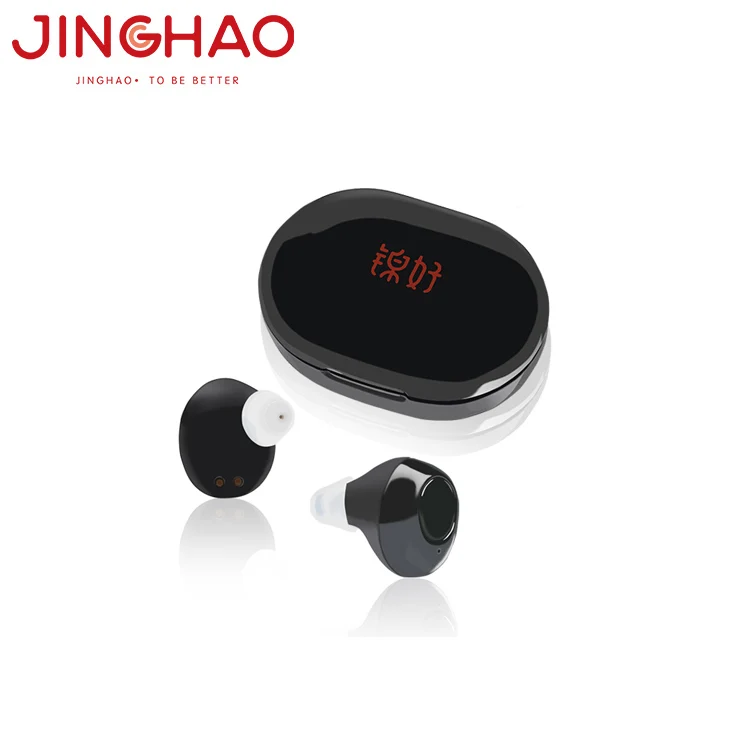
Лучший продавец JINGHAO усилитель звука уха миниатюрный перезаряжаемый слуховой аппарат
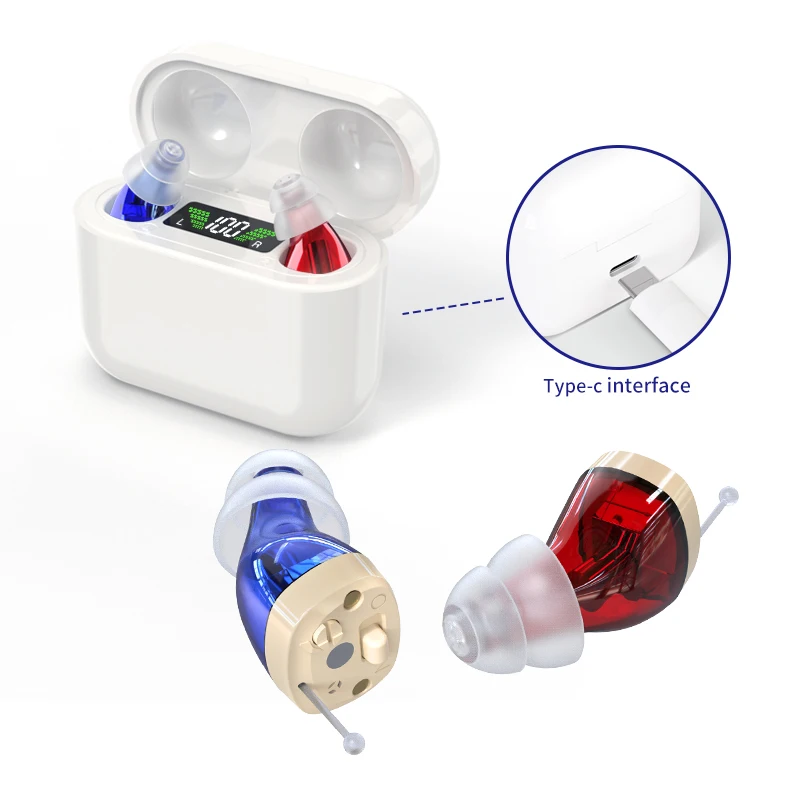
Высококачественные цифровые перезаряжаемые слуховые аппараты CIC с дисплеем и зарядным чехлом для потери слуха
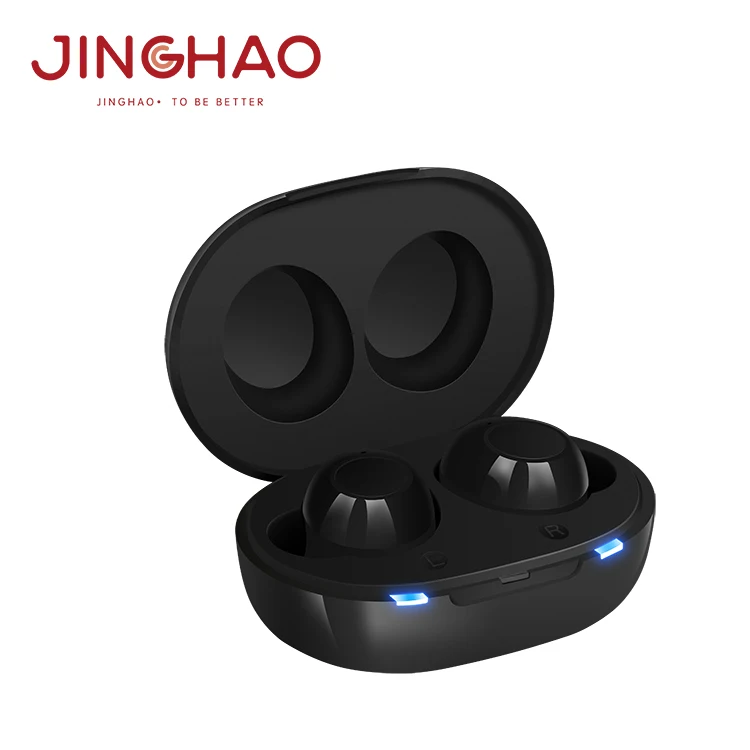
Горячая Распродажа ITE Слуховой усилитель перезаряжаемый слуховой аппарат небольшие слуховые аппараты цены

США 2-контактный штекер кабеля питания кабель переключателя витой Электрический медный провод с нами и 303 выключатель для внутреннего освещения
76,05 ₽ - 98,09 ₽
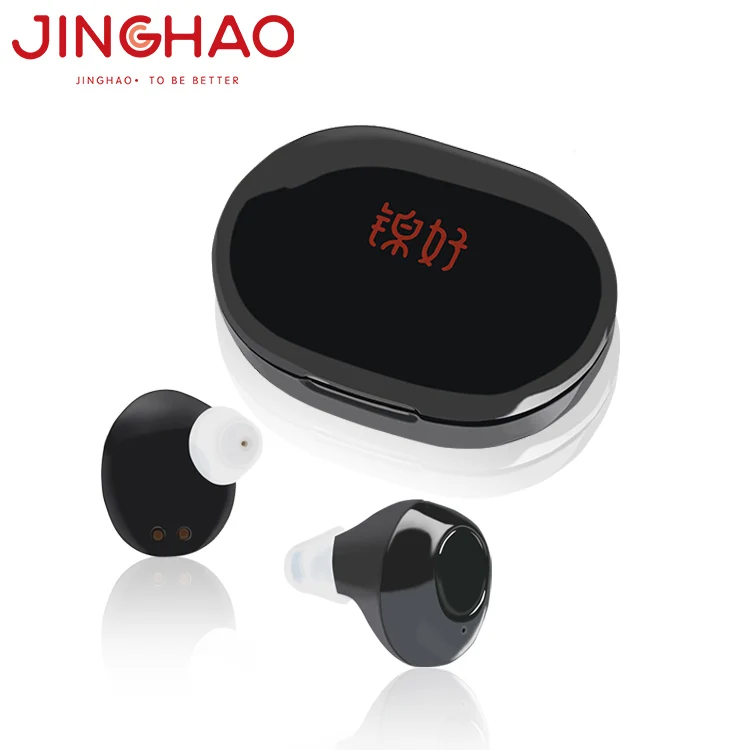
Новинка 2019 беспроводные наушники-вкладыши перезаряжаемые наушники для потери слуха
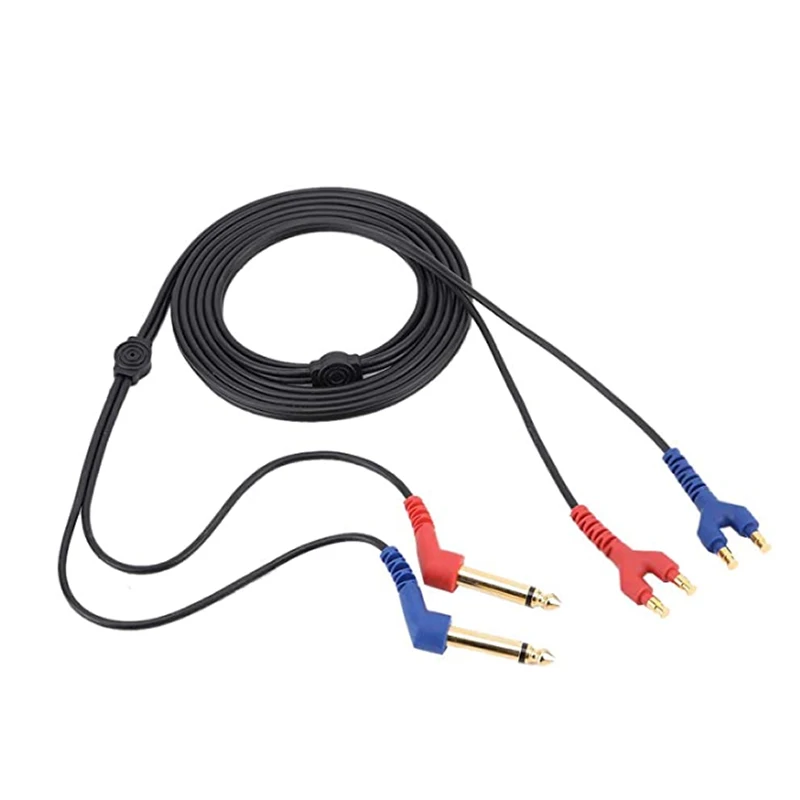
Высококачественный Аудиометр TDH39 DD45 гарнитура с кабелем провод для наушников воздушной проводимостью тестер слухового аппарата
991,88 ₽ - 1 928,65 ₽
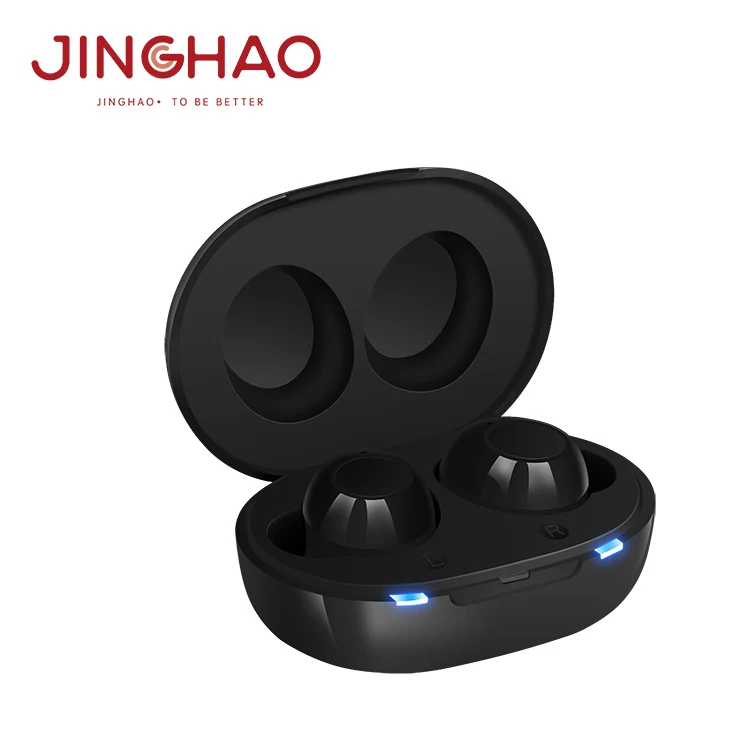
JINGHAO горячая Распродажа пользовательский ITE мини слуховой аппарат перезаряжаемый
Новые поступления
Новинки товаров от производителей по оптовым ценам
300 Вт безопасный для посудомоечной машины 5-скоростной турбо с крючками для теста, венчик, электрический ручной миксер
571,11-666,30 ₽
Медицинский портативный прибор для гемодиализа катетер и кровообращения диализа почек ухода за здоровьем
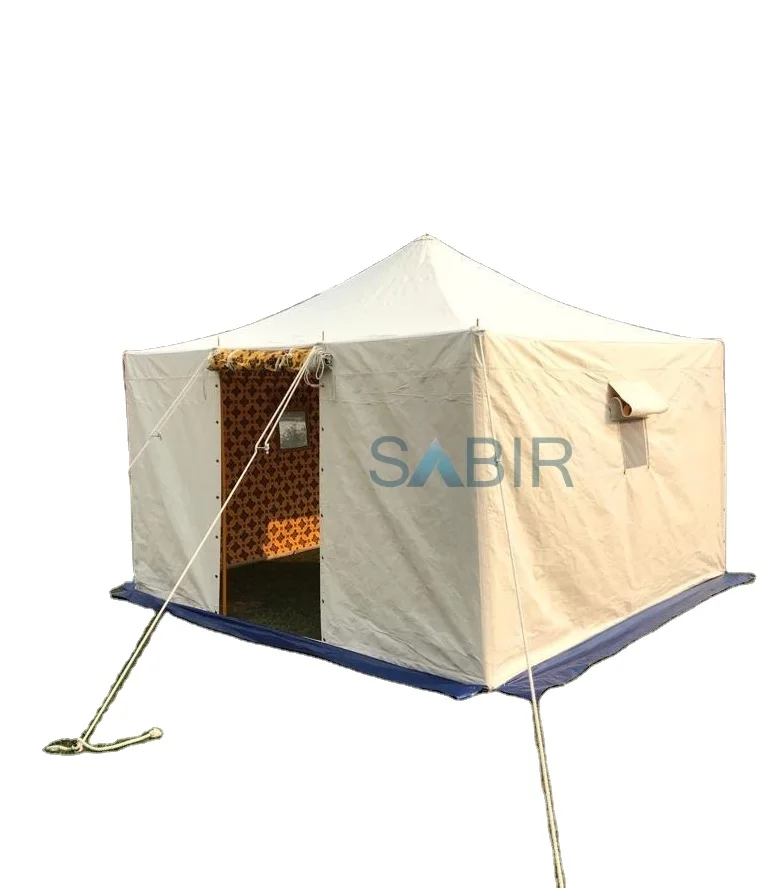
Многофункциональная роскошная водонепроницаемая палатка из брезента для кемпинга однокомнатная всесезонная с настраиваемым размером новый стиль рынка Ближнего Востока
45 688,76-56 159,10 ₽
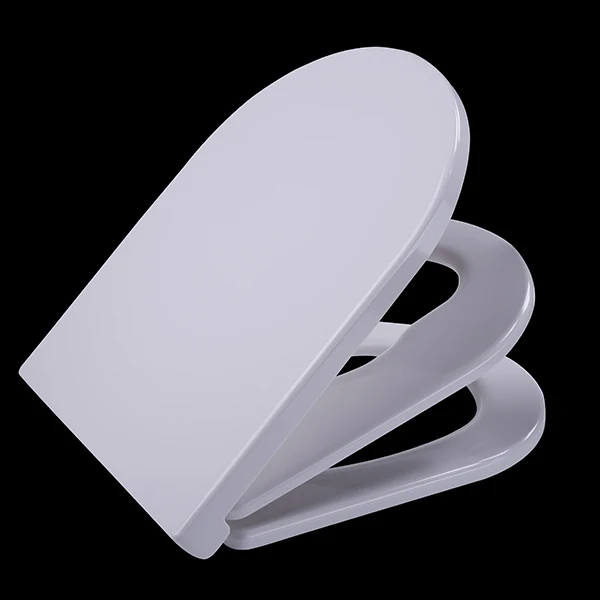
Санитарно-гигиеническое сиденье для
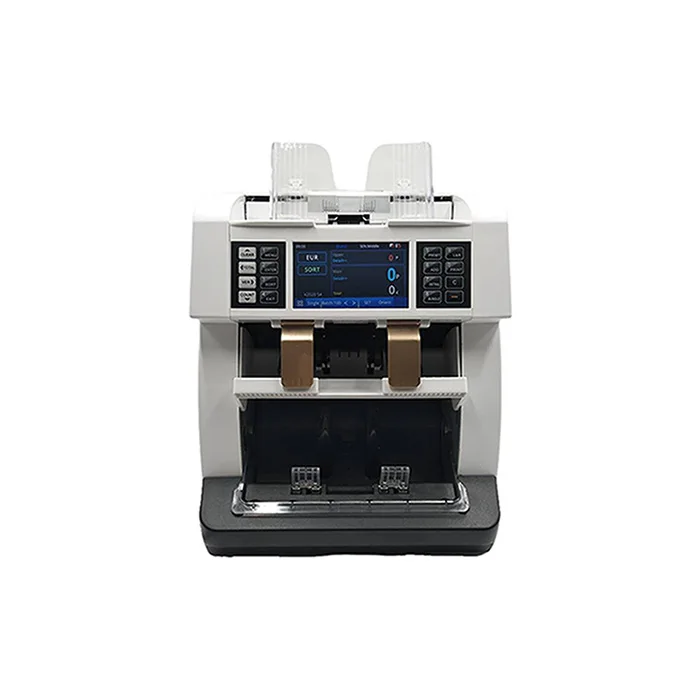
Счетчик купюр с низким уровнем шума на тонкопленочных транзисторах, автоматическое определение разных валют, 4,2 дюйма
50 448-52 351,70 ₽
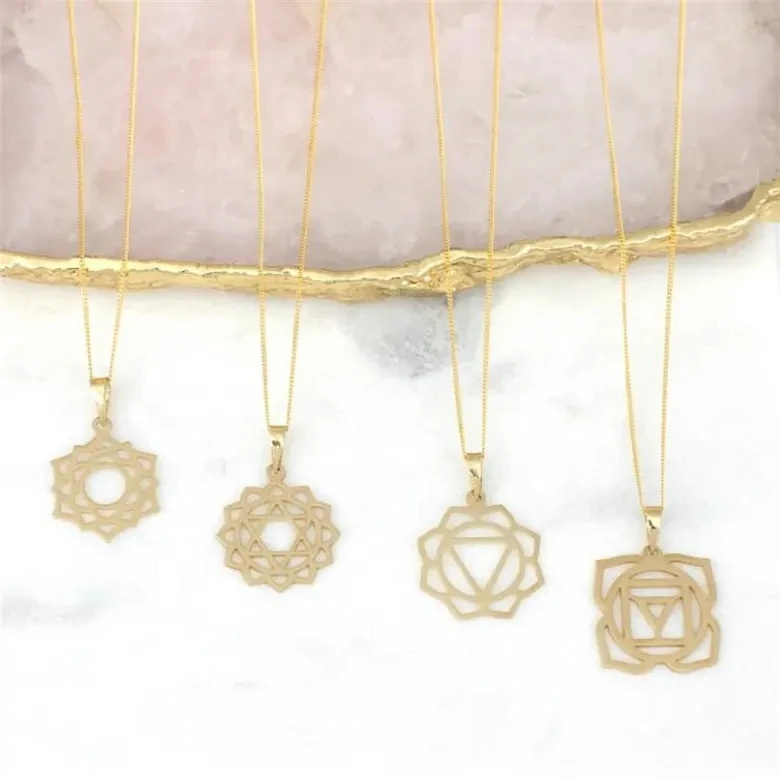
Ожерелье из нержавеющей стали изящное ожерелье с чакрами на заказ модное позолоченное ювелирное изделие водонепроницаемой подвеской без
121,84-217,03 ₽
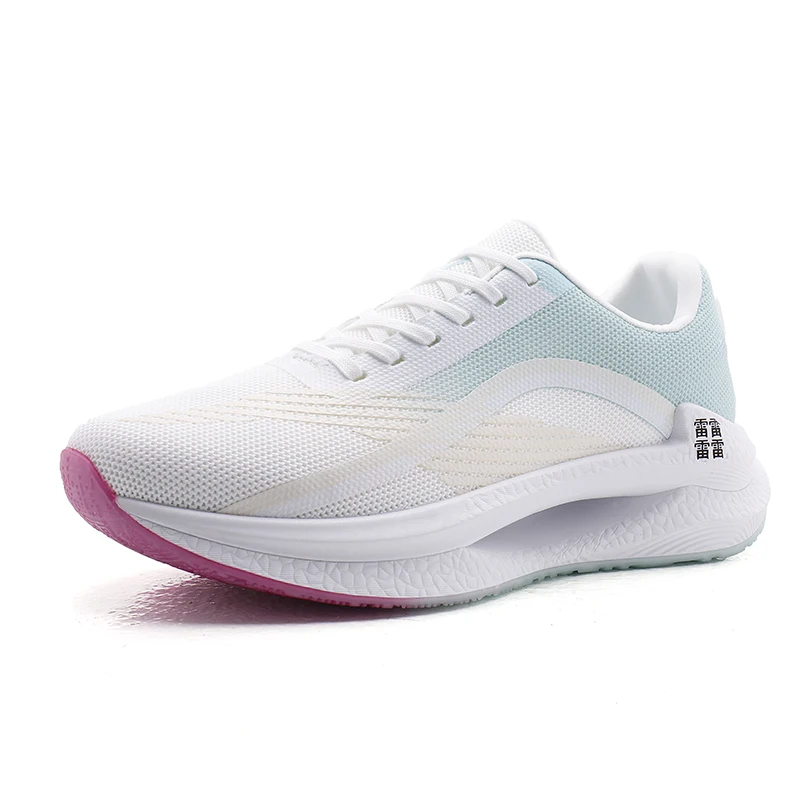
Мужские спортивные кроссовки с логотипом
856,67-999,45 ₽
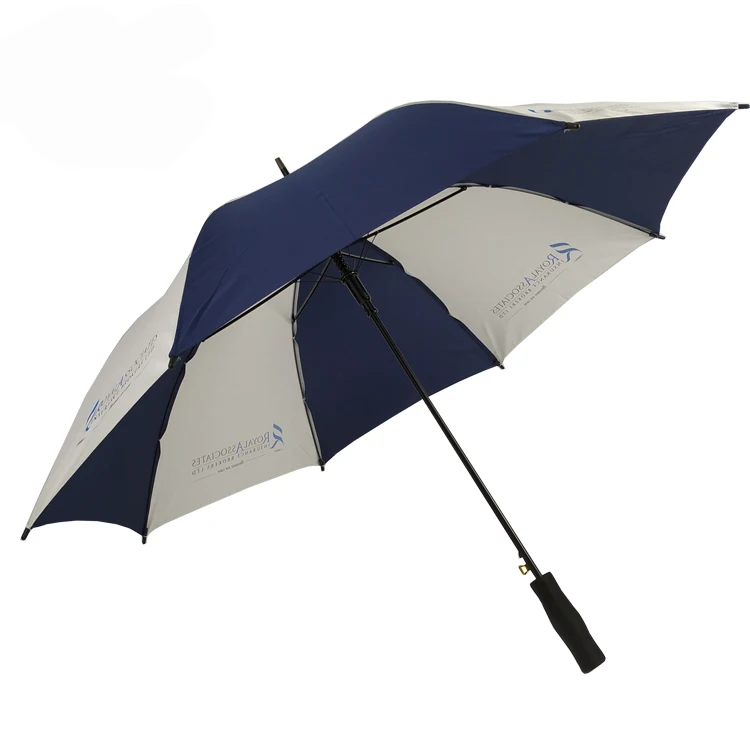
OEM ODM, настоящее изобретение, персонализированный прямой автоматический открытый пользовательский логотип, рекламный зонт для гольфа с логотипом для отелей
842,39-938,53 ₽