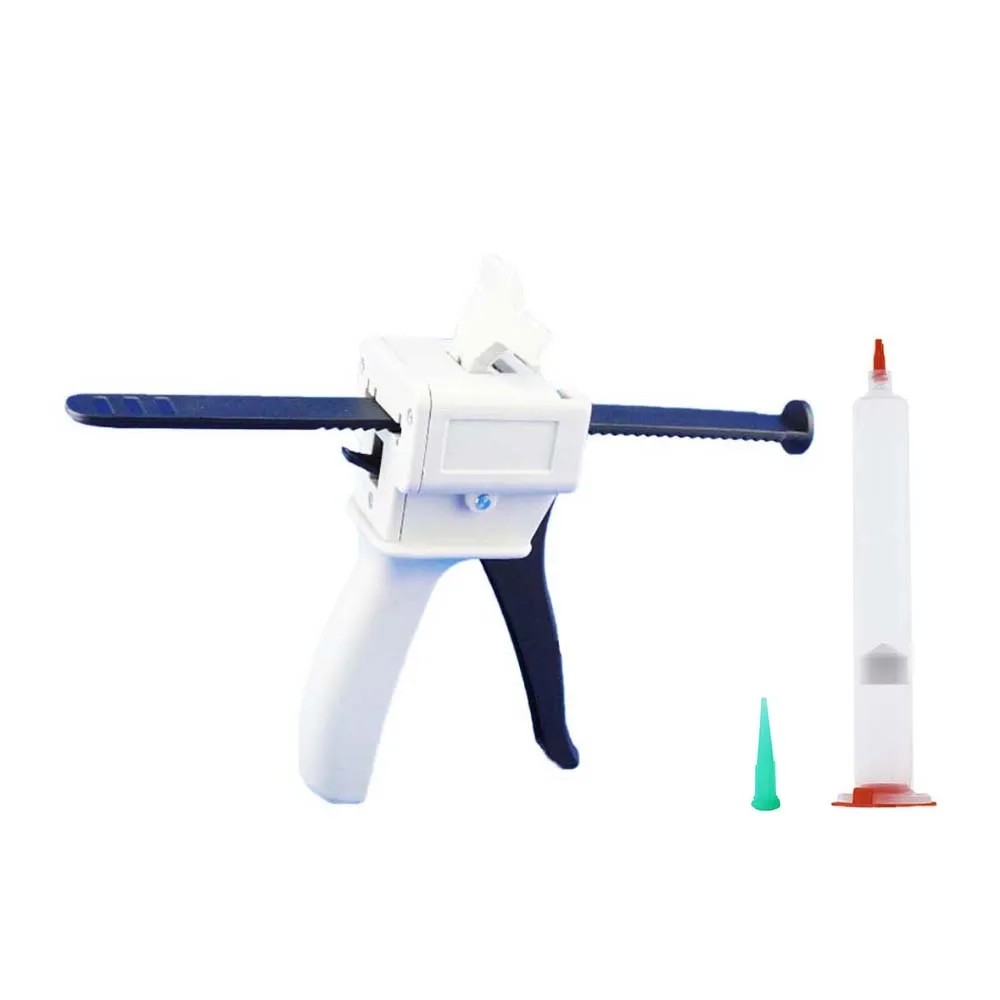
Клеевой пистолет для жидкости, 55 куб. См, 1 шт. + конусы 55 куб. См, 1 шт. + насадки для дозирования, 1 шт.
19,00 $ - 22,00 $
Сохранить в закладки 2004651623:
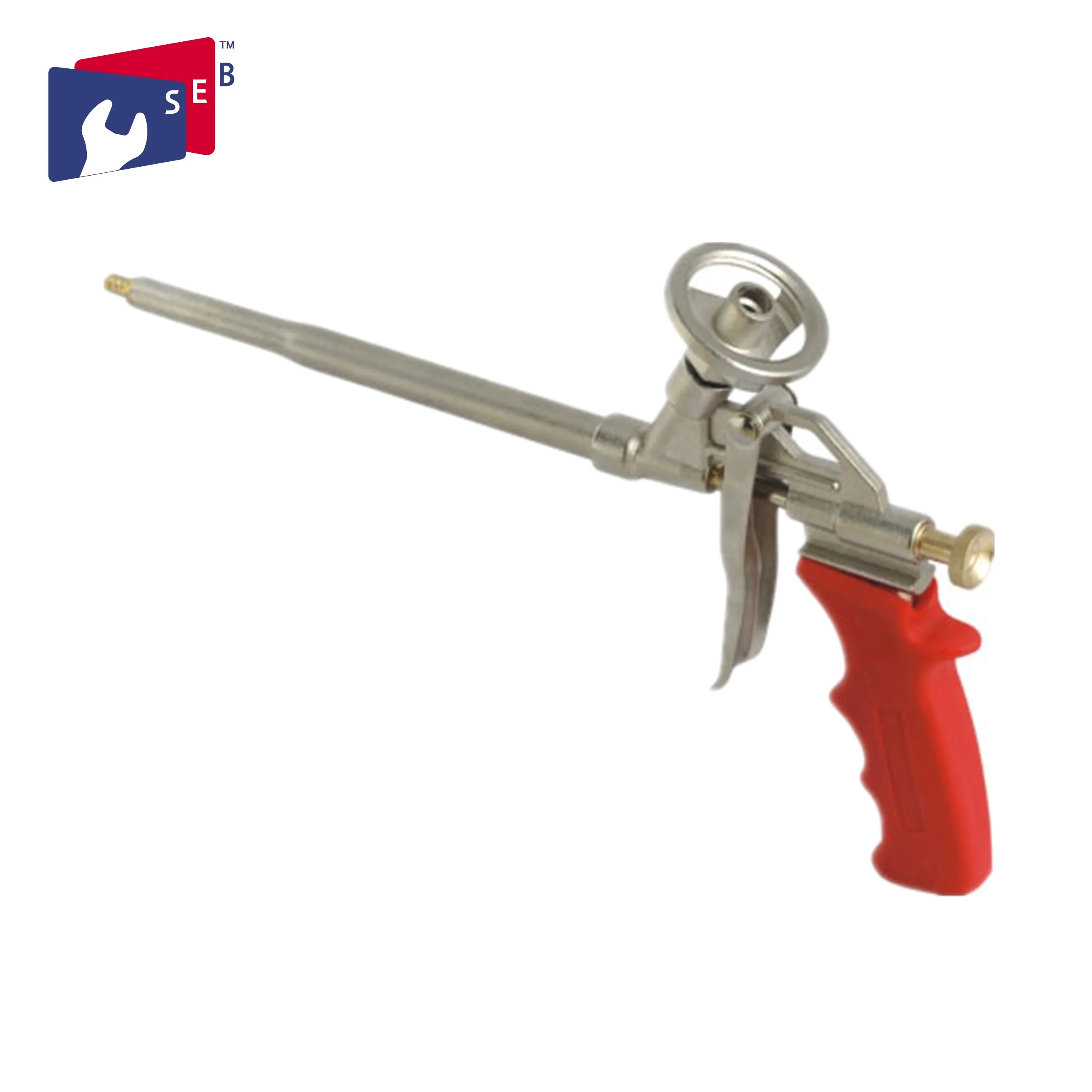
Pistolet pour mousse polyurethane expansive
Description of foam gun:
These foam guns are used in the field of constructions for mounting of standing finish, windows and doors, fixing of roof tiles and insulating panels, pipes, sound and electrical insulation, filling and sealing of gaps/cracks, panel gluing and other applications.
All our applicators are European standard CE approved and meet standards of high mechanical performance with high push ratios and unparalleled air tightness.
Product description of foam gun:
Our New Mechanical Structure Valve:

Traditional bead valve:
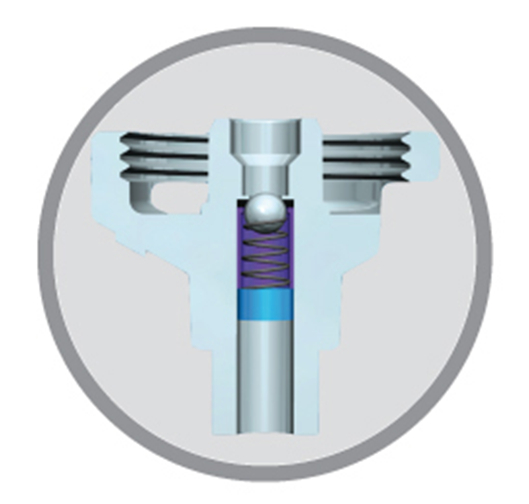
Advantage of foam gun:
1.Easy to clean
2.Replaceable valve
3.Increasing the foaming capacity up to 30%
4.Foaming balanced and reduce the after effect of shrinking up to 50%
5.Low and high pressure PU foam have the same use effect
6.1-2 years lifetime
7.400-500 foam cans with one gun
Foam Gun Maintenance:
Foam guns are the air sealing tool of our epoch. We all use them. We all kill them. We all wish they would last longer and clog less.
Of course there are as many different qualities of single component poly-urethane foam guns as there are different qualities of foams — at least we can be happy that, unlike power tool batteries, there is a standardized threading mechanism for all cans of foam and all guns across brands. Quality guns can be bought for a price or refurbished. That being said, talking with people who repair these guns reveals how we kill them and how we could make them all last longer and perform better.
Prevention Is the Best Medicine
Dried foam is the number one enemy of a foam gun. Good guns seal off air tight at the tip as soon as you stop shooting, which keeps all product inside the barrel as fresh and uncured as what is in the can. What can give you trouble is a bit of residue building up at the tip, so simply remember to wipe the tip every time you stop shooting for more than five minutes.
The second most common place foam cakes is on the threads that attach the gun to the can and the lip of the seal between the two. When you remove a can, some foam inevitably spills out. To minimize this, pull the trigger while unscrewing the can. This will leave the barrel open to relieve any pressure that has built up in the gun. If left to accumulate, you will have to tighten the can more and more after each use to prevent leakage and you may even end up stripping threads.
Ideally, you should give this whole area a quick shot of gun cleaner every time you change the can, leaving nothing to gum up the can-gun junction. This is difficult to do unless you purchase gun cleaner cans that have a spray nozzle accessory. If you can't get access to the cleaner in your can because it only dispenses when attached to the gun, then buy some acetone and rags to wipe this area clean.
If you remove the can and leave the gun exposed to the air, you might as well bury it because residue will harden up in both the valve and the barrel. Guns should have cans of product attached at all times to protect them from the air.
Using Cleaner Effectively
After about every 8 cans of product, or complete day of work if you are using more than 8 cans a day, you should clean the valve and barrel. Remove the empty can, clean the threads and then attach the cleaner can. Now, shoot product through the gun until cleaner comes out the other end. Let it sit for 1 to 2 minutes to dissolve any product lingering in the gun. If you want to be thorough, you should repeat this procedure two to three times and be advised it may take a whole can of cleaner. Be sure to shoot all spent product and cleaner into a suitable disposable container. Even after cleaning, the gun should not be left without a can of product attached because if you let the cleaner dry out inside the gun it can damage the O-rings.
Immediately attach a can of product, shake the can and then shoot until the cleaner is gone and you have a good line of foam about 6" long. If it appears to be clogged but shouldn't be, it might be the ball valve at the entrance to the gun. Clean it with cleaner, push it against its spring with a piece of wood to break it free and then mount a can of product and bleed the barrel.
If the gun sits without use for more than a couple of months, simply shoot a few inches of foam to bleed the barrel and put it back on the shelf.
Fun Foam Facts
If a foam is designed to cure rigid it will be an open-cell foam. Foams that remain flexible have a high percentage of closed-cell foam. Foam with 75% closed cells and 25% open cells, like the DuraFoam in the photo above, remain flexible but maintain their form without dripping.
When CFC gasses were banned, manufacturers had to look for new propellants. Many went to butane or other hydro carbons, which work fine but are flammable. There are, however, brands on the market that use inert propellants, making the product non-flammable. Partially because of propellant changes, all one-component foams must be shaken vigorously, as today they tend to separate more than in the past. If it comes out like brown syrup, you haven't shaken it enough.
There are two basic types of valves in the cans of foam: memory valves, which squeeze open a plastic passage, and mechanical valves, which assure that you get all of the product out of the can. A quick rule of thumb: companies that use plastic valves don't talk about it, ones using mechanical valves do.
In short, getting the most from your foam gun is a question of investing in quality and maintenance. Follow these quick tips, though, and you should get a lot more blow for your buck.
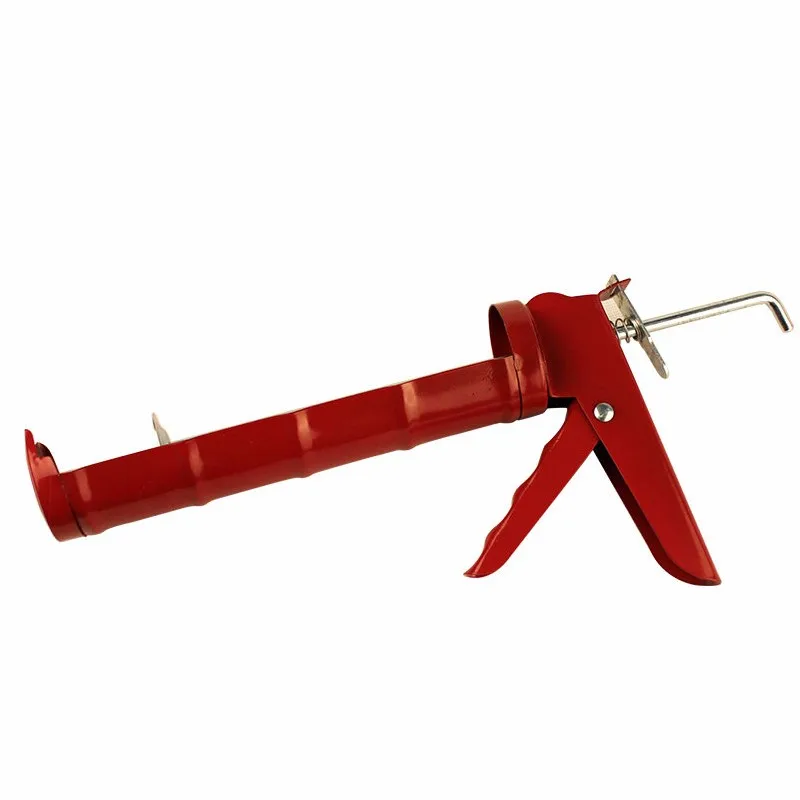
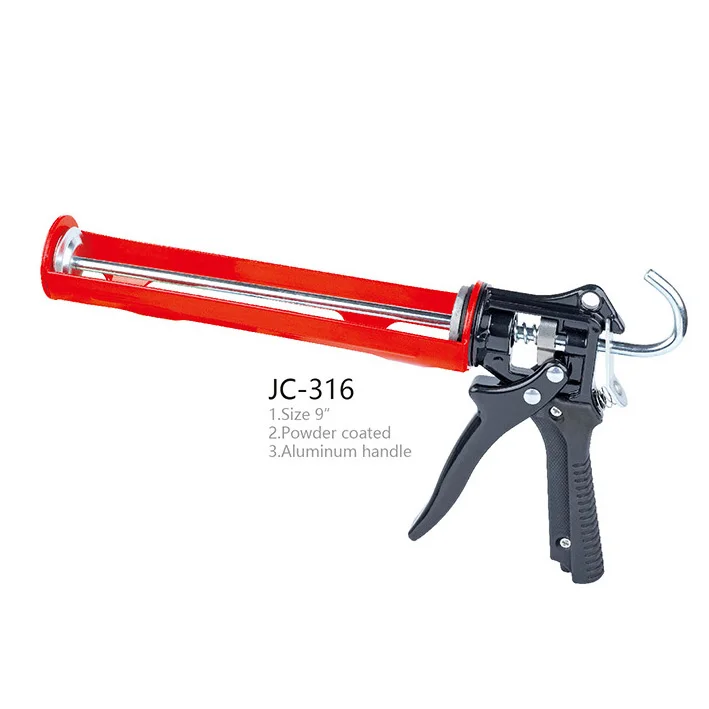
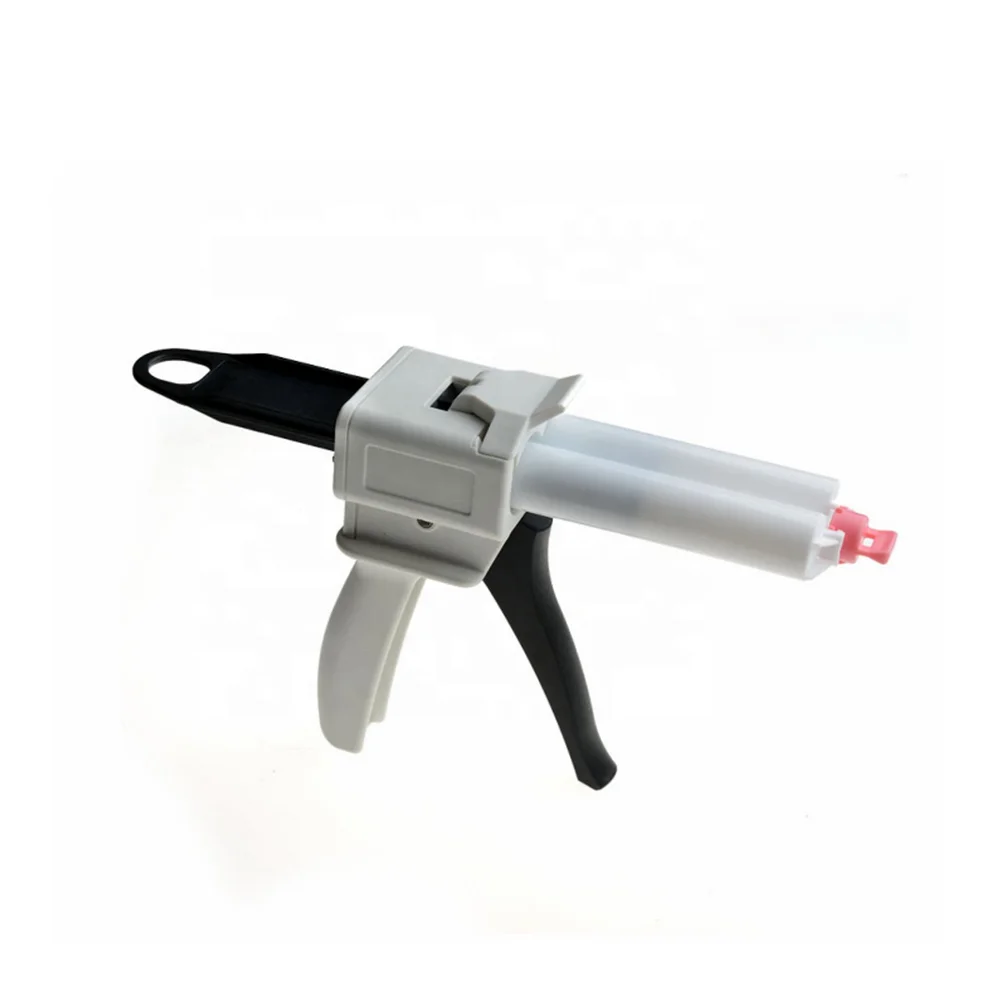
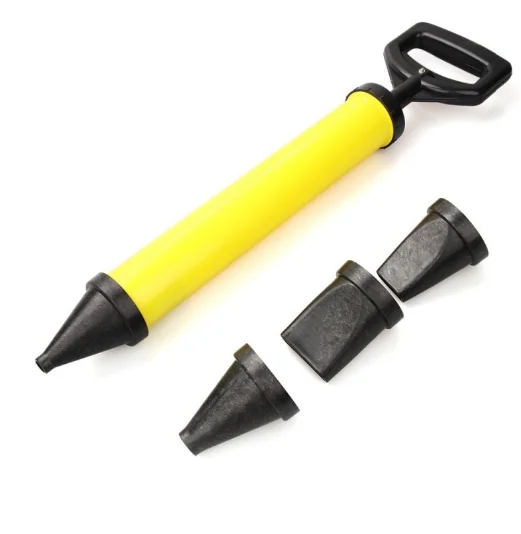
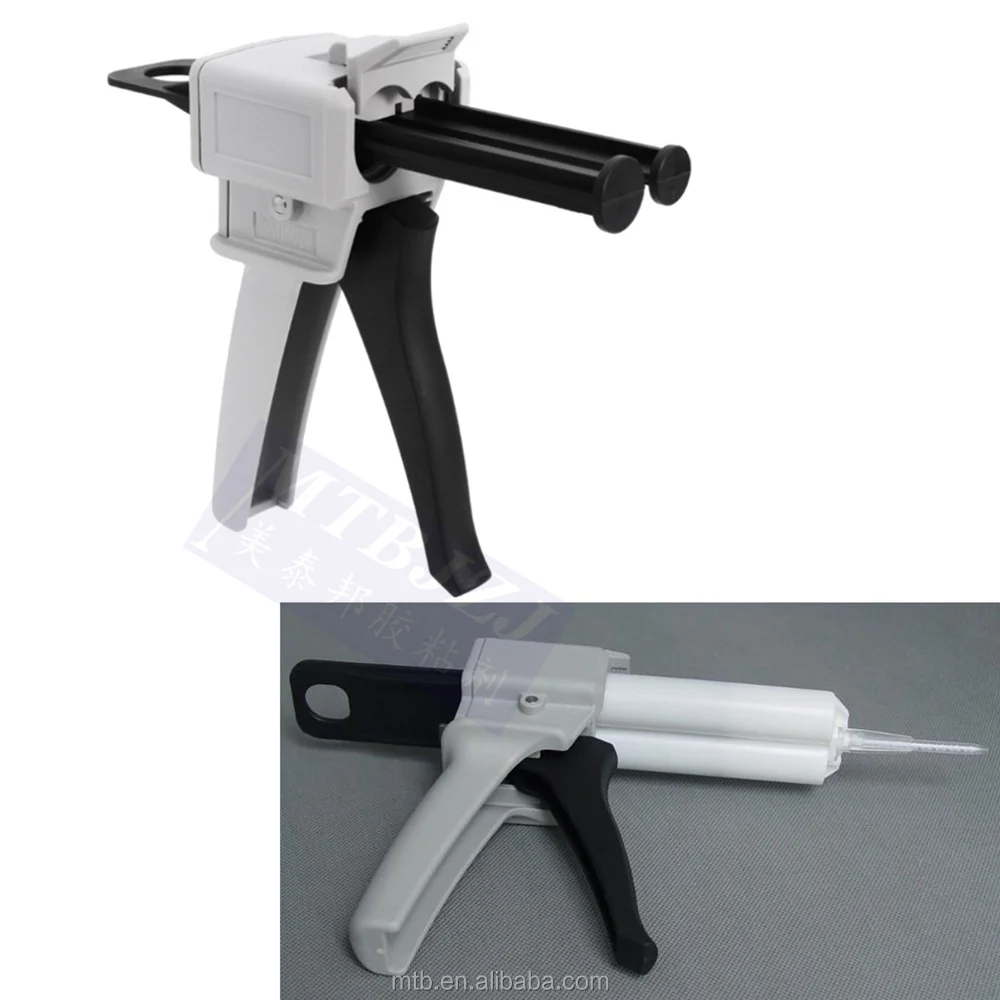
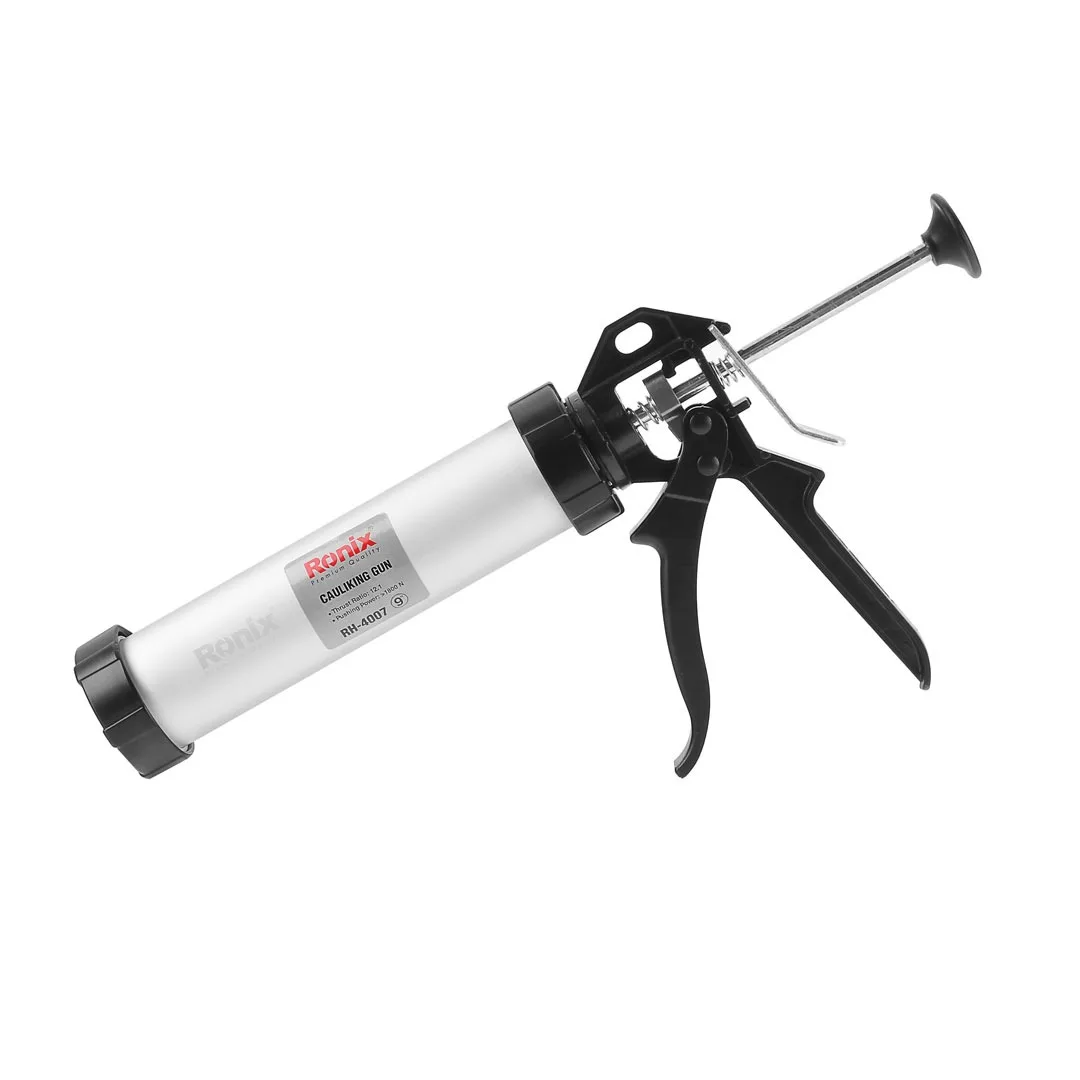
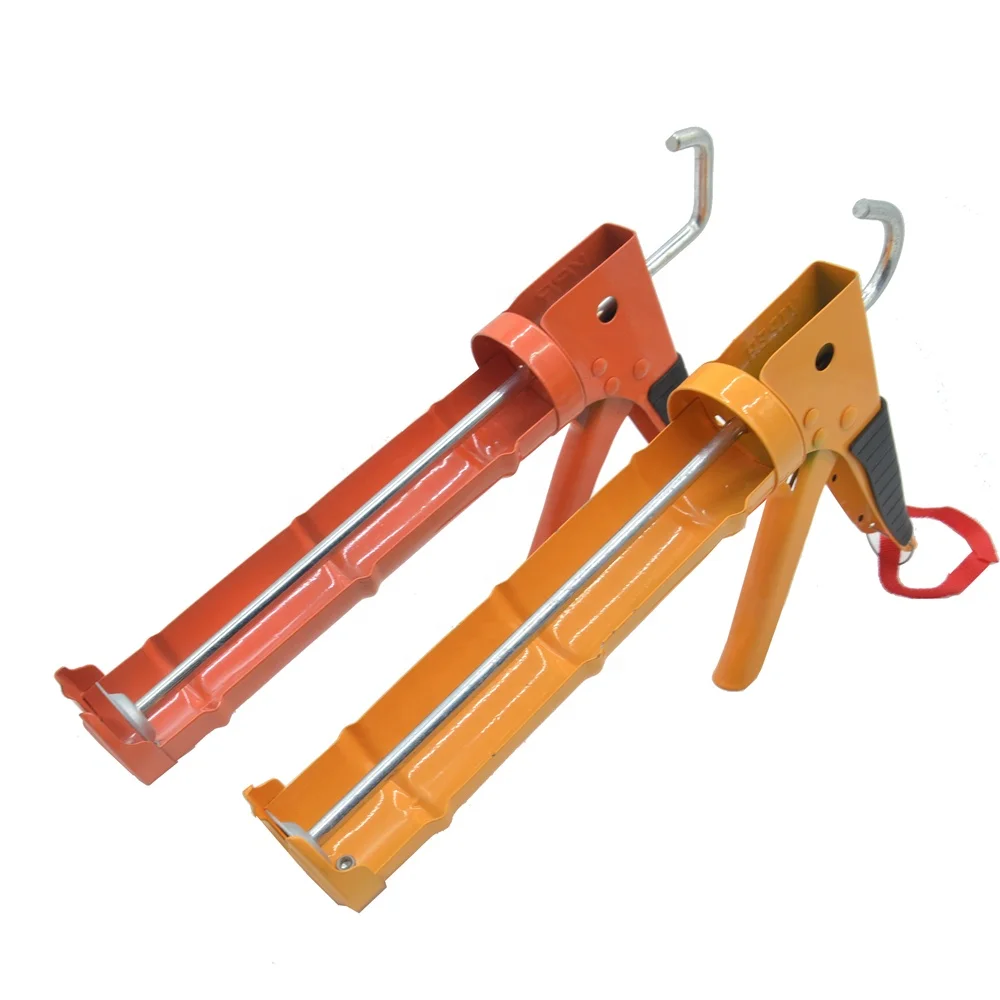
Photo of foam gun:


Новинки товаров от производителей по оптовым ценам