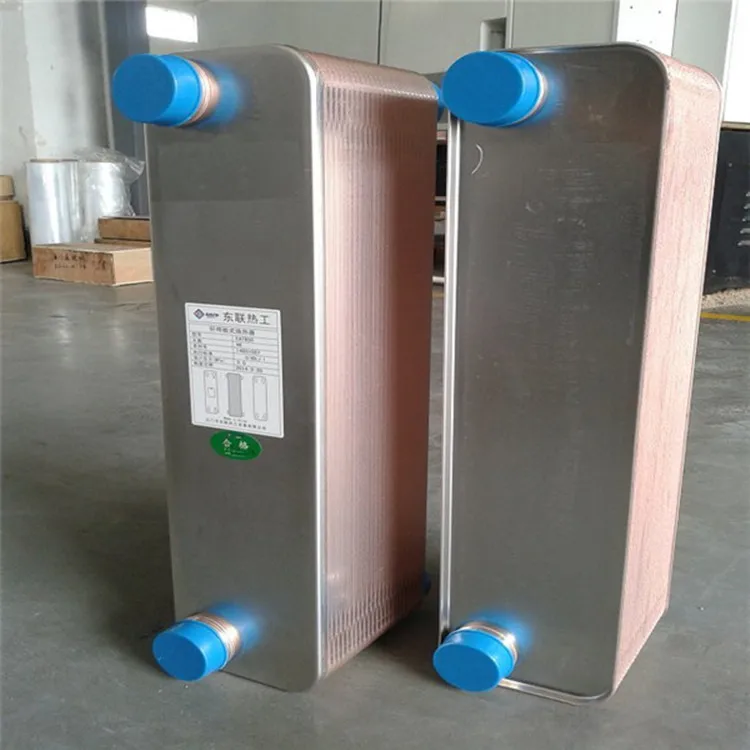
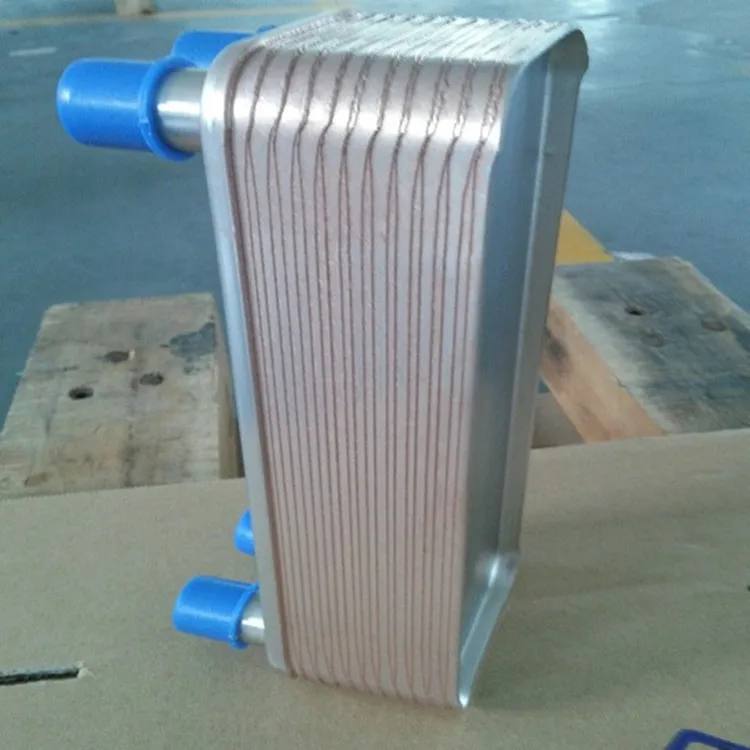
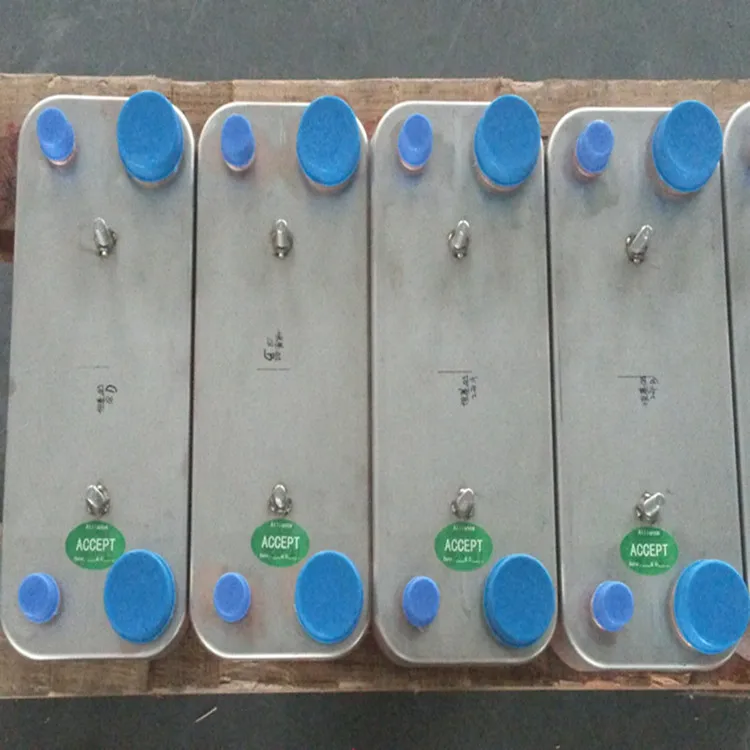
Паяные пластинчатые теплообменники
- Категория: >>>
- Поставщик: Jiangmen City East-Alliance Thermal Equipment Co. Ltd.
Сохранить в закладки 486864180:
Описание и отзывы
Характеристики
Products Description
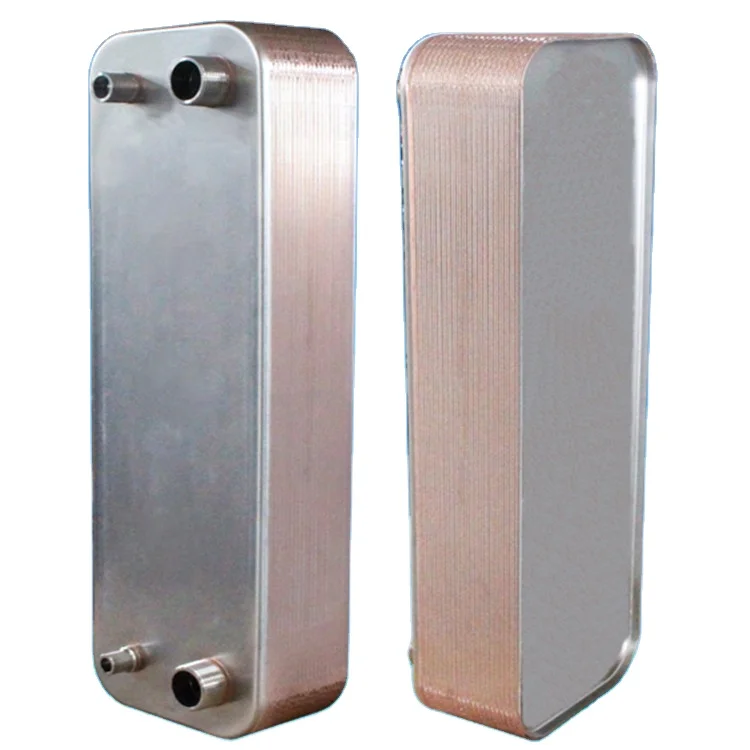
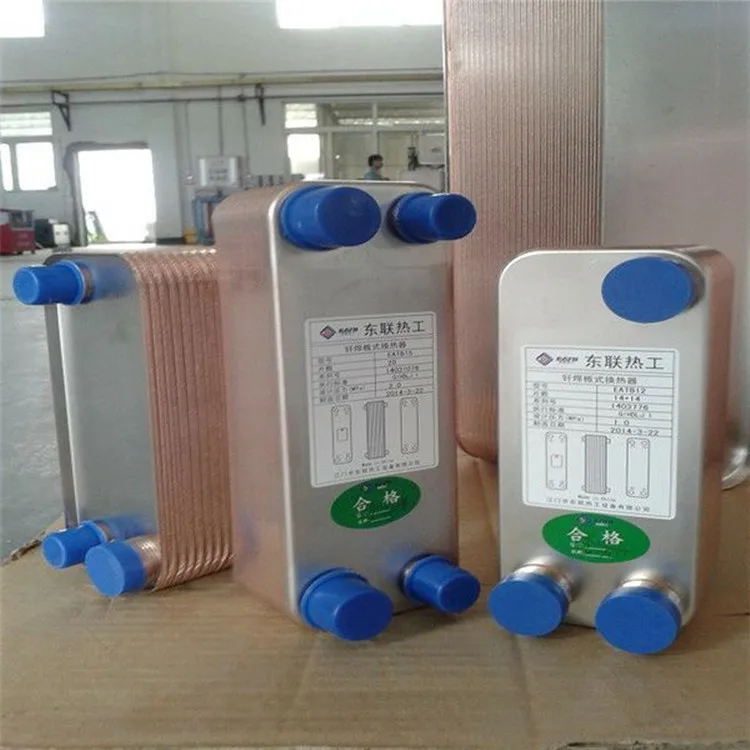
brazed plate heat exchangers | ||
SERIES | EATB12 | |
DESIGN PRESSURE(Mpa) | 3.0 OR 4.5 | |
LOWEST WORKING TEMPERATURE | —180 | |
HIGHTEST WORKING TEMPERATURE | 200 | |
SINGLE PLATE EXCHANGED AREA | 0.012 | |
LIQUID LOAD PER CHANNAL(L) | 0.016 | |
CROSS-SECTIONAL AREA PER CHANNAL | 0.000148 | |
PLATE MATERIAL | SS316L/304L | |
WELDING MATERIAL | 99.9% COPPER | |
HIGHT(mm) | 190 | |
WIDTH(mm) | 76 | |
THICKNESS(mm) | 2.22.×N(number of plates)+13 | |
WEIGHT(Kg) | 0.039×N(number of plates)+0.8 | |
Applications | 1,Used in various fluid media:all type of refrigerants(R410a,R407c,R404,R134a,R22,R23,etc),oil,water,water and glycol mixtures. 2,Used in various equipment:hot pumps,industrial water cooling machines,plastic injecting machines,welding machines,oil pressure machines,compressors(circulation oil),air conditioners,refrigerators,air dryer,water cooler,drinking thoughts,constant temperture refrigerator,heat recollection and circulation,floor heating,indoors and outdoors heating devices |

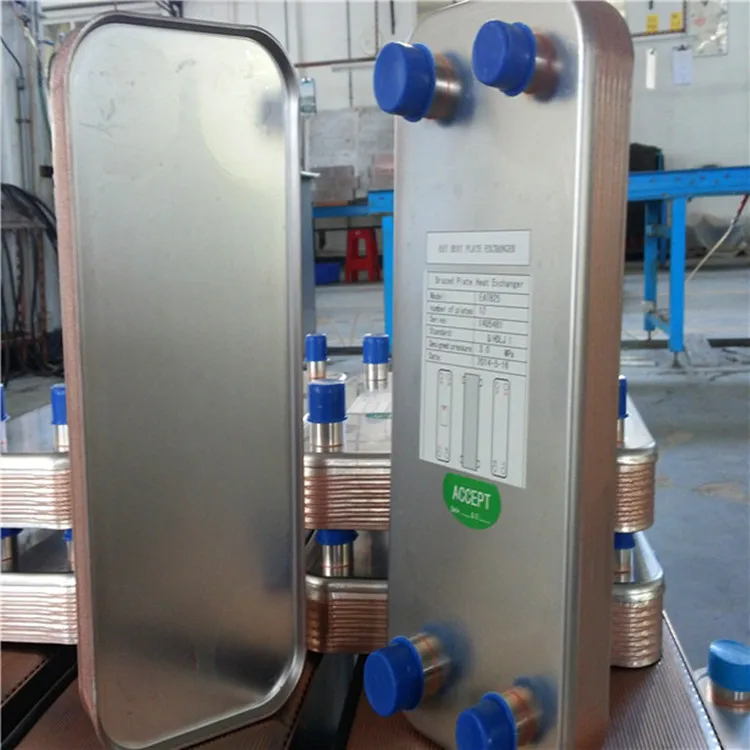
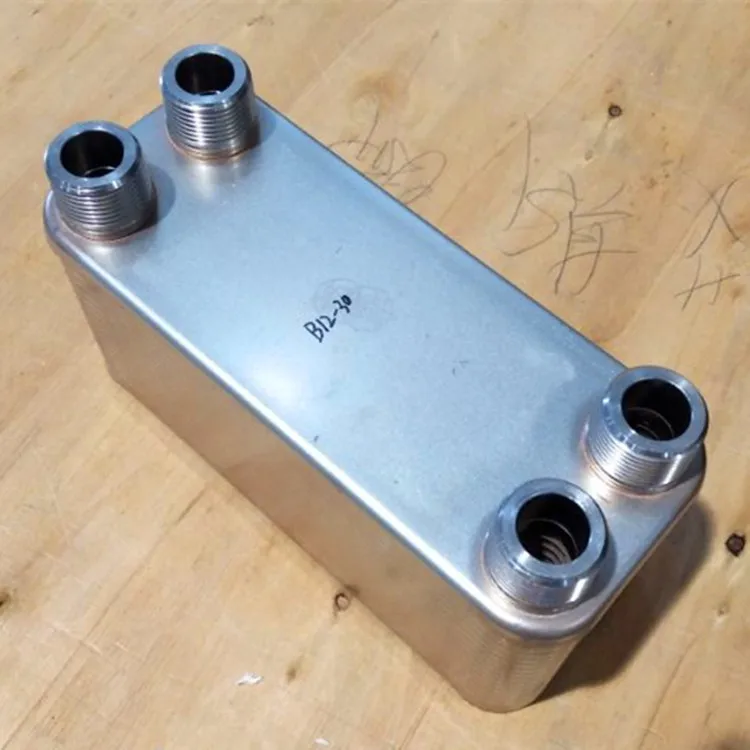
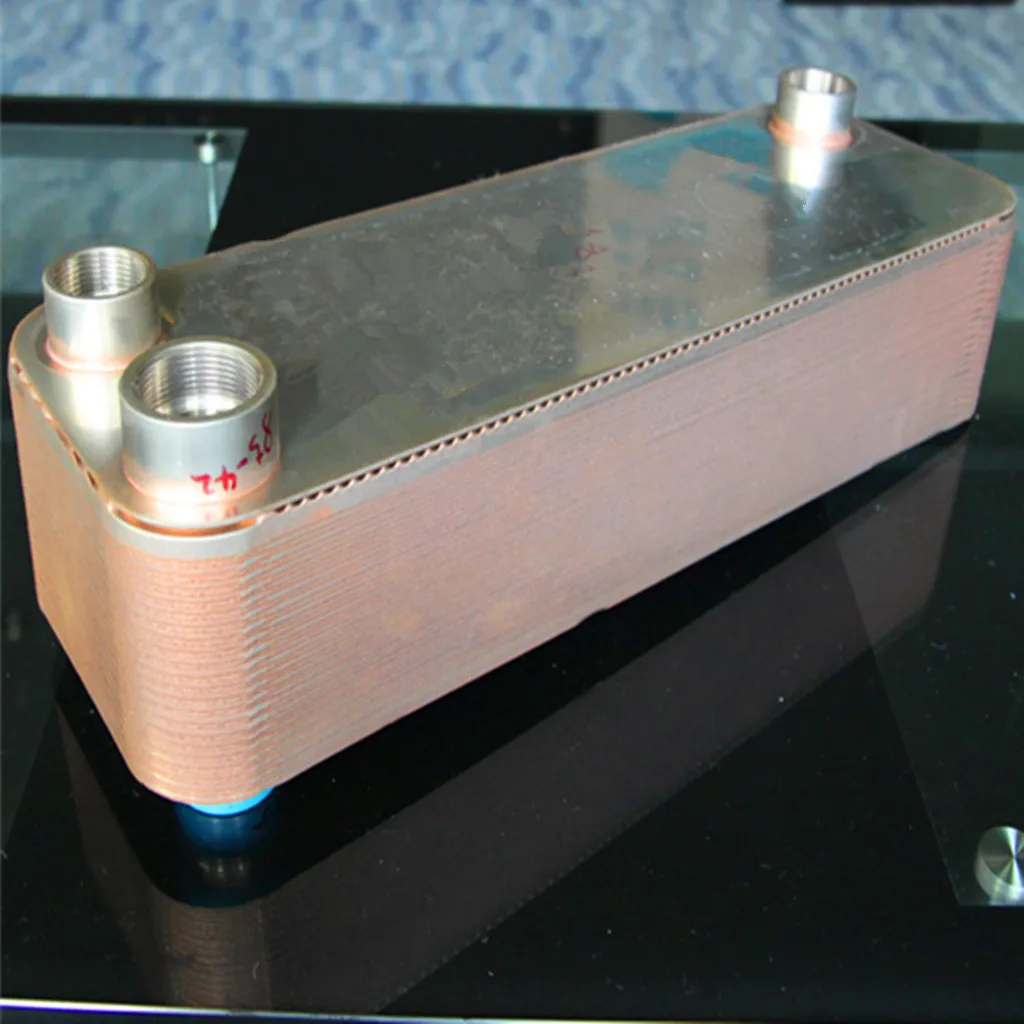
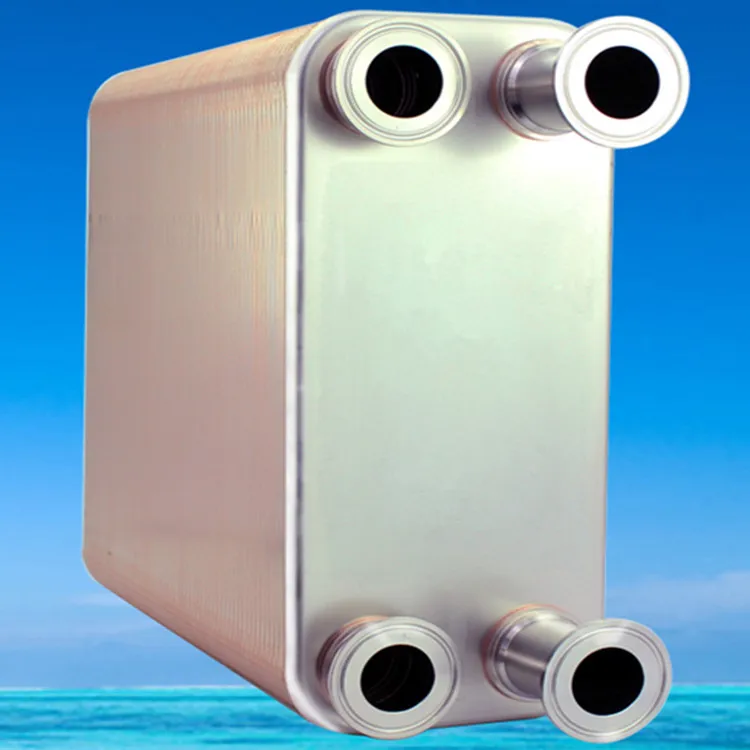
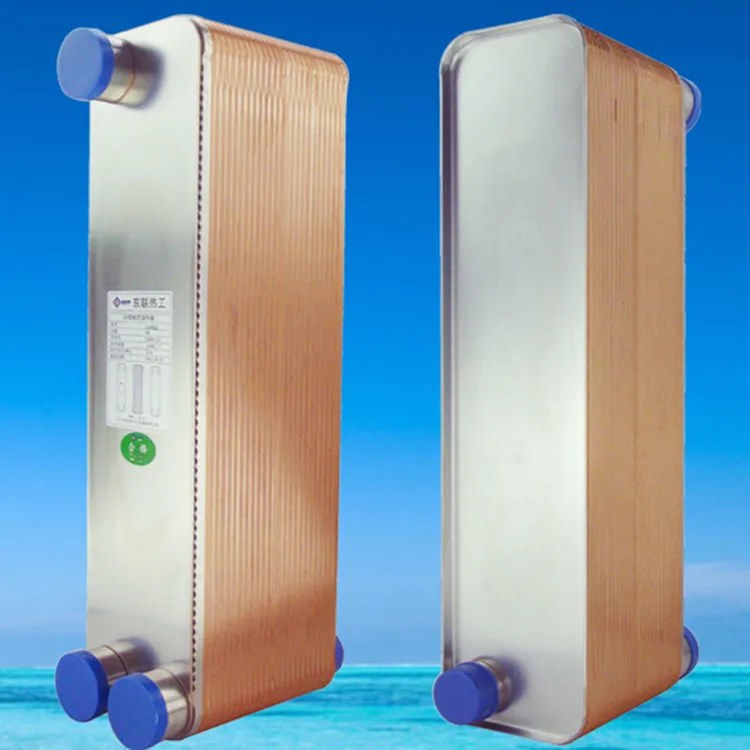
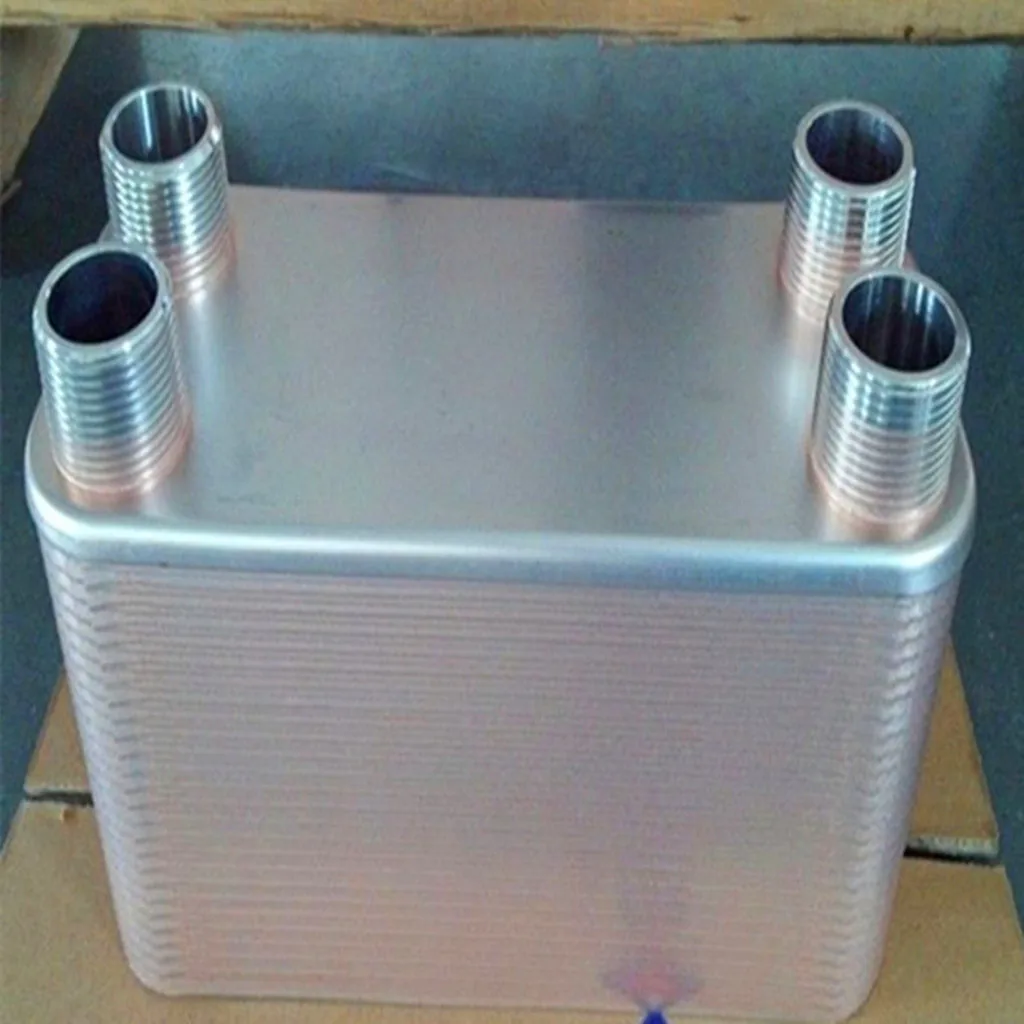
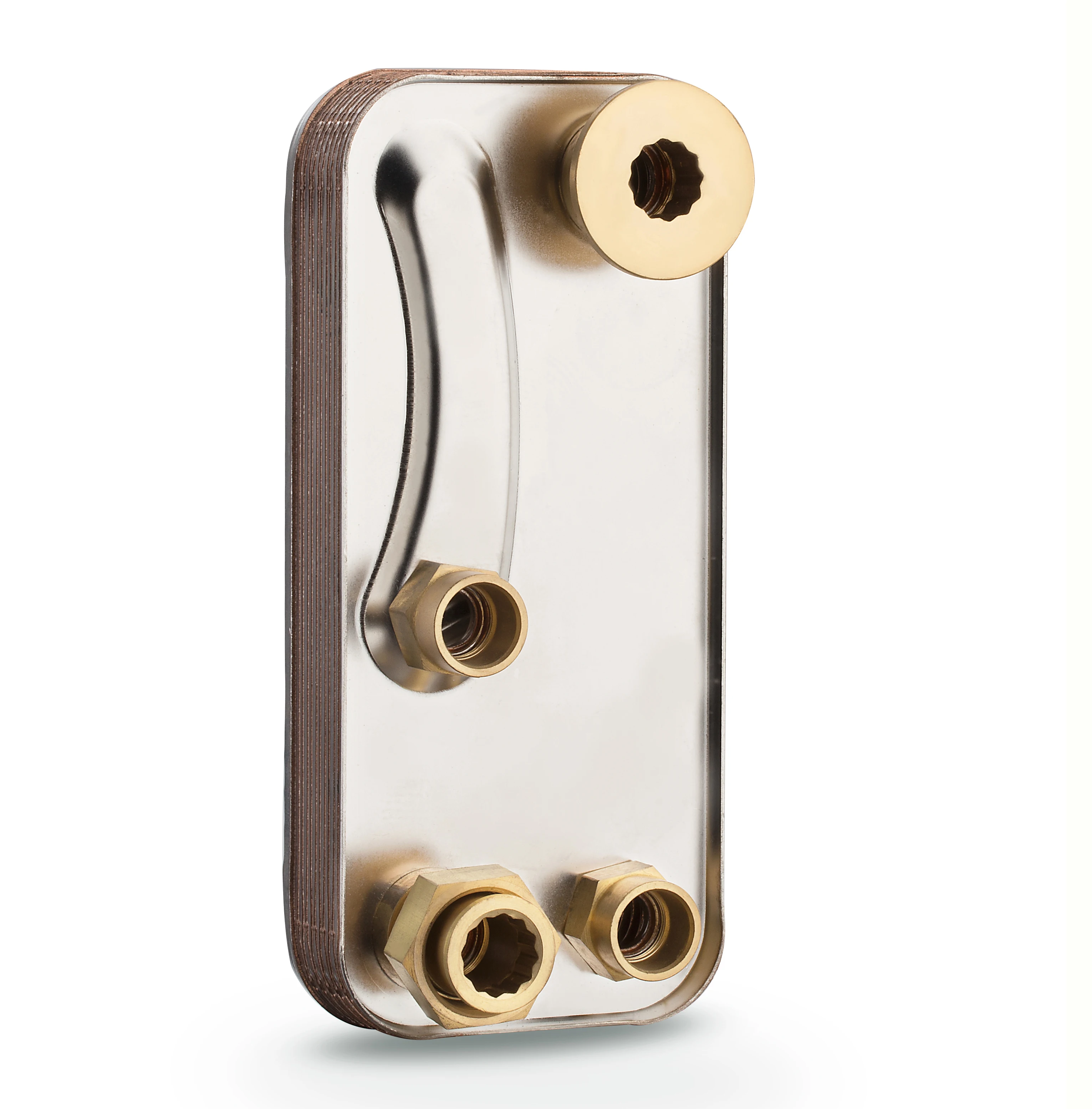
brazed plate heat exchangers consist of stainless steel plate packs, which have embossed chevron patterns. The plates are turned 180 degrees to each other, causing the plate ridges to intersect and creating a lattice of intersecting channels. Fluids can flow in counter-current and co-current way. The entire construction is nondismountable and scaled together by means of brazing in a special vacuum furnace.
Major advantage over a conventional brazed plate heat exchangers in that the fluids are exposed to a much larger surface area because the fluids spread out over the plates. This facilitates the transfer of heat, and greatly increases the speed of the temperature change. brazed plate heat exchangers are now common and very small brazed versions are used in the hot-water sections of millions of combination boilers. The high heat transfer efficiency for such a small physical size has increased the domestic hot water (DHW) flow rate of combination boilers. The small brazed plate heat exchangers has made a great impact in domestic heating and hot-water
Corrosion protection for brazed plate heat exchangers stainless steel has a high resistance to most chemicals but is sensitive to chloride ion concentration so this must be limited to 280 ppm or less(lower than 55 C),the copper used in the brazing process is mainly sensitive to strong acid and ammonia so the PH must be maintained between 6 to 8.in practical application.for example,hydrochloric acid should never be used to clean the brazed plate heat exchangers ;if brazed plate heat exchangers are applied in swimming pool heating,limit chloride ion concentration to 280 ppm in the water;what's more,in chemical,pharmacy and other industries,solutions containing strong acid like hydrochloric acid and harshorn won't be proper fluid medium.
Major advantage over a conventional brazed plate heat exchangers in that the fluids are exposed to a much larger surface area because the fluids spread out over the plates. This facilitates the transfer of heat, and greatly increases the speed of the temperature change. brazed plate heat exchangers are now common and very small brazed versions are used in the hot-water sections of millions of combination boilers. The high heat transfer efficiency for such a small physical size has increased the domestic hot water (DHW) flow rate of combination boilers. The small brazed plate heat exchangers has made a great impact in domestic heating and hot-water
Corrosion protection for brazed plate heat exchangers stainless steel has a high resistance to most chemicals but is sensitive to chloride ion concentration so this must be limited to 280 ppm or less(lower than 55 C),the copper used in the brazing process is mainly sensitive to strong acid and ammonia so the PH must be maintained between 6 to 8.in practical application.for example,hydrochloric acid should never be used to clean the brazed plate heat exchangers ;if brazed plate heat exchangers are applied in swimming pool heating,limit chloride ion concentration to 280 ppm in the water;what's more,in chemical,pharmacy and other industries,solutions containing strong acid like hydrochloric acid and harshorn won't be proper fluid medium.
Details Images
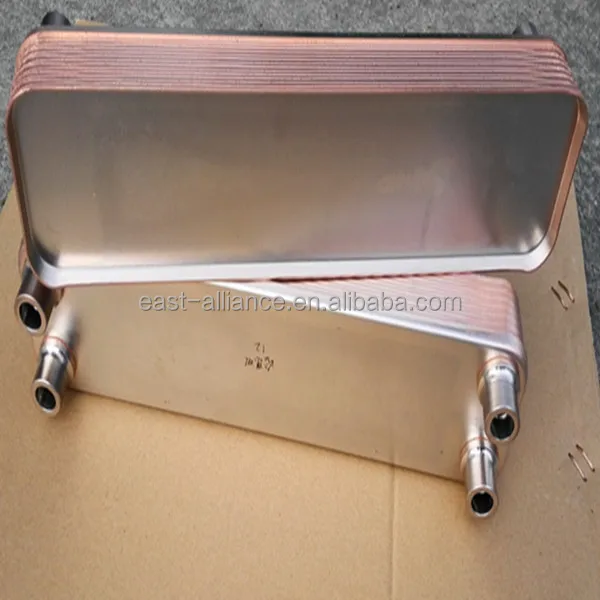


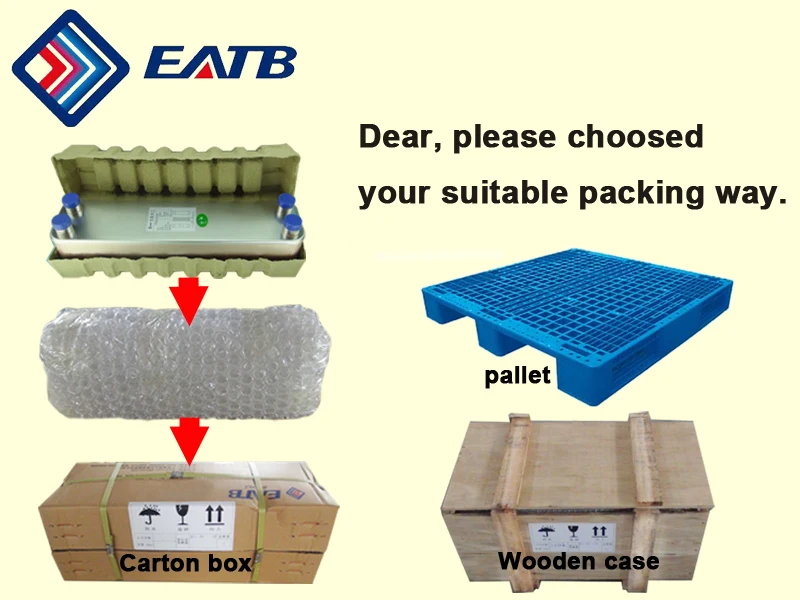
Product packaging



Company Profile

East-Alliance Thermal Equipment Co.,Ltd
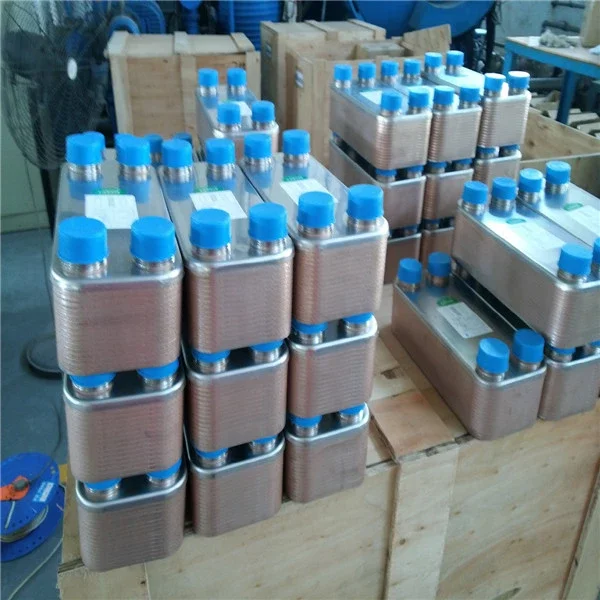
a HK-funded enterprise located in Chaoyang Industrial Zone of Jiangmen City in Guangdong Province,China,belong to Guangdong DongXu Group. The Company has been specializing in brazed plate heat exchangers manufacture and sales, which are widely applied to the
fields involved in cooling, heating, oil pressure, vessel, electric power, paper making,metallurgy.etc.
fields involved in cooling, heating, oil pressure, vessel, electric power, paper making,metallurgy.etc.


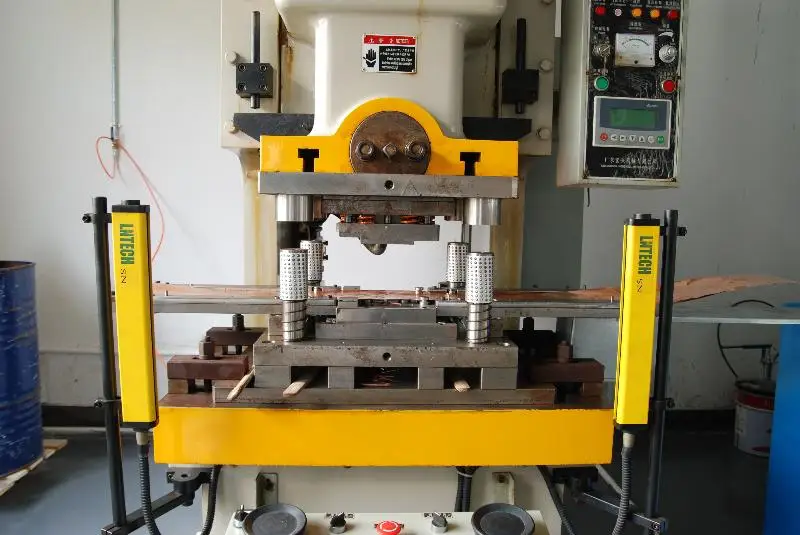
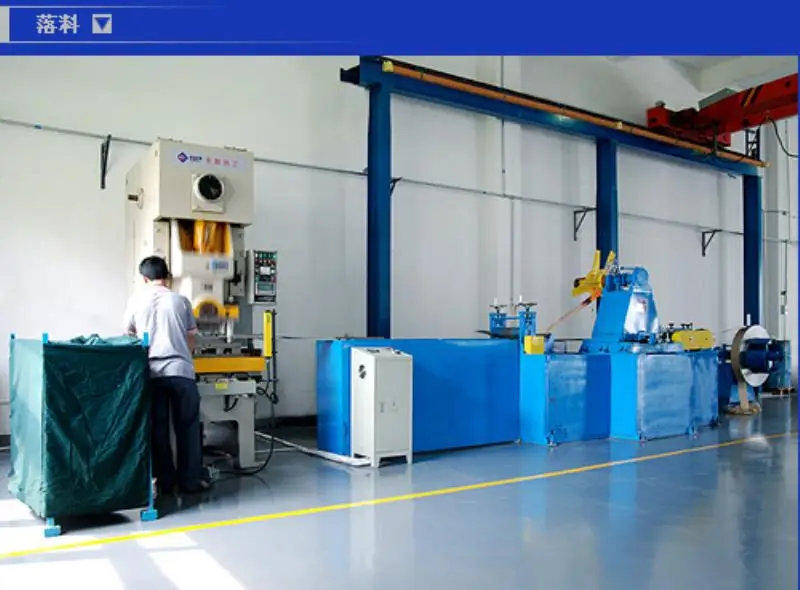
The company possesses a complete set of professional production and detection equipment such as the stamping equipment, the vacuum
brazing furnace and the high-vacuum helium leak detector, etc. Our mold design and development as well as the plate exchanger
technology and application had achieved an international leading level.
As a Guangdong Province private technology enterprises,the products have complete independent intellectual property
rights,Obtained many the national invention patents , obtained the national technological innovation fund specialized to science
and technology enterprises.It has been manufacturing high quality products with imported stainless steel by the most advanced
vacuum welding furnace ensuring the first grade quality.
brazing furnace and the high-vacuum helium leak detector, etc. Our mold design and development as well as the plate exchanger
technology and application had achieved an international leading level.
As a Guangdong Province private technology enterprises,the products have complete independent intellectual property
rights,Obtained many the national invention patents , obtained the national technological innovation fund specialized to science
and technology enterprises.It has been manufacturing high quality products with imported stainless steel by the most advanced
vacuum welding furnace ensuring the first grade quality.
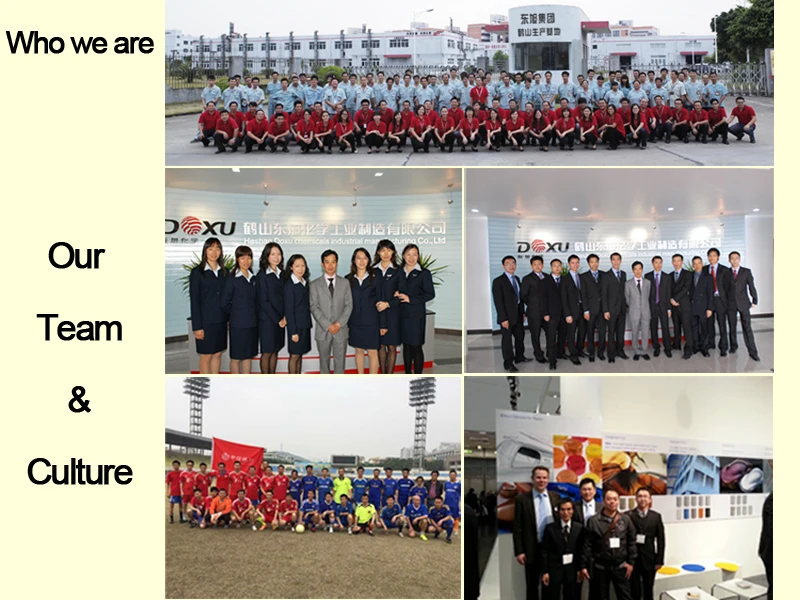
Enterprise Culture
Serve the society and the public; respect team member and rely on the team; work together for common glory; develop together and share together.
Manufacturing Technique

We has been constantly carrying out the Quality Management System Standard of ISO9001:2000 and had passed the PED/CE and Rosh
Certification to export to EU,by means of our high quality and elaborate products together with our professional and fast
service,we are dedicated to satisfying the needs of all our clients worldwide
Certification to export to EU,by means of our high quality and elaborate products together with our professional and fast
service,we are dedicated to satisfying the needs of all our clients worldwide


Certifications


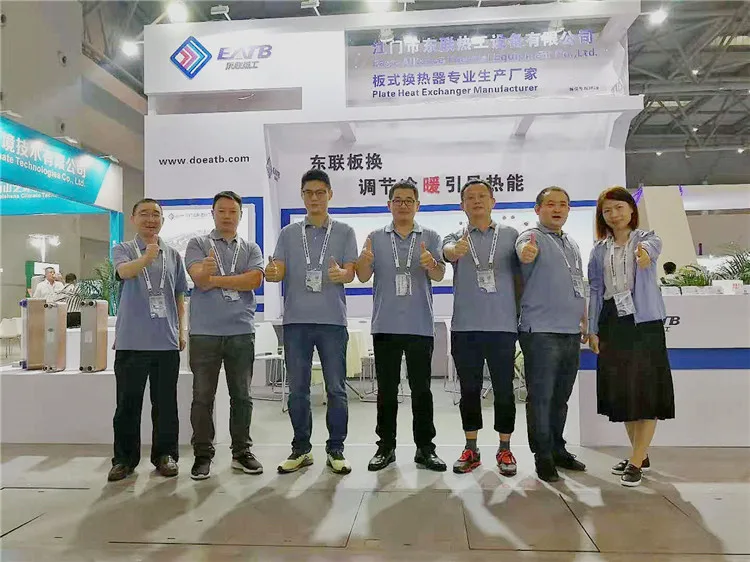
Exhibition



FAQ
Q1. Where can I use EATB HE?
A1. EATB HE are suitable for almost any refrigerant-to-liquid or liquid–to-liquid application but without corrosive media, such as
ammonia or seawater. Please see §6
Q2. Can I turn the unit around?
A2. Yes, all the EATB HEs are possible for all applications.
Q3. Can I use a EATB HE in swimming pool application?
A3. Yes. It is important to add the chloride after EATB HE, to avoid the risk of an unbalanced lever of chloride in the water
passing through EATB HE. Nevertheless a stronger chloride will react with the copper, which is obviously not good for EATB HE
unit.
Q4. Can I use a EATB HE in a steam application?
A4. Yes. We strongly recommend to respect the four aspects:
l A free exit on the condense side avoids possible shocks
l Steam inlet has to be at the “marked side” on the upper connection. The “marked side” has once channel less and the steam will
therefore be surrounded by the liquid side.
l Avoid formation of steam bubbles by adjusting the pressure on the secondary side correctly.
l Avoid temperature differences over 50℃ in the start up procedure. When EATB HE is in operation the temperature difference can be
increased.
Q5. If the EATB HE was dropped on the floor or got other physically damaged, how can I be sure it is still OK?
A5. To be 100% sure you have to determine the same test as East-Alliance does to verify the right quality of the unit, see §2.4.
Q6. When we tested the unit it is no longer tight. Can we solder the unit on the outside and make it tight?
A6. Alliance does not recommend repair soldering. If the customer, nevertheless, wants to try to repair the unit, a silver
soldering of 45% should be used. Obviously there is no guarantee for a good result.
Q7. Can I use de-ionised water in the EATB HE?
A7. It is no problem for EATB HE itself to use de-ionised water. There might be a problem though, with the application, as the
copper will react with the de-ionised water.
Q8. Won’t the smaller passages in a EATB HE foul up easily?
A8. No, EATB HE is less prone to fouling than tubular type heat exchangers. Fouling occurs when there is low fluid velocity
(laminar flow) and uneven distribution of flow among the passages. The unique design of a EATB HE allows the heat exchanger to
operate at extremely low velocities while maintaining turbulent flow. Furthermore, the internal design assures a well distributed
flow over the heat transfer surface.
A1. EATB HE are suitable for almost any refrigerant-to-liquid or liquid–to-liquid application but without corrosive media, such as
ammonia or seawater. Please see §6
Q2. Can I turn the unit around?
A2. Yes, all the EATB HEs are possible for all applications.
Q3. Can I use a EATB HE in swimming pool application?
A3. Yes. It is important to add the chloride after EATB HE, to avoid the risk of an unbalanced lever of chloride in the water
passing through EATB HE. Nevertheless a stronger chloride will react with the copper, which is obviously not good for EATB HE
unit.
Q4. Can I use a EATB HE in a steam application?
A4. Yes. We strongly recommend to respect the four aspects:
l A free exit on the condense side avoids possible shocks
l Steam inlet has to be at the “marked side” on the upper connection. The “marked side” has once channel less and the steam will
therefore be surrounded by the liquid side.
l Avoid formation of steam bubbles by adjusting the pressure on the secondary side correctly.
l Avoid temperature differences over 50℃ in the start up procedure. When EATB HE is in operation the temperature difference can be
increased.
Q5. If the EATB HE was dropped on the floor or got other physically damaged, how can I be sure it is still OK?
A5. To be 100% sure you have to determine the same test as East-Alliance does to verify the right quality of the unit, see §2.4.
Q6. When we tested the unit it is no longer tight. Can we solder the unit on the outside and make it tight?
A6. Alliance does not recommend repair soldering. If the customer, nevertheless, wants to try to repair the unit, a silver
soldering of 45% should be used. Obviously there is no guarantee for a good result.
Q7. Can I use de-ionised water in the EATB HE?
A7. It is no problem for EATB HE itself to use de-ionised water. There might be a problem though, with the application, as the
copper will react with the de-ionised water.
Q8. Won’t the smaller passages in a EATB HE foul up easily?
A8. No, EATB HE is less prone to fouling than tubular type heat exchangers. Fouling occurs when there is low fluid velocity
(laminar flow) and uneven distribution of flow among the passages. The unique design of a EATB HE allows the heat exchanger to
operate at extremely low velocities while maintaining turbulent flow. Furthermore, the internal design assures a well distributed
flow over the heat transfer surface.
Похожие товары
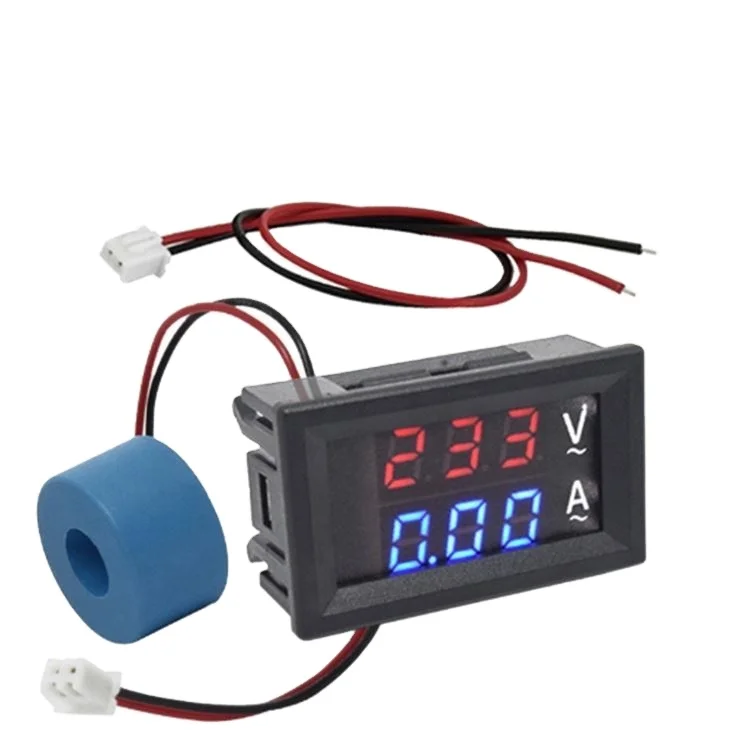
Цифровой ЖК-вольтметр амперметр 0,56 дюйма AC 60-500 в 10A 50A 220 В измеритель напряжения тока тестер детектор трансформатор тока
Паяный пластинчатый теплообменник ZILMET
16,99 $ - 24,99 $
Светодиодный драйвер постоянного тока для внешний источник питания 220v 1400ma с цифровым адресным интерфейсом светодиодный трансформатор
34,47 $ - 36,09 $
Профессиональный автоматический промышленный коммерческий двухвальный миксер
Водонепроницаемый трансформатор для светодиодного модуля, 150 Вт, 24 В, 12 В, 36 В, 48 В, 220 В
5,60 $ - 6,00 $
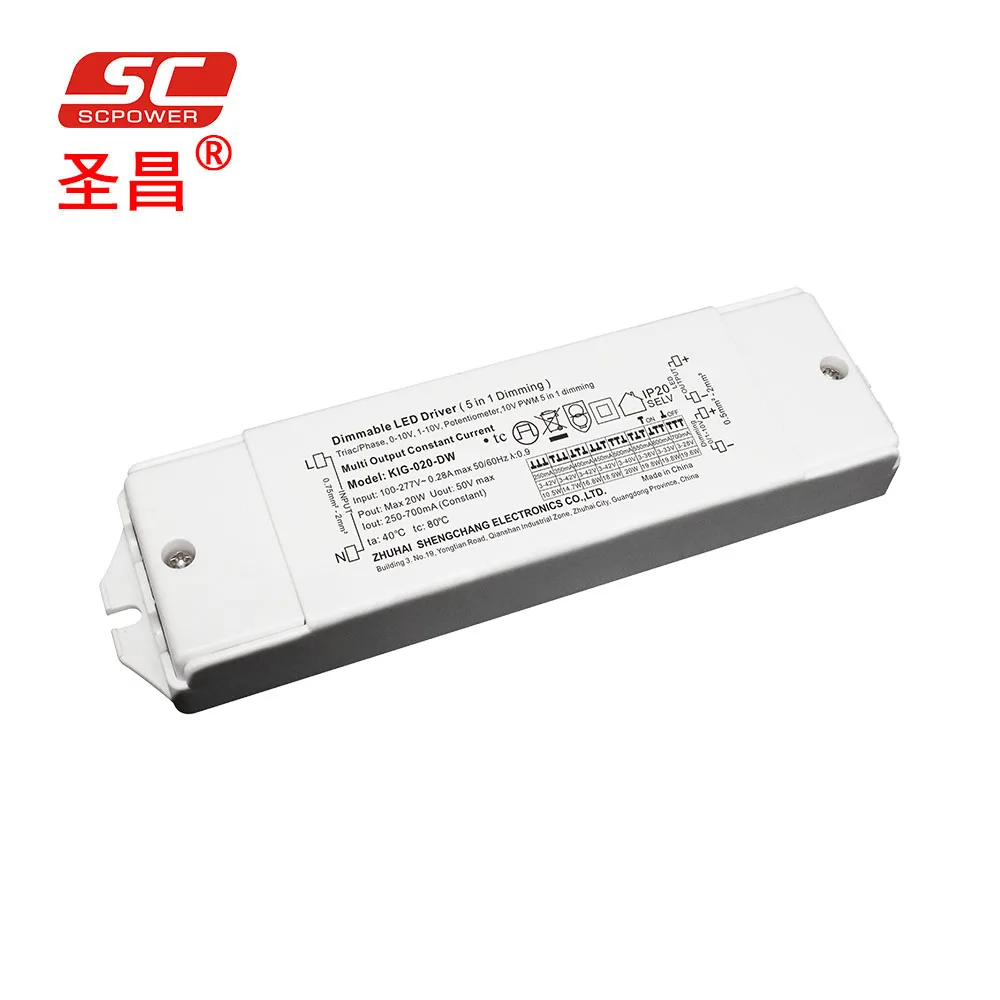
Светодиодный трансформатор постоянного тока 3 В до 42 в, 600 мА, 700 мА, triac 010 в, светодиодный драйвер с регулировкой яркости 20 Вт
10,95 $
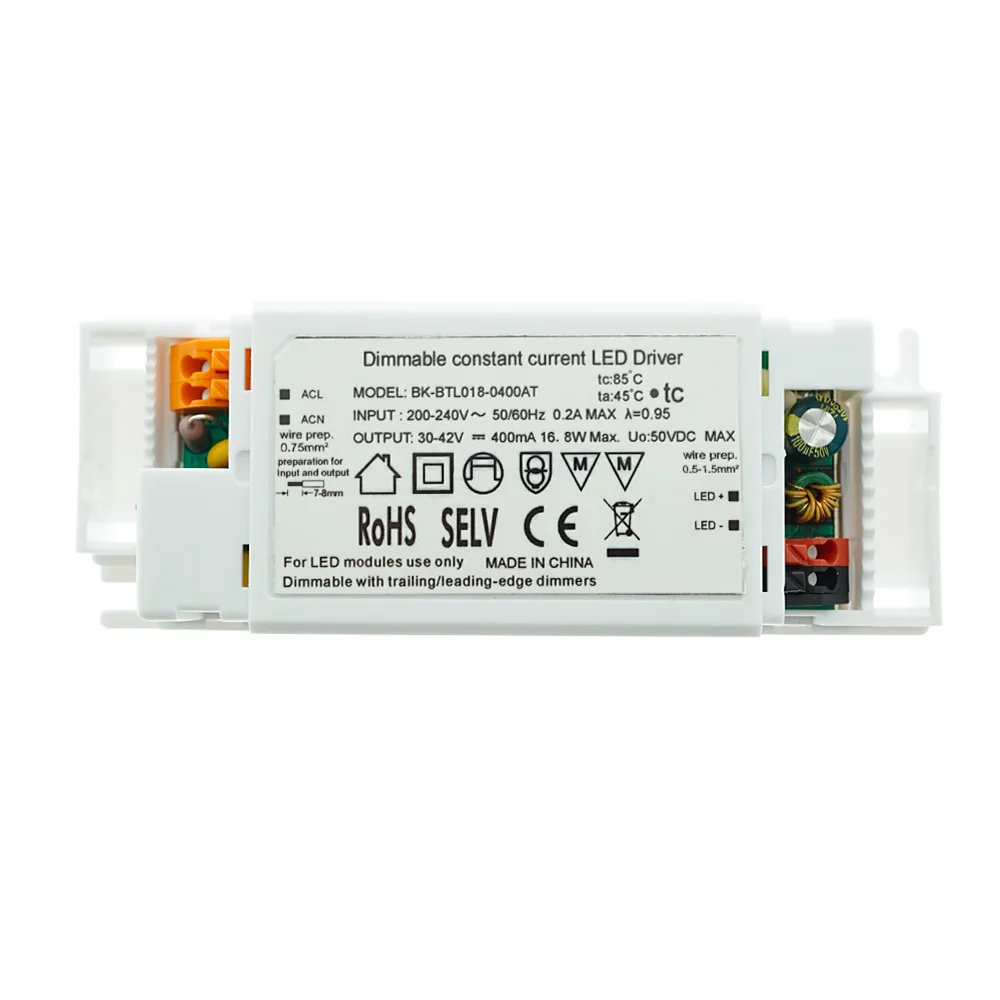
Светодиодный драйвер постоянного тока с регулируемой яркостью, 18 Вт
Новые поступления
Новинки товаров от производителей по оптовым ценам
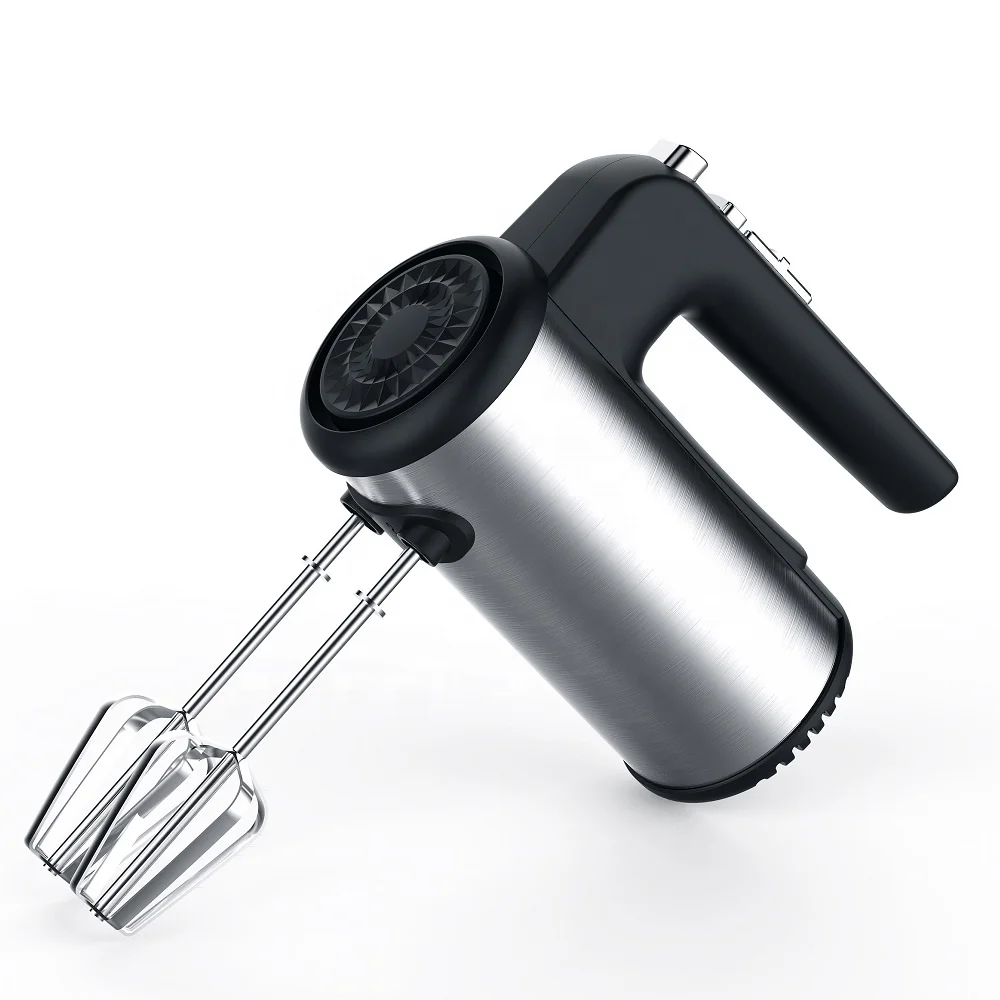
300 Вт безопасный для посудомоечной машины 5-скоростной турбо с крючками для теста, венчик, электрический ручной миксер
571,11-666,30 ₽
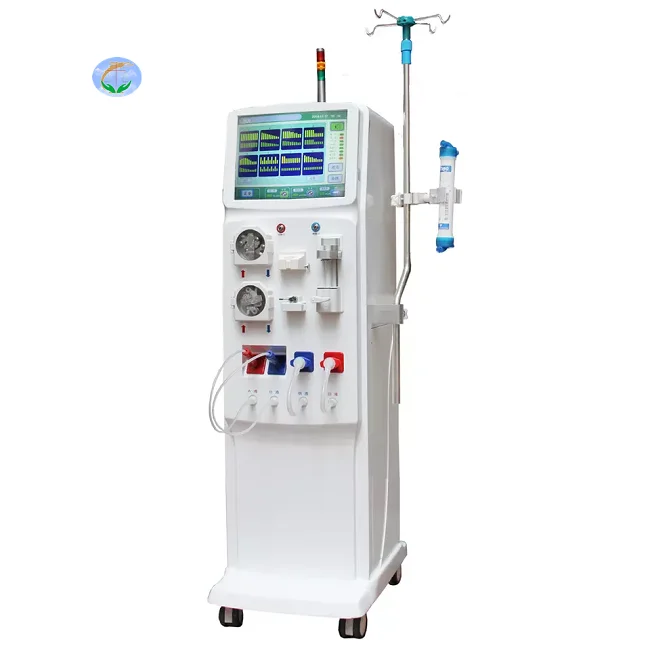
Медицинский портативный прибор для гемодиализа катетер и кровообращения диализа почек ухода за здоровьем
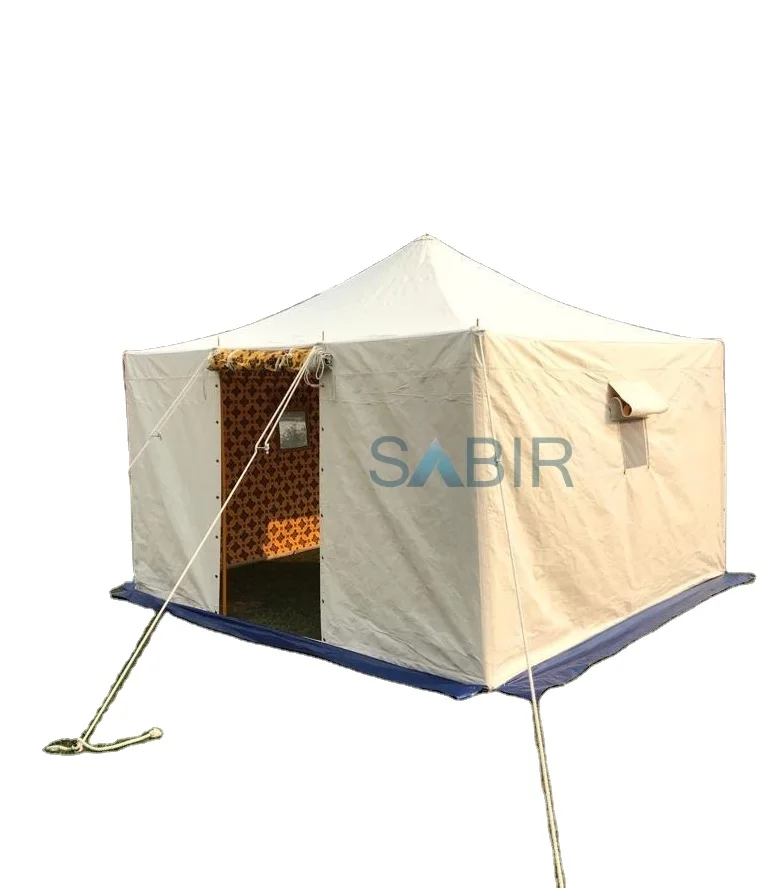
Многофункциональная роскошная водонепроницаемая палатка из брезента для кемпинга однокомнатная всесезонная с настраиваемым размером новый стиль рынка Ближнего Востока
45 688,76-56 159,10 ₽
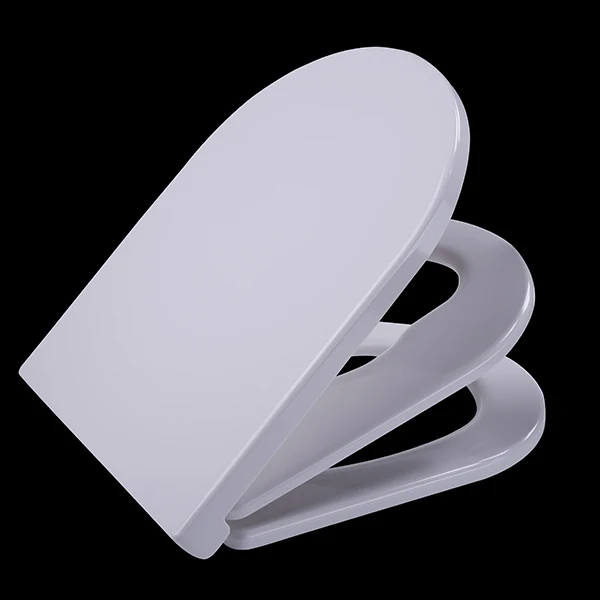
Санитарно-гигиеническое сиденье для
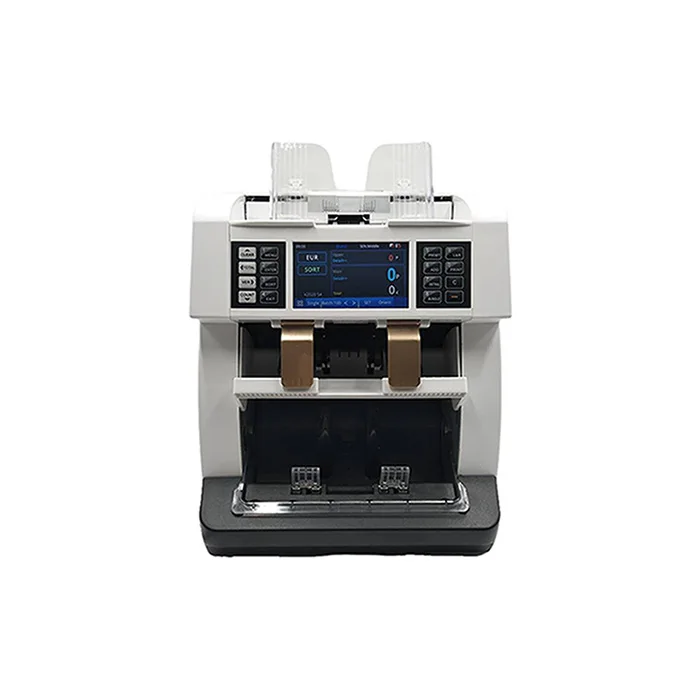
Счетчик купюр с низким уровнем шума на тонкопленочных транзисторах, автоматическое определение разных валют, 4,2 дюйма
50 448-52 351,70 ₽

Ожерелье из нержавеющей стали изящное ожерелье с чакрами на заказ модное позолоченное ювелирное изделие водонепроницаемой подвеской без
121,84-217,03 ₽
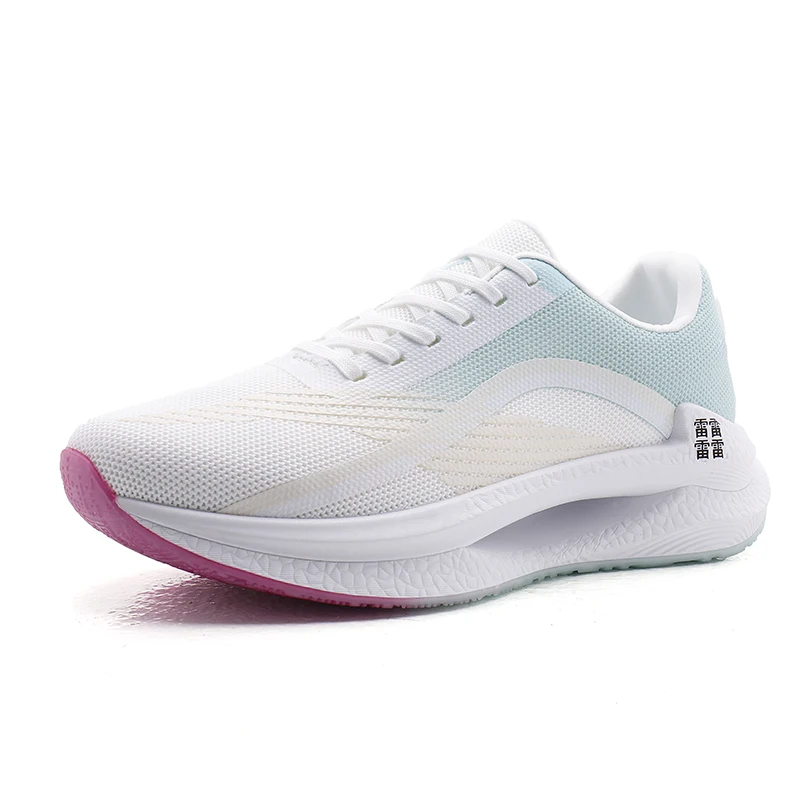
Мужские спортивные кроссовки с логотипом
856,67-999,45 ₽
OEM ODM, настоящее изобретение, персонализированный прямой автоматический открытый пользовательский логотип, рекламный зонт для гольфа с логотипом для отелей
842,39-938,53 ₽