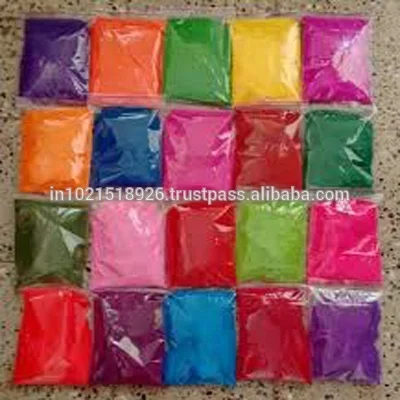
Цветной порошок пигментный самый популярный голографический косметический цветной
- Категория: >>>
- Поставщик: GLOBAL EXPORT
Сохранить в закладки 50039388026:
Описание и отзывы
Характеристики
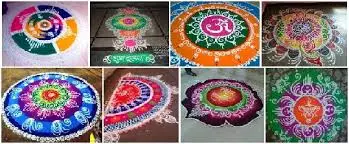
A brief list of the rangoli materials used in the modern day is as follows:
• Rangoli colours: These are readily available in the market.
• Marble dust: This gives a good result, but becomes very heavy to carry in bulk.
• Saw dust: Sawdust is easier to handle and spread. It even floats on water.
• Rice: This is used as it is or ground for fine texture. Grains of rice can be used by themselves or they can be coloured using food colours.
• Coloured Suzi/rawa: These grains are harder than saw dust and easy to spread, but they do not mix too well with colours.
• Petals: Rose petals, marigold petals, small purple flowers, finely cut grass, leaves
PLEASE VISIT OUR WEBSITE
www.thecolourpowder.com
like methi leaves etc can be used to fill up large designs. Strings of marigold, strings of kanakambara(orange coloured slim delicate flowers available in South India), jasmine etc also are used to outline the rangolis.
• Pulses: Different shaped and coloured pulses are used to fill up large rangoli designs. They lend a texture to the patterns.
• Fabric or poster colour mixed with chalk powder: Small quantity of colour is mixed with chalk powder and applied with a brush on the floor. This looks like a painting on the floor ….not a traditional form of rangoli, but it has an advantage over the traditional format as it is very easy to create and lasts relatively longer.
• Coloured stones: These are used only for big and abstract rangolis as finesse is not possible with such materials. Also, they are neatly arranged in the patterns rather than spread by hand.
Materials used during special occasions in rangolis:
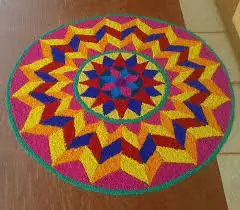
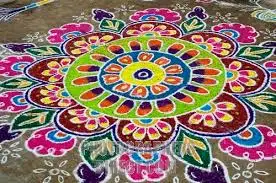
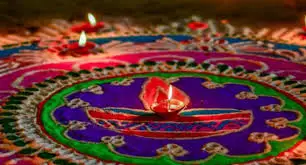
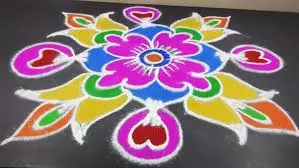
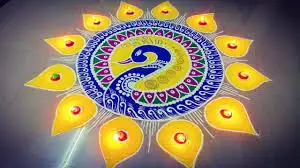
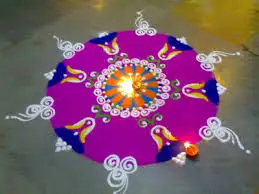
Rangoli also has a religious significance, enhancing the beauty of the surroundings and spreading joy and happiness all around. In Indian cultures, all guests and visitors occupy a very special place, and a rangoli is an expression of this warm hospitality. In particular, the Diwali festival is widely celebrated with rangoli, since at this time people visit each other's homes to exchange greetings and sweets. Festivals like the Onam and Diwali are Indian religious events where the Rangoli designs are used professionally.
Rangoli coloured powder is usually used directly for fancy decorations, but for detailed work, generally the material is a coarse grained powder base into which colours are mixed. The base is chosen to be coarse so that it can be gripped well and sprinkled with good control. The base can be sand, marble dust, saw dust, brick dust or other materials.
The colours generally are very fine pigment powders like gulal/aabir available for the Holi festival or colours (mentioned above) specially sold for rangoli in South India. Powder colours can be simply mixed into the base.
People across the country have learnt to experiment and mix and match materials as the creative minds that make these rangolis are looking for innovative and modern answers. These materials are also coloured as per the need.
Avaialble in 20 colours.
Packing : 50g, 75g and 100grams packs




PLEASE VISIT OUR WEBSITE
www.thecolourpowder.com
Похожие товары
Кастратор Burdizzo 9 дюймов
Лямбда-зонд CC система нагревания табака устройство 3200 мАч с OLED дисплеем, оригинальные, фабричные, по цене производителя, совместимая с iqosticks его палочки
25,20 $ - 27,00 $
Сюр Рон горный e-велосипед электрический велосипед сильной мощностью 72V
1 770,00 $ - 1 790,00 $
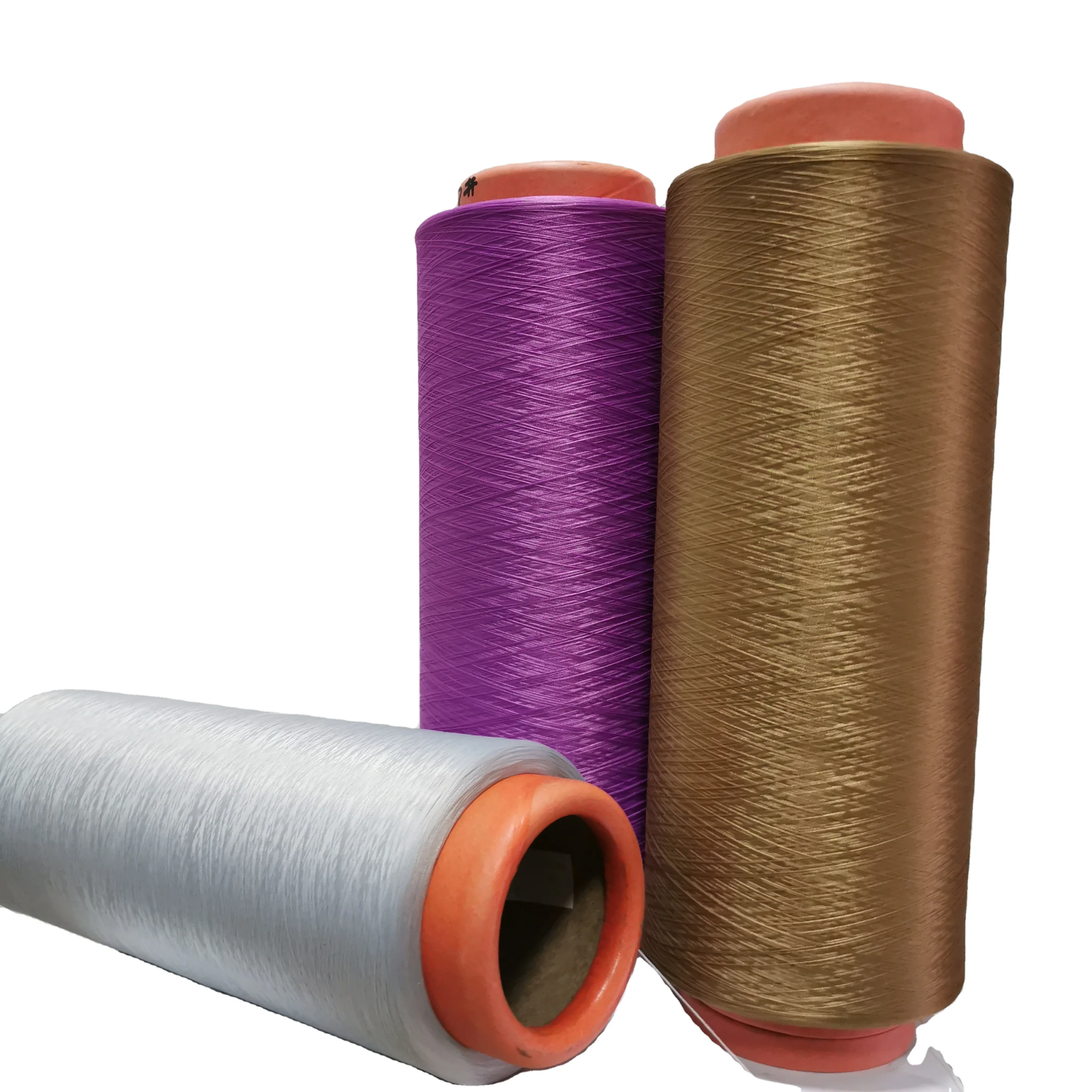
Cool yarn coolmax DTY75D/144F purple color anti UV polyester dope dyeing yarn high color fastness for T shirt fabric
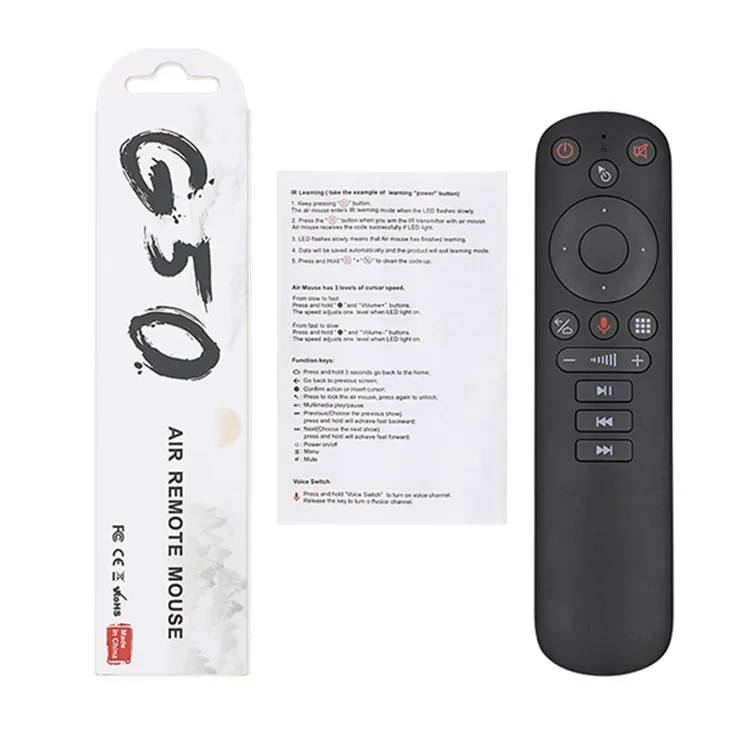
G50S голосового дистанционного управления Встроенный hi-fi стерео голос микрофон 3-уровневая Регулируемая скорость мыши при обнаружении движения для играть в игры
5,50 $ - 8,50 $
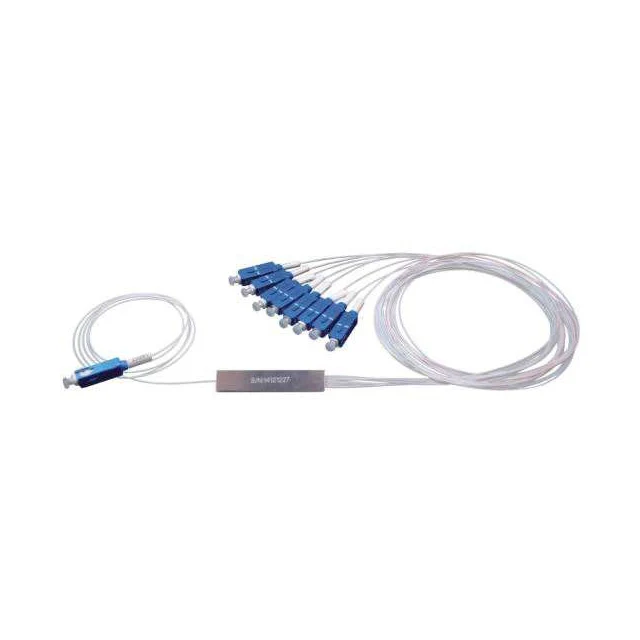
Оптоволоконный распределитель GPON EPON FTTH 1x2 1x4 1x16 1x32 SC PLC 900um Mini 1x8 PLC разделитель
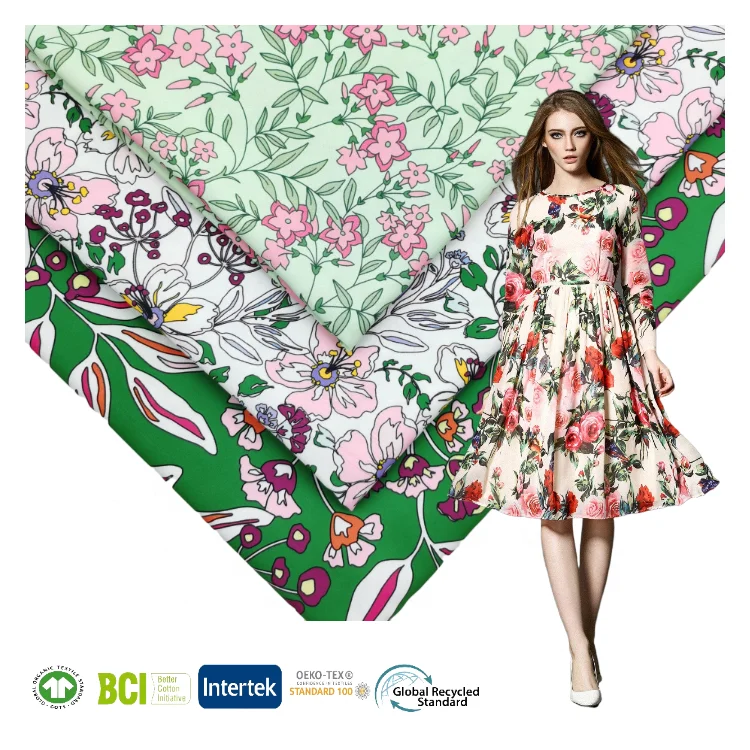
Изготовленная на заказ цифровая печать 95% полиэстер 5% эластан 4-сторонняя стрейч полиэстер спандекс ткань с принтом
2,40 $ - 4,80 $
Новые поступления
Новинки товаров от производителей по оптовым ценам
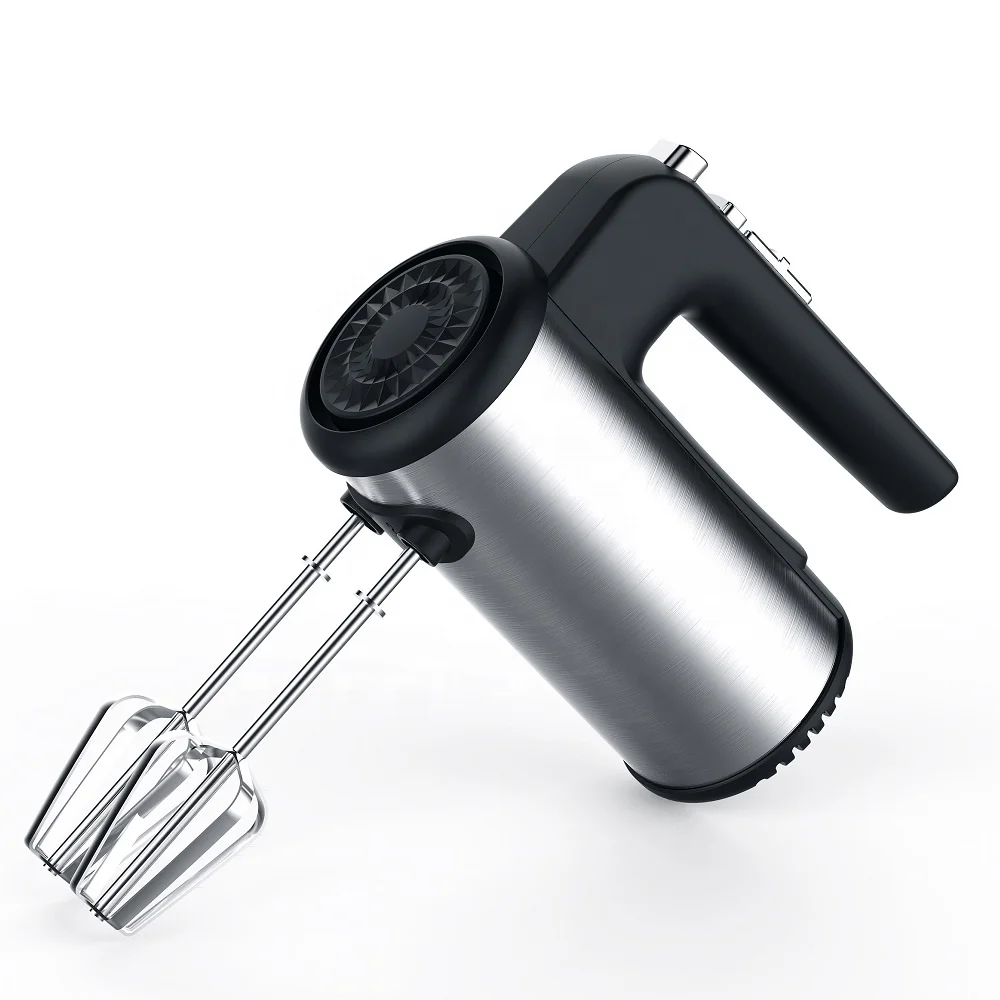
300 Вт безопасный для посудомоечной машины 5-скоростной турбо с крючками для теста, венчик, электрический ручной миксер
571,11-666,30 ₽
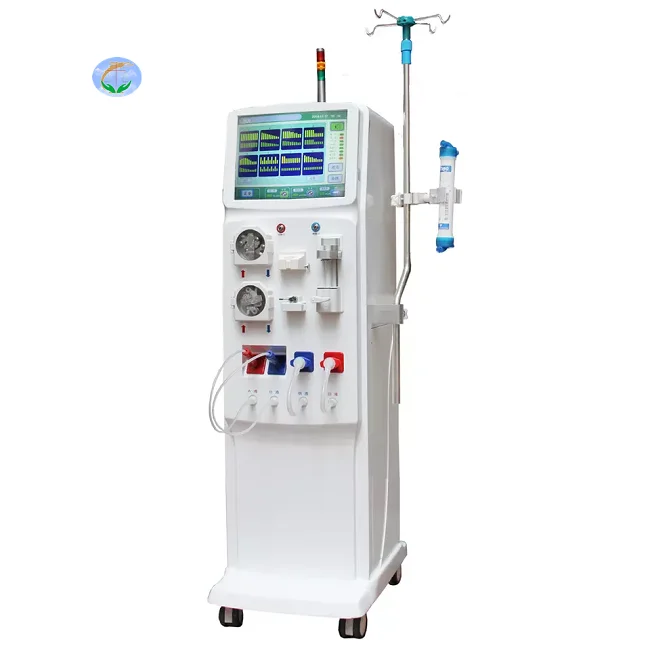
Медицинский портативный прибор для гемодиализа катетер и кровообращения диализа почек ухода за здоровьем
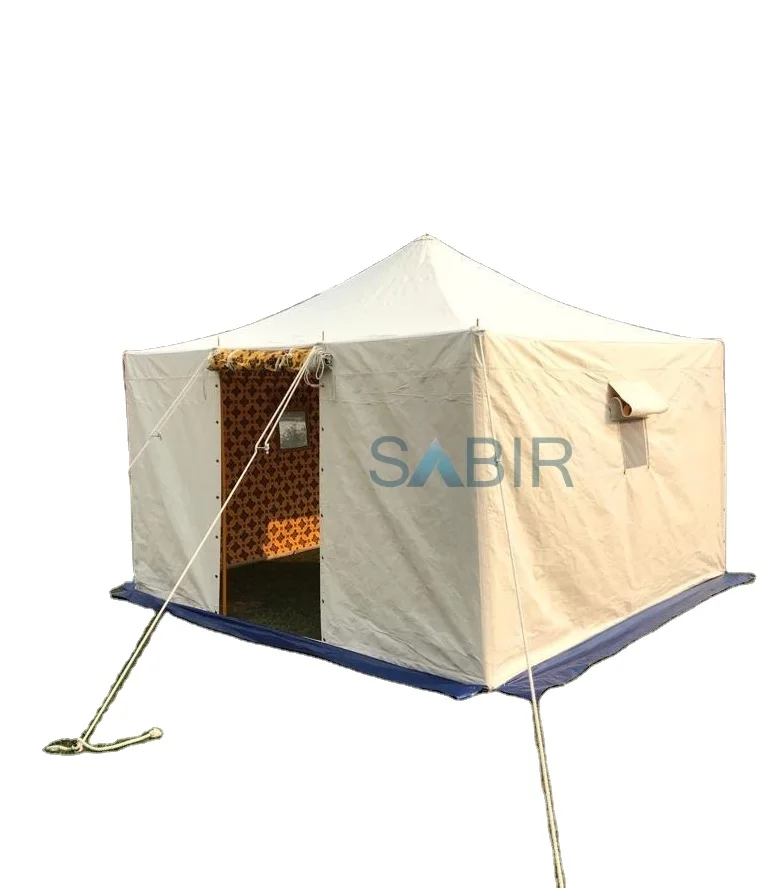
Многофункциональная роскошная водонепроницаемая палатка из брезента для кемпинга однокомнатная всесезонная с настраиваемым размером новый стиль рынка Ближнего Востока
45 688,76-56 159,10 ₽
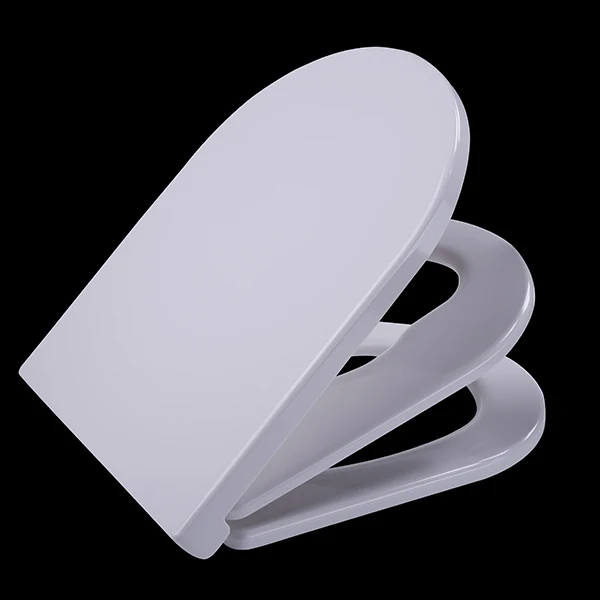
Санитарно-гигиеническое сиденье для
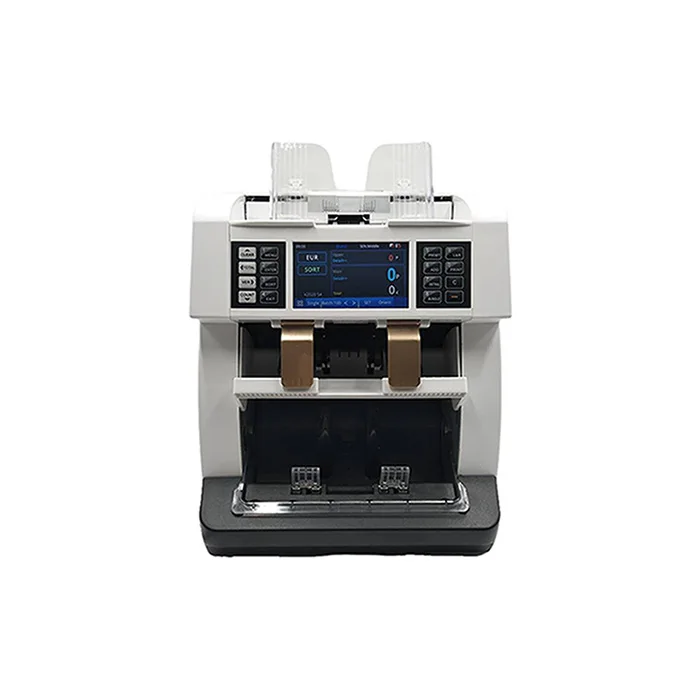
Счетчик купюр с низким уровнем шума на тонкопленочных транзисторах, автоматическое определение разных валют, 4,2 дюйма
50 448-52 351,70 ₽
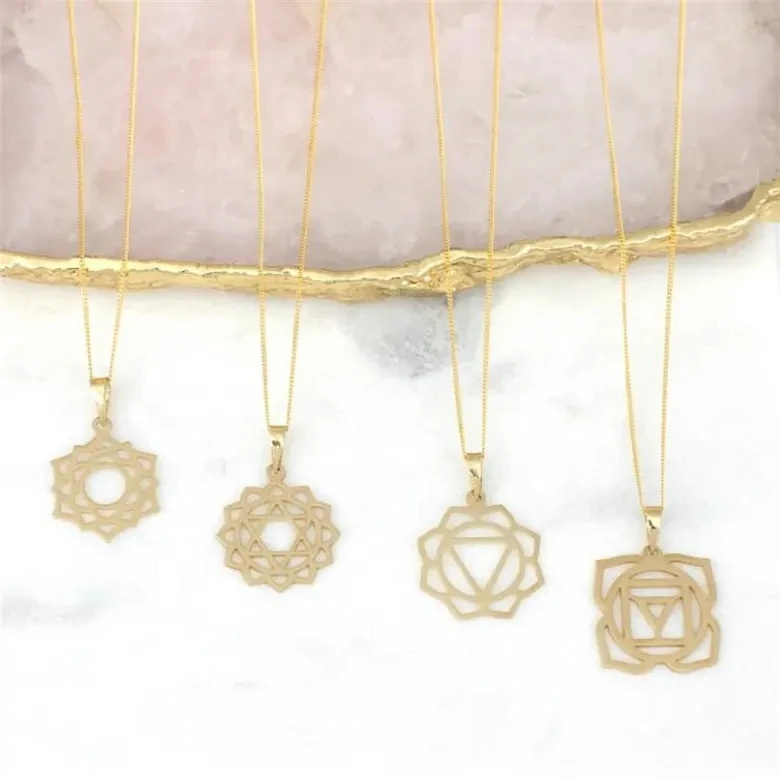
Ожерелье из нержавеющей стали изящное ожерелье с чакрами на заказ модное позолоченное ювелирное изделие водонепроницаемой подвеской без
121,84-217,03 ₽
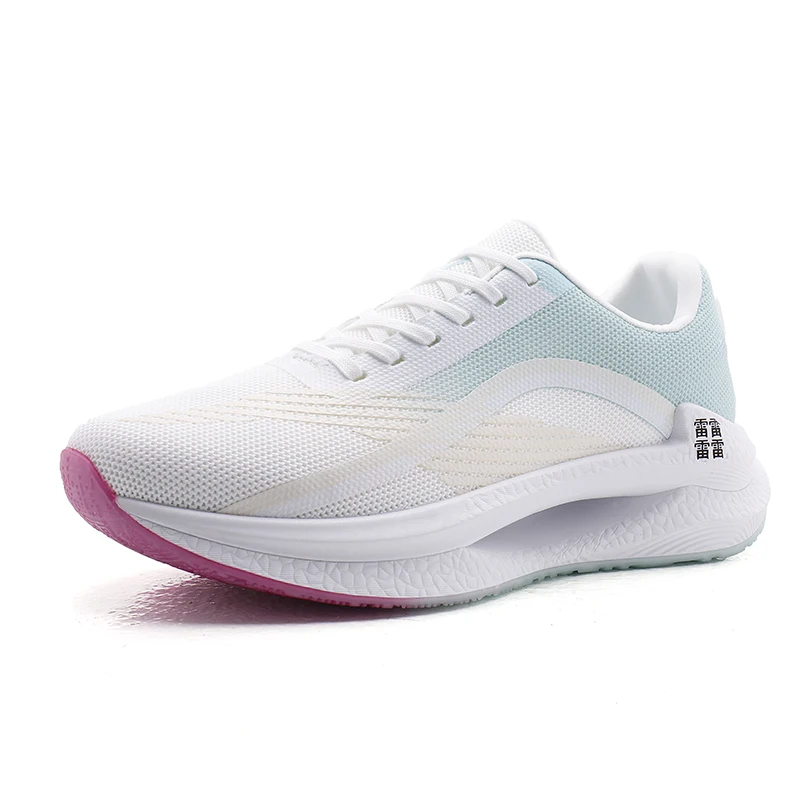
Мужские спортивные кроссовки с логотипом
856,67-999,45 ₽
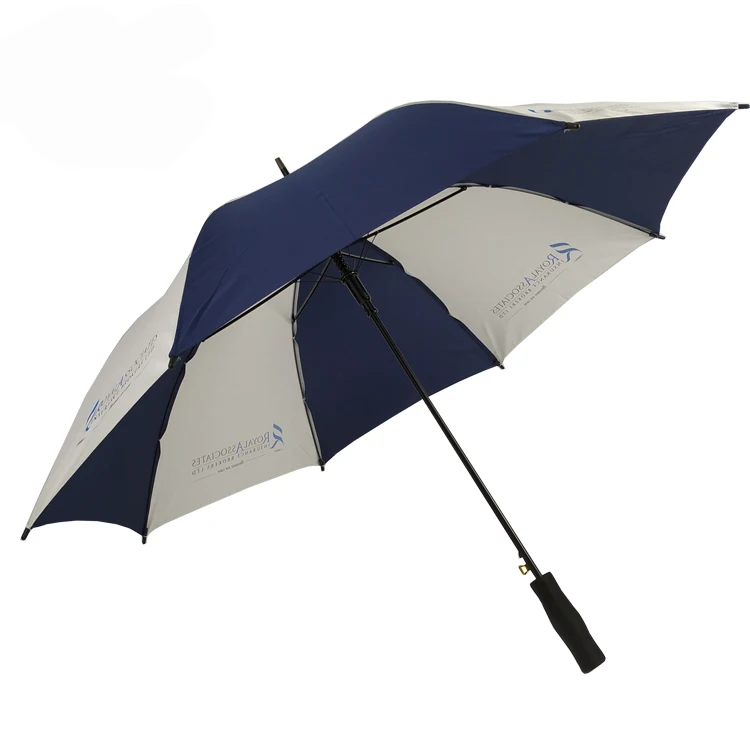
OEM ODM, настоящее изобретение, персонализированный прямой автоматический открытый пользовательский логотип, рекламный зонт для гольфа с логотипом для отелей
842,39-938,53 ₽