Фунгицид трифлоксистробин 25% тебуконазол 50% WDG
- Category: Agrochemicals >>>
- Supplier: Greenriver Industry Co. Ltd.
Share on (1600500585999):
Product Overview
Description
Products Description
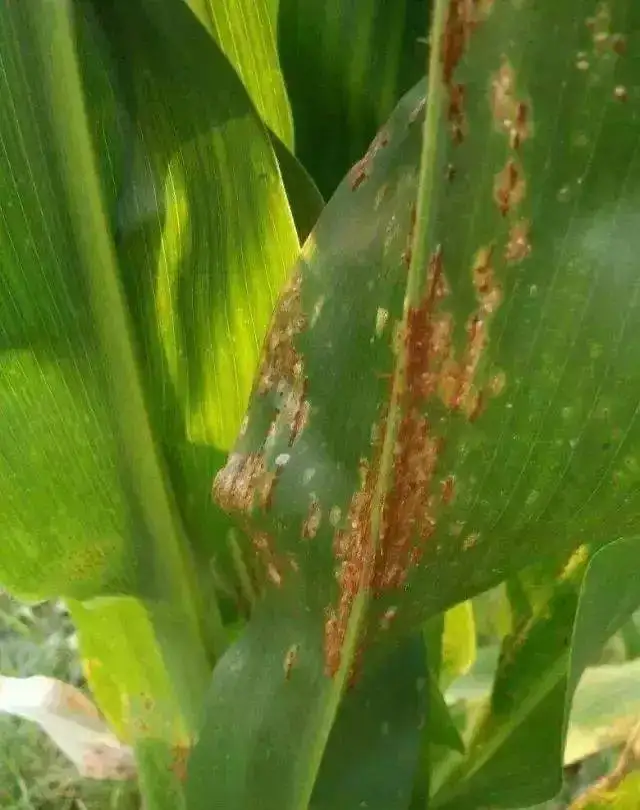
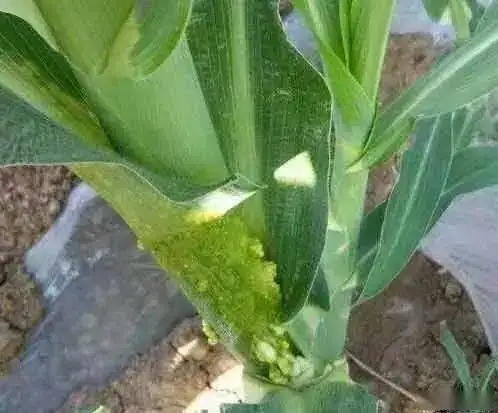
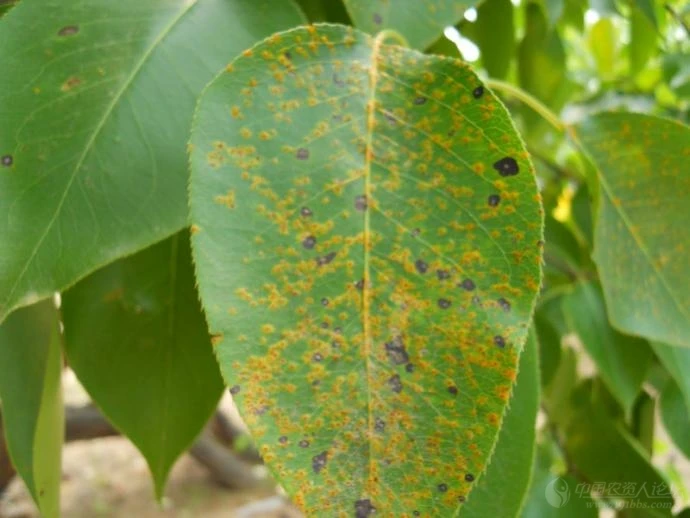
Trifloxystrobin: is effective against almost all fungi (Ascomycetes, Basidiomycetes, Oomycetes and Deuteromycetes) diseases such as powdery mildew, rust, glume blight, net spot, downy mildew, leaf spot, Blight, etc. have good activity. It has the characteristics of high efficiency, broad spectrum, protection, treatment, eradication, penetration and systemic absorption, and also has the characteristics of resistance to erosion and long lasting effect, and it is active in all stages of scab. However, it is easy to produce drug resistance and is not easy to be used alone, so it is formulated into a mixed preparation with tebuconazole, which is completely different in chemical structure and mechanism of action. Tebuconazole: Triazole fungicides are high-efficiency fungicides used for seed treatment or foliar spraying of important economic crops, which can effectively control various rust diseases of cereal crops, etc. | ||||||||
Specification
Active ingredient | Trifloxystrobin 25%+ Tebuconazole 50% WDG | ||||
Chemical name | Trifloxystrobin: (aE)-a-(methoxyimino)-2-[[[(E)-[1-[3-(trifluoromethyl)phenyl]ethylidene]amino]oxy]methyl]benzeneacetate Tebuconazole: (?-a-[2-(4-chlorophenyl)ethyl]-a-(1,1-dimethylethyl)-1H-1,2,4-triazole- 1-ethanol | ||||
Classification | Fungicide / Agrochemical | ||||
Biochemistry | Trifloxystrobin: Inhibits mitochondrial respiration by blocking electron transfer at the Qo centre of cytochrome bc1. Tebuconazole: Steroid demethylation (ergosterol biosynthesis) inhibitor. | ||||
Mode of action | Trifloxystrobin: Mesostemic, broad-spectrum fungicide with preventative and specific curative activity and displaying rain-fastness. Redistributed by superficial vapour movement and also has translaminar activity. Tebuconazole: Systemic fungicide with protective, curative, and eradicant action. Rapidly absorbed into the vegetative parts of the plant, with translocation principally acropetally. | ||||
Usage | Trifloxystrobin: Broad spectrum fungicide for foliar use on a wide range of agricultural and horticultural crops in temperate, sub-tropical and tropical climates in open fields or protected under glass and plastic. In Europe its uses will be focussed on cereals (at 50 g/ha), grapes (at 187.5 g/ha), pome fruit (at 75 g/ha), and cucurbit crops (at 187.5 g/ha).Trifloxystrobin is active against fungi in all four classes - Ascomycetes, Deuteromycetes, Basidiomycetes and Oomycetes. Tebuconazole: tebuconazole is effective against various smut and bunt diseases of cereals such as Tilletia spp., Ustilago spp., and Urocystis spp., also against Septoria nodorum (seed-borne), at 1-3 g/dt seed; and Sphacelotheca reiliana in maize, at 7.5 g/dt seed. As a spray, tebuconazole controls numerous pathogens in various crops including: rust species (Puccinia spp.) at 125-250 g/ha, powdery mildew (Erysiphe graminis) at 200-250 g/ha, scald (Rhynchosporium secalis) at 200-312 g/ha, Septoria spp. at 200-250 g/ha, Pyrenophora spp. at 200-312 g/ha, Cochliobolus sativus at 150-200 g/ha, and head scab (Fusarium spp.) at 188-250 g/ha, in cereals; leaf spots (Mycosphaerella spp.) at 125-250 g/ha, leaf rust (Puccinia arachidis) at 125 g/ha, and Sclerotium rolfsii at 200-250 g/ha, in peanuts; black leaf streak (Mycosphaerella fijiensis) at 100 g/ha, in bananas; stem rot (Sclerotinia sclerotiorum) at 250-375 g/ha, Alternaria spp. at 150-250 g/ha, stem canker (Leptosphaeria maculans) at 250 g/ha, and Pyrenopeziza brassicae at125-250 g/ha, in oilseed rape; blister blight (Exobasidium vexans) at 25 g/ha, in tea; | ||||
Company Profile

FAQ
Q1. I want more styles, how can I get latest catalogue for your reference?
A: You can contact us by Email, we will give you our latest catalogue according to your information.
Q2. Can you add our own logo on the product?
A: Yes. We offer the service of adding customers’ logo. There are many types of this service. If you have this need, kindly send us you own logo you are welcome.
Q3. How does your factory do regarding quality control?
A: "Quality is priority? We always attach great importance to quality controlling.
1) Skillful workers care every details in handling the producing and packing processes;
2) Quality Control Department specially responsible for quality checking in each process.
Q4. How Can I order?
You can directly place an order on our shop in Alibaba web. Or you can tell us the product name, packing and quantity you need, then we will send you the quotation.
A: You can contact us by Email, we will give you our latest catalogue according to your information.
Q2. Can you add our own logo on the product?
A: Yes. We offer the service of adding customers’ logo. There are many types of this service. If you have this need, kindly send us you own logo you are welcome.
Q3. How does your factory do regarding quality control?
A: "Quality is priority? We always attach great importance to quality controlling.
1) Skillful workers care every details in handling the producing and packing processes;
2) Quality Control Department specially responsible for quality checking in each process.
Q4. How Can I order?
You can directly place an order on our shop in Alibaba web. Or you can tell us the product name, packing and quantity you need, then we will send you the quotation.
We Recommend

100% Water soluble npk fertilizer/ NPK 17-17-17
US $0.51-$0.55


100% water soluble NPK 19-19-19 fertilizer
US $0.80-$1.50

New Arrivals
New products from manufacturers at wholesale prices