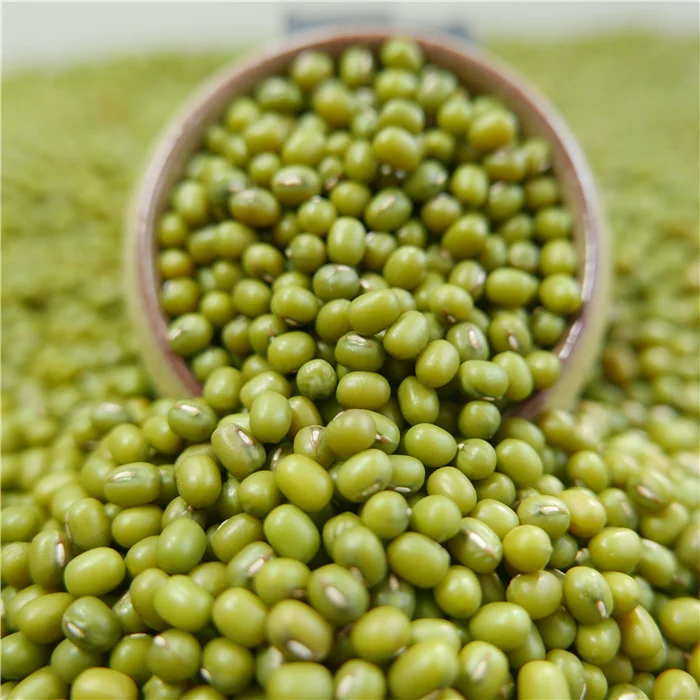
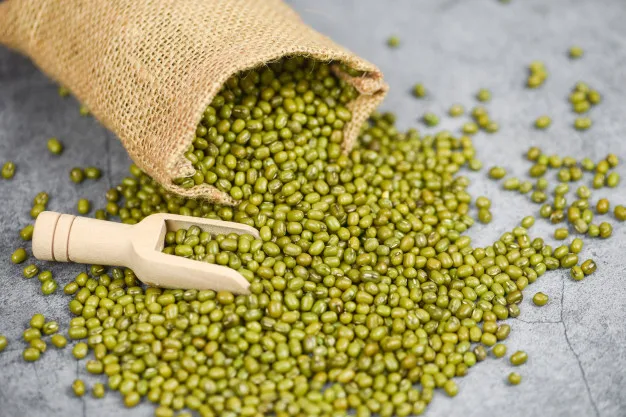
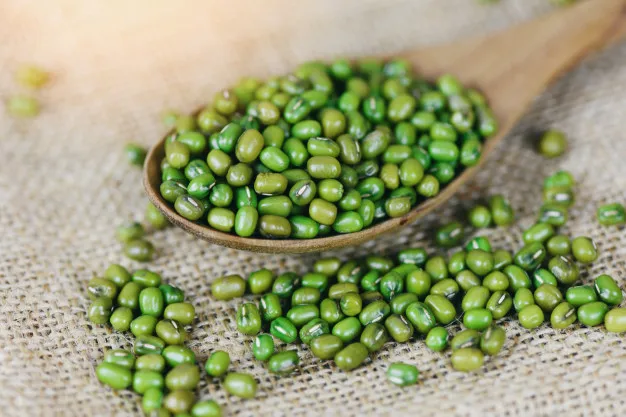
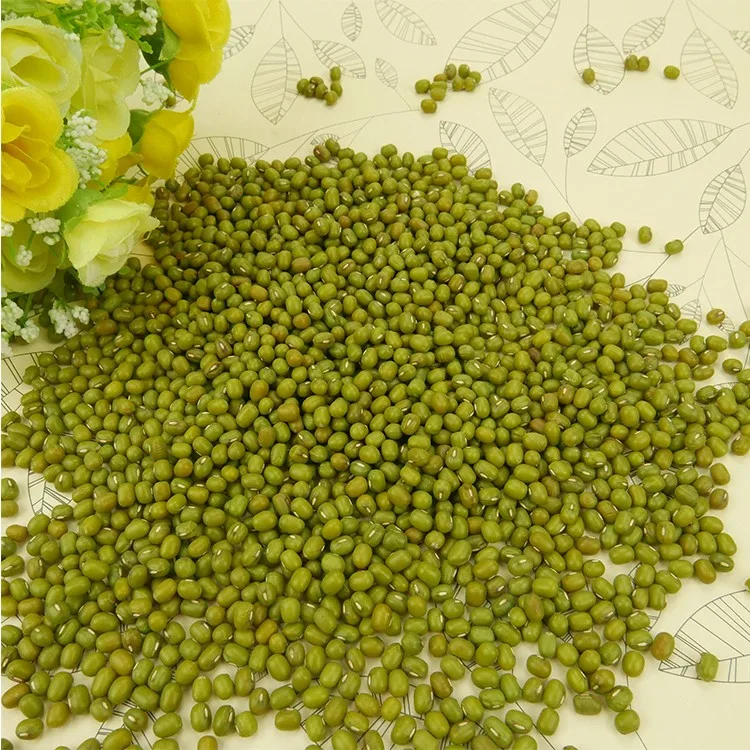
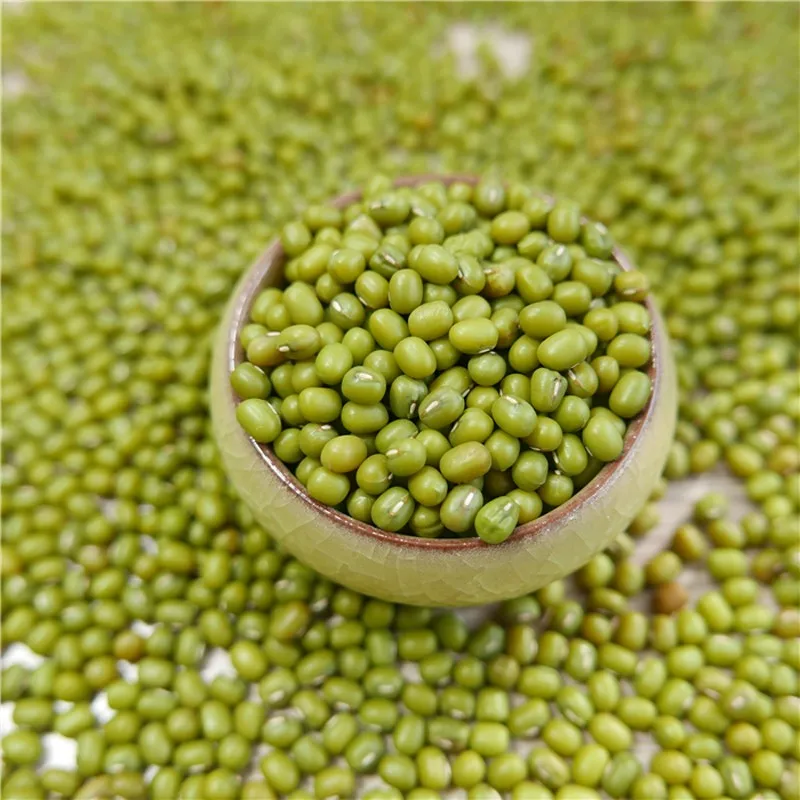
Premium Quality Green Mung Beans
- Category: Mung Beans >>>
- Supplier: FACTORY PACKED LIMITED [United Kingdom]FACTORY
Share on (1700006863377):
Product Overview
Description
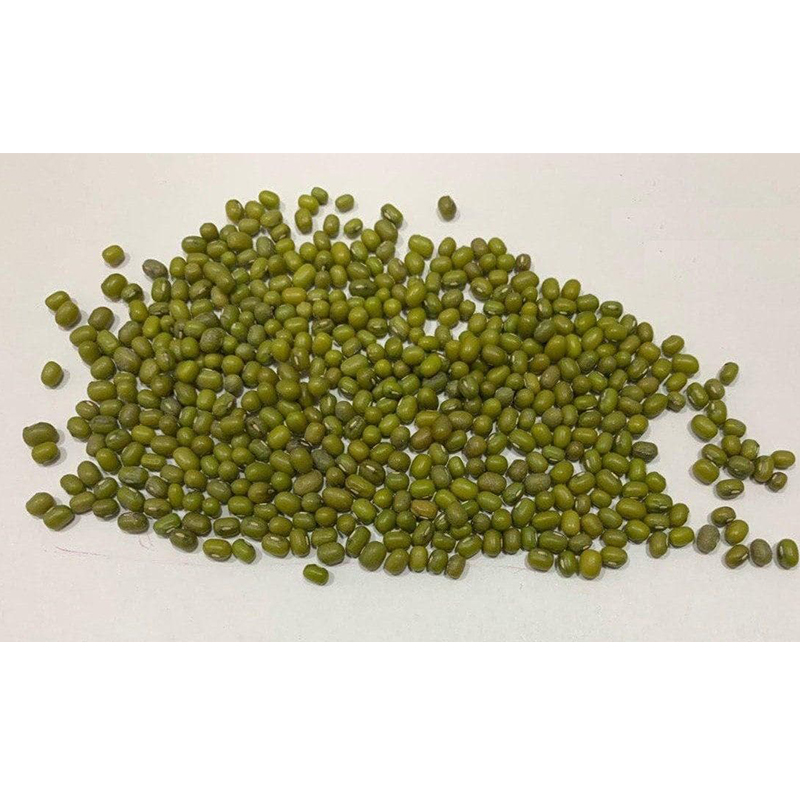
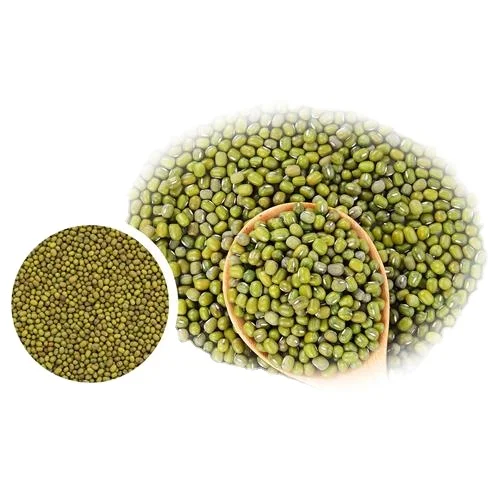
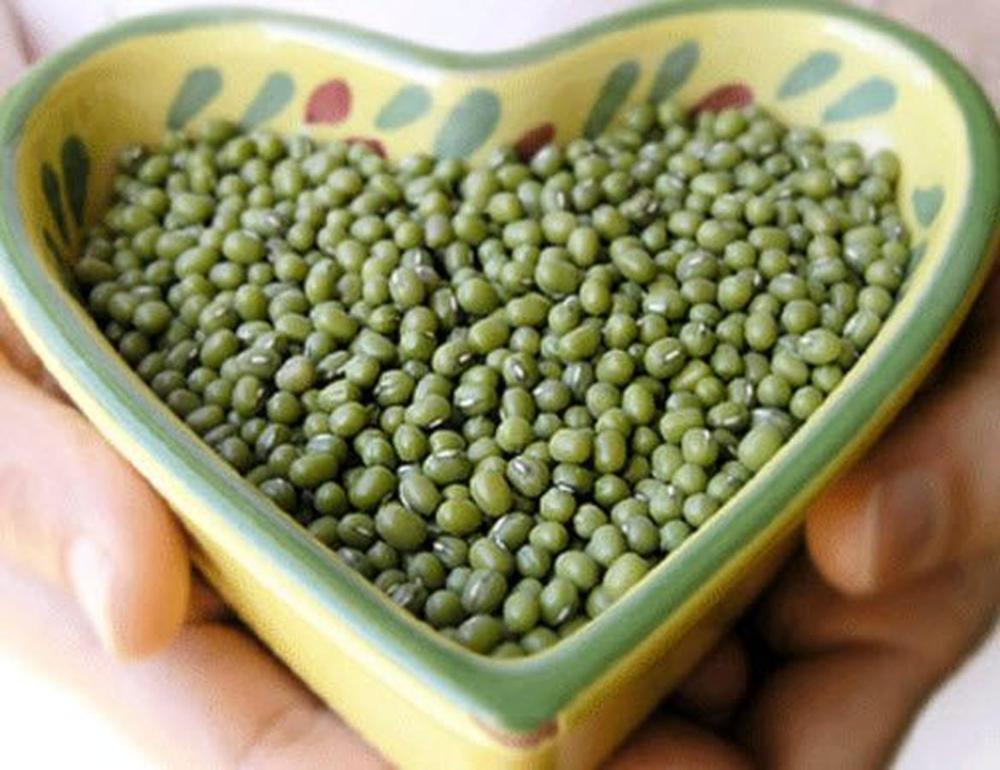
Moong or Green gram is a small ¼-inch, round, olive-green bean that is mustard or off-white coloured inside. The beans have a sweet flavour, soft texture and are easy to digest. Green gram is available in many forms including whole, split, de-husked (yellow) and ground. Split Moong beans or green Moong Dal is Green gram that has been split but not skinned. Since the husk is not removed completely, the green colour is retained. The splitting is done in a mill.
Green Moong dal a traditional ingredient in Indian cooking, often used in curries. Like other legumes, split green gram is low in fat and high in protein and fibre, but it has the added advantage of cooking quickly. Due to its mild, earthy flavour, green Moong dal is best cooked with assertive flavourings.
Grading at the terminal market
Grading of Green Moong bean is mostly applied at the terminal market rather than at the rural market. The major criteria of quality or grade factor are;
- moisture content, size, quality, appearance and colour of the seeds, damaged and fungal seeds,
In general, there are 5 grade classifications for numgbean as follows
Grade 1 characteristics: good green shining colour, 14% moisture content, the size of seeds are unequal (small and large seeds mixed together)
Grade 2 characteristics: good green shining colour, 14% moisture content, the size of seeds are unequal (small and large seeds mixed together)
Grade 3 Characteristics: fair green shining colour, 14% moisture content, the size of seeds are unequal (small and unequal, mixed with damaged seeds.)
Grade 4 characteristics: poor green shining colour and misshapen, more than 14% moisture content, the size of seeds are unequal, mixed with damaged seeds
Grade 5 characteristics: worst green shining colour and misshapen, more than 14% moisture content, the size of seeds are unequal, mixed with damaged seeds
Grading for Marketing Purposes
Mung beans are classified into grades for marketing purposes:
- Sprouting
- Number 1 processing
- Processing
- Manufacturing
Less than 5% of the total mungbean crop goes into the sprouting market. Processing grade is a broad classification for beans. Prices can vary by as much as $150 per tonne at any time of the year for beans within this broad processing grade classification depending on appearance and quality, i.e. whether good or poor quality processing grade. This is the reason why many choose to market their goods on a sample basis rather than on quality grades
Seasons and cultivation
Green gram is a warm weather crop and comes up in areas receiving an annual rainfall ranging from 50 to 70 cm. It is mainly cultivated in a cereal-pulse cropping system primarily to conserve soil nutrients and utilize the left over soil moisture particularly, after rice cultivation. Hence, although it can be grown in all the seasons, majority of green gram cultivation falls in either Rabi or late Rabi seasons particularly in peninsular India.
Optimum temperature range for growth is 27-30oC. A dry harvest period is desirable as this forces the crop to mature and reduces the risk of weather damage. Green gram is less tolerant to water logging.
India is the world’s largest producer as well as consumer of green gram. It produces about 1.5 to 2.0 million tons of Mung annually from about 3 to 4 million hectares of area, with an average productivity of 500kg per hectare. Green gram output accounts for about 10-12% of total pulse production in the country.
Myanmar Green Mung Bean Specification
| Properties | Type: Pedesein | Type: Pedeshwewar |
|---|---|---|
| Foreign Matters | Max. 1% | Max. 1% |
| Weevilled Seeds | Max. 2% | Max. 2% |
| Damaged Otherwise | Max. 4% | Max. 4% |
| Foreign Beans | Max. 1% | Max. 1% |
| Sister Beans | Max. 2% | Max. 2% |
Green Mung - Nutritional Powerhouses
- Good source of protein
- Good source of dietary fiber (helps to lower cholesterol, prevents constipation and keeps you feeling full)
- Low in sodium
- Low in cholesterol
- Vitamins: A, B Vitamins (Thiamin, Riboflavin, Folic Acid, Niacin, Vitamin B6, Pantothenic Acid) Vitamin E, Vitamin D, Vitamin C, Vitamin K.
- Minerals: Calcium, Potassium, Iron, Magnesium, Phosphorous, Zinc, Copper and Manganese.
- Sprouted Green Mung Beans produce live enzymes
- Mung Beans are low on the glycemic index at 25 and have a low glycemic load of 4 making them a smart food choice for diabetics. Diabetics can safely eat Green Mung Beans. The low glycemic index, fiber and protein help to regulate blood sugar.
- They also contain skin anti-aging properties that stimulate the production of hyaluronic acid, collagen, and elastin, all essential to younger healthier skin.
Nutrition Facts
- Serving Size: 100gm
- Amounts per servings
-
Calories 347
- % Daily Values*
Total Fat 1.2 g1%Saturated fat 0.3 g1%Polyunsaturated fat 0.4gMonounsaturated fat 0.2gCholesterol 0 mg0%Sodium 15 mg0%Potassium 1,246mg35%Total Carbohydrate 63 g21%Dietary fiber 16 g64%Sugar 7 gProtein 24 g48%Vitamin A2%Vitamin C8%Calcium13%Iron37%Vitamin D0%Vitamin B-620%Vitamin B-120%Magnesium47%- *Percent Daily Values are based on a 2,000 Calorie diet.
Common Packing For Container Shipment
We Recommend
Green mung bean husk/ Green mung bean residue/ Mung bean for animal
US $150.00-$300.00
High Quality Bulk Machine Cleaned Ethiopian Green Mung Beans for Sale
US $800.00-$900.00
Factory wholesale Bulk Green Mung beans
US $0.58-$0.88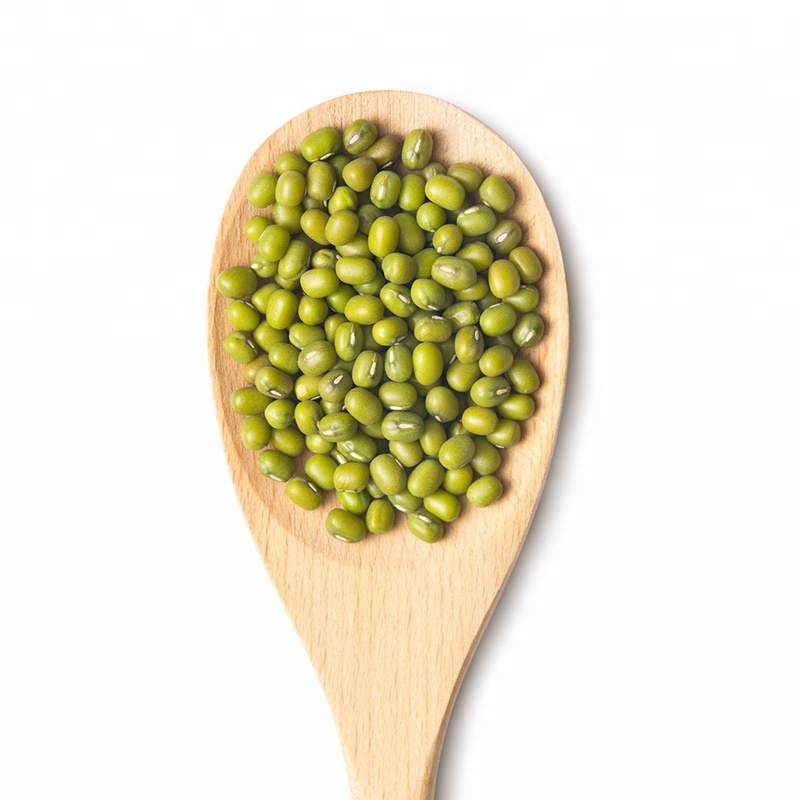
Bulk mung beans for sale / Green mung bean
US $1000-$1100New Arrivals
New products from manufacturers at wholesale prices