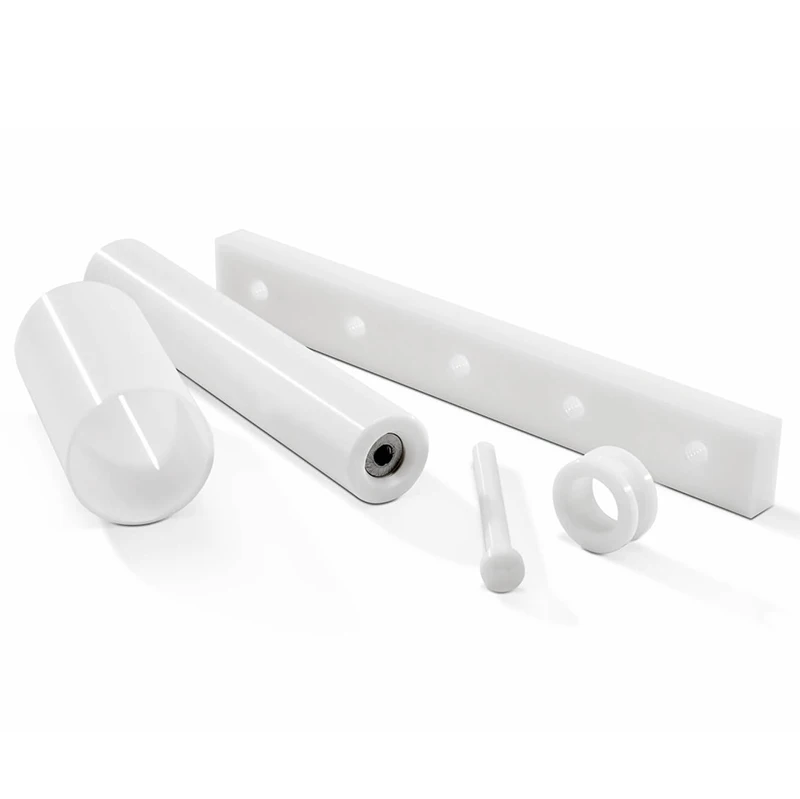
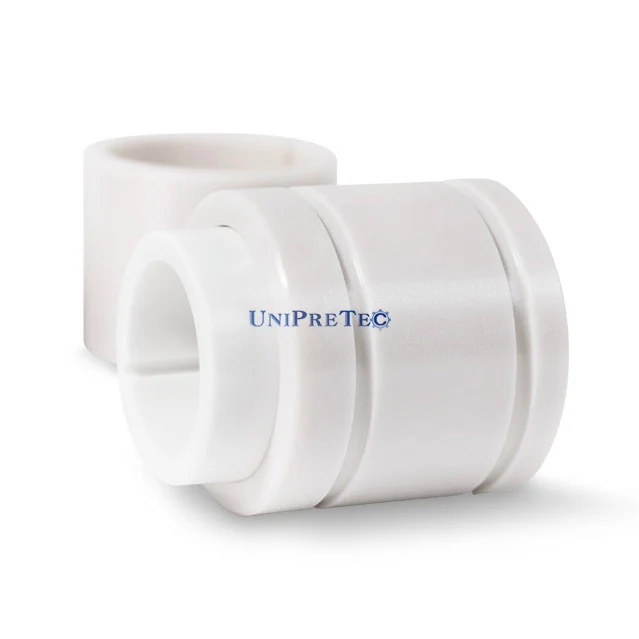
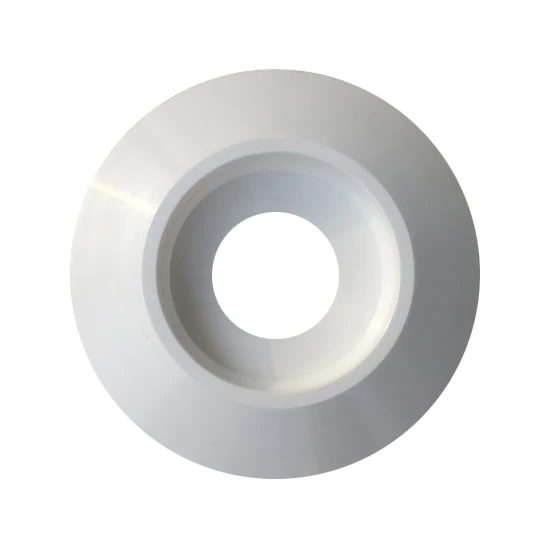
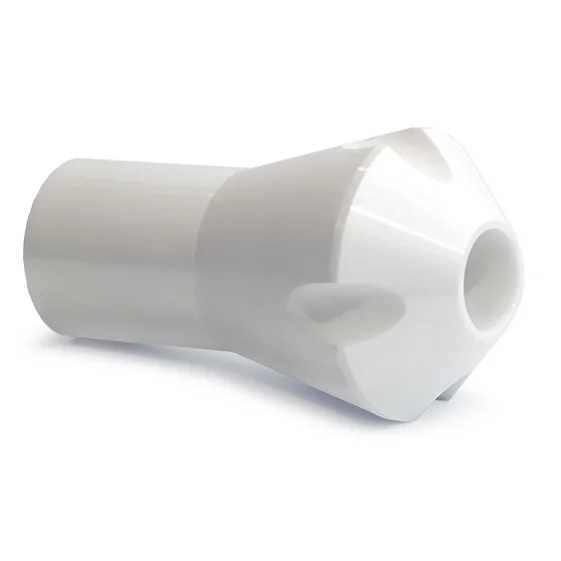
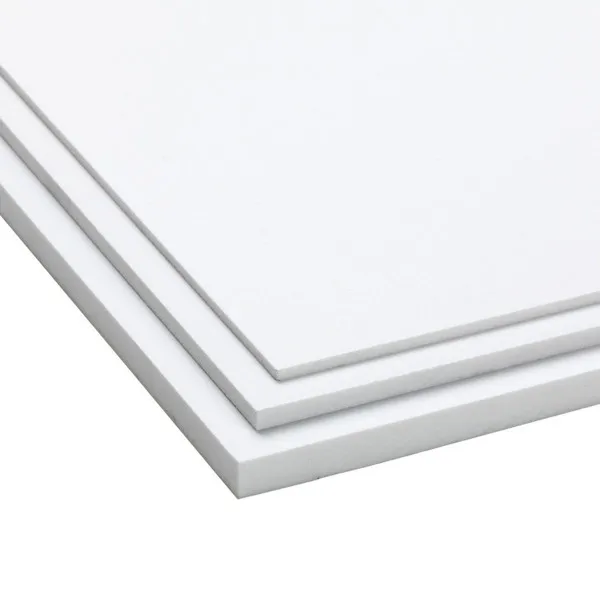
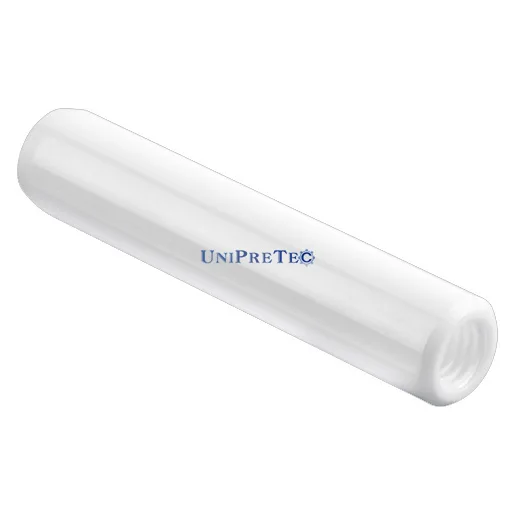
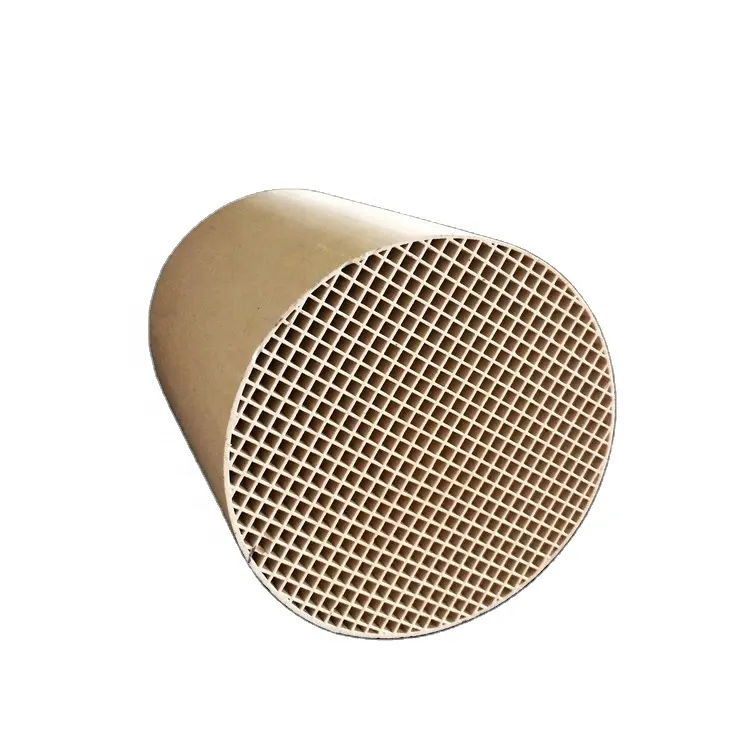
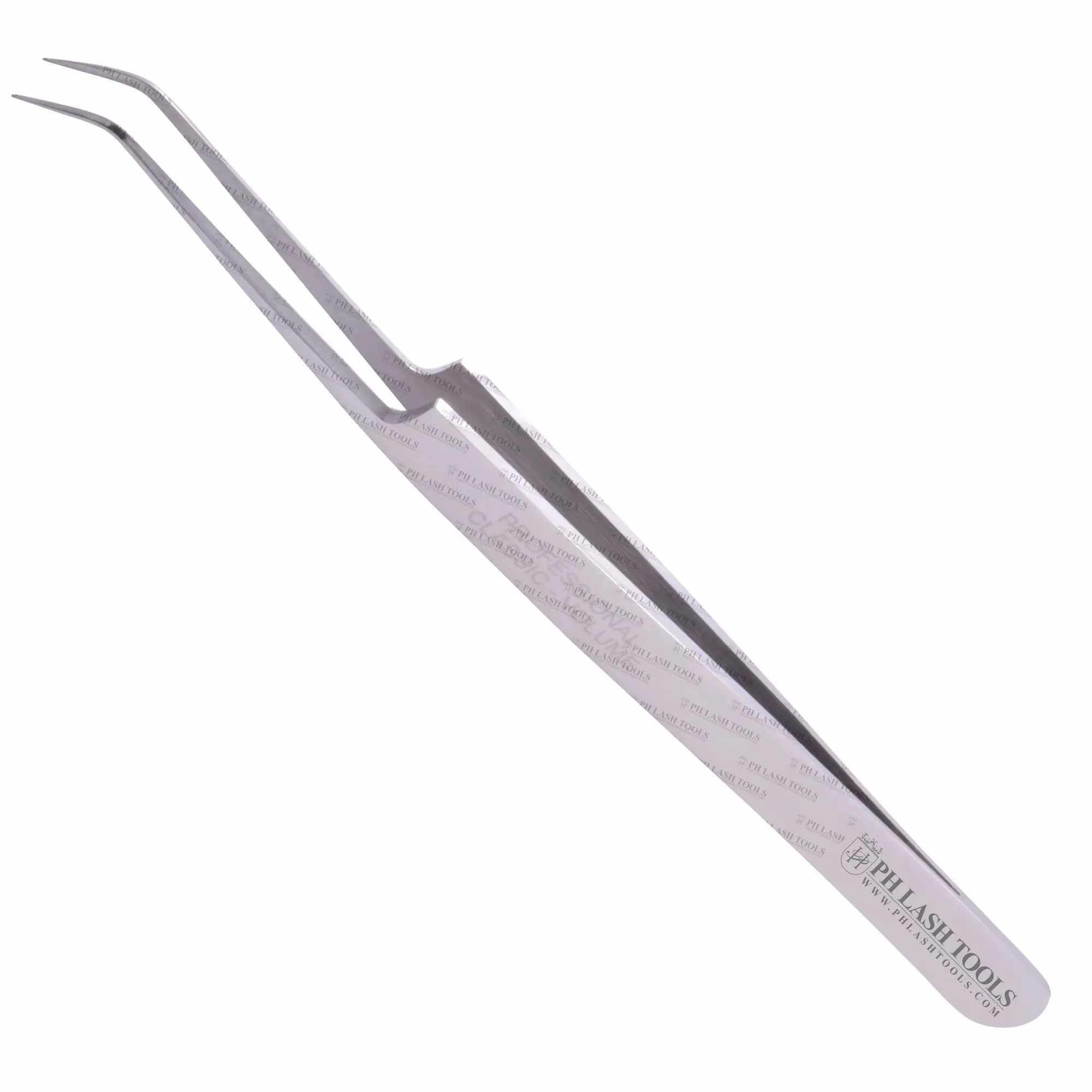
Изготовленные на заказ керамические компоненты ZrO2 из циркония

Share on (60172725040):


Price:13,00 $ - 39,00 $

Quantity:


Product Overview

Description


Material Introduction


Unlike traditional ceramics that tend to be hard and brittle, Zirconia offers high strength, wear resistance, and flexibility far beyond those of most other technical ceramics. Zirconia is a very strong technical ceramic with excellent properties in hardness, fracture toughness, and corrosion resistance; all without the most common property of ceramics – high brittleness.


√ similar CTE to steel
√ high fracture toughness
√ extremely high hardness
√ high corrosion resistance
√ good electrical insulation
√ low coefficient of friction
√ excellent thermal insulation
√ outstanding wear resistance


There are several grades of Zirconia available, the most common of which are Yttria Partially Stabilized Zirconia (Y-PSZ) and Magnesia Partially Stabilized Zirconia (Mg-PSZ). Both of these materials offer excellent properties, however, the operating environment and part geometry will dictate which grade may be suitable for specific applications (more on this below). Its unique resistance to crack propagation and high thermal expansion make it an excellent material for joining ceramics with metals like steel. Due to Zirconia’s unique properties it is sometimes referred to as the “ceramic steel”.


Product Features


● very hard, wear resistant ●
● high mechanical strength ●
● non-magnetic ●


● corrosion & erosion resistant ●
● high working temperature ●
● flexible custom production ●


● good electrical insulation ●
● high working temperature ●
● flexible custom production ●


Applications


Material Properties


ITEM
UNIT
Zirconia | YSZ95
Main Content
-
ZrO2 > 94.5%
Color
-
White / Black / Blue / Yellow
Density
g/cm3
5.95
Vickers Hardness
Gpa
12
Flexural Strength
Mpa
800
Compressive Strength
Mpa
2,500
Electrical Resistivity
Ω·cm
>1010
Dielectric Strength
KV/mm
9
Dielectric Constant
1 MHz
28
Thermal Conductivity
W/m.K
2.2
Max. Working Temperature
℃ / °F
800 / 1,470
Resistance to Thermal Shock
△T(℃)
260
Thermal Expansion Coefficient (25 - 1,000 ℃)
10-6/K
11 - 13


∆ The above data is offered for reference and comparison only, exact data will vary depending on the manufacturing method and part configuration.


About Us


"Simple things into very complex, can find new areas; Read the complex phenomenon is very simple, can be found that the new law." - - - - - -Isaac Newton


0.0355 s.