99.9% purity 13.6kg for sale 410a refrigerant gas
US $33.00-$37.00
Share on (60337785411):


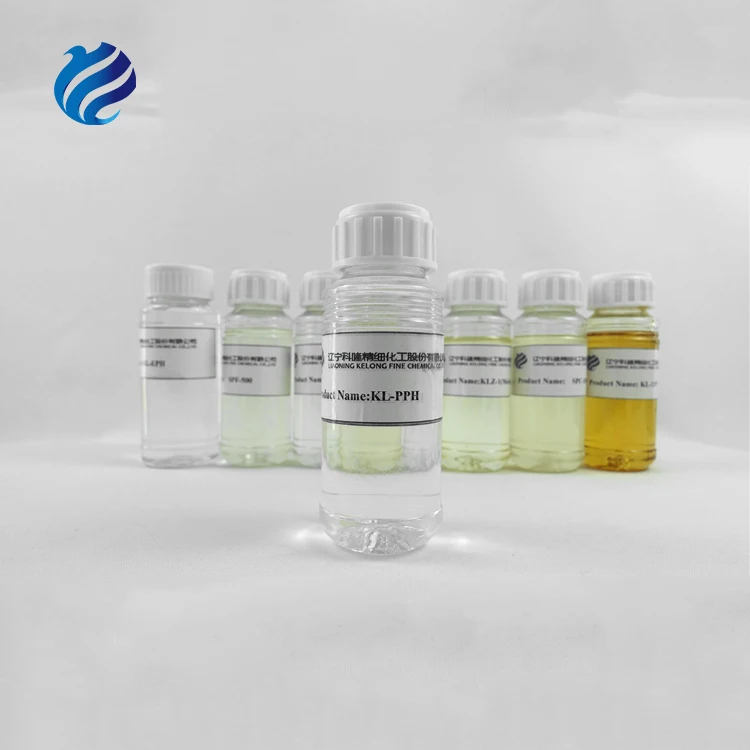
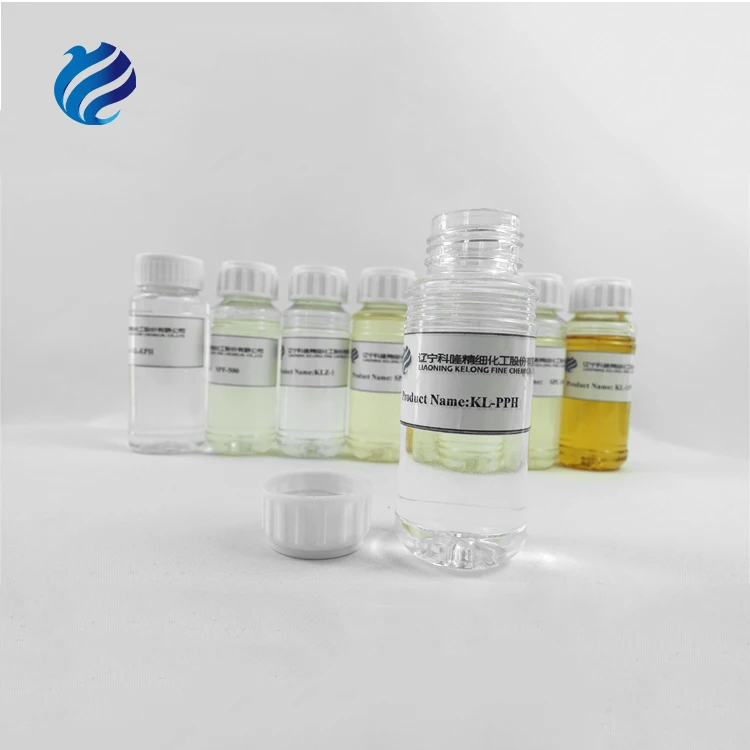
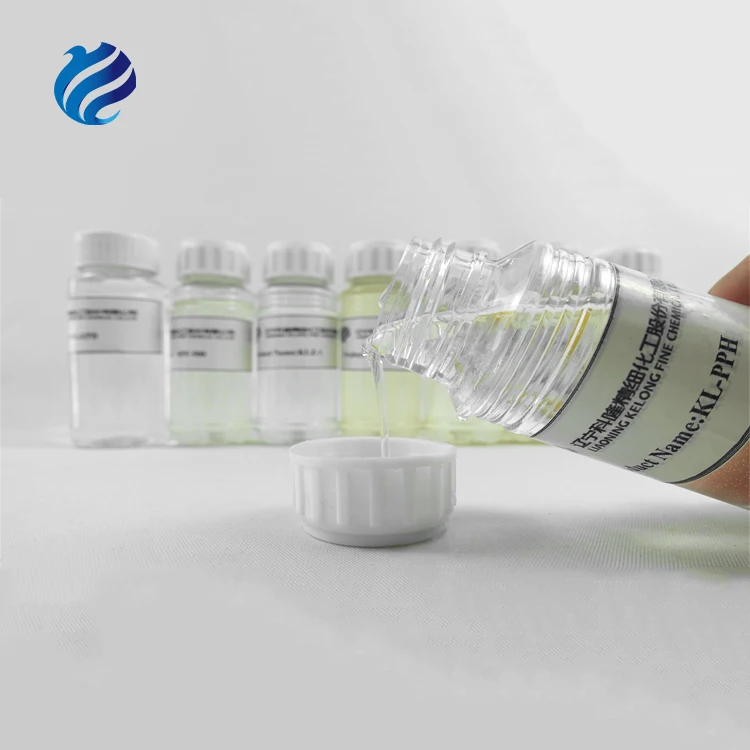
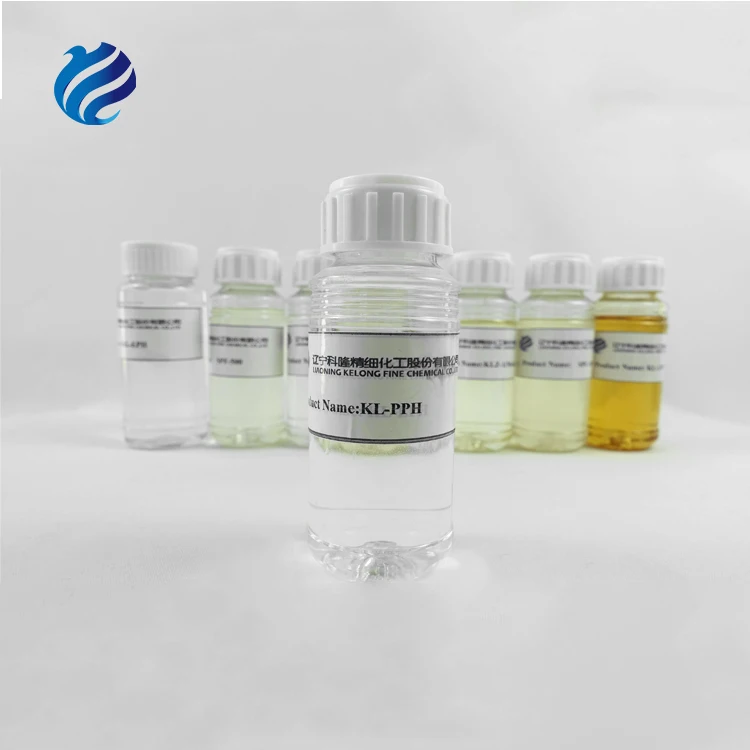
KL-PPH
Chemical name Propylene glycol phenyl ether
Synonym(s) 1-phenoxy-2-propanol Propylene phenoxetol
CAS No. 770-35-4
Quality Specification
Appearance | Assay % | Color APHA | PH 1% aq.solution |
Light yellow to colorless liquid | ≥93.0 | ≤50 | 5.0-7.0 |
Application
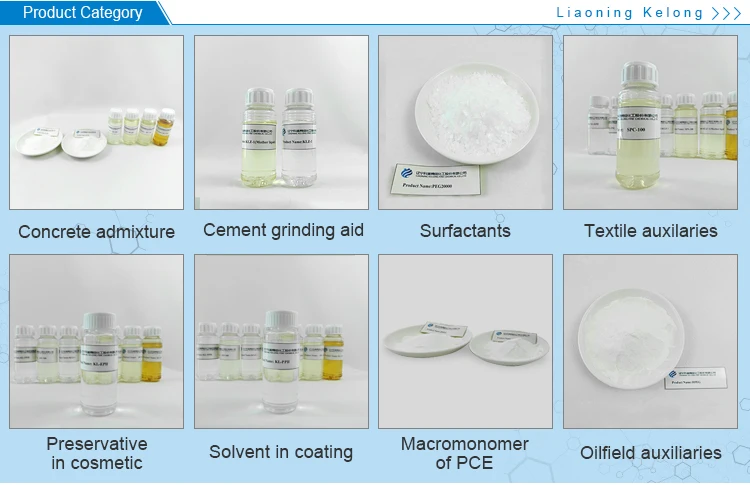
PPH is nontoxic and environmental and has remarkable impacts on reducing the VOC of the coatings. It’s a strong solvent for alkyd resin, epoxy resin, acrylic resin, etc. Because of high boiling point, good miscibility, moderate evaporation rate, good coalescing and coupling ability, PPH can provide excellent flow and leveling, luster, while helping prevent coating defects such as pinholing, orange peel, cracking and popping. PPH can substitute for isophorone, anone, dibasic ester, benzyl alcohol, ethylene glycol ether, other propylene glycol ether, etc. On the same condition, such as luster, fluidity, color-folding properties, cleaning resistance, etc, the usage of PPH is decreased to 30~50% as compared with common film-forming auxiliaries. Because of excellent coalescing ability, PPH can make the comprehensive film-forming efficiency increase 1.5~2 fold and remarkably reduce the production cost, PPH is added 3.5~5% in most of emulsions and minimum film-forming temperature (MMFT) can reach to -1℃.
PPH is widely used in top-grade automobile coatings, automobile repair coatings, electrophoresis coatings, shipping and container coatings, architecture coatings, furnature coatings. It is also used as protective agent in printing ink, paint remover, adhesives, insulated materials, cleaning agent, perfumes for soap and cosmetics, coupling agent for dissolving of dye.
Usage
It is recommended that the PPh is added before emulsion or when pigments are ground, so that it can easily couple with other substances in the formulation, and achieve better emulsifing and dispersing effect, while having no effects on the stability of pigments, etc.
Generally speaking, PPH is added 3.5~6% in purified acrylic ester photopolymer emulsions, 2.5~4.5% in vinyl acetate-acrylic ester emulsions, 2~4% in styrene - acrylic ester copolymer emulsions.
Package & Storage
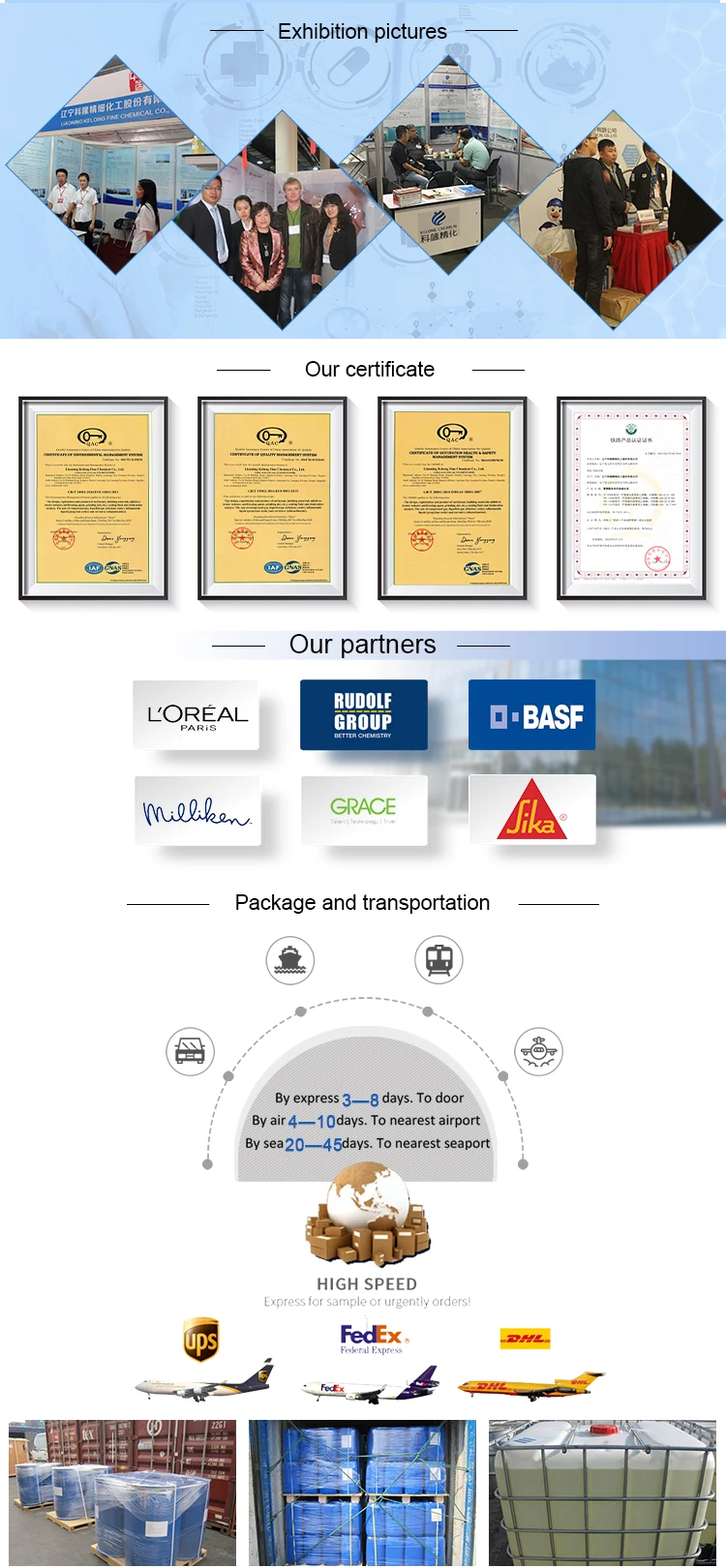
200kg plastic drum. It is nonhazardous and should be stored in cool and ventilated place away from sunlight.




New products from manufacturers at wholesale prices