Экстракт цветка Гибискуса Порошок 20:1 для использования сока
- Category: Extract >>>
- Supplier: Sciyu Biotech Co. Ltd.
Share on (60395624739):
Product Overview
Description
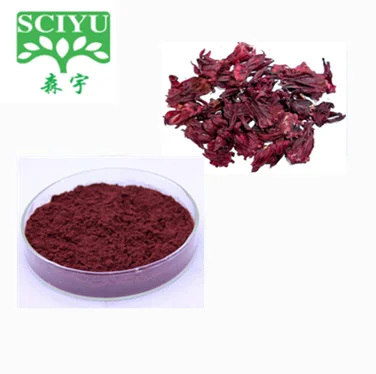
Hibiscus Flower Extract powder
The Introduction
Product Name:Hibiscus Flower Extract
Latin Name:Hibiscus sabdariffa L
Appearance:Red Brown Fine Powder
Specification:5:1, 10:1, 20:1
Product Description
Roselle grows in tropical grows in tropical areas throughout the world, and has been used not just as an ornament, but also medicinally for medicinally for centuries. The part of this plant used medicinally is the flower. The Roselle flower is produced into a tea in numerous cultures throughout the world. Rosellehas a mild flavor and has many culinary uses.
The Roselle are rich in anthocyanins, as well as protocatechuic acid. The dried calyces contain the flavonoids gossypetin, hibiscetine and sabdaretine. The major pigment, formerly reported as hibiscin, has been identified as daphniphylline. Small amounts of myrtillin (delphinidin 3-monoglucoside), Chrysanthenin (cyanidin 3-monoglucoside), and delphinidin are also present. Roselle seeds are a good source of lipid-soluble antioxidants, particularly gamma-tocopherol.
| Flower | |||||||||
Specification
|
Main Function:
I was used by the Chinese to treat dandruff and stimulate hair growth.
Hibiscus has also been used to treat hemorrhoids and wounds.
The Hibiscus flower is produced into a tea in numerous cultures throughout the world.
Hibiscus has a mild flavor and has many culinary uses.
Recent research has shown that Hibiscus may have antibacterial properties.
It is a mild laxative and it contains Vitamin C and malic acid.
Hibiscus has also been shown to relax the uterus and reduce blood pressure.
Hibiscus has also been used for indigestion and loss of appetite, as well as for colds, respiratory problems, and circulation disorders

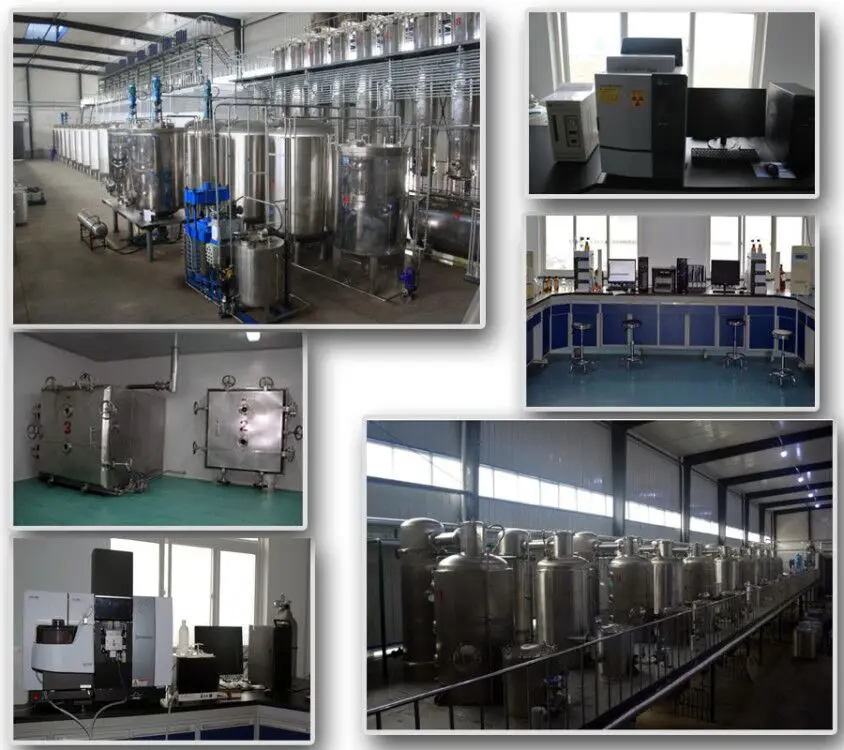
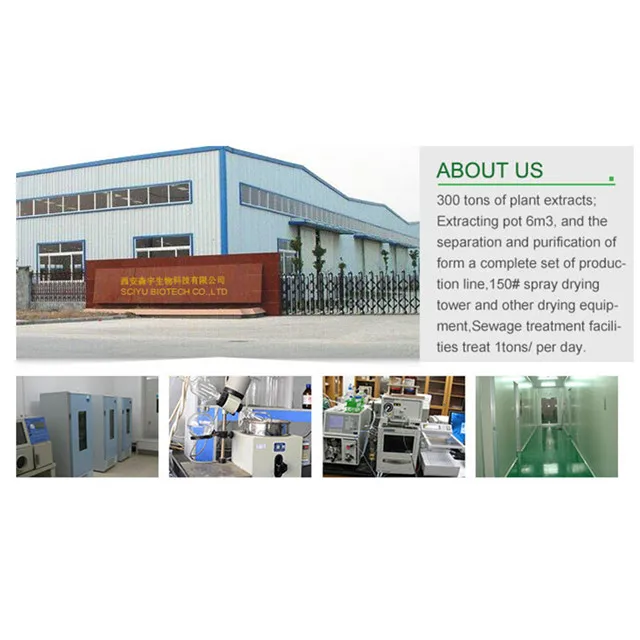
company introduction

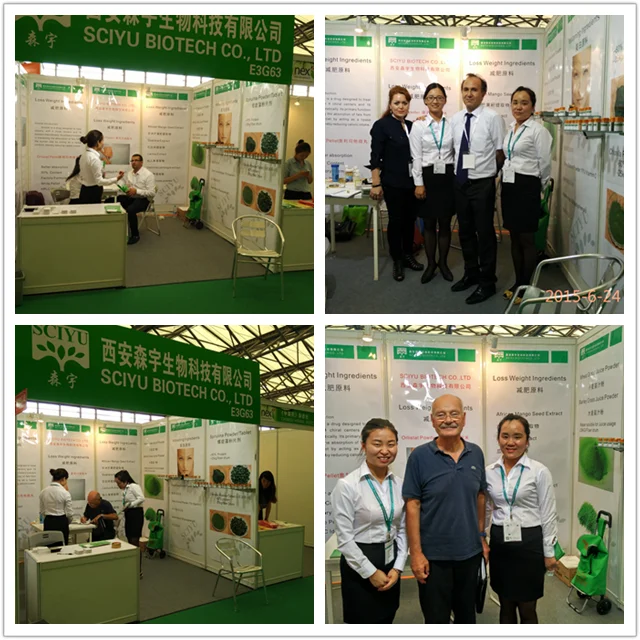
team and exhibition


certificate

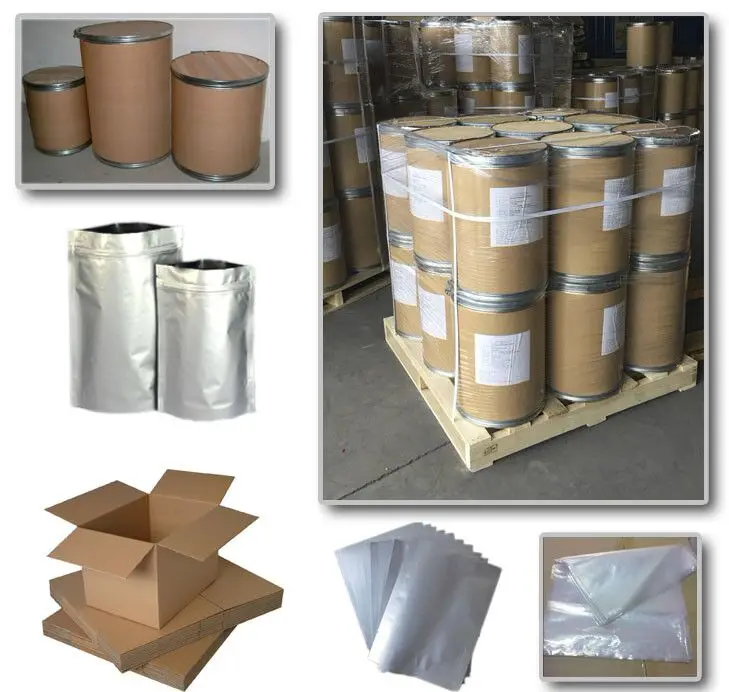
payment and shipping

feedback and FAQ


We Recommend

Hibiscus Flower Extract Powder 20:1 FOR JUICE USAGE
US $7.00-$15.00


Factory price Stevia in bulk/Nature stevia sweetener
US $52.00-$57.00

New Arrivals
New products from manufacturers at wholesale prices