
Paper Use Enzymes Stickies reducing enzyme
- Category: Enzymes >>>
- Supplier: Shandong Sukahan Bio-Technology Co. Ltd.
Share on (60738787934):
Product Overview
Description
Stickie reducing enzyme
Paper Use Enzymes for “stickies” removal
Product Description
INTRODUCTION
 The problems caused by stickies are many and varied and can occur at practically every stage in the papermaking and paper conversion chain including printing. Finding a suitable way to treat them can be difficult..
The problem is complicated by the fact that there are two types of stickies:
(1) Primary stickies, insoluble components that are tacky under normal conditions and are present in the incoming recycled paper and coated broke, e.g., hot melts or pressure sensitive adhesives, inks, waxes, plastics, synthetic adhesives, resin size, wet-strength resins, and binders; and
(2) Secondary stickies, composed of the soluble components of adhesives and chemicals used in papermaking and converting. Secondary stickies are formed as a consequence of sudden changes in wet end chemistry, temperature or pH, when they react to produce insoluble or gel-like tacky particles. They can be more difficult to handle than primary stickies.
The problems caused by these tacky impurities are all too familiar. Deposits occur on stationary parts of a processing system such as pipes and chest walls and in the approach flow system. This includes the headbox itself due to the adhesive character of these materials. Deposits primarily influence moveable parts such as wires, felts, or rolls. Stickies will end up in the final paper produced and cause quality problems aesthetically and in its subsequent use.
Deposits within the paper machine can cause:
Web breaks due to weak spots and localized sticking to moving rolls
Picking of fibers
Lengthy nonproductive cleaning times due to build-up on wires, felts, rolls & doctor blades
Deposits in/on the paper can cause:
Increased downgrades due to contribution to dirt count
During converting processes at high temperature/pressure, migration of stickies from inside of paper reaches outside of paper. This is particularly costly when goods are returned after printing, varnishing or laminating.
Converting problems due to adhesion between sheets. Problems during unwinding of a reel causing breaks, surface blemishes, or misfeeds in sheet-fed process.
SKHZYE-DPE93 is an enzyme preparation intended for use in reducing stickies in recycled pulps. Properly applied microbial enzyme–based products can enhance the release of stickie particles from the fiber surface and facilitate its removal by flotation.
TECHNOLOGY
The mechanisms by which “SKHZYE-DPE93” preparations facilitate stickie removal are:
Unique blend of cellulase and other enzymes aid in releasing stickie particles from fiber surfaces by the same mechanism used to describe enzymatic toner ink removal.
Gentle neutral pH pulping keep stickie particles large so that many can be screened out of the slurry. Alkaline pulping increases the tackiness and solubility of the adhesives during conventional alkaline treatment.
Fibrils attached to stickie particles are severed, thus facilitating removal of the additional stickies by flotation.
Secondary benefits associated with “SKHZYE-DPE93” usage include enhancement of fibre yield and improvement in physical strength. This would lead to reduced consumptions in wet-end chemicals such as retention aids, wet strength agents, starches etc., thus reducing the build-up of secondary stickie causing components in the process water.
PRODUCT DESCRIPTION
SKHZYE-DPE93 is a complex enzyme preparation intended primarily for stickies reduction in deinking pulp mills and papermills using recycled fibers. SKHZYE-DPE93is a powdered form of a blend of cellulase and other enzymes operating between a broad range of pH (4.5-9.0) and temperature (25-70°C) and is used in the range of 180-360 g/ton of dry pulp.
The SKHZYE-PE93 product is in liquid form, with a tan to orange color, a slight fermentation odor, miscible with water and has a pH of 5.5±1.0 at 30oC.
BENEFITS OF SKHZYE-DPE93
Primary Benefits (Stickies Removal)
· Elimination of the need for soda pulping. Neutral pulping can be used.
· Improvement in quality.
· Improved stickies removal efficiency.
· Lower cost (higher contamination) raw materials can be utilized.
· Reduction in downtime due to cleaning and sheetbreaks.
· Improves quality of process water. Lower COD, less toxic and contain fewer micro-stickies
· Greater customer satisfaction
Secondary Benefits
· Elimination of the need for soda pulping.
· Reduction in REFINING ENERGY. Reduction in Refining time or Amperage leading to a reduction in electrical costs.
· Improvement in FIBRE YIELD. Increase in fines retention from increased fibrillation (micro-fibrillation). Helps to reduce build-up of fines in forming and press fabrics, increasing fabric life.
· Improvement in WASTEWATER QUALITY. Reduction of fines and the cleaning of white water loops.
· Improvement of PAPER STRENGTH properties. Enhances paper strength by increasing inter-fiber bonding through fibrillation (micro-fibrillation).
· Improvement in MACHINE RUNNABILITY. Cleaner whitewater system helps to reduce slime build up that causes sheetbreaks.
· Reduction in STEAM LOADING or INCREASE IN PAPERMACHINE SPEED. Improvement in drainability leading to either the reduction of steam demand for paper drying or conversely increases in the paper machine speed.
· Improvement in PAPER QUALITY. Improvement in paper formation due increased fines retention and more efficiently refined pulp. Reduction in vessel picking during printing of paper produced with hardwood virgin pulp.
· Savings in RAW MATERIAL costs. Allows the use of lower quality and cheaper furnishes.
· Savings in CHEMICAL costs. Reduction in consumption of retention aids and strength enhancing chemicals.
Case of SKHZYE-PE93:
| Machine Chest | Headbox | Tray |
Stickies Quantity (million/ml) | 11.46 | 8.80 | 5.97 |
APPLICATION
SKHZYE-DPE93 is a complex enzyme preparation intended primarily for stickies reduction in deinking pulp mills and papermills using recycled fibers. Almost every mill has unique conditions of fiber processing. The optimal dosage can also depend on the temperature, pH and consistency of the pulp. Application protocols for SRE can be tailored to best suit the specific process. However, the following general application optimal conditions can be used.
Dosage:180-360 g/ T pulp (normally added at the
hydropulper to ensure uniform mixing)
Pulp properties: pH 7.0
Temperature: between 50 and 60℃
Termination: can be inactivated by raising the pH above 11 or
the temperature above 71°C (160°F)
Experimental
White Office Waste was charged with acrylate PSA (pressure sensitive adhesive) and pulped in hydropulper at 35oC. The pH was adjusted to compare alkaline and neutral pulping effects. Pulp was then subjected to the same flotation and screening (0.15mm) process. Residual stickies (ppm) on dyed handsheets were measured using a flatbed scanner and image analysis software.
Results
Pulping treatment | Stickies (ppm) | |
0.02 to 4.0 mm2 | < 0.02 mm2 | |
Alkaline pH (10) | 710 | 106 |
Neutral pH (7) | 634 | 98 |
Cellulase (competitor) treated , pH 7 | 430 | 73 |
SUKASRE-93 treated (pH 7) | 402 | 47 |
*Starting pulp impregnated with PSA contained 900ppm adhesive particles
STORAGE
Store in cool, dry place and away from direct sunlight. The product maintains its activity for considerably longer time when stored at lower temperatures (below 25℃). When stored in sealed containers, under cool dry conditions
specific pig probiotics for romania markXylanase for Improved Bleaching of Paper PulpsXylanase for Improved Bleaching of Paper PulpsXylanase for Improved Bleaching of Paper Pulps
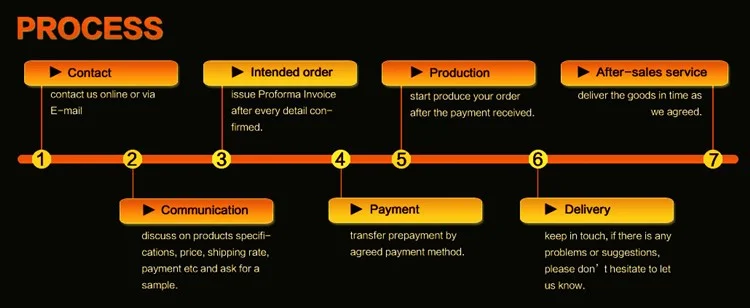
Purchase process
 Xylanase for Improved Bleaching of Paper Pulps
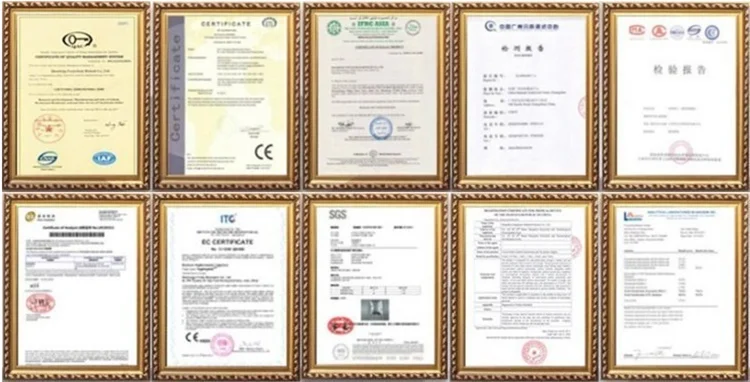
Certifications
 Xylanase for Improved Bleaching of Paper Pulps
Xylanase for Improved Bleaching of Paper Pulps
Packaging & Shipping
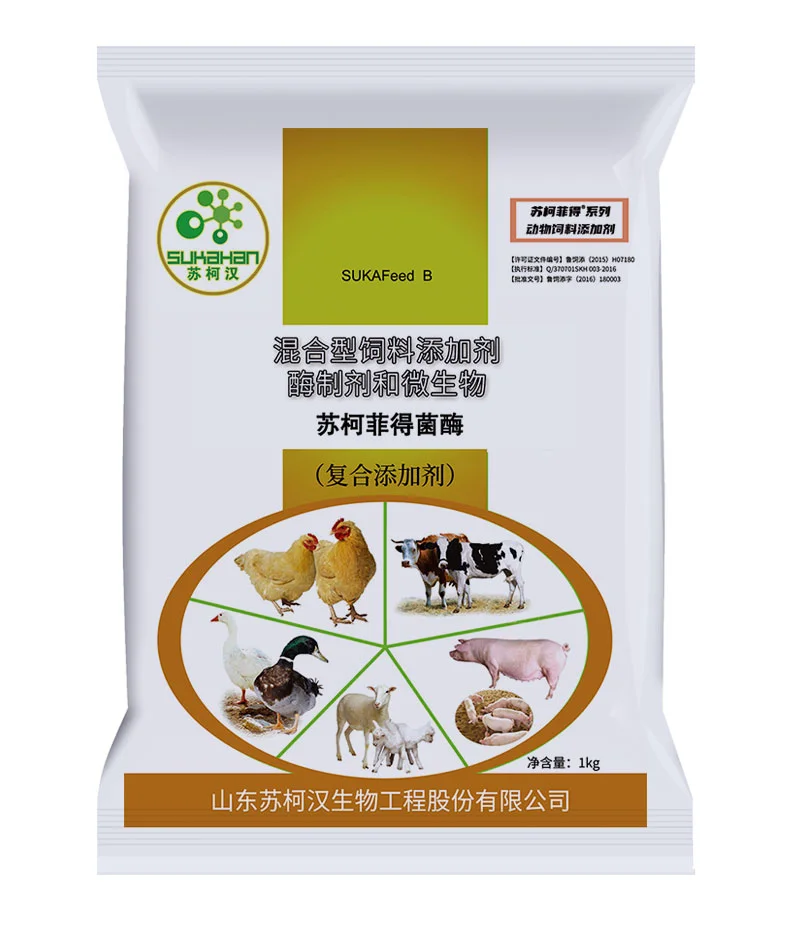
| Powder Form | ||
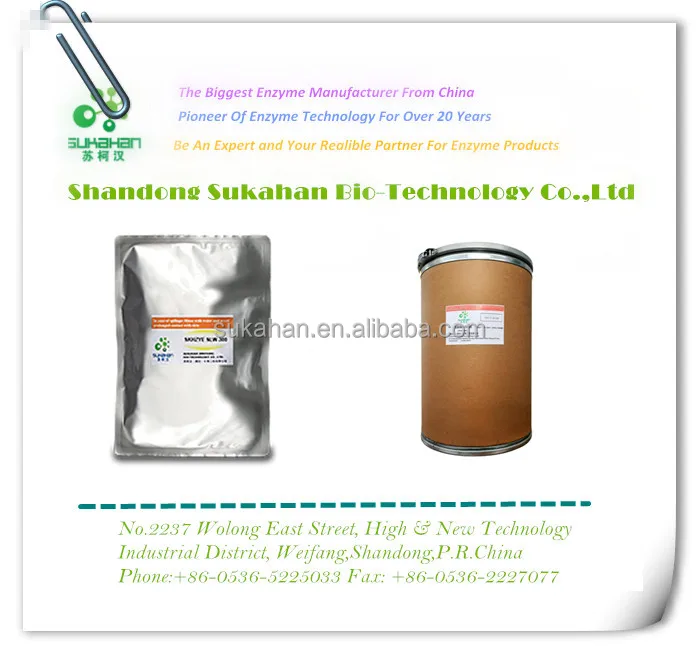
| 1KG ONE FOIL BAG | 15KGS ONE CARTON |
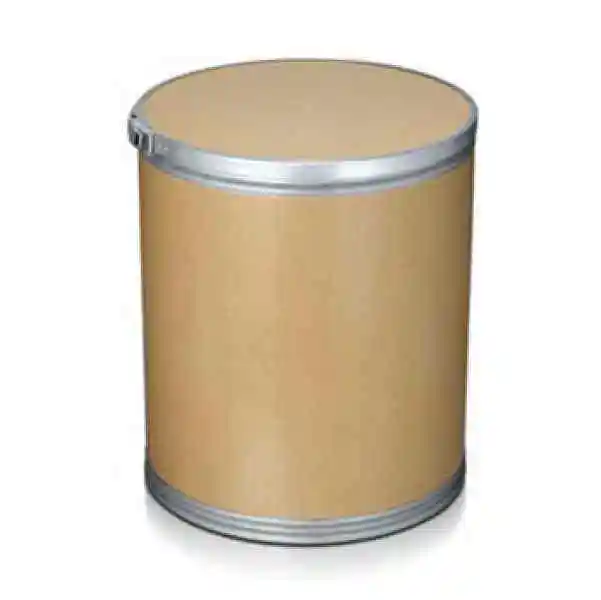
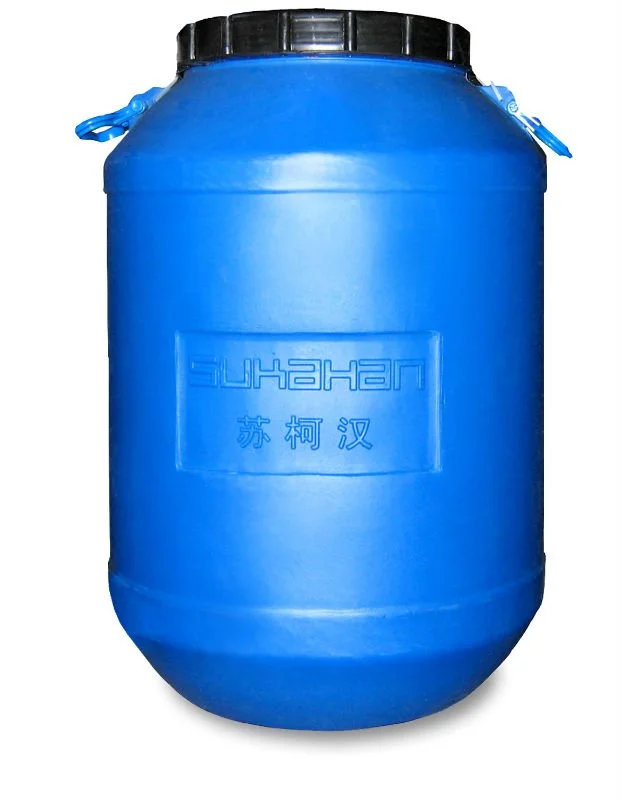
25KGS ONE DRUM
|
 |  |  |
| Liquid Form | ||
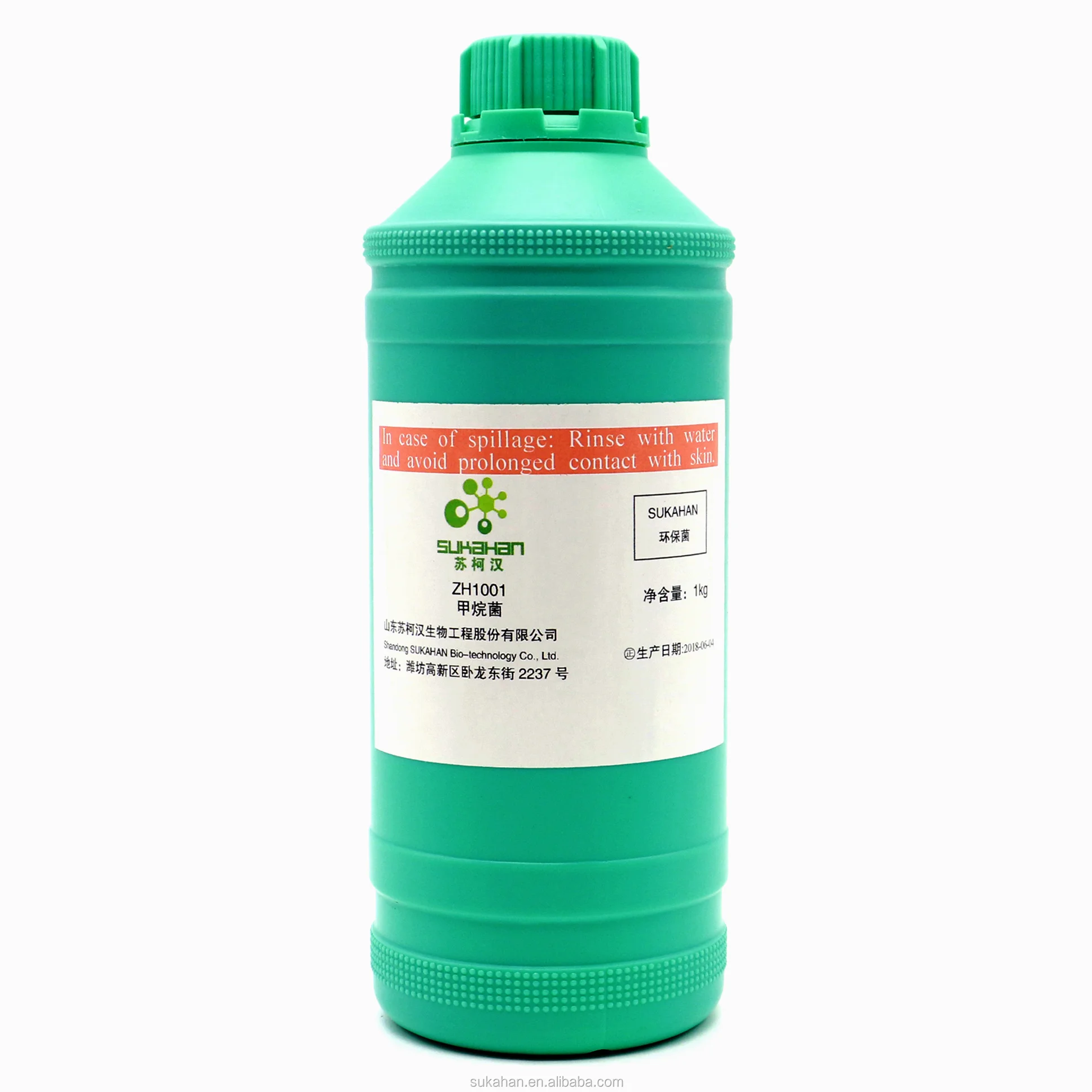
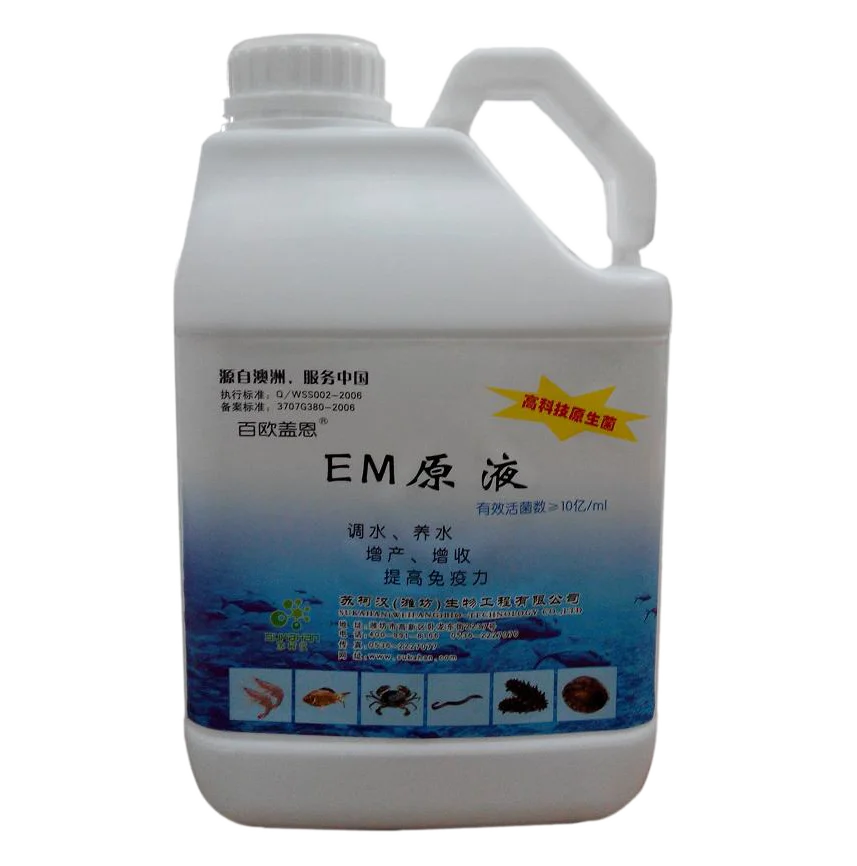
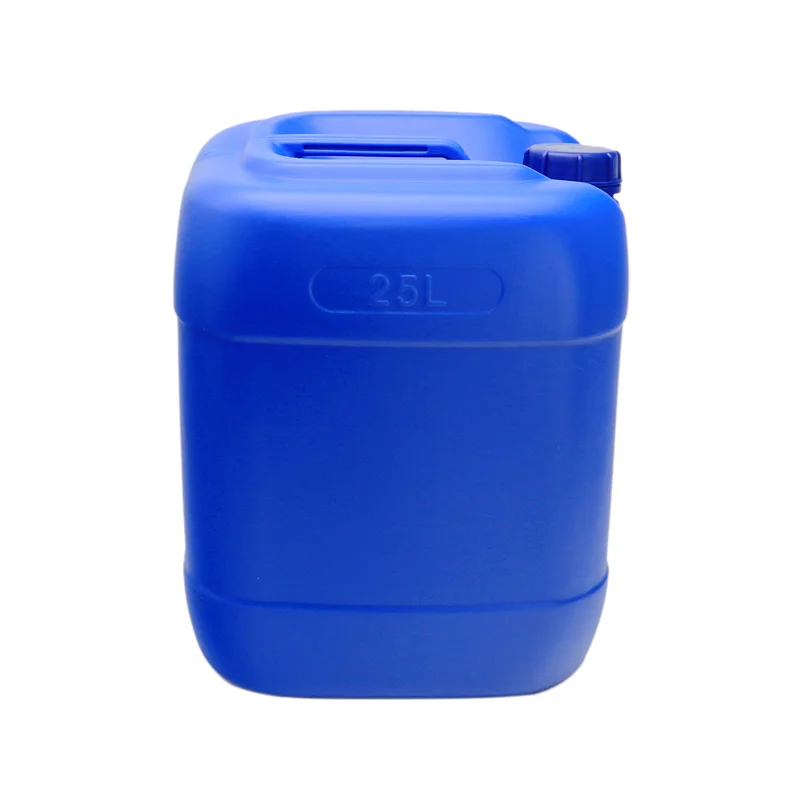
| 1L ONE BOTTLE | 5L ONE BOTTLE | 25L ONE DRUM |
 |  |  |
Company Information
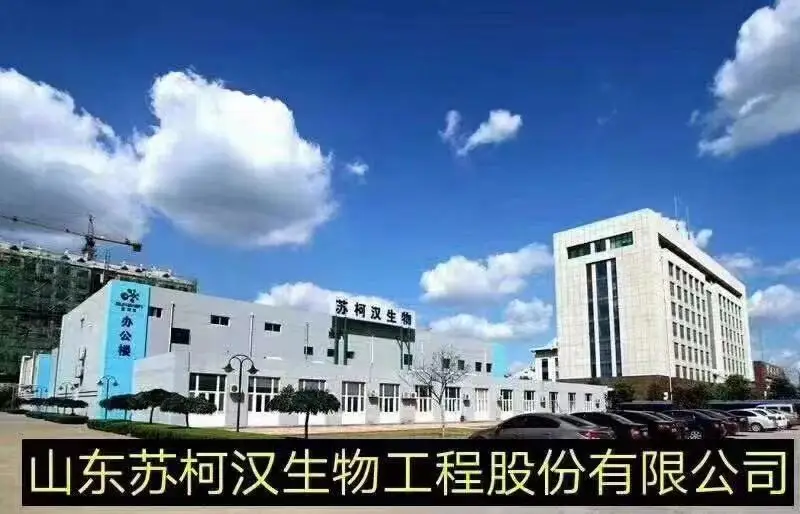
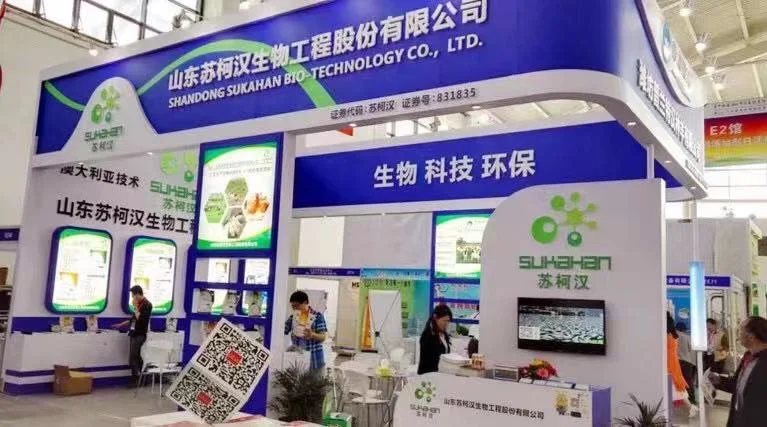
| Company Gate | Fair |
 |  |
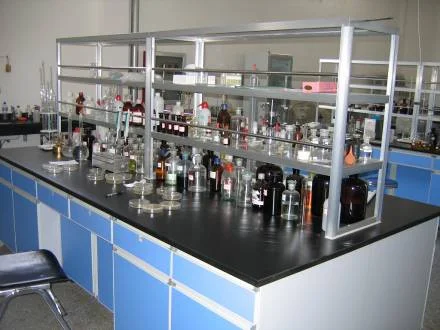
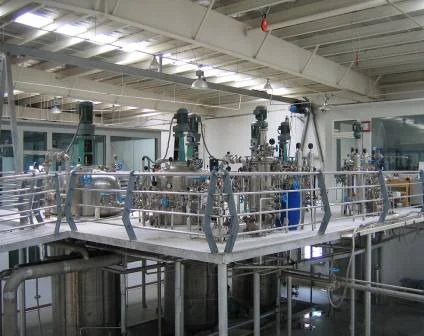
| Company Lab | Fermentation Production Line |
 |  |
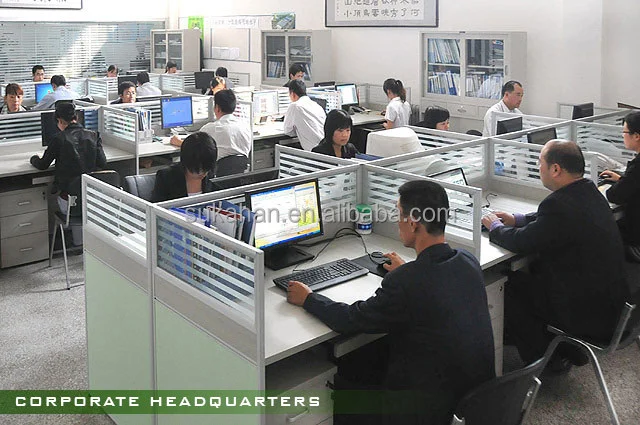
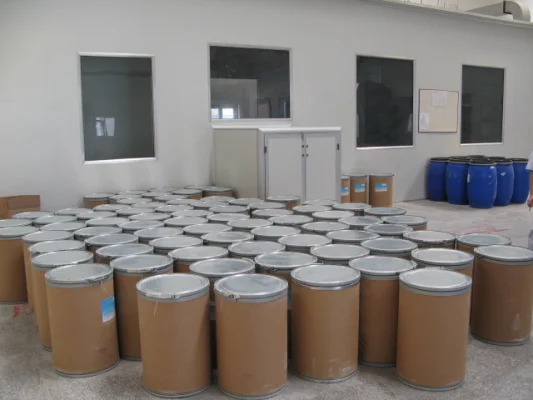
| Sales Team | Wearhouse |
 |  |
We Recommend



New Arrivals
New products from manufacturers at wholesale prices